
Accidents happen, especially when you’re sharing your living space with a beloved canine companion. Whether it’s a new puppy still learning the ropes of house training, an elderly dog experiencing incontinence issues, or simply an unexpected mishap, discovering dog urine on your mattress can feel overwhelming. The combination of moisture, odor, and potential staining creates a challenging cleaning situation that many pet owners face at some point.
Learning how to get dog pee out of mattress effectively requires understanding the right techniques, timing, and materials. Quick action is crucial – the longer urine sits in mattress fibers, the deeper it penetrates and the more difficult it becomes to remove completely. Beyond just surface cleaning, you’ll need to address both the visible stain and the lingering odors that can attract your dog back to the same spot for future accidents.
Immediate Action Steps When You Discover the Accident
Time is your most valuable asset when dealing with dog urine on a mattress. The moment you discover the accident, resist the urge to panic and instead focus on swift, methodical action. Fresh urine is significantly easier to remove than urine that has had hours or days to set into the mattress fibers.
Start by removing all bedding immediately, including sheets, pillowcases, mattress protectors, and any blankets that may have been affected. Strip everything down to the bare mattress surface so you can assess the full extent of the damage. If the urine is still wet, use clean towels or paper towels to blot – never rub or scrub – the affected area. Blotting helps absorb the liquid without pushing it deeper into the mattress layers.
Apply firm, consistent pressure when blotting, and replace towels frequently as they become saturated. Continue this process until you’re removing minimal moisture with each blot. This initial absorption step can make the difference between a manageable cleaning task and a persistent odor problem. Understanding how long can dogs hold their pee can help you establish better bathroom schedules to prevent future accidents.
Essential Cleaning Supplies You’ll Need
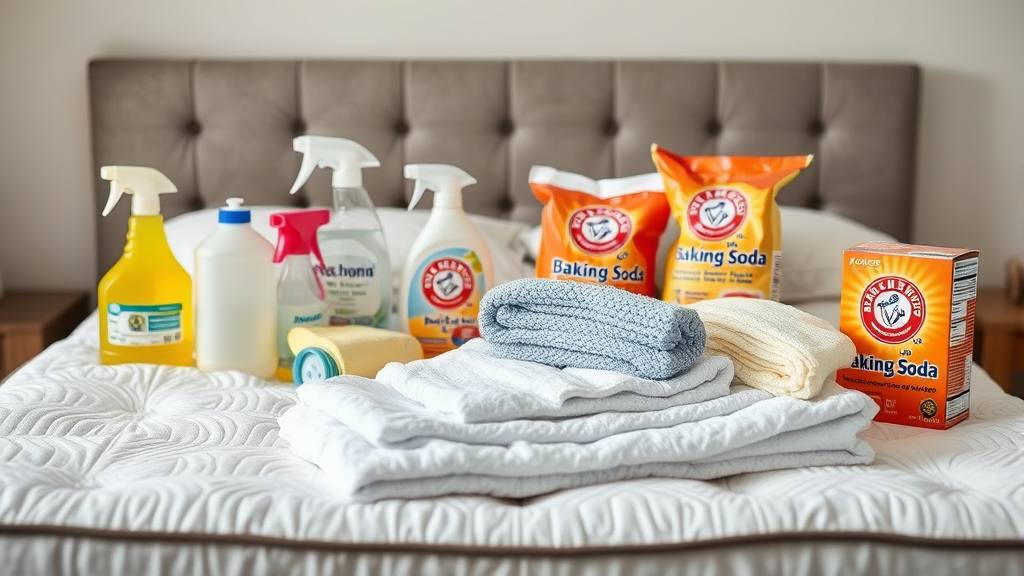
Having the right cleaning supplies readily available can make the difference between successful stain removal and a lingering problem. Create a dedicated pet accident cleaning kit that you can quickly access when emergencies arise. Essential items include clean white towels or paper towels, rubber gloves to protect your hands, and a spray bottle for applying cleaning solutions.
White vinegar serves as an excellent natural cleaner and deodorizer, while baking soda acts as both an odor absorber and mild abrasive. Liquid dish soap designed for cutting grease can help break down the proteins in urine. For more stubborn stains and odors, enzyme-based cleaners specifically designed for pet accidents prove invaluable, as they break down the organic compounds that cause persistent smells.
Additional supplies that enhance your cleaning effectiveness include a wet/dry vacuum if available, hydrogen peroxide (3% solution), and essential oils like lavender or tea tree for natural deodorizing. Keep a flashlight or smartphone light handy to help identify the full extent of stained areas, as urine stains may be more visible under different lighting conditions.
Step-by-Step Deep Cleaning Process
Begin the deep cleaning process by creating a cleaning solution appropriate for your mattress type and the severity of the stain. For fresh accidents, a mixture of equal parts white vinegar and water often proves effective. Spray this solution generously over the affected area, ensuring you cover slightly beyond the visible stain boundaries, as urine may have spread beyond what’s immediately apparent.
Allow the vinegar solution to sit for 10-15 minutes to break down the urine compounds. During this waiting period, the acid in the vinegar neutralizes the alkaline salts in the urine while beginning to eliminate odors. After the solution has had time to work, blot the area again with clean towels to remove as much moisture as possible.
Next, create a paste using baking soda and a small amount of water. Spread this paste evenly over the affected area, working it gently into the mattress surface with your fingers or a soft brush. The baking soda paste will continue to absorb odors and moisture while providing gentle abrasive action against any remaining stains. Allow this paste to dry completely – this may take several hours or overnight – before vacuuming it away with an upholstery attachment.
Natural Cleaning Solutions That Work
Natural cleaning solutions offer effective stain removal while being safer for both your family and your pet. The vinegar and water combination mentioned earlier serves as the foundation for most natural cleaning approaches, but you can enhance its effectiveness with additional ingredients. Adding a tablespoon of liquid dish soap to your vinegar solution helps break down greasy compounds and proteins found in urine.
For particularly stubborn odors, consider creating a more potent solution using hydrogen peroxide. Mix one cup of 3% hydrogen peroxide with three tablespoons of baking soda and a few drops of liquid dish soap. This combination creates a powerful oxidizing action that breaks down odor-causing compounds. However, test this solution on an inconspicuous area first, as hydrogen peroxide can have mild bleaching effects on some mattress materials.
Essential oils not only provide pleasant scents but also offer antimicrobial properties. Add 10-15 drops of tea tree oil, lavender oil, or eucalyptus oil to your cleaning solutions for enhanced deodorizing power. These natural oils also help deter your dog from returning to the same spot, as most dogs find these scents unpleasant. Similar principles apply when learning how to clean dog poop out of carpet, where natural solutions prove equally effective.
Commercial Enzyme Cleaners for Stubborn Stains
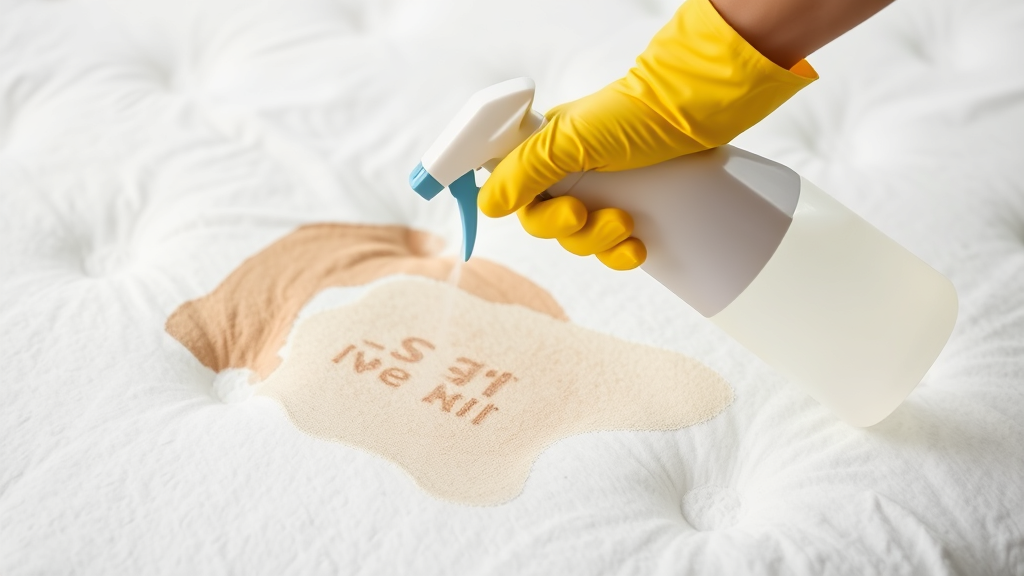
When natural solutions aren’t sufficient, commercial enzyme cleaners designed specifically for pet urine offer the most effective approach for complete odor elimination. These specialized products contain beneficial bacteria and enzymes that literally consume the organic compounds in urine, breaking them down at a molecular level rather than simply masking odors.
Popular enzyme cleaner brands include Nature’s Miracle, Anti Icky Poo, and Rocco & Roxie Professional Strength Stain & Odor Eliminator. When using enzyme cleaners, follow the manufacturer’s instructions carefully, as these products require specific conditions to work effectively. Most enzyme cleaners need to remain moist and undisturbed for several hours or overnight to achieve maximum effectiveness.
Apply enzyme cleaners generously to ensure complete saturation of the affected area. The ASPCA recommends allowing enzyme cleaners to air dry naturally rather than blotting them up, as this gives the enzymes time to completely break down the odor-causing compounds. Some enzyme cleaners may require multiple applications for severe or old stains.
Proper Drying and Deodorizing Techniques
Thorough drying is crucial for preventing mold and mildew growth while ensuring complete odor elimination. After applying cleaning solutions, promote air circulation around the mattress by opening windows, using fans, or running a dehumidifier in the room. Position the mattress vertically against a wall if possible, allowing air to circulate around all surfaces.
Sunlight provides natural deodorizing and antimicrobial benefits, so consider moving your mattress outdoors on a sunny day if the weather permits and you can manage the logistics safely. UV rays help break down remaining odor compounds while naturally sanitizing the mattress surface. If outdoor drying isn’t possible, position the mattress near a sunny window.
Baking soda serves as an excellent final deodorizing step. After the mattress appears dry, sprinkle a generous layer of baking soda over the entire surface, not just the cleaned area. Allow the baking soda to sit for at least 8 hours or overnight before vacuuming it away. This process absorbs any remaining moisture and odors while leaving the mattress fresh and clean.
Prevention Strategies to Avoid Future Accidents
Prevention remains the most effective strategy for maintaining a clean, odor-free sleeping environment. Understanding your dog’s bathroom needs and establishing consistent routines significantly reduces the likelihood of indoor accidents. Regular potty breaks, especially first thing in the morning, last thing at night, and after meals, help maintain your dog’s bathroom schedule.
Consider the factors that might contribute to indoor accidents, such as medical issues, anxiety, or inadequate house training. If accidents become frequent, consult your veterinarian to rule out urinary tract infections, bladder stones, or other health problems that might cause inappropriate urination. Learning about how do i stop dog peeing in house provides additional strategies for addressing behavioral aspects of indoor accidents.
Invest in a high-quality waterproof mattress protector as your first line of defense. Modern mattress protectors are breathable, comfortable, and virtually undetectable under sheets while providing complete protection against liquids. Additionally, consider restricting your dog’s bedroom access during times when accidents are more likely, such as overnight for puppies or elderly dogs with incontinence issues.
When to Consider Mattress Replacement
Despite your best cleaning efforts, some situations may warrant mattress replacement rather than continued cleaning attempts. If urine has penetrated through to the mattress core and created persistent odors that return even after thorough cleaning, replacement might be the most practical solution. This is particularly true for older mattresses or those without waterproof barriers.
Health considerations also play a role in replacement decisions. Prolonged exposure to urine can create conditions favorable for mold and bacteria growth, especially in humid environments. If you notice any signs of mold, persistent musty odors, or if family members experience unexplained respiratory issues, prioritize health and safety over the cost of replacement.
The Sleep Foundation recommends replacing mattresses every 6-10 years under normal circumstances, so factor in your mattress’s age when making replacement decisions. Multiple pet accidents over time may accelerate the need for replacement, even with diligent cleaning efforts.
When selecting a new mattress, consider pet-friendly options such as latex or memory foam mattresses with removable, washable covers. Some manufacturers now offer mattresses specifically designed for pet owners, featuring enhanced moisture barriers and antimicrobial treatments. Always pair any mattress with a high-quality waterproof protector to prevent future incidents.
Understanding issues like why is my dog peeing blood can help you identify serious health conditions that require immediate veterinary attention and may contribute to accidents. Similarly, knowing how long can a dog go without peeing helps you establish appropriate bathroom schedules that prevent accidents from occurring in the first place.
Frequently Asked Questions
How quickly do I need to clean dog urine from my mattress?
Clean dog urine from your mattress as quickly as possible, ideally within the first few hours of the accident. Fresh urine is significantly easier to remove than dried urine, which penetrates deeper into mattress fibers and becomes more challenging to eliminate completely. Quick action prevents the urine from setting and reduces the likelihood of permanent staining and persistent odors.
Can I use bleach to clean dog urine stains from my mattress?
Avoid using bleach on dog urine stains, as bleach can react with ammonia compounds in urine to create harmful chloramine gas. Additionally, bleach may damage or discolor your mattress materials and doesn’t effectively eliminate the odor-causing compounds in urine. Instead, use enzyme cleaners, vinegar solutions, or hydrogen peroxide-based cleaners that are specifically designed for organic stains.
Why does my dog keep peeing on the mattress even after I’ve cleaned it?
Dogs have an incredibly sensitive sense of smell and may continue to detect urine odors even after cleaning that appears thorough to humans. If odor-causing compounds remain, your dog may view the spot as an appropriate bathroom location. Ensure you’re using enzyme cleaners that break down organic compounds completely, and consider professional cleaning or mattress replacement if the behavior persists.
Is it safe to sleep on a mattress after cleaning dog urine?
Wait until your mattress is completely dry and odor-free before sleeping on it. Depending on your cleaning method and environmental conditions, this may take 24-48 hours. Ensure proper ventilation during drying and check that no cleaning solutions remain damp. The EPA emphasizes the importance of proper drying to prevent mold and bacteria growth in indoor environments.
What’s the difference between regular cleaners and enzyme cleaners for pet accidents?
Regular cleaners may mask odors or remove surface stains, but enzyme cleaners actually break down the organic compounds in urine at a molecular level. Enzyme cleaners contain beneficial bacteria that consume the proteins and other organic matter in pet waste, providing complete elimination rather than temporary masking. This biological action makes enzyme cleaners far more effective for preventing repeat accidents.
Can old, set-in dog urine stains still be removed from a mattress?
Old, set-in stains are more challenging but often still removable with the right approach. Use enzyme cleaners specifically designed for old stains, which may require multiple applications over several days. Soak the area thoroughly and allow extended contact time for the enzymes to work. However, very old stains that have penetrated to the mattress core may require professional cleaning or mattress replacement.
Should I flip my mattress after cleaning dog urine?
Don’t flip your mattress immediately after cleaning, as this could spread moisture to the clean side. Allow the cleaned side to dry completely first. Once dry, you may flip the mattress if it’s designed to be flippable, but this won’t eliminate odors that have already penetrated through the mattress layers. Focus on thorough cleaning and drying of the affected area instead.





