
How to Remove Dog Pee Smell from a Couch: Expert Tips
There’s nothing quite like the moment you discover your beloved furry friend has had an accident on your couch. That unmistakable ammonia-like odor can linger for weeks, making your living room less than inviting. Whether you have a puppy still learning house training or an older dog dealing with incontinence, dog urine smell on furniture is a common challenge many pet owners face.
The good news? With the right approach and proven techniques, you can completely eliminate that stubborn urine odor and restore your couch to its fresh, clean state. This comprehensive guide walks you through professional-grade methods, natural solutions, and preventative strategies to tackle this frustrating problem once and for all.
Understanding why dog urine creates such a persistent smell is the first step toward effective removal. Urine contains uric acid crystals that bond to fabric fibers and underlying cushion materials, making simple surface cleaning ineffective. That’s why we’ll explore deep-cleaning techniques that reach beyond the visible surface to neutralize the odor at its source.
Why Dog Urine Smells So Strong
Dog urine contains several compounds that create that distinctive, pungent odor. The primary culprit is uric acid, which breaks down into ammonia over time. Unlike human urine, dog urine has higher concentrations of these compounds, making it particularly stubborn to eliminate from fabric.
When urine soaks into upholstery, it penetrates multiple layers. The liquid first saturates the fabric surface, then seeps into the foam cushioning, and can even reach the wooden frame underneath. This multi-layer penetration is why surface-level cleaning rarely solves the problem completely. The uric acid crystals crystallize and bond with fabric fibers, creating a smell that resurfaces—especially in humid conditions or when the couch gets wet.
Understanding this science helps explain why simply spraying the affected area with air freshener won’t work. You need to physically break down and neutralize the uric acid crystals, not just mask the odor. This is why enzymatic cleaners have become so popular among pet owners—they actually break down the compounds causing the smell rather than covering them up.
Immediate Steps After an Accident
The moment you discover your dog has peed on the couch, act quickly. The faster you respond, the better your chances of complete odor removal. Here’s your action plan:
- Blot, don’t rub: Use paper towels or an old cloth to blot up as much urine as possible. Rubbing will push the liquid deeper into the fabric and cushions.
- Remove excess moisture: Press firmly with towels to absorb liquid. You might need to repeat this step several times until minimal moisture remains.
- Identify the affected area: Check beyond the obvious wet spot. Urine can spread, so inspect the surrounding fabric and underneath the cushions.
- Ventilate: Open windows and use fans to increase air circulation around the affected couch.
- Don’t use heat initially: Avoid using a heat source like a hair dryer, as heat can set the stain and odor permanently into the fabric.
These immediate steps prevent the urine from settling deeper into the couch structure, making subsequent cleaning much more effective.
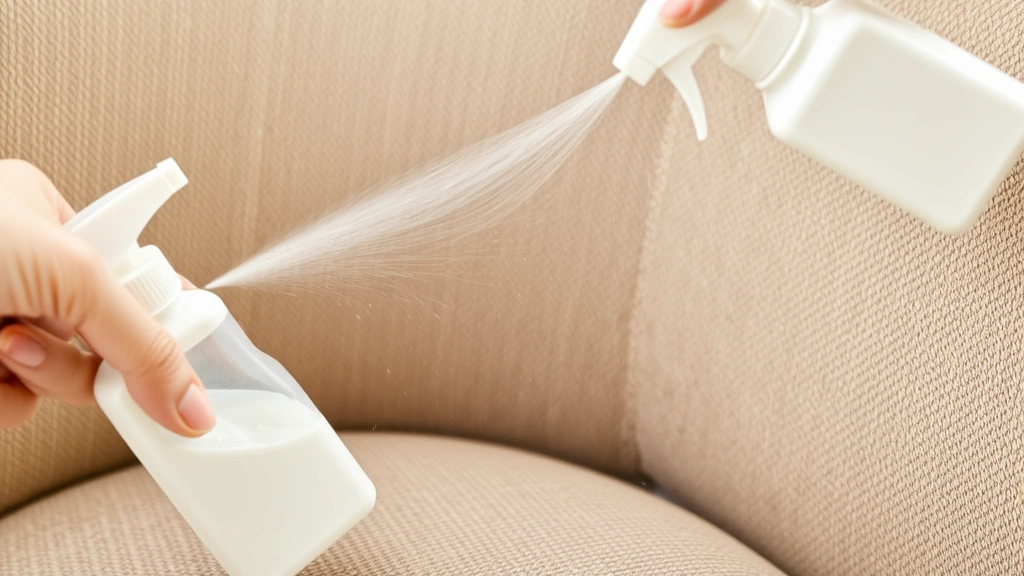
Proven Methods to Remove the Smell
Enzymatic Cleaner Method
Enzymatic cleaners are specifically designed to break down the organic compounds in urine. These products contain live bacteria and enzymes that literally consume the uric acid crystals and other odor-causing substances.
How to use enzymatic cleaners:
- Choose a pet-safe enzymatic cleaner from brands like Nature’s Miracle or Rocco & Roxie
- Saturate the affected area thoroughly—don’t just spray lightly
- Let it sit for the recommended time (usually 12-24 hours)
- Allow the area to dry completely before using the couch
- Repeat if necessary for stubborn odors
The key to success with enzymatic cleaners is patience. Many people make the mistake of not letting the product sit long enough. The enzymes need time to work their magic, so resist the urge to clean it up too quickly.
Baking Soda Treatment
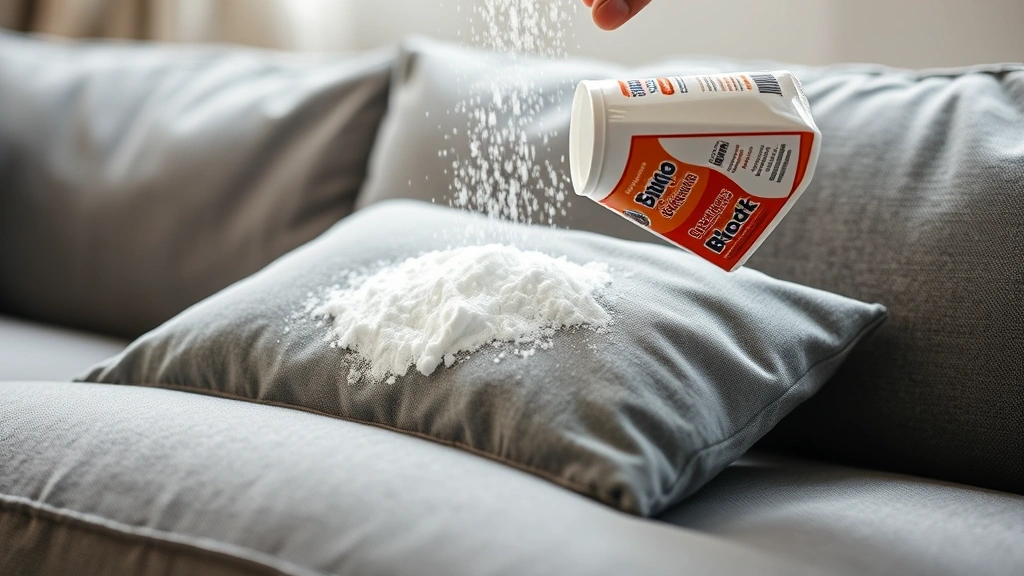
Baking soda is a classic odor neutralizer that works well for mild to moderate urine smells. It absorbs odors rather than masking them, making it an excellent complement to other cleaning methods.
Application process:
- Sprinkle a generous amount of baking soda over the affected area
- Let it sit for 12-24 hours
- Vacuum thoroughly to remove all baking soda residue
- Use a damp cloth to wipe the area
- Allow to air dry completely
For enhanced effectiveness, you can mix baking soda with a few drops of essential oil (like lavender) before applying. This adds a pleasant scent while the baking soda works to neutralize odors.
Vinegar and Baking Soda Paste
This powerful combination creates a paste that penetrates fabric fibers and breaks down uric acid crystals. White vinegar’s acidity helps neutralize the alkaline nature of urine.
Steps to follow:
- Mix equal parts white vinegar and baking soda to create a paste
- Apply the paste directly to the stained area
- Let it dry completely (this may take 24-48 hours)
- Vacuum up the dried paste
- Use a damp cloth to remove any residue
- Allow the couch to air dry
The chemical reaction between vinegar and baking soda helps break down stubborn odor compounds. While the mixture may smell strong initially, both vinegar and baking soda are odorless once dry.
Natural and DIY Solutions
If you prefer avoiding commercial products, several natural ingredients can effectively tackle dog urine odor. These solutions are pet-safe and environmentally friendly.
Hydrogen Peroxide Method
Hydrogen peroxide is an oxidizing agent that breaks down organic compounds, including urine. It’s particularly effective for fresh stains.
Recipe and application:
- Mix 3% hydrogen peroxide with a small amount of dish soap and baking soda
- Test on a hidden area first to ensure it won’t bleach your fabric
- Apply to the stain and let sit for 5-10 minutes
- Blot with a clean cloth
- Repeat if necessary
Warning: Hydrogen peroxide can bleach certain fabrics, so always test first. Avoid using on dark-colored upholstery unless you’re certain of the fabric’s colorfastness.
Lemon Juice Solution
The citric acid in lemon juice helps neutralize urine odor naturally. This method works best for mild smells and recent accidents.
Application:
- Mix fresh lemon juice with water in a 1:1 ratio
- Spray onto the affected area
- Let sit for 30 minutes
- Blot with a clean cloth
- Repeat as needed
Activated Charcoal
Activated charcoal absorbs odors effectively and is completely safe for pets. It’s an excellent option for ongoing odor control.
- Place activated charcoal in small bowls near the affected couch area
- Replace every few days until the smell is gone
- You can also sprinkle it directly on the couch and vacuum after 24 hours
When to Call a Professional
Sometimes, despite your best efforts, professional help becomes necessary. Consider hiring a professional cleaning service if:
- The smell persists after multiple treatment attempts
- The urine has soaked through to the couch frame or internal structure
- Your couch is expensive or made from delicate fabric that requires specialized care
- Multiple accidents have occurred in the same location
- You’re dealing with an older couch where deep odor has set in over time
Professional upholstery cleaners have access to industrial-strength enzymatic cleaners and equipment that can reach deeper into furniture than home methods. They can also assess whether the couch can be salvaged or if replacement is more practical.
Prevention Strategies
The best approach to dealing with dog urine on your couch is preventing it in the first place. Understanding the underlying causes helps you address the root problem.
Address Behavioral Issues
If your dog is repeatedly having accidents on the couch, it’s important to understand why. Discover how to stop your dog from peeing in the house by identifying triggers like anxiety, marking behavior, or inadequate potty breaks. Learn about why your dog pees on your bed and other furniture—this understanding is crucial for prevention.
Medical Evaluation
Frequent accidents can indicate underlying health issues. Consult your veterinarian to rule out urinary tract infections, incontinence, or other medical conditions. A vet can also provide guidance on how long dogs can hold their pee, helping you establish appropriate potty schedules.
Establish Consistent Potty Routines
Regular bathroom breaks prevent accidents. Most adult dogs need to go outside 3-4 times daily. Puppies and senior dogs may need more frequent breaks.
Use Protective Barriers
If your dog has a history of couch accidents:
- Use waterproof couch covers or throws that are easy to wash
- Place a washable blanket over the area where your dog typically rests
- Consider using furniture protectors designed for pet owners
- Keep your dog off the couch when unsupervised initially
Manage General Odors
Don’t forget that dogs also have natural body odors. Learn about how to get dog smell out of your couch in general, which complements urine odor removal. Additionally, understand that accidents can happen on other furniture—explore solutions for removing dog pee from mattresses and removing dog poop from carpet for comprehensive household protection.
Training and Reinforcement
Consistent house training reinforces good bathroom habits. Reward your dog immediately after they eliminate outside, creating positive associations with appropriate potty locations.
Frequently Asked Questions
How long does it take to completely remove dog urine smell from a couch?
The timeline depends on the severity and how quickly you treat it. Fresh accidents can be resolved in 24-48 hours with enzymatic cleaners. Older, set-in odors may take several weeks of treatment. Some stubborn cases require professional cleaning or couch replacement.
Can I use regular carpet cleaner on my couch?
While some carpet cleaners work on upholstery, they’re not always ideal for couches. Carpet cleaners can leave couches overly wet, which takes longer to dry and may cause mildew. Use products specifically designed for upholstery when possible, or test any product on a hidden area first.
Is the smell dangerous to humans or other pets?
The smell itself isn’t dangerous, but lingering urine can harbor bacteria. This is why thorough cleaning is important. Additionally, the smell can encourage your dog to use the same spot again, as dogs can detect urine odors that humans can’t.
What’s the difference between removing the stain and removing the smell?
A visible stain and odor are different problems. You can have an invisible stain with lingering odor, or vice versa. Odor removal requires addressing the uric acid crystals deep in the fabric and cushioning, which is why enzymatic cleaners are so effective.
Can I use bleach to clean dog urine from upholstery?
Avoid bleach on upholstered furniture. It can damage or discolor fabric, and when combined with urine’s ammonia content, it creates toxic fumes. Stick with pet-safe cleaning products instead.
How can I tell if the smell is completely gone?
Your nose may adjust to lingering odors, so ask someone else to smell the area. Another test is to place a damp cloth on the spot for 15 minutes, then smell it—moisture can reactivate residual odors that might still be present.
Will my dog keep using the same spot if I don’t remove the smell completely?
Yes. Dogs have an incredible sense of smell and can detect urine odors long after humans can. If the smell remains, your dog may be drawn to mark or eliminate in the same spot again. This is why complete odor removal is essential for breaking the cycle.





