

Learning how to get dog smell out of blankets is one of those pet owner life skills that separates the fresh-smelling homes from the ones that smell like a kennel (no judgment—we’ve all been there). If your beloved pup has claimed your blankets as their personal nap territory, you’re probably dealing with that distinctive doggy odor that regular washing just doesn’t seem to cut. The good news? There are several proven methods to banish that smell for good, and most of them use stuff you probably already have at home.
Table of Contents
- Why Do Dog Blankets Smell So Bad?
- Method 1: The Baking Soda Power Move
- Method 2: White Vinegar Soak—The Underrated Champion
- Method 3: Enzyme-Based Laundry Boosters
- Method 4: The Combination Approach—Vinegar Plus Baking Soda
- Method 5: Sunlight and Fresh Air Therapy
- Washing Machine Settings That Actually Matter
- Drying: The Often-Overlooked Final Step
- Prevention: Keep Those Blankets Fresh Longer
- When to Replace vs. When to Save
- Frequently Asked Questions
- The Bottom Line
Why Do Dog Blankets Smell So Bad?
Before we jump into solutions, let’s talk about what’s actually causing that funky smell. Dog odor isn’t just about dirt—it’s a combination of factors. Your pup’s skin naturally produces oils that create their unique scent. When they sweat (yes, dogs do sweat through their paw pads), those oils get trapped in fabric fibers. Add in some bacteria, yeast, and the occasional accident, and you’ve got yourself a blanket that smells like a wet dog decided to live in it permanently.
The reason regular detergent doesn’t always work is that it’s designed to remove dirt, not the oils and bacteria embedded deep in blanket fibers. That’s where our proven methods come in.
Method 1: The Baking Soda Power Move
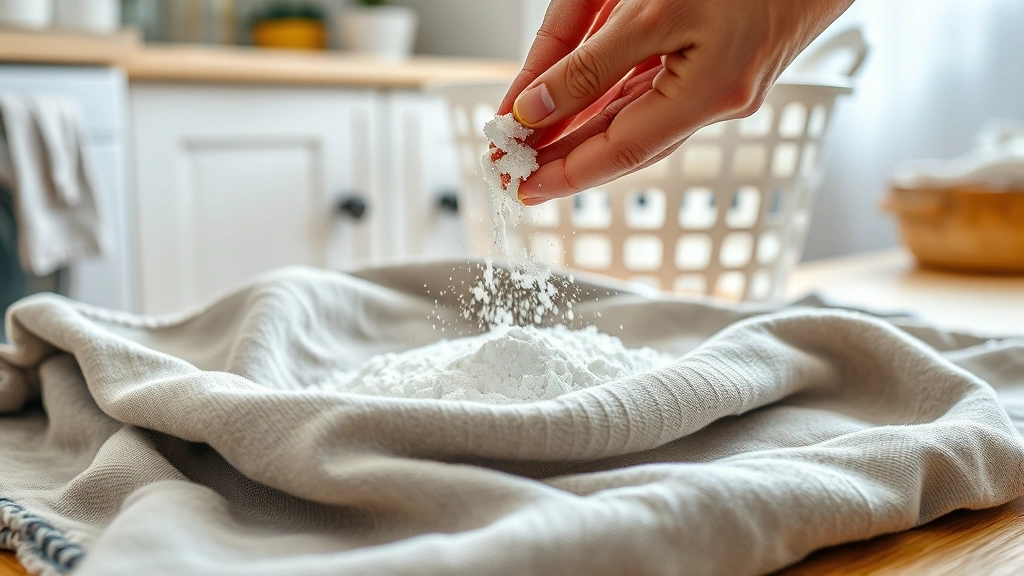
Baking soda is basically the superhero of odor elimination. Before you even throw that blanket in the wash, sprinkle a generous amount of baking soda all over it. We’re talking about covering the entire surface. Let it sit for 24 to 48 hours if you can manage it—the longer it sits, the more odors it absorbs. Then vacuum or shake out the excess baking soda and wash as normal with your regular detergent.
For extra stubborn smells, make a paste with baking soda and water, apply it directly to the worst-smelling areas, let it dry completely, then vacuum it up. This method works because baking soda neutralizes odors rather than just masking them. It’s like hitting the reset button on your blanket’s smell.
Method 2: White Vinegar Soak—The Underrated Champion
White vinegar might smell like a salad dressing at first, but trust us on this one. Fill your washing machine with water, add one to two cups of white vinegar, and soak your blanket for 30 minutes before running a regular wash cycle. The vinegar breaks down the oils and bacteria that create dog odor. It also helps eliminate any mildew smell if your blanket got damp and wasn’t dried properly.
The vinegar smell will fade as your blanket dries—don’t panic when it comes out of the washer smelling like a pickle. Add a few drops of your favorite essential oil to the rinse cycle if you want to speed up the pleasant-smell process. This method is especially effective for removing pet odors and is recommended by many professional cleaners.
Method 3: Enzyme-Based Laundry Boosters
Enzyme cleaners are specifically designed to break down organic matter—exactly what you need for dog smell. These products contain natural enzymes that digest the proteins and oils in pet odors. Brands like Nature’s Miracle or Rocco & Roxie are game-changers for pet owners. Simply add the enzyme booster to your wash cycle according to package directions and run a normal wash.
These boosters are particularly effective because they don’t just mask the smell—they actually eliminate the source. If you’re dealing with serious dog odor that won’t quit, this is your secret weapon. Many pet owners swear by enzyme cleaners for everything from blankets to bedding to furniture.
Method 4: The Combination Approach—Vinegar Plus Baking Soda
Why choose one method when you can combine forces? Start with the baking soda treatment (sprinkle, wait 24-48 hours, vacuum). Then wash with vinegar in the water. For the rinse cycle, add a cup of baking soda. This one-two-three punch tackles odor from multiple angles and is incredibly effective for blankets that have absorbed serious dog smell over time.
This method takes a bit longer than using just one solution, but the results are worth it. Your blanket will come out genuinely fresh-smelling, not just masked with artificial fragrance. This approach also helps with skin and coat health foods considerations—keeping blankets clean is part of overall pet wellness.
Method 5: Sunlight and Fresh Air Therapy
Sometimes the simplest solution is the best one. Hang your blanket outside in direct sunlight for several hours (or better yet, a full day). UV rays naturally kill odor-causing bacteria and mold. Fresh air circulation also helps dissipate trapped smells. If you live somewhere with good weather, this method costs absolutely nothing and works surprisingly well, especially for mild to moderate dog odors.
Combine this with any of the other methods for maximum effectiveness. The combination of sun exposure and one of the chemical treatments above will eliminate even stubborn smells. Just make sure your blanket is completely dry before bringing it back inside, or you’ll trap moisture and potentially create new odors.
Washing Machine Settings That Actually Matter
Here’s something most people don’t think about: your washing machine settings matter. Use hot water if the blanket can handle it—check the care label first. Hot water helps dissolve oils better than cold water. Use a heavy-duty or extra-large capacity wash cycle to ensure the blanket gets thoroughly agitated and rinsed. If your machine has an extra rinse cycle option, use it. Those extra rinses remove residual detergent and odor particles that regular cycles might leave behind.
Don’t overload your washing machine with other items. Blankets need space to move around and get properly cleaned. Cramming it in with a full load of other laundry means the cleaning solution won’t penetrate the fibers effectively.
Drying: The Often-Overlooked Final Step
How you dry your blanket matters just as much as how you wash it. If possible, line-dry in sunlight—those UV rays are odor-killing machines. If you must use a dryer, use medium to high heat (check the label) and add wool dryer balls or wool dryer sheets to help with air circulation. Never store a damp blanket; moisture creates mildew and new odors. Make sure it’s completely dry before folding and putting it away.
If you’re concerned about the environmental impact of frequent drying, check out our guide on zero waste pet care for sustainable pet ownership tips that include laundry practices.
Prevention: Keep Those Blankets Fresh Longer
Now that you’ve conquered the smell, let’s talk about keeping it away. Wash your dog’s blankets regularly—weekly is ideal if your pup spends a lot of time on them. Maintain your dog’s hygiene with regular baths and grooming. Brush your dog frequently to remove loose hair and reduce shedding into blankets. Consider using blanket covers that you can wash separately, protecting your actual blanket underneath.
A good pet nutrition advice regimen can also help reduce odor. Dogs with healthier skin and coats naturally produce less of that strong doggy smell. Omega-3 fatty acids in particular can improve skin health and reduce odor production.

When to Replace vs. When to Save
If you’ve tried all these methods and the smell still won’t budge, it might be time to retire that blanket. Some fabrics, especially older ones, can become permanently saturated with odor-causing bacteria. However, most blankets can be saved with the combination approach we discussed. Give it one solid attempt using the vinegar-plus-baking-soda method before you give up.
Frequently Asked Questions
Can I use fabric softener to get dog smell out of blankets?
Fabric softener will mask the smell temporarily but won’t actually eliminate it. In fact, fabric softener can make things worse by coating the fibers and trapping odors inside. Stick with the methods above instead—they actually remove the source of the smell rather than just covering it up.
How often should I wash my dog’s blankets?
Ideally, once a week if your dog sleeps on the blanket daily. If your pup only uses it occasionally, every two weeks should be fine. Dogs with skin conditions or those who spend lots of time outdoors might need more frequent washing. Regular washing prevents odor buildup and keeps your home smelling fresh.
Is white vinegar safe to use on all blanket fabrics?
White vinegar is safe for most fabrics, but always check your blanket’s care label first. For delicate fabrics, dilute the vinegar more heavily. Test on a small inconspicuous area first if you’re worried. In general, vinegar is gentler than many commercial products and won’t damage most blankets.
Will these methods work for other pet odors?
Absolutely! These methods work for cat blankets, guinea pig bedding, and any other pet-related fabric odors. The science is the same—you’re breaking down oils and killing odor-causing bacteria. Enzyme cleaners are particularly effective for cat urine odors if you’re dealing with that issue.
Can I prevent dog smell by using a blanket spray?
Blanket sprays are temporary solutions at best. They mask the smell rather than eliminating it. Use them between washings if you want, but they’re not a substitute for proper washing with one of the methods above. Think of them as a quick fix, not a permanent solution.
The Bottom Line
Getting dog smell out of blankets doesn’t require expensive specialty products or hours of labor. Start with baking soda or white vinegar—both are cheap, effective, and probably already in your home. For serious odors, combine methods or try enzyme-based cleaners. Don’t forget about sunlight and proper drying, which are surprisingly effective at naturally eliminating odors. Regular washing and good biodegradable pet waste bags practices keep your home fresher overall.
The key is consistency. Wash your dog’s blankets regularly, address odors quickly before they become embedded, and don’t rely on masking products. Your nose—and your guests—will thank you. With these proven methods in your arsenal, you’ll never have to suffer through a stinky dog blanket again.





