
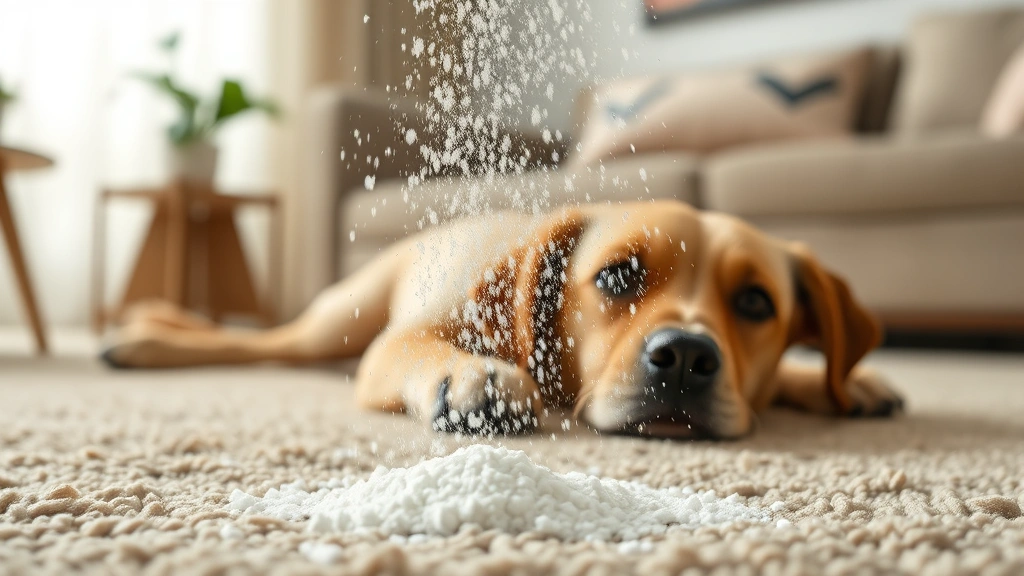
Let’s be real—if you’re a dog owner, you know that unmistakable funk that settles into your rugs like an unwanted houseguest. How to get dog smell out of rug is probably a question you’ve Googled at 2 AM while your pup snored peacefully, completely oblivious to the olfactory chaos they’ve created. The good news? You don’t need to rip out your carpet or invest in a hazmat suit. We’ve got five battle-tested methods that’ll have your rugs smelling fresh again.
Table of Contents
- Why Your Rug Smells Like a Kennel (And It’s Not Just Dirt)
- Method 1: Baking Soda—The Budget-Friendly Champion
- Method 2: White Vinegar Solution—The Deep Cleaner
- Method 3: Enzymatic Cleaners—The Heavy Artillery
- Method 4: Activated Charcoal—The Odor Absorber
- Method 5: Professional Steam Cleaning—When You Need the Pros
- Prevention: Stop the Smell Before It Starts
- Quick Fixes for Emergencies
- What NOT to Do
- Choosing the Right Method for Your Situation
- The Long Game: Keeping Your Rug Fresh
- Frequently Asked Questions
- Final Thoughts: Your Rug Can Be Fresh Again
Why Your Rug Smells Like a Kennel (And It’s Not Just Dirt)
Before we jump into solutions, let’s talk about what’s actually causing that dog smell. It’s not just wet dog odor—though that’s definitely part of it. Your pup’s skin naturally produces oils and bacteria that settle into carpet fibers. Add in occasional accidents, muddy paws, and that mysterious “wet dog” scent that appears even after bathtime, and you’ve got a perfect storm of stink. Understanding the source helps you pick the right removal method for your specific situation.
Method 1: Baking Soda—The Budget-Friendly Champion
Baking soda is basically the Swiss Army knife of odor elimination. Here’s how to use it:
- Vacuum your rug thoroughly first
- Sprinkle baking soda generously across the affected areas
- Let it sit for 15-30 minutes (longer for stubborn smells)
- Vacuum it up completely
- For extra power, mix baking soda with a few drops of essential oil like lavender or lemon before sprinkling
The science is simple: baking soda neutralizes odors rather than just masking them. It’s especially effective for fresh dog smell and works on most carpet types. Plus, it won’t damage your rug or harm your furry friend if they happen to sniff around during the process.
Method 2: White Vinegar Solution—The Deep Cleaner
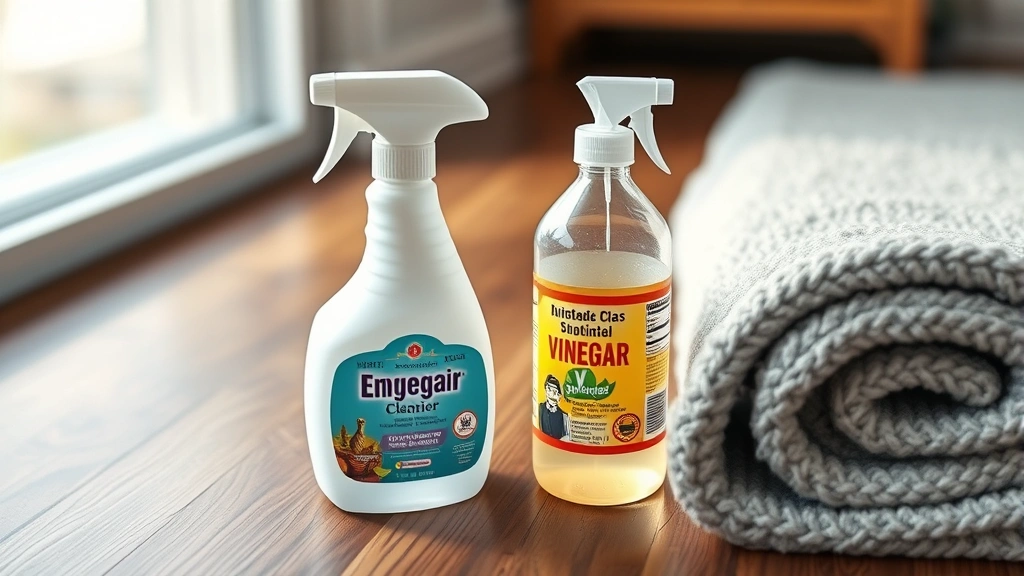
If baking soda isn’t cutting it, white vinegar is your next move. Mix one part white vinegar with three parts water in a spray bottle and lightly mist the smelly areas. Don’t oversaturate—damp, not soaking. Let it air dry completely (open windows, turn on fans). The vinegar smell is strong at first, but it dissipates as it dries and takes the dog odor with it. This method works particularly well for reducing pet waste impact areas where accidents have occurred.
Method 3: Enzymatic Cleaners—The Heavy Artillery
For serious dog smell situations, enzymatic cleaners are game-changers. These products contain natural enzymes that actually break down the organic compounds causing the odor—they’re not just covering it up. Brands like Nature’s Miracle or Rocco & Roxie are specifically designed for pet odors and work on both fresh and set-in smells.
Follow the product instructions carefully. Most require you to:
- Blot up any wet spots first
- Apply the enzymatic cleaner directly to the affected area
- Let it sit for several hours (sometimes overnight)
- Blot thoroughly and allow to air dry
These cleaners are particularly effective because they target the source of the smell rather than just masking it. They’re worth the investment if you’ve got a dog with frequent accidents or particularly stubborn odors.
Method 4: Activated Charcoal—The Odor Absorber
Activated charcoal is like a tiny sponge for smells. Sprinkle it on your rug, let it sit for 24-48 hours, then vacuum thoroughly. It’s especially useful for maintaining freshness between deeper cleanings. You can find activated charcoal in pet stores or online, and it’s affordable enough to keep on hand year-round. This method pairs well with eco-conscious pet owner practices since it’s completely natural and reusable.
Method 5: Professional Steam Cleaning—When You Need the Pros
Sometimes you need to call in the heavy hitters. Professional carpet cleaners with hot water extraction equipment can remove odors that DIY methods can’t touch. They use specialized solutions designed for pet odors and have industrial-strength equipment that gets deep into carpet fibers. If your rug smells like a kennel despite your best efforts, this is your answer. Many pet-friendly cleaning companies now offer enzyme-based solutions that are safe for your dog.
Prevention: Stop the Smell Before It Starts
The best offense is a good defense. Regular grooming and bathing reduce the natural oils and bacteria that cause dog smell. A good sustainable pet grooming routine every 4-6 weeks makes a huge difference. Also, vacuum high-traffic dog areas weekly and consider using washable rug runners in your pup’s favorite spots—they’re easier to clean than permanent carpet.
Diet plays a role too. Dogs fed quality sustainable dog food tend to have better skin health and produce fewer odors. Cheaper, lower-quality foods often result in more pungent dog smell because of how their bodies process the nutrients.
Quick Fixes for Emergencies
Got unexpected guests arriving in an hour? Mix equal parts baking soda and ground coffee, sprinkle it on your rug, let it sit for 10 minutes, and vacuum. It’s not a permanent solution, but it’ll freshen things up fast. Febreze designed specifically for pet odors also works in a pinch, though it’s temporary.
What NOT to Do
Avoid ammonia-based cleaners—they actually smell like urine to dogs and can encourage them to re-mark the same spots. Bleach is also a no-go; it can damage your rug and create toxic fumes when mixed with other cleaners. And please, for the love of your carpet, don’t just spray perfume and hope for the best. That’s like putting cologne on a garbage can—it doesn’t solve the problem.
Choosing the Right Method for Your Situation
Fresh dog smell? Baking soda or charcoal will do the trick. Lingering funk? Go with the vinegar solution or enzymatic cleaner. Accidents that have been there for weeks? Time to break out the enzymatic heavy hitters or call a professional. Your rug type matters too—delicate oriental rugs need gentler methods than sturdy synthetic carpets.
The Long Game: Keeping Your Rug Fresh
Once you’ve tackled the smell, maintenance is key. Vacuum at least twice a week in high-dog-traffic areas. Keep a lint roller handy for quick cleanups. Consider using washable, replaceable rug pads under your main carpets. Most importantly, address accidents immediately—the longer they sit, the more the smell sets in. A quick blot and enzyme treatment right away prevents future headaches.
Frequently Asked Questions
Can I use scented baking soda on my rug?
Yes, scented baking soda works great and smells better than plain baking soda. Just make sure the scent is dog-safe—avoid anything with essential oils that could irritate your pup’s skin. Unscented baking soda is safest if your dog has sensitive skin.
How long does it take for enzymatic cleaners to work?
Most enzymatic cleaners need 6-24 hours to fully break down odor-causing compounds. Some work faster (3-4 hours), but patience pays off. The longer you let them work, the more effective they are.
Is white vinegar safe for dogs?
Yes, white vinegar is safe for dogs in the diluted form we’re using. The smell is strong to humans but harmless to pets. Just avoid letting your dog drink the solution directly.
Will my rug ever smell completely normal again?
Absolutely. Even deeply ingrained dog smell can be eliminated with the right combination of methods. If DIY methods aren’t working after multiple attempts, professional cleaning will get you there.
How often should I clean my rug to prevent dog smell?
Vacuum high-traffic areas twice weekly, do a baking soda treatment monthly, and deep clean with enzymes quarterly. For dogs with frequent accidents, increase frequency as needed.
Can I use these methods on all rug types?
Baking soda and charcoal are safe on most rugs. Vinegar solution is generally safe but test on a hidden corner first, especially for delicate fabrics. Enzymatic cleaners are usually safe but always check the label for your specific rug type.
Final Thoughts: Your Rug Can Be Fresh Again
That dog smell doesn’t have to be permanent. Whether you go with budget-friendly baking soda, powerful enzymatic cleaners, or professional steam cleaning, there’s a solution that’ll work for your situation. The key is acting quickly, choosing the right method for your specific problem, and maintaining your rug regularly. Your nose—and your guests—will thank you. Now go forth and reclaim your fresh-smelling home, you wonderful dog parent.





