
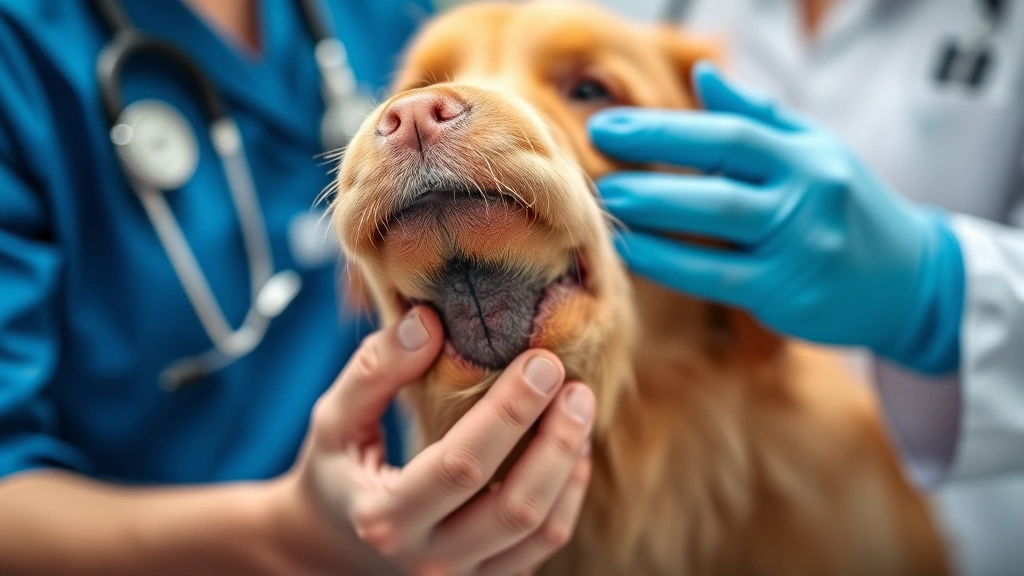
How to Stop Your Dog from Licking Paws: Expert Tips
If you’ve ever noticed your furry best friend obsessively licking their paws, you’re not alone. This common canine behavior can range from a harmless quirk to a sign of something more serious that needs attention. Whether it’s happening occasionally or turning into a full-blown fixation, understanding what’s behind those constant licks is the first step toward helping your pup find relief.
Excessive paw licking can lead to serious complications like skin infections, hot spots, and behavioral issues if left unchecked. The good news? With the right knowledge and approach, you can help your dog break this habit and get back to their happy, healthy self. Let’s dive into the causes, solutions, and expert strategies that’ll have your pooch putting their paws down on this annoying behavior.
Throughout this guide, we’ll explore everything from identifying the root cause to implementing practical solutions that actually work. Whether your dog’s paw licking stems from allergies, parasites, anxiety, or boredom, we’ve got the answers you need.
Understanding Why Dogs Lick Their Paws
Before we tackle solutions, it’s essential to understand why dogs lick their paws in the first place. Dogs lick their paws for numerous reasons, and not all of them indicate a problem. Occasional paw licking is completely normal—it’s part of their grooming routine, much like humans washing their hands. However, when licking becomes excessive and compulsive, that’s when we need to investigate further.
The behavior can stem from physical discomfort, emotional stress, or learned habits. Some dogs lick their paws as a self-soothing mechanism, similar to how humans might bite their nails when nervous. Others might do it out of pure boredom or because they’ve discovered it gets them attention from their owners. Understanding the distinction between normal grooming and problematic licking is crucial for addressing the issue effectively.
According to the American Kennel Club, excessive paw licking can indicate anything from minor irritation to serious health concerns. The key is paying attention to frequency, duration, and any accompanying symptoms that might give you clues about what’s really going on.
Medical Causes Behind the Licking
Medical issues are often the culprit behind persistent paw licking, and they deserve serious consideration. Let’s explore the most common health-related causes:
Allergies and Skin Conditions
Allergies are one of the leading causes of excessive paw licking in dogs. Just like humans, dogs can suffer from food allergies, environmental allergies, and contact allergies. When your dog’s immune system reacts to an allergen, it often manifests as itchy skin, and the paws are a favorite target for relief. Dogs can be allergic to chicken and many other common food ingredients, making dietary issues a frequent culprit.
Skin conditions like dermatitis, eczema, and fungal infections can also cause intense itching. If your dog’s paws look red, swollen, or have a yeasty odor, these could be signs of a skin infection requiring veterinary attention.
Parasites and Pest-Related Issues
Fleas, mites, and lice are notorious for causing itchy paws. Even if you can’t see the parasites, they can still be causing significant discomfort. Learning how to tell if your dog has fleas is essential for early detection and prevention. Mange mites, in particular, are known for causing intense itching that drives dogs to lick their paws raw.
Regular parasite prevention is your best defense. The ASPCA recommends year-round flea and tick prevention for most dogs, depending on your geographic location and lifestyle.
Infections and Inflammation
Bacterial or yeast infections can develop on the paws, especially between the toes where moisture accumulates. These infections are often secondary to allergies or other irritants but can become serious if untreated. Pododermatitis (inflammation of the paws) is another condition that sends dogs into a licking frenzy.
Injuries and Foreign Objects
Sometimes the answer is simpler—your dog might have a thorn, splinter, or other foreign object stuck in their paw. Injuries, cuts, or bruises can also trigger excessive licking as your dog tries to self-heal. Always check between the toes and paw pads for anything that shouldn’t be there.
Behavioral and Environmental Factors
Not all paw licking is medically driven. Behavioral and environmental factors play a significant role in this habit, especially when medical causes have been ruled out.
Anxiety and Stress
Dogs experiencing anxiety, stress, or fear may resort to compulsive paw licking as a coping mechanism. This is similar to how some humans develop nervous habits. Changes in routine, new environments, separation anxiety, or even thunderstorms can trigger this behavior. If your dog’s licking increases during stressful situations, anxiety might be the underlying issue.
Boredom and Lack of Stimulation
An under-stimulated dog with nothing better to do might develop paw licking as a self-entertainment activity. Dogs need mental and physical exercise to stay healthy and happy. Without adequate stimulation, they may turn to repetitive behaviors like excessive licking.
Attention-Seeking Behavior
Dogs are smart creatures, and they quickly learn what gets them attention from their humans. If your dog has figured out that licking their paws prompts you to react—whether with concern or correction—they might continue doing it simply for the interaction. Breaking this cycle requires a strategic approach to not reinforce the behavior.
Learned Behavior and Habits
Sometimes, a dog starts licking their paws for a legitimate reason (like an itch), but after the issue resolves, the habit persists. It becomes ingrained behavior, much like how dogs chew their paws out of habit even when there’s no underlying cause. Breaking established habits takes consistency and patience.

Prevention Strategies That Work
The best approach to excessive paw licking is prevention. Here are evidence-based strategies to keep this behavior from starting or worsening:
Maintain Regular Grooming
Keep your dog’s paws clean and dry, especially between the toes. Regular grooming reduces the risk of infections and allows you to spot problems early. Trim excess hair between the paw pads to improve air circulation and reduce moisture buildup where yeast and bacteria thrive.
Implement a Parasite Prevention Program
Work with your veterinarian to establish a year-round parasite prevention plan. This is one of the most effective ways to prevent paw licking caused by fleas, ticks, and mites. Modern preventatives are highly effective and come in various formulations to suit different dogs.
Identify and Eliminate Allergens
If allergies are suspected, work with your vet to identify the culprit. This might involve an elimination diet to pinpoint food allergies or allergy testing for environmental triggers. Once you know what’s causing the reaction, you can take steps to minimize exposure or adjust your dog’s diet accordingly. What you can give your dog for allergies depends on the specific allergen and your dog’s health profile.
Provide Adequate Exercise and Mental Stimulation
Ensure your dog gets sufficient physical exercise and mental enrichment daily. A tired dog is a well-behaved dog. Interactive toys, puzzle feeders, training sessions, and regular playtime can significantly reduce anxiety-related and boredom-related licking.
Create a Stress-Free Environment
Minimize environmental stressors where possible. Provide safe spaces where your dog can retreat, use calming aids if necessary, and maintain a consistent routine. Some dogs benefit from anxiety supplements or medications prescribed by their veterinarian.
Use Protective Barriers
Elizabethan collars (cone collars) or dog booties can physically prevent your dog from licking their paws while you address the underlying cause. While not a long-term solution, these tools can prevent further damage and allow healing to occur.
Effective Treatment Options
Once you’ve identified the cause of your dog’s paw licking, here are the most effective treatment approaches:
Veterinary Treatments
Your veterinarian can prescribe medications tailored to your dog’s specific condition. This might include antibiotics for infections, antifungals for yeast, antihistamines for allergies, or anti-inflammatory medications to reduce itching. In some cases, topical treatments like medicated shampoos or sprays are recommended.
The Washington State University College of Veterinary Medicine emphasizes that proper diagnosis is crucial for effective treatment, as different causes require different approaches.
Dietary Modifications
If food allergies are the culprit, switching to a limited ingredient diet or a prescription hypoallergenic diet can make a dramatic difference. Some dogs respond well to diets rich in omega-3 fatty acids, which support skin health and reduce inflammation naturally.
Topical Remedies
Certain topical treatments can provide relief while addressing the underlying cause. These might include medicated sprays, soothing balms, or prescription ointments. Some pet parents find success with natural remedies like oatmeal baths, though these should be discussed with your vet first.
Behavioral Modification Techniques
If anxiety or learned behavior is driving the licking, behavioral modification might be necessary. This could involve desensitization training, counterconditioning, or working with a certified animal behaviorist. Redirecting your dog’s attention to appropriate activities when licking begins is also effective.
Supplements and Nutraceuticals
Omega-3 supplements, probiotics, and other nutraceuticals can support skin health and reduce inflammation from the inside out. Many veterinarians recommend these as part of a comprehensive treatment plan, especially for dogs with allergies or chronic skin issues.
When to Call Your Veterinarian
While occasional paw licking is normal, certain situations warrant immediate veterinary attention:
- Excessive licking that persists for more than a few days despite your efforts to address it
- Visible signs of infection, such as redness, swelling, discharge, or odor
- Raw, bleeding, or severely damaged paw pads
- Licking accompanied by hair loss, scabs, or other skin changes
- Signs of pain, limping, or reluctance to walk
- Sudden onset of intense licking without an obvious cause
- Licking that interferes with your dog’s sleep, eating, or quality of life
Early intervention can prevent minor issues from becoming serious problems. Your veterinarian can perform skin scrapings, fungal cultures, and allergy testing to pinpoint the exact cause and recommend the most effective treatment plan.
Frequently Asked Questions
Is it normal for dogs to lick their paws?
Yes, occasional paw licking is completely normal as part of a dog’s grooming routine. However, excessive licking—where your dog spends significant time licking, causing damage to the paw pads or showing signs of obsession—is not normal and warrants investigation.
How can I tell if my dog’s paw licking is a problem?
If your dog licks their paws so frequently that it causes visible damage like redness, hair loss, or bleeding, or if the behavior seems compulsive and uncontrollable, it’s time to consult your veterinarian. Any sudden increase in licking frequency is also worth investigating.
What’s the fastest way to stop my dog from licking their paws?
The fastest solution depends on the underlying cause. Identifying whether it’s allergies, parasites, anxiety, or another factor is essential. A veterinary exam is the quickest way to get accurate answers and appropriate treatment. In the meantime, keeping paws clean and dry, providing distraction, and preventing access through protective barriers can help.
Can I use home remedies to stop paw licking?
While some home remedies like oatmeal baths or apple cider vinegar rinses might provide temporary relief for minor irritation, they’re not substitutes for professional veterinary care. Always consult your vet before trying home treatments, as they might mask underlying problems or cause complications.
How long does it take to resolve excessive paw licking?
Timeline varies significantly depending on the cause. Parasitic infections might resolve within weeks of starting prevention. Allergies might take months of dietary adjustment to show improvement. Behavioral issues may require ongoing training and management. Your veterinarian can give you a more specific timeline based on your dog’s particular situation.
Are certain dog breeds more prone to paw licking?
Some breeds, particularly those with a predisposition to allergies like Bulldogs, Golden Retrievers, and Pit Bulls, may be more prone to excessive paw licking. However, any dog of any breed can develop this behavior, so it’s not breed-specific but rather individual.
Should I punish my dog for licking their paws?
No, punishment is counterproductive and can actually worsen anxiety-related licking. Your dog isn’t misbehaving intentionally—they’re responding to physical discomfort or emotional distress. Focus on identifying and addressing the root cause rather than punishing the symptom.





