
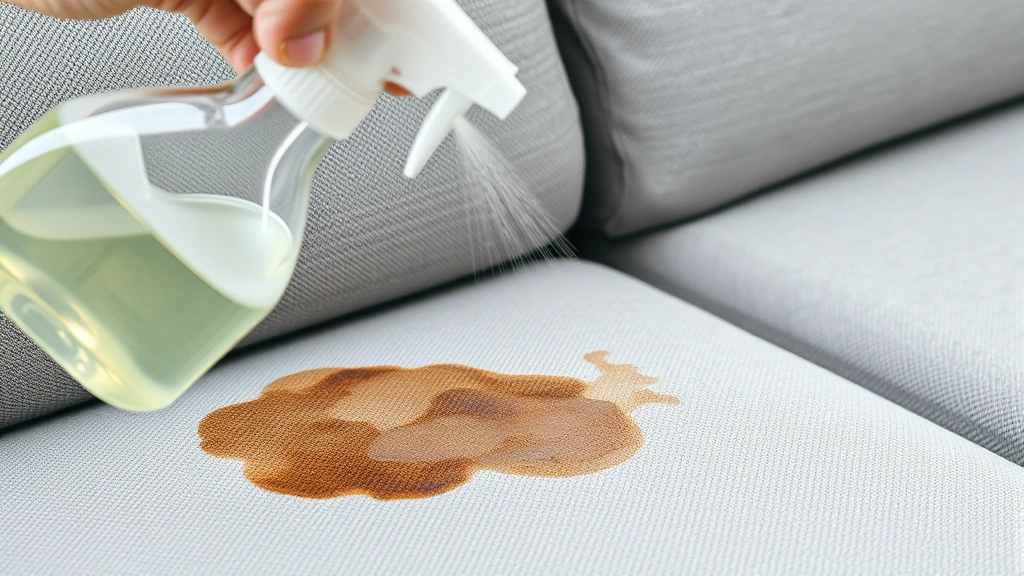
Let’s face it—how to get dog urine smell out of couch is probably the question you’re frantically Googling right now while sitting as far away from your furniture as possible. Your beloved pup had an accident, and now your couch smells like a kennel that hasn’t been cleaned since 2015. Don’t panic. I’ve got you covered with proven methods that’ll have your furniture smelling fresh again, plus some insider tips on why this happens and how to prevent future incidents.
Table of Contents
- Why Does Dog Urine Smell So Darn Persistent?
- Method 1: The Enzymatic Cleaner Approach (Most Effective)
- Method 2: Baking Soda and Vinegar Solution
- Method 3: Hydrogen Peroxide Treatment for Stubborn Odors
- Method 4: Professional Enzymatic Powder Solutions
- Method 5: The Steam Cleaning Method (For Deep Cleaning)
- Prevention: Stop Future Accidents Before They Happen
- Understanding Why Your Dog Is Marking Territory
- Protective Measures for Future Peace of Mind
- When to Call in the Professionals
- Summary: Your Action Plan
- Frequently Asked Questions
Why Does Dog Urine Smell So Darn Persistent?
Before we jump into solutions, let’s understand the enemy. Dog urine contains uric acid crystals that don’t break down easily with water alone. These little troublemakers embed themselves deep into fabric fibers and cushion padding, which is why that smell keeps haunting you even after you’ve cleaned the surface. The odor actually gets stronger when the urine dries because the ammonia concentration increases. Fun times, right?
The longer urine sits on your couch, the deeper it penetrates. Fresh accidents are way easier to tackle than ones that have been festering for weeks. This is why acting fast is crucial.
Method 1: The Enzymatic Cleaner Approach (Most Effective)
If you’re serious about eliminating dog urine odor, enzymatic cleaners are your best friend. These products contain live bacteria and enzymes that literally eat away at the uric acid crystals—they don’t just mask the smell, they destroy it at the source.
Here’s how to use them:
- Blot up any fresh urine with paper towels (don’t rub, just press down)
- Apply the enzymatic cleaner generously to the affected area
- Let it sit for 24-48 hours (yes, really—patience is key here)
- Vacuum or rinse according to product instructions
Popular brands like Nature’s Miracle and Rocco & Roxie are specifically formulated for pet urine and work on multiple fabric types. Check the label to ensure it’s safe for your couch material.
Method 2: Baking Soda and Vinegar Solution
This is the classic DIY approach that’s been saving furniture since your grandmother’s time. While not as powerful as enzymatic cleaners, this combo works surprisingly well for mild to moderate odors and costs about $3.
The process:
- Sprinkle baking soda generously over the affected area
- Let it sit for 30 minutes to absorb odors
- Vacuum thoroughly
- Mix equal parts white vinegar and water in a spray bottle
- Lightly mist the area (don’t oversaturate)
- Let dry completely (open windows and use fans)
The vinegar smell will fade as it dries, taking the urine odor with it. This method works best for fresh accidents rather than old, set-in stains.
Method 3: Hydrogen Peroxide Treatment for Stubborn Odors
For those particularly nasty accidents that have had time to settle in, hydrogen peroxide can be your secret weapon. This method is especially effective on light-colored couches where discoloration isn’t a concern.
Application steps:
- Test on a hidden area first (hydrogen peroxide can bleach some fabrics)
- Mix 3% hydrogen peroxide with a small amount of dish soap and baking soda to form a paste
- Apply directly to the stained area
- Let it work for 5-10 minutes
- Blot with clean cloths until the paste is removed
- Allow to air dry
This method is particularly good at breaking down those stubborn uric acid crystals that vinegar alone might miss.
Method 4: Professional Enzymatic Powder Solutions
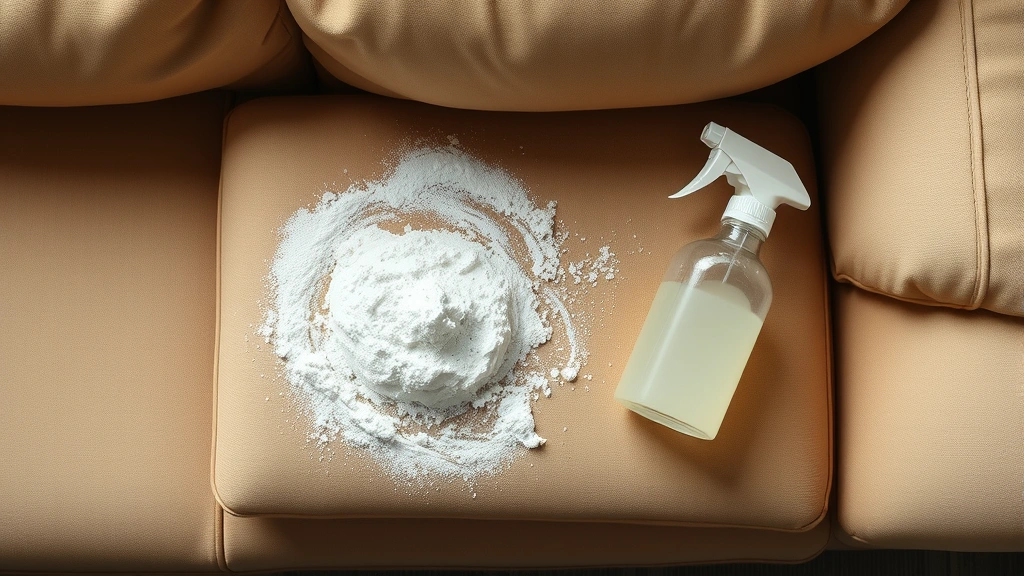
If your couch is a fabric-covered masterpiece or you’re dealing with dog urine smell removal from upholstered furniture that’s been problematic, professional-grade powders offer concentrated enzyme action.
Products like Urine Gone or Feline Enzymatic Powder are designed to penetrate deep into cushion structures. Sprinkle them on, let them sit overnight, and vacuum thoroughly. These tend to be more potent than liquid cleaners because they’re more concentrated.
Method 5: The Steam Cleaning Method (For Deep Cleaning)
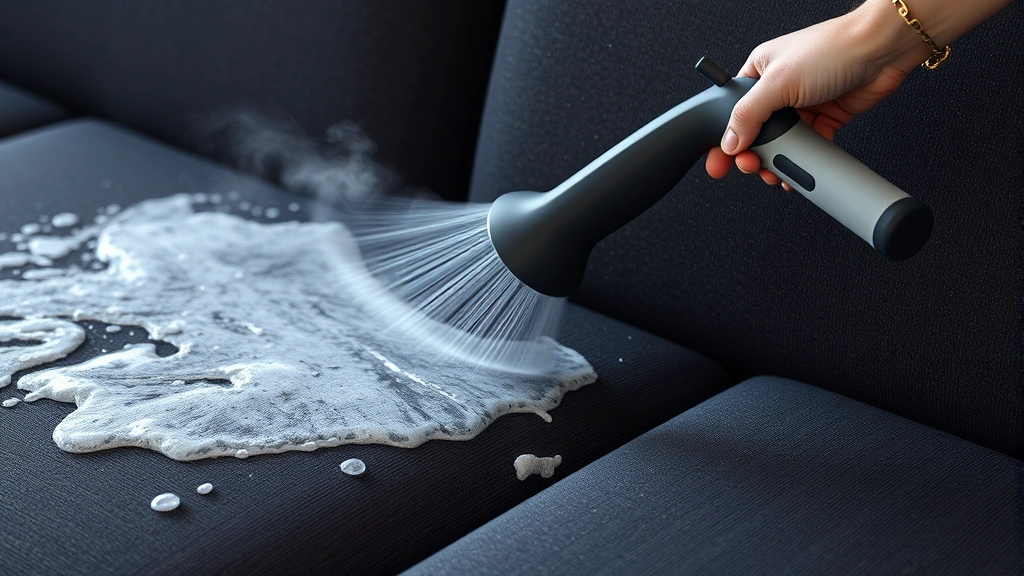
Sometimes you need to bring in the heavy artillery. Renting or purchasing a carpet/upholstery steam cleaner can reach deep into couch cushions where surface cleaning can’t touch.
Pro tips for steam cleaning:
- Use a steam cleaner designed for upholstery, not just carpets
- Add an enzymatic cleaner to the water reservoir if possible
- Work in small sections, allowing time for the cleaner to penetrate
- Extract thoroughly to remove all moisture
- Dry completely with fans and open windows to prevent mildew
This method is ideal for couches where multiple accidents have occurred or when you’re dealing with older, set-in stains. You can rent professional equipment from hardware stores for $30-50 per day.
Prevention: Stop Future Accidents Before They Happen
Once you’ve conquered the current odor crisis, let’s talk prevention. The best solution is stopping accidents before they happen. Consider consulting resources about what not to feed your dog, as certain foods can increase urination frequency and urgency.
If your dog is having frequent accidents, it might be worth scheduling a virtual vet consultation for diet questions to rule out underlying health issues like UTIs or diabetes. You can also explore telehealth vet appointments for quick professional guidance.
Other prevention strategies include:
- Regular potty breaks (especially for puppies and senior dogs)
- Limiting water intake before bedtime
- Using puppy pads or protective couch covers
- Crate training to encourage bladder control
- Reducing pet waste impact through better management practices
Understanding Why Your Dog Is Marking Territory
If your dog keeps returning to the same spot on the couch, they’re likely picking up on residual scent markers. This is why completely eliminating the odor is so important—even faint traces can encourage repeat offenses. Dogs have an incredible sense of smell and can detect urine odors that are completely imperceptible to humans.
Make sure you’re using products strong enough to completely neutralize the scent, not just cover it up. This is where enzymatic cleaners really shine.
Protective Measures for Future Peace of Mind
Once your couch is clean, consider investing in preventative measures:
- Waterproof couch covers: These can be easily removed and washed
- Furniture protectant sprays: Create a barrier that’s harder for urine to penetrate
- Washable throws: Layer your couch with blankets that can be quickly laundered
- Pet-specific furniture: Some couches are designed with pet owners in mind
When to Call in the Professionals
If you’ve tried multiple methods and the smell persists, it’s time to call professional upholstery cleaners. They have industrial-grade equipment and commercial-strength enzymatic cleaners that can penetrate deeper than DIY methods. According to the PetMD guidelines, professional cleaning is sometimes necessary when urine has saturated cushion foam.
Professional cleaners can also identify whether the smell has reached the couch frame or internal structure, which would require more extensive treatment or replacement.
Summary: Your Action Plan
Getting dog urine smell out of couch requires a multi-pronged approach. Start with enzymatic cleaners for the best results, follow up with baking soda and vinegar if needed, and don’t hesitate to use hydrogen peroxide or steam cleaning for stubborn cases. The key is acting quickly and completely neutralizing the odor rather than just masking it.
Remember that prevention is always better than cure. Work with your vet to rule out medical issues, establish a consistent potty schedule, and consider protective furniture covers. With patience and the right products, your couch will smell fresh again—and you’ll be able to sit down without wincing.
Frequently Asked Questions
How long does it take to get dog urine smell out of a couch?
It depends on the method and how set-in the smell is. Enzymatic cleaners typically need 24-48 hours to work effectively. The baking soda and vinegar method takes about 2-3 hours plus drying time. Professional steam cleaning usually takes 1-2 hours but may require follow-up treatments for older stains.
Will vinegar completely remove dog urine odor?
Vinegar can help neutralize odors and works well for fresh accidents, but it’s not as effective as enzymatic cleaners for deep-set smells. For best results, combine it with baking soda or follow it up with an enzymatic cleaner.
Can I use regular carpet cleaner on my couch?
Some carpet cleaners work on upholstery, but you should always check the label. Upholstery is more delicate than carpet, and certain products can damage fabric or leave residue. It’s better to use products specifically formulated for upholstered furniture.
Is the smell gone if I can’t smell it anymore?
Not necessarily. Human noses are far less sensitive than dog noses. Your pup can still detect urine odors that you can’t, which is why they might keep returning to the spot. This is why enzymatic cleaners that completely break down uric acid are so important.
What if the couch cushions are removable?
Lucky you! Remove the cushion covers and wash them separately. For the cushion foam itself, apply enzymatic cleaner, let it soak, and then wrap in plastic for 24-48 hours before unwrapping and air drying. This allows the enzyme to fully penetrate the foam.
Can I use bleach to kill the smell?
Avoid bleach on upholstered couches. It can damage fabric, create toxic fumes when mixed with urine, and doesn’t actually eliminate the uric acid crystals—it just kills surface bacteria. Enzymatic cleaners are a much safer and more effective choice.





