
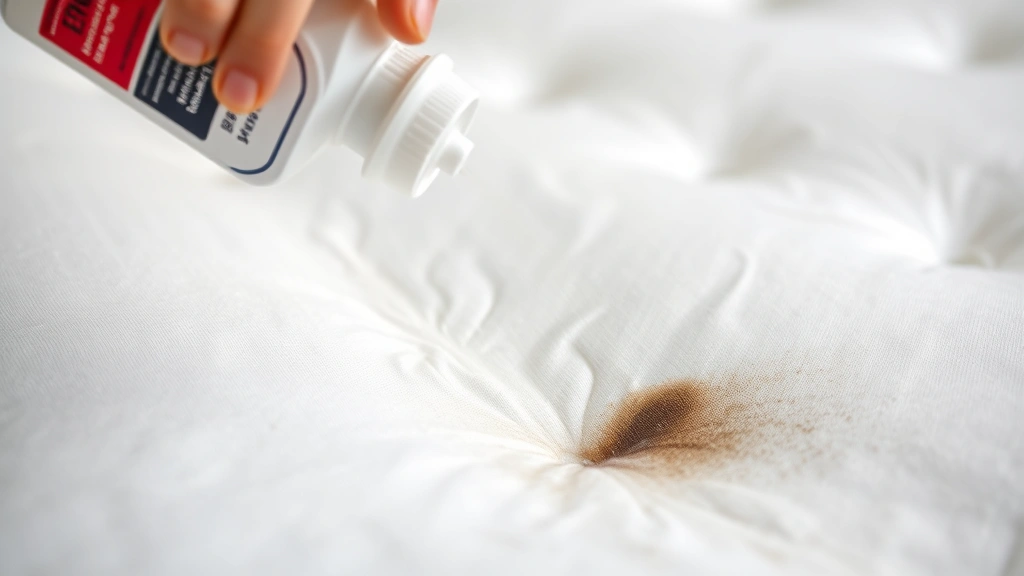
How to Get Dog Wee Out of a Mattress: Expert Tips
Nothing quite ruins a good night’s sleep like discovering your beloved pooch has had an accident on your mattress. Whether it’s a puppy still learning house training, an older dog with incontinence issues, or a middle-aged pup marking territory, dog urine on your mattress is a frustrating problem that many pet owners face. The good news? It’s absolutely fixable, and we’re here to walk you through the entire process with proven methods that actually work.
Dog urine doesn’t just leave a wet spot—it seeps deep into mattress layers, creating stubborn stains and lingering odors that seem impossible to eliminate. The ammonia in urine can penetrate through fabric, foam, and springs, making surface cleaning alone completely ineffective. But don’t panic! With the right approach, knowledge, and a bit of elbow grease, you can restore your mattress and say goodbye to that pungent smell for good.
In this comprehensive guide, we’ll explore everything from immediate cleanup strategies to long-term prevention methods. We’ll also help you understand why your dog might be having accidents in the first place, because sometimes the best solution starts with addressing the root cause.
Immediate Action: First Steps After the Accident
The moment you discover dog urine on your mattress, time is of the essence. Fresh urine is significantly easier to remove than urine that’s been sitting for hours or days. Here’s what you need to do immediately:
Blot, Don’t Rub: Using clean paper towels or cloth, gently blot the affected area to absorb as much liquid as possible. Press firmly but avoid rubbing, which can push the urine deeper into the mattress fibers. Work from the outside edges toward the center to prevent spreading the stain.
Assess the Damage: Check how deep the urine has penetrated. If it’s only on the surface, you’re in luck. If it’s soaked through to multiple layers, you’ll need a more aggressive approach. Some mattresses have protective covers that can help contain the damage—check yours.
Ventilate the Area: Open windows and turn on fans immediately. Fresh air circulation helps prevent odors from settling into your mattress and surrounding furniture. If possible, move your mattress to a well-ventilated area or position it upright temporarily.
Once you’ve handled the initial blotting, resist the urge to use hot water, as heat can actually set urine stains and odors permanently. Instead, move on to targeted cleaning methods.
Why Enzymatic Cleaners Are Your Best Friend
Here’s the dirty truth about regular cleaners: they don’t actually break down urine. They just mask the smell temporarily. Enzymatic cleaners, however, are specifically designed to break down the chemical compounds in dog urine—primarily uric acid crystals and urea. This is why they’re considered the gold standard for pet accidents.
How Enzymatic Cleaners Work: These products contain live enzymes that literally digest the organic compounds in urine. Unlike chemical cleaners that simply dissolve stains, enzymes actually eliminate the source of the odor at a molecular level. This means the smell won’t return when humidity increases or as the mattress ages.
Top Enzymatic Cleaner Options: Look for products specifically formulated for pet urine. Some popular choices include Nature’s Miracle, Rocco & Roxie, and Rockin’ Green. Our detailed guide on getting dog pee out of mattresses includes specific product recommendations based on effectiveness and value.
Application Tips: Always follow the product instructions carefully. Generally, you’ll want to spray the enzymatic cleaner generously over the affected area, ensuring it penetrates deep into the mattress. Let it sit for the recommended time—usually 12-24 hours—to allow the enzymes to work their magic. The longer it sits, the more effective it becomes.
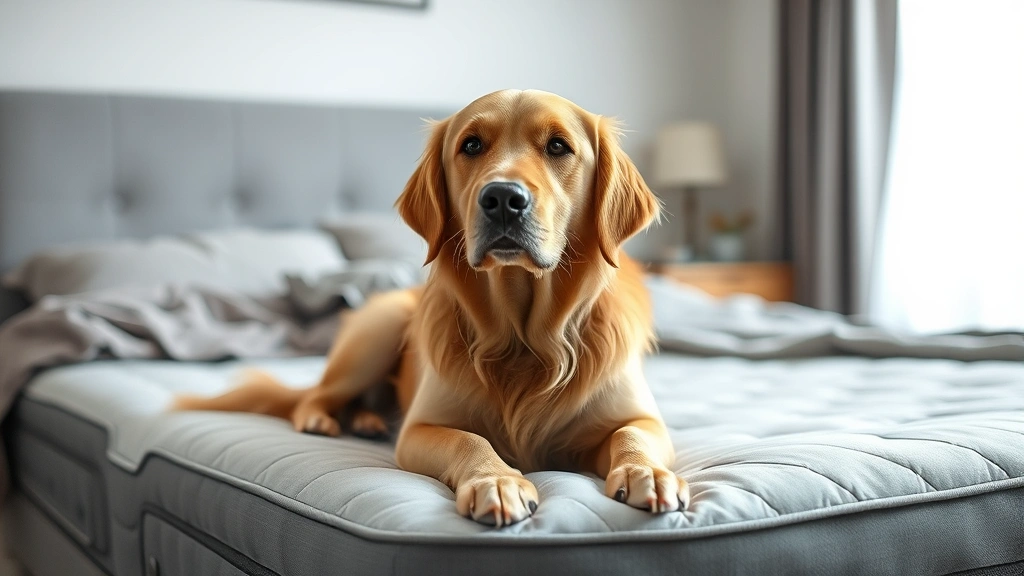
Deep Cleaning Methods That Actually Work
For stubborn or old stains, you’ll need to combine multiple cleaning methods. Here are several proven techniques:
The Vinegar and Baking Soda Method: This classic combination is incredibly effective for both stain removal and odor elimination. Mix equal parts white vinegar and water in a spray bottle. Spray the affected area thoroughly, then sprinkle baking soda generously over the top. Let it sit for 5-10 minutes, then use a brush to work the baking soda into the mattress fibers. Vacuum up the baking soda thoroughly. This method is budget-friendly and uses household items you probably already have.
The Hydrogen Peroxide Approach: For white or light-colored mattresses, hydrogen peroxide can be highly effective. Mix one part 3% hydrogen peroxide with one part dish soap and two parts water. Spray this solution on the stain and let it sit for 10-15 minutes. Blot thoroughly with clean cloths. Be cautious with this method on colored mattresses as it may cause bleaching.
The Enzymatic Plus Method: Combine enzymatic cleaners with other techniques for maximum effectiveness. First, apply your enzymatic cleaner and let it sit for 24 hours. Then, follow up with the vinegar and baking soda method. This one-two punch tackles the problem from multiple angles.
Professional Carpet Cleaning Equipment: Consider renting a carpet cleaning machine from your local hardware store. These machines can inject cleaning solution deep into your mattress and extract moisture, which is far more effective than hand-cleaning alone. Use an enzymatic cleaner in the machine for best results.
If your dog continues to have accidents, understanding how to stop your dog from peeing in the house is essential for preventing future mattress damage.
The Critical Drying Process
Many people make the mistake of thinking their job is done once they’ve cleaned the mattress. However, improper drying can lead to mold growth, mildew, and persistent odors. Here’s how to dry your mattress correctly:
Air Drying: The best method is natural air drying. Position your mattress upright or at an angle in a well-ventilated area, ideally outdoors on a sunny day. Sunlight is a natural disinfectant and deodorizer. If possible, place it where it receives direct sun for several hours.
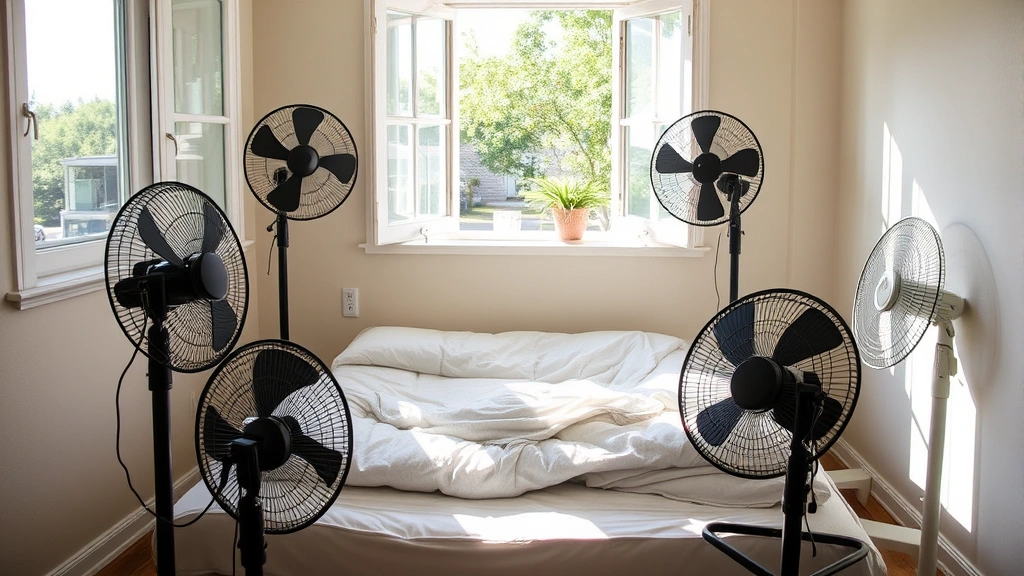
Use Multiple Fans: Position multiple fans around the mattress to increase air circulation. Box fans are particularly effective. Aim for 24-48 hours of fan drying after cleaning.
Dehumidifier: If you’re in a humid climate or can’t move the mattress outdoors, use a dehumidifier in the room. This extracts moisture from the air and helps your mattress dry faster.
Avoid Heat: Don’t use a hair dryer or heat gun. Direct heat can set stains and odors permanently into the mattress fibers.
Moisture Check: Before allowing anyone to sleep on the mattress again, press your hand firmly against different areas. If you feel any dampness, continue drying. A damp mattress is an invitation for mold and mildew.
Eliminating Stubborn Odors
Even after cleaning and drying, some mattresses retain a faint urine smell. Here are advanced techniques for odor elimination:
Activated Charcoal: Sprinkle activated charcoal powder over the entire mattress surface and let it sit for 24-48 hours. Charcoal is highly porous and absorbs odors effectively. Vacuum thoroughly afterward.
Baking Soda Soak: For persistent odors, generously cover your entire mattress with baking soda and let it sit for 48 hours. This requires patience, but it’s incredibly effective. Vacuum thoroughly in multiple passes to ensure all powder is removed.
Essential Oil Spray: Once your mattress is completely dry, create a light spray using water and a few drops of lavender or lemon essential oil. Spray lightly over the surface for a fresh scent. Avoid over-saturating, as you don’t want to re-wet the mattress.
Mattress Protector: Invest in a waterproof mattress protector for future protection. These are game-changers for pet owners and can be easily removed and washed.
Sometimes urine accidents indicate underlying health issues. If your dog has sudden changes in bathroom habits, check out our article on why your dog might be peeing blood or learn about treating dog UTI at home.
Prevention Strategies for the Future
The best solution is prevention. Here’s how to keep your mattress accident-free:
Waterproof Mattress Protectors: These are non-negotiable for pet owners. Quality protectors are completely waterproof while remaining breathable and comfortable. They’re easy to remove and wash, and they’ll save your mattress from damage.
Establish a Bathroom Routine: Take your dog out first thing in the morning, after meals, before bedtime, and several times throughout the day. A consistent schedule reduces accidents significantly.
Crate Training: Dogs naturally avoid soiling their sleeping area. Proper crate training encourages your dog to hold their bladder until they’re let outside. This is particularly effective for puppies and newly adopted dogs.
Address Underlying Issues: If your adult dog suddenly starts having accidents, consult your veterinarian. Issues like urinary tract infections, diabetes, or incontinence require medical attention. Learn more about treating UTIs at home to understand what signs to watch for.
Behavioral Training: If your dog is marking territory or having anxiety-related accidents, work with a professional dog trainer. Understanding how to stop your dog from peeing in the house might involve behavioral modifications.
Regular Cleaning Schedule: Even with protection, establish a regular mattress cleaning routine. Vacuum your mattress monthly and spot-clean any accidents immediately.
When It’s Time to Replace Your Mattress
Sometimes, despite your best efforts, a mattress is too far gone. Consider replacement if:
- The urine has soaked through multiple layers and the smell persists after professional cleaning
- Your mattress is already old or showing signs of wear
- Mold or mildew has developed (a health hazard you shouldn’t ignore)
- The stain covers a large percentage of the mattress surface
- You’re experiencing allergic reactions or respiratory issues
When shopping for a new mattress, consider pet-friendly options specifically designed to resist stains and odors. Some manufacturers now create mattresses with enhanced protection for pet owners. Additionally, investing in a high-quality waterproof protector is as important as protecting your couch from accidents.
For related cleaning challenges, check out our guide on cleaning dog poop out of carpet, which covers similar deep-cleaning techniques.
Frequently Asked Questions
How long does it take to remove dog urine smell from a mattress?
The timeline depends on the severity and your cleaning method. Fresh accidents can be resolved in 24-48 hours with enzymatic cleaners. Old, deep-set stains may require 5-7 days of treatment with multiple cleaning methods. Professional equipment can sometimes accelerate the process. The key is allowing adequate drying time—rushing this step will trap odors inside the mattress.
Can I use regular carpet cleaner on my mattress?
While some carpet cleaners might work, they’re not formulated for mattress materials and may damage the foam or springs. Always use products specifically designed for mattresses or upholstery. Enzymatic cleaners formulated for pet urine are your best bet, as they’re safe for all mattress types and specifically target urine compounds.
Will baking soda alone remove dog urine?
Baking soda is excellent for odor absorption but won’t completely eliminate urine stains or the underlying urine compounds. It works best as part of a comprehensive cleaning approach, combined with enzymatic cleaners or vinegar solutions. Using baking soda alone may mask the smell temporarily while the urine remains in the mattress.
Is it safe to sleep on a mattress while it’s drying after cleaning?
No, you should wait until the mattress is completely dry. Sleeping on a damp mattress can cause mold and mildew growth, which poses health risks. Additionally, your body heat and moisture can trap odors in the mattress. Wait at least 24-48 hours after cleaning, depending on humidity and ventilation.
What if the urine has soaked through to the box spring?
This is a more serious situation. You’ll need to clean both the mattress and the box spring separately using enzymatic cleaners. The box spring may be harder to dry thoroughly. If the smell persists, you may need to replace the box spring. Using a waterproof mattress protector now will prevent this problem in the future.
Can I use bleach to clean dog urine from my mattress?
Bleach is not recommended for mattresses. It can damage the fabric, foam, and springs, and it doesn’t actually break down urine compounds. Additionally, mixing bleach with urine creates toxic fumes. Stick with enzymatic cleaners, vinegar solutions, or hydrogen peroxide on light-colored mattresses instead.
Why does my dog keep having accidents on the bed?
Multiple reasons could explain this behavior: medical issues like UTIs or incontinence, incomplete house training, anxiety, marking territory, or simply that your dog enjoys the comfort. Consult your veterinarian to rule out health issues first. According to the American Kennel Club, behavioral issues often require professional training intervention alongside medical evaluation.
How can I tell if my mattress is permanently damaged?
If after thorough cleaning and drying the smell returns, or if you see discoloration that won’t fade, your mattress may be permanently damaged. Mold or mildew growth, sagging, or lumping in the affected area also indicate permanent damage. At that point, replacement is your best option.





