

If you’re wondering how to get dogs to stop digging, you’re not alone—this is one of the most frustrating behaviors dog owners face. Whether your pup has turned your backyard into a moonscape or they’re excavating under the fence like they’re training for an escape artist competition, we’ve got solutions that work.
Table of Contents
- Why Dogs Dig in the First Place: Understanding the Root Cause
- Solution 1: Create a Designated Digging Zone
- Solution 2: Address Anxiety and Stress-Related Digging
- Solution 3: Increase Physical Exercise and Mental Stimulation
- Solution 4: Make Digging Uncomfortable (Humanely)
- Solution 5: Manage Environmental Factors
- Breed-Specific Digging Tendencies: Know Your Dog
- Training Techniques: Teaching the “Leave It” Command
- When to Seek Professional Help
- Nutrition and Overall Health Impact
- Patience and Consistency: The Real Secret Sauce
- Frequently Asked Questions
- Summary: Your Action Plan for Stopping Dog Digging
Why Dogs Dig in the First Place: Understanding the Root Cause
Before you can tackle how to stop your dog from digging, you need to understand why they’re doing it. Dogs aren’t trying to ruin your landscaping out of spite (though it sure feels that way). Digging is a natural canine behavior rooted in their ancestry. Wolves and wild dogs dig to create dens, bury food, and regulate body temperature. Your golden retriever isn’t that different—they’re just working with a suburban backyard instead of the tundra.
Some dogs dig because they’re bored, anxious, or seeking attention. Others do it to escape the heat or cold. Certain breeds, like terriers and dachshunds, have an especially strong prey drive that makes them want to dig for small animals. Understanding your dog’s motivation is half the battle in solving this problem.
Solution 1: Create a Designated Digging Zone
Instead of fighting your dog’s natural instinct, give them a legal place to dig. This is one of the most effective ways to redirect unwanted digging behavior. Set up a sandbox or designated area in your yard where digging is encouraged and rewarded.
Fill it with soft soil or sand and bury toys, treats, or chew toys inside. When your dog digs in the approved zone, praise them enthusiastically and offer rewards. When they dig elsewhere, calmly redirect them to their designated spot. Consistency is key here—everyone in your household needs to enforce the same boundaries.
This approach works because you’re not suppressing the behavior; you’re channeling it productively. Your dog still gets to satisfy their digging urge, and your flower beds stay intact. It’s a win-win.
Solution 2: Address Anxiety and Stress-Related Digging
Many dogs dig excessively when they’re anxious or stressed. If your dog is digging near doors, windows, or fence lines, they might be experiencing separation anxiety or feeling threatened. Look for other signs like destructive chewing, excessive barking, or pacing.
If anxiety is the culprit, consider these interventions: increase exercise, create a safe space indoors, and consult your vet about anxiety management options. You might also explore calming foods for anxious pets that can help reduce stress naturally. In some cases, virtual vet consultation for diet questions can provide personalized recommendations for your dog’s specific anxiety triggers.
A consistent routine, puzzle toys, and mental stimulation can work wonders. Some dogs benefit from calming supplements, but always check with your veterinarian first.
Solution 3: Increase Physical Exercise and Mental Stimulation
Boredom is a major reason dogs dig. A tired dog is a well-behaved dog, as the saying goes. If your pup isn’t getting enough exercise, they’ll find ways to entertain themselves—usually by destroying your yard.
Aim for at least 30-60 minutes of physical activity daily, depending on your dog’s age and breed. This could include walks, runs, fetch sessions, or dog park visits. But don’t forget mental stimulation too. Interactive toys, puzzle feeders, training sessions, and scent games engage your dog’s brain and tire them out just as much as physical activity.
Dogs that are mentally and physically exhausted are far less likely to engage in destructive behaviors like digging. Plus, the extra exercise is great for their overall health and can help prevent obesity-related issues.
Solution 4: Make Digging Uncomfortable (Humanely)
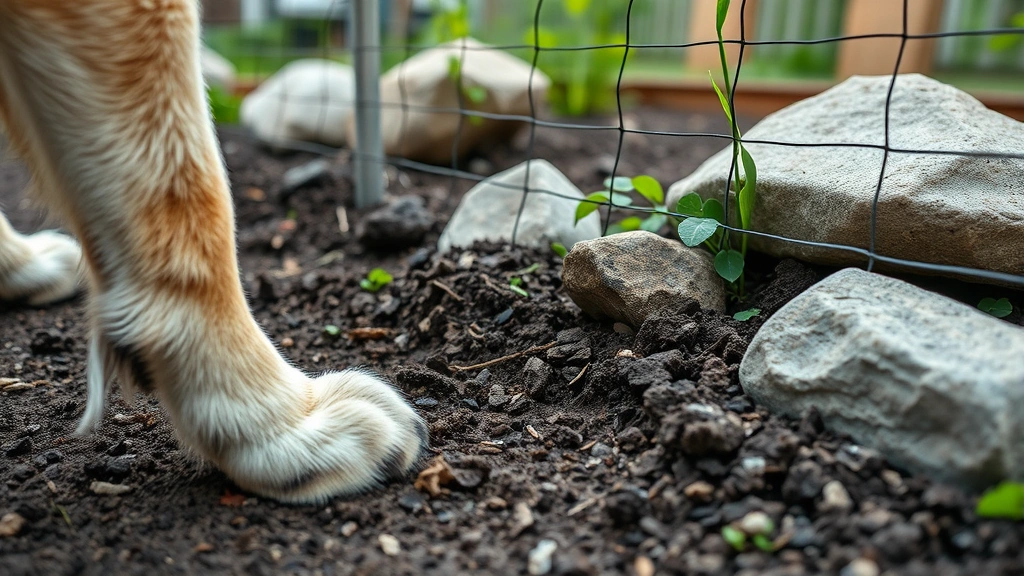
If your dog has favorite digging spots, you can make those areas less appealing without causing harm. Place large rocks, chicken wire, or landscape netting over problem areas. Some people use motion-activated sprinklers that startle dogs when they approach—this works surprisingly well for teaching boundary awareness.
You can also apply pet-safe deterrent sprays to specific areas. These taste bad to dogs and discourage digging without any pain or punishment. The goal is to make digging seem like a bad idea, not to punish your dog for a natural behavior.

This method works best when combined with positive redirection to the designated digging zone. Your dog learns that digging here is unpleasant, but digging there is rewarding.
Solution 5: Manage Environmental Factors
Sometimes dogs dig because they’re too hot or too cold. If your dog is digging to create a cool spot, provide shade and plenty of water. A cooling dog bed in a shaded area can give them a comfortable alternative to digging holes.
During winter, some dogs dig to create warmer microclimates. Ensure your dog has adequate shelter and consider bringing them inside during extreme weather. If your dog spends a lot of time outdoors, make sure they have access to both sunny and shaded areas throughout the day.
Environmental management also means securing your yard. If your dog is digging to escape, check your fence for gaps and ensure it’s secure. Some escape artists need higher fences or buried fencing that extends underground.
Breed-Specific Digging Tendencies: Know Your Dog
Certain breeds are genetically predisposed to digging more than others. Terriers, dachshunds, and other hunting breeds have strong prey drives that make them want to dig for small animals. Huskies and malamutes dig to create cool dens. Understanding your dog’s breed tendencies helps you set realistic expectations and choose appropriate solutions.
If you have a breed with a strong digging instinct, a designated digging zone isn’t optional—it’s essential. You’re not going to eliminate the behavior entirely, but you can redirect it successfully. Accepting this reality makes the training process much less frustrating for both you and your dog.
Training Techniques: Teaching the “Leave It” Command
Teaching your dog a solid “leave it” command is invaluable for managing digging behavior. This command tells your dog to stop what they’re doing and focus on you instead. Start training in a low-distraction environment with high-value treats as rewards.
Once your dog understands the command indoors, practice it in the yard near their favorite digging spots. When they start to dig, say “leave it” and immediately reward them for complying. This creates a positive association with stopping the behavior.
Consistency is crucial. Every family member needs to use the same command and reward system. If one person allows digging while another punishes it, your dog will be confused and progress will be slow.
When to Seek Professional Help
If your dog’s digging is severe, compulsive, or accompanied by other behavioral issues, it’s time to call in a professional. A certified dog trainer or veterinary behaviorist can assess your dog’s specific situation and create a customized plan.
Excessive digging can sometimes indicate underlying health issues like parasites, allergies, or pain. If your dog suddenly starts digging more than usual, schedule a vet checkup. Use remote pet health monitoring to track behavioral changes and discuss them with your veterinarian.
Nutrition and Overall Health Impact
A healthy dog with proper nutrition is more likely to have stable behavior and fewer stress-related issues. Dogs with nutritional deficiencies or digestive problems may dig more as a way to self-soothe or seek relief. Ensure your dog is eating a high-quality diet appropriate for their age, size, and activity level.
If you’re concerned about your dog’s diet or think nutritional issues might be contributing to digging behavior, consider discussing options with your vet. Immune boosting foods for pets can support overall wellness and may help reduce stress-related behaviors.
Patience and Consistency: The Real Secret Sauce
Here’s the truth: there’s no magic quick fix for digging. The solutions that work require patience, consistency, and commitment. You can’t train your dog for a week and expect permanent results. This is a long-term behavior modification process.
Set realistic timelines. Most dogs respond to consistent training within 2-4 weeks, but some stubborn diggers may take longer. Celebrate small victories and don’t get discouraged by setbacks. Every dog is different, and what works for one might not work for another.
The key is finding the right combination of solutions for your specific dog and sticking with it. Some dogs need mostly exercise and mental stimulation. Others need a combination of environmental management and a designated digging zone. Your job is to figure out what works for your pup and stay consistent.
Frequently Asked Questions
Why does my dog dig holes and cover them up?
Dogs often dig holes and cover them as a way to hide toys, treats, or food for later—a behavior inherited from their wolf ancestors. This is completely normal and doesn’t necessarily indicate a problem. However, if the behavior is excessive or destructive, you may need to implement some of the solutions mentioned above.
Is it normal for dogs to dig in the summer?
Yes, digging in summer is very common. Dogs dig to create cool spots to rest in the earth. Providing adequate shade, fresh water, and a cool place to rest (like a cooling dog bed) can significantly reduce summer digging.
Can punishment stop my dog from digging?
Punishment rarely works for digging and can actually make things worse by increasing anxiety. Dogs don’t understand punishment for behaviors they consider natural and necessary. Positive redirection and environmental management are far more effective approaches.
How long does it take to stop a dog from digging?
Most dogs show improvement within 2-4 weeks of consistent training, but some may take longer. The timeline depends on your dog’s age, breed, temperament, and the underlying cause of the digging. Patience and consistency are essential.
What’s the best way to fill in dog holes?
Fill holes with soil mixed with rocks or chicken wire to make digging there uncomfortable. You can also use motion-activated sprinklers or pet-safe deterrent sprays. The goal is to make the spot unappealing while directing your dog to their designated digging zone instead.
Summary: Your Action Plan for Stopping Dog Digging
Learning how to get dogs to stop digging requires understanding that digging is a natural behavior, not a character flaw. The most effective approach combines multiple strategies: creating a designated digging zone, ensuring adequate exercise and mental stimulation, addressing anxiety if present, and managing environmental factors.
Start by identifying why your dog digs, then implement the solutions that best match their specific situation. Be consistent, be patient, and remember that you’re not trying to eliminate the behavior entirely—you’re redirecting it into acceptable channels.
Every dog is unique, and what works for your neighbor’s lab might not work for your terrier. Don’t be afraid to experiment with different approaches and seek professional help if needed. With dedication and the right strategy, you can absolutely reduce or eliminate destructive digging behavior and enjoy a beautiful, intact backyard once again.





