
If you’re wondering how to get flies off a dog, you’re not alone—and honestly, it’s one of those pet problems that can drive both you and your furry friend absolutely bonkers. Flies buzzing around your dog’s ears, eyes, and rear end aren’t just annoying; they can cause real discomfort and even lead to infections if left unchecked. The good news? There are several effective strategies to kick those pesky insects to the curb and keep your pup fly-free.
Table of Contents
- Why Flies Are Attracted to Dogs in the First Place
- Method 1: Apple Cider Vinegar Spray—The Natural Repellent
- Method 2: Diatomaceous Earth—The Microscopic Warrior
- Method 3: Essential Oil-Based Solutions—Aromatic Defense
- Method 4: Keeping Your Dog Clean and Dry
- Method 5: Fly-Repellent Clothing and Accessories
- Commercial Fly Sprays and Topical Treatments
- Dietary Adjustments to Reduce Fly Attraction
- Environmental Control—Making Your Yard Less Fly-Friendly
- When to Call the Vet: Signs of Fly Strike and Infection
- Creating a Year-Round Fly Prevention Plan
- Frequently Asked Questions
- Summary: Your Action Plan for Fly-Free Dogs
Why Flies Are Attracted to Dogs in the First Place
Before we tackle solutions, let’s understand the enemy. Flies are attracted to dogs for a few pretty gross reasons: body odor, moisture, food residue, and—let’s be real—sometimes feces or other organic matter. If your dog loves rolling in stuff (and what dog doesn’t?), they’re basically sending out a dinner invitation to every fly in a five-mile radius. Dogs with ear issues, skin conditions, or wounds are especially prone to fly problems because these insects zero in on moisture and potential breeding grounds.
Method 1: Apple Cider Vinegar Spray—The Natural Repellent
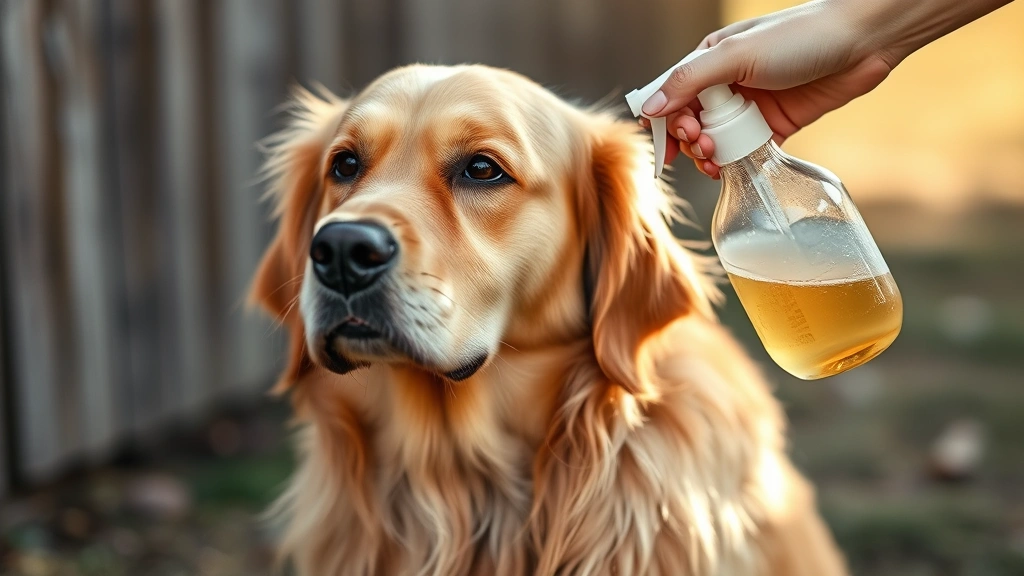
One of the easiest and most budget-friendly ways to repel flies is using apple cider vinegar. The acidic smell is absolutely repulsive to flies but generally harmless to dogs when diluted properly. Mix equal parts apple cider vinegar and water in a spray bottle, then lightly mist your dog’s coat (avoiding the eyes and ears). You can spray this on their bedding too. The smell will fade as it dries, but the fly-repelling properties stick around for a few hours. Reapply every 4-6 hours during peak fly season. This method works best as a preventative measure rather than an emergency solution.

Method 2: Diatomaceous Earth—The Microscopic Warrior
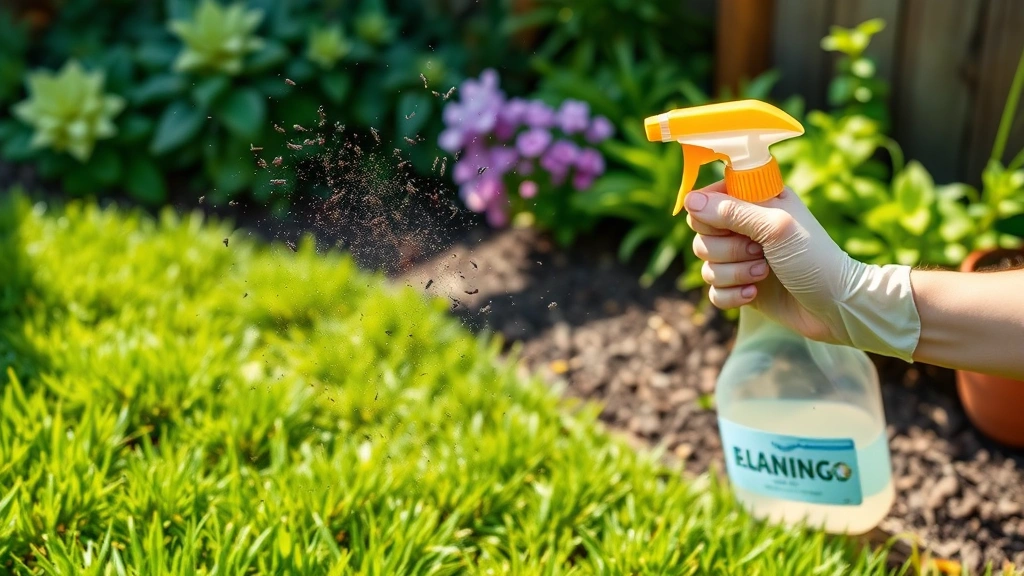
Food-grade diatomaceous earth (DE) is like tiny glass shards to insects but completely safe for dogs when used correctly. This powder works by dehydrating insects on contact. Dust a light coating of food-grade DE onto your dog’s coat, working it gently into the fur (avoid the face and respiratory areas). You can also sprinkle it around your dog’s sleeping area, yard, and anywhere else flies congregate. The key word here is food-grade—pool-grade DE is toxic and should never be used on pets. Reapply after baths or every few days as needed.
Method 3: Essential Oil-Based Solutions—Aromatic Defense
Certain essential oils are natural fly deterrents, though you need to be cautious with application. Lavender, eucalyptus, and peppermint oils are known to repel flies. Never apply essential oils directly to your dog’s skin—always dilute them first. A safe approach: add a few drops of diluted essential oil to a bandana or collar, or mix with a carrier oil and apply to your dog’s bedding. Some pet owners have success with commercial fly-repellent sprays designed for dogs that use essential oil bases. Always check with your vet before using any essential oils, as some dogs are sensitive to them.
Method 4: Keeping Your Dog Clean and Dry
This sounds obvious, but regular baths and grooming are your first line of defense against flies. A clean dog is a less attractive target. Bathe your dog every 2-4 weeks with a quality dog shampoo, and make sure to dry them thoroughly afterward—flies love moisture. Pay special attention to ears, paws, and the rear end, as these are fly hotspots. If your dog has been in water or gets sweaty, dry them off promptly. Additionally, keep your dog’s living area clean by regularly removing feces from the yard, as this is a major fly magnet. Consider applying Neosporin or other protective ointments to any wounds or irritated areas to prevent fly strike (when flies lay eggs on open wounds).
Method 5: Fly-Repellent Clothing and Accessories
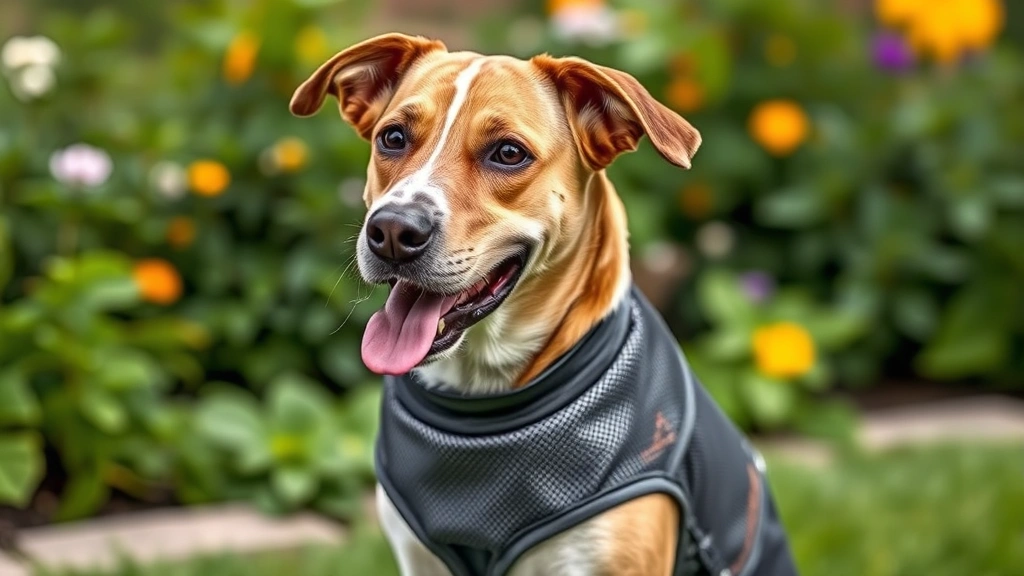
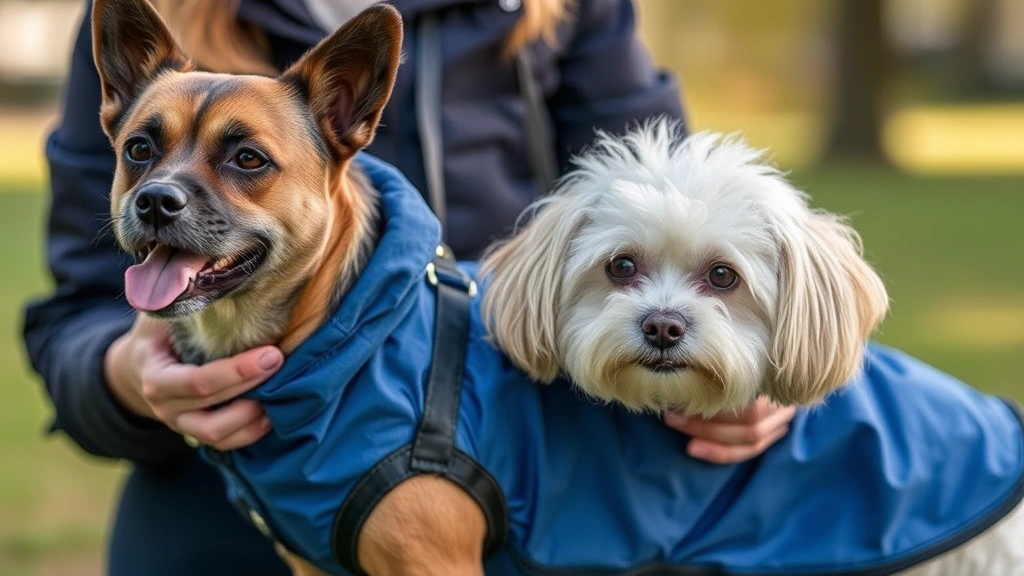
For dogs that spend a lot of time outdoors, fly-repellent clothing and ear covers can be game-changers. Lightweight mesh clothing or specially designed fly masks (yes, they exist!) can physically block flies from accessing vulnerable areas. Some dog owners use bandanas soaked in diluted essential oils or apple cider vinegar around the neck and ears. Fly ear covers are particularly useful for dogs with floppy ears or a history of ear problems. These aren’t fashion statements—they’re functional protection against persistent fly problems.
Commercial Fly Sprays and Topical Treatments
If natural methods aren’t cutting it, prescription and over-the-counter fly sprays designed specifically for dogs can be effective. Products like pyrethrin-based sprays are safe for dogs when used as directed and work quickly to kill flies on contact. Some vets recommend topical treatments that repel insects as part of a broader parasite prevention plan. Always read labels carefully and consult your veterinarian before using any chemical products, especially if your dog has sensitive skin or existing health conditions. According to the American Kennel Club, always choose products specifically formulated for dogs rather than those meant for humans or other animals.
Dietary Adjustments to Reduce Fly Attraction
What your dog eats can actually influence how attractive they are to flies. Dogs that eat high-quality diets with proper nutrition tend to have healthier skin and coat, which is less appealing to insects. Conversely, poor nutrition can lead to skin issues that attract flies. Consider incorporating anti-inflammatory foods for pets into your dog’s diet to support skin health. Omega-3 fatty acids from fish oil are particularly beneficial for maintaining a healthy skin barrier. Some pet owners also swear by adding a small amount of garlic or brewer’s yeast to their dog’s food as a natural insect repellent, though you should consult your vet about appropriate amounts.

Environmental Control—Making Your Yard Less Fly-Friendly
Since flies breed in organic matter, controlling your environment is crucial. Remove feces from your yard daily, keep compost bins sealed and away from your dog’s area, and eliminate standing water where flies might breed. Keep your trash cans tightly covered and consider using fly traps or sticky papers in areas where your dog spends time. If you have a garden, proper waste management and composting techniques can significantly reduce the fly population. A well-maintained yard is less hospitable to flies and other insects, making it safer and more pleasant for your pup.
When to Call the Vet: Signs of Fly Strike and Infection
While most fly problems are just annoying, some situations require professional veterinary care. Fly strike—when flies lay eggs on your dog’s skin—can lead to serious infections and maggot infestations. Signs include excessive scratching, open wounds, foul odor, lethargy, or visible maggots. If your dog has existing wounds, ear infections, or skin conditions, flies can make things significantly worse. According to PetMD, any signs of infection, swelling, or unusual discharge warrant an immediate vet visit. Your veterinarian can prescribe antibiotics, anti-inflammatory medications, and professional treatments to prevent complications.

Creating a Year-Round Fly Prevention Plan
The best approach to fly management is prevention rather than reaction. During peak fly season (typically late spring through early fall), implement multiple preventative measures simultaneously. Maintain regular grooming, use repellent sprays or essential oil treatments, keep your yard clean, and monitor your dog daily for signs of fly problems. For dogs with chronic issues or those living in particularly fly-prone areas, discuss long-term prevention strategies with your vet. Some dogs benefit from year-round parasite prevention medications that also repel flies.
Frequently Asked Questions
Is it safe to use fly spray on my dog every day?
Most dog-safe fly sprays can be used daily, but it depends on the specific product. Always follow label instructions and consult your vet if you’re using any treatment daily. Some products are designed for frequent use, while others should be applied less often. Never exceed recommended dosages or frequency.
Can flies actually hurt my dog?
While a few flies buzzing around are mostly just annoying, they can cause real harm. Flies can transmit diseases, cause infections in open wounds, and in severe cases, lead to fly strike (myiasis), which is a serious medical condition. Dogs with existing skin problems or wounds are at higher risk.
What’s the fastest way to get flies off my dog right now?
If you need immediate relief, use a commercial fly spray designed for dogs or give your dog a quick bath followed by thorough drying. You can also use a damp cloth to gently wipe away flies and apply apple cider vinegar spray. For stubborn cases, a veterinary visit might be necessary to rule out underlying conditions attracting the flies.
Are essential oils safe for dogs?
Some essential oils are safe for dogs when properly diluted, but others can be toxic. Never apply essential oils directly to your dog’s skin without dilution, and always consult your vet first. Oils like tea tree, citrus, and eucalyptus can be problematic for some dogs, especially those with respiratory sensitivities.
How can I prevent flies from coming back?
Combine multiple prevention strategies: maintain good hygiene, keep your yard clean, use repellent treatments, manage moisture, and consider dietary adjustments. Regular grooming and prompt wound care are essential. Environmental control—removing breeding grounds—is equally important as treating your dog directly.
Can I use human insect repellent on my dog?
No, you should never use human insect repellents on dogs. Products containing DEET or other chemicals safe for humans can be toxic to dogs. Always use products specifically formulated for canines, and check with your vet if you’re unsure about any product’s safety.
Summary: Your Action Plan for Fly-Free Dogs
Getting flies off your dog doesn’t require complicated solutions—it’s all about combining prevention with effective treatment. Start with the basics: keep your dog clean and dry, maintain a tidy yard, and use natural repellents like apple cider vinegar or diatomaceous earth. For persistent problems, consider commercial fly sprays or topical treatments approved by your vet. Don’t overlook environmental control and dietary factors, as these play significant roles in fly attraction. Most importantly, monitor your dog regularly for signs of fly-related problems and don’t hesitate to contact your veterinarian if you notice anything concerning. With these proven methods in your arsenal, you can keep your pup comfortable and fly-free all season long. Your dog will thank you—probably by giving you fewer annoyed head shakes and ear twitches!





