

Learning how to get mats out of a dog’s hair is one of those essential pet parent skills that can save you hundreds in grooming bills and keep your furry friend comfortable. If you’ve ever run your fingers through your dog’s coat and felt those pesky tangles, you know they’re not just a cosmetic issue—mats can trap moisture, harbor bacteria, and cause serious skin irritation. The good news? You don’t need a professional groomer to tackle most mats yourself, though we’ll definitely talk about when to call in reinforcements.
Table of Contents
- Why Your Dog Gets Mats in the First Place
- Method 1: The Preventative Brush Approach
- Method 2: The Detangling Spray Technique
- Method 3: The Dematting Comb Strategy
- Method 4: The Scissor Separation Method
- Method 5: The Professional Groomer Route
- Understanding Dog Coat Types and Matting Risk
- The Role of Nutrition in Coat Health
- Drying Techniques That Prevent Mats
- When to Seek Veterinary Help
- Tools You Actually Need for Mat Removal
- Frequently Asked Questions
- Conclusion: Making Mat Management Part of Your Routine
Why Your Dog Gets Mats in the First Place
Before we dive into the removal methods, let’s understand why mats happen. Dogs with longer coats—think Golden Retrievers, Doodles, and Shih Tzus—are mat magnets. But even short-haired pups can develop them, especially in high-friction areas like behind the ears, under the armpits, and around the rear end. Moisture is a mat’s best friend. When your dog gets wet and doesn’t dry completely, or if they’re sweating from summer heat, those damp hairs start bonding together like they’re plotting world domination. Poor nutrition, lack of regular brushing, and shedding that doesn’t get combed out also contribute to matting issues.
Method 1: The Preventative Brush Approach
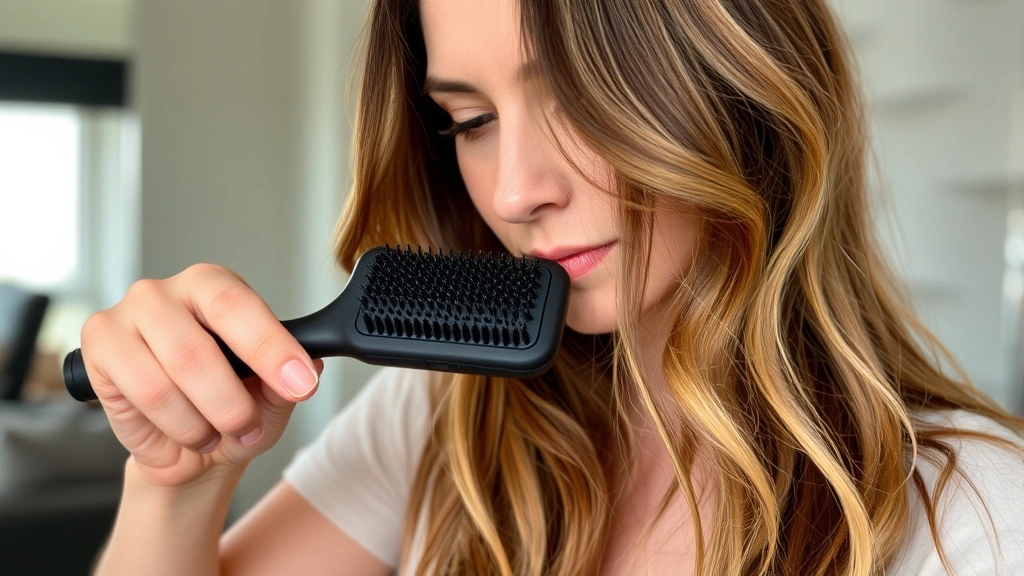
The easiest way to deal with mats is to prevent them from forming in the first place. Regular brushing—and we’re talking daily for long-coated breeds—keeps loose hair from tangling into knots. Invest in a good slicker brush and a metal comb. Start from the skin and brush outward in the direction of hair growth. Pay special attention to areas prone to matting. This method works best for mild tangles before they become full-blown mats. If your dog is already showing signs of matting, consistent daily brushing can help prevent new ones while you work on removing existing ones. A cooling dog bed can also help reduce excessive sweating and moisture buildup during warmer months.

Method 2: The Detangling Spray Technique
Detangling sprays are absolute game-changers for mat removal. Products specifically formulated for dogs work by lubricating the hair fibers, making them easier to separate. Spray the mat generously and let it sit for a few minutes—patience is key here. Then, using a slicker brush or metal comb, gently work from the outer edges of the mat inward, gradually breaking it apart. Never pull aggressively; you’ll only cause pain and potentially damage your dog’s skin. Start with light pressure and increase gradually. For stubborn mats, reapply the spray and wait longer. Some people swear by mixing a little conditioner with water in a spray bottle for a budget-friendly alternative.

Method 3: The Dematting Comb Strategy
A dematting comb (also called a mat splitter) is a specialized tool with short, sharp blades designed specifically for cutting through mats without harming the surrounding coat. Position the comb parallel to the skin and gently saw through the mat. The key word here is “gently”—you’re trying to break up the mat, not give your dog an accidental haircut or worse, a skin wound. Work slowly and methodically. This method is particularly effective for dense, tight mats that won’t budge with brushing alone. After using the dematting comb, follow up with your detangling spray and regular brushing to remove the loosened pieces.
Method 4: The Scissor Separation Method
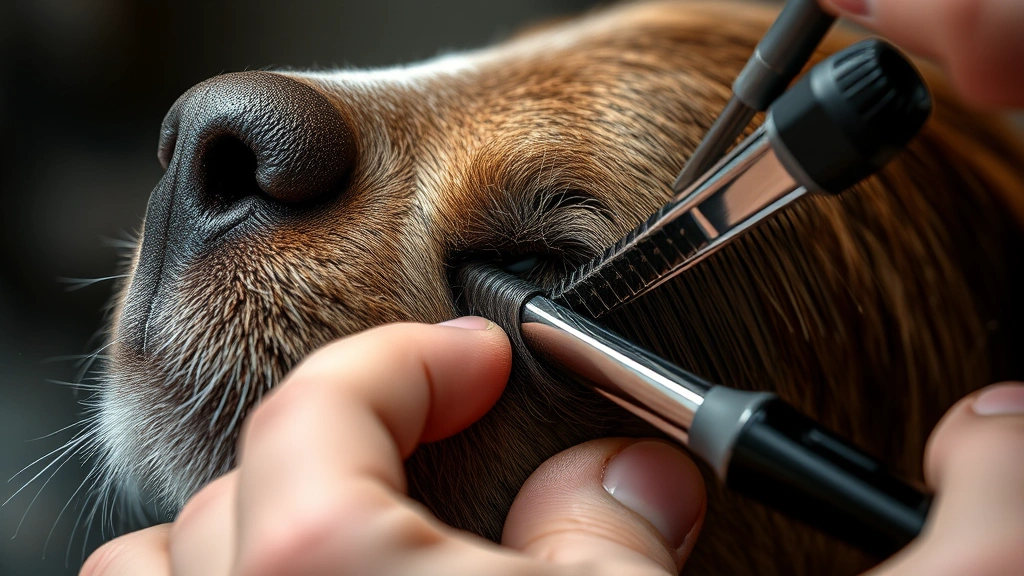
For severe matting, blunt-tipped scissors designed for pet grooming can help. Place the scissor blade parallel to the skin and carefully cut into the mat, creating sections. Then use your brush to work those sections apart. This requires a steady hand and patience—one wrong move and you could accidentally cut your dog’s skin, which is way more common than you’d think. If you’re not confident with scissors, skip this method and move to professional help. Always use pet-specific scissors, never human hair scissors, and never cut perpendicular to the skin.
Method 5: The Professional Groomer Route
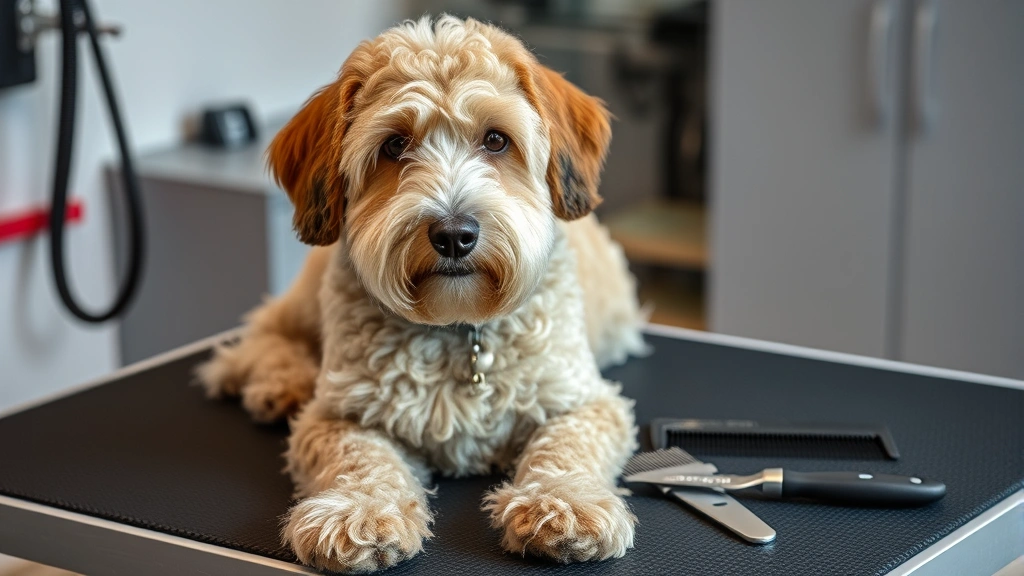
Sometimes mats win, and that’s okay. If you’re dealing with severe, widespread matting that’s close to the skin, causing your dog pain, or if your pup simply won’t tolerate home removal attempts, it’s time to call a professional groomer. They have specialized equipment, experience, and the ability to safely remove mats without causing injury. Yes, it costs money, but it’s worth it for your dog’s comfort and health. Many groomers can also recommend pet nutrition advice to improve coat quality and reduce future matting.
Understanding Dog Coat Types and Matting Risk
Different coat types have different matting tendencies. Double-coated breeds like German Shepherds and Labs shed constantly, and if that undercoat isn’t properly brushed out, it mats like crazy. Curly and wavy coats (think Poodles and Doodles) are matting superstars—the texture naturally encourages tangles. Silky coats can mat too, especially when wet. Understanding your dog’s coat type helps you develop an appropriate grooming routine. Long-haired breeds need daily attention, while short-haired dogs might get away with weekly brushing.

The Role of Nutrition in Coat Health
Here’s something many dog owners overlook: a healthy coat starts from the inside. Dogs with poor nutrition often have dull, brittle hair that mats more easily. Adequate protein, omega-3 and omega-6 fatty acids, and proper hydration all contribute to coat quality. If your dog is prone to matting despite regular grooming, consider whether their diet might be lacking. Collagen for dogs has become increasingly popular for supporting skin and coat health, and many vets recommend it as part of a comprehensive approach to preventing matting issues.

Drying Techniques That Prevent Mats
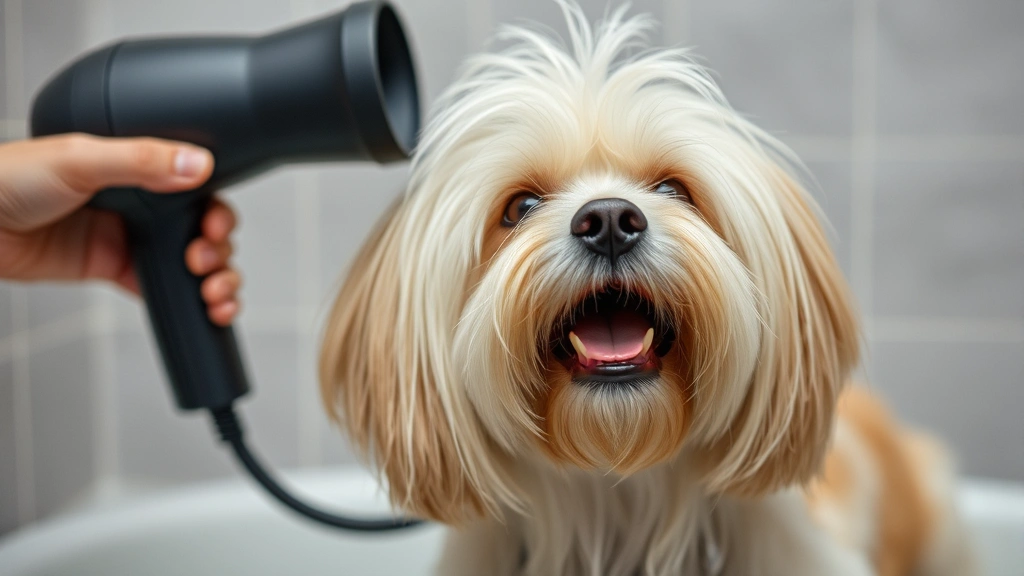
How you dry your dog after a bath or swim matters tremendously. Never just let them air dry—that’s basically mat-making 101. Instead, use a high-velocity dryer or towel-dry thoroughly, then brush through the coat while it’s still slightly damp. Blow-dry on a low heat setting, working section by section and brushing as you go. This takes longer than just letting them dry naturally, but it’s infinitely better for preventing matting. If your dog spends time in water regularly, consider keeping a microfiber towel handy and drying them immediately after.
When to Seek Veterinary Help
If your dog has severe matting that’s causing skin issues, infections, or if they’re showing signs of pain or discomfort, consult your vet. Mats can hide skin problems, parasites, or infections underneath. Additionally, if your dog has underlying health issues affecting coat quality, your vet can help address the root cause. According to the American Kennel Club, proper grooming is part of responsible dog ownership and includes addressing coat issues promptly.
Tools You Actually Need for Mat Removal
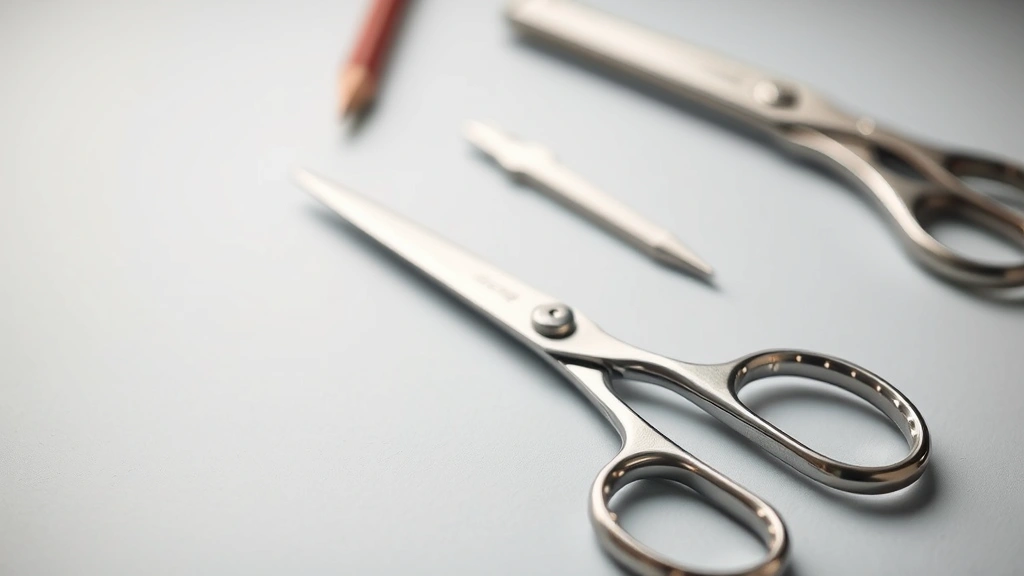
Let’s talk about your mat-fighting arsenal. You need: a slicker brush (fine wires close together), a metal comb (for checking for remaining mats), a dematting comb, detangling spray, and blunt-tipped scissors if you’re confident. That’s it. You don’t need fancy gadgets or expensive tools. Quality matters more than quantity. A good slicker brush will last years and is worth the investment. According to PetMD, these basic tools are what most professional groomers recommend for home maintenance between appointments.

Frequently Asked Questions
How often should I brush my dog to prevent mats?
For long-haired breeds, daily brushing is ideal. Medium-haired dogs benefit from 3-4 times per week, and short-haired dogs can usually get by with weekly brushing. However, if your dog spends time in water or has a coat prone to matting, increase frequency accordingly. Think of it as preventative medicine rather than a chore.
Can I use human conditioner on my dog to help with mats?
While some human conditioners won’t hurt your dog, it’s better to use products formulated for dogs. Human products can be too harsh or contain ingredients that irritate canine skin. Dog-specific detanglers and conditioners are designed with their pH balance in mind and are much safer.
Is it bad to cut mats out of a dog’s coat?
Cutting mats isn’t ideal because you lose coat length and texture, but sometimes it’s necessary. The danger is accidentally cutting the skin, which is thin and easily injured. If you must cut, use proper pet scissors, work slowly, and keep the blade parallel to the skin. When in doubt, let a professional handle it.
Why does my dog get mats even though I brush regularly?
Mats can still develop due to moisture, your dog’s specific coat type, or underlying health issues affecting coat quality. Some dogs are just mat-prone no matter what. If you’re brushing daily and still battling mats, discuss nutrition and health factors with your vet, and consider more frequent professional grooming.
How long does it take to remove a mat?
A small mat might take 5-10 minutes with proper technique and tools. Larger or more stubborn mats can take 30 minutes to an hour or more. Patience is crucial—rushing leads to skin damage and a stressed-out dog. It’s better to work slowly over multiple sessions than aggressively in one go.
Can I prevent mats by shaving my dog?
Yes, a short clip or shave eliminates matting entirely. However, shaving removes the coat’s natural insulation and protection from the sun. It’s usually a last resort for severely matted dogs or those with medical conditions. Talk to your groomer or vet before shaving, as it’s not appropriate for all breeds or situations.
Conclusion: Making Mat Management Part of Your Routine
Getting mats out of a dog’s hair doesn’t have to be a nightmare. The key is understanding that prevention through regular brushing is infinitely easier than removal. Start with a good daily brushing routine, invest in proper tools, and keep your dog dry. When mats do appear—and they will—tackle them early with detangling spray and patience before they become severe problems. Know your limits; there’s no shame in calling a professional groomer when mats are extensive or your dog is uncomfortable. Remember that a well-groomed coat isn’t just about looks—it’s about your dog’s health, comfort, and happiness. Your furry friend will thank you, even if they grumble about the brushing.





