
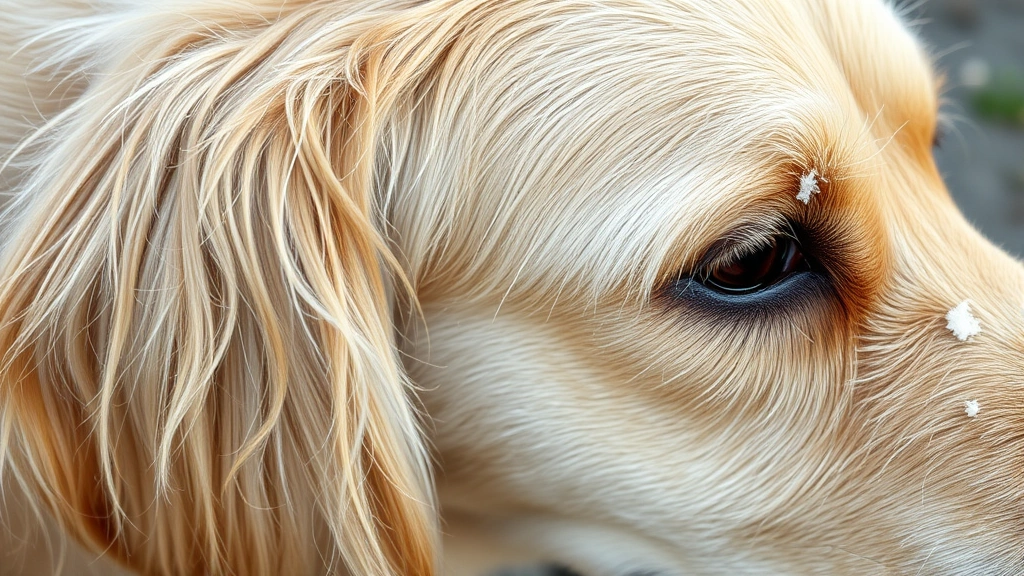
How to Get Rid of Dog Dandruff: Expert Tips
If you’ve noticed white flakes in your dog’s coat or on your furniture, your furry friend might be dealing with dandruff. While it might seem like a minor cosmetic issue, dog dandruff can indicate underlying skin problems that deserve attention. The good news? With the right approach, you can help your pup achieve a healthier, flake-free coat.
Dog dandruff is more common than many pet owners realize, and it affects dogs of all ages, breeds, and sizes. Whether your dog is scratching more than usual or you’re simply noticing a dusty appearance in their fur, understanding how to address this issue is essential for their comfort and overall health. In this comprehensive guide, we’ll explore proven strategies to eliminate dog dandruff and keep your dog’s skin in optimal condition.
Before diving into solutions, it’s important to understand that dogs can definitely get dandruff, and it’s a sign that their skin needs some extra care. Let’s explore the most effective ways to tackle this common problem.
Understanding Canine Dandruff
Dandruff in dogs, scientifically known as seborrhea, is a skin condition characterized by flaking and scaling. Unlike human dandruff, which is primarily caused by a single fungus, why your dog has dandruff can stem from multiple sources. These flakes are actually dead skin cells that have accumulated on your dog’s coat, and they can be either dry (seborrhea sicca) or oily (seborrhea oleosa).
The condition manifests differently depending on its underlying cause. Some dogs experience mild flaking that’s barely noticeable, while others develop severe scaling that affects large portions of their body. You might notice the flakes most prominently on your dog’s back, neck, and tail—areas where sebaceous glands are most active.
It’s crucial to distinguish between normal shedding and problematic dandruff. Normal shedding involves individual hairs falling out naturally, while dandruff appears as visible white or gray flakes that often stick to the coat. If your dog is experiencing excessive scratching along with the flaking, this is a red flag that the condition needs prompt attention.
Root Causes of Dog Dandruff
Understanding what causes dandruff is the first step toward effective treatment. The most common culprits include poor nutrition, environmental factors, allergies, parasites, and fungal or bacterial infections. Each cause requires a slightly different approach to resolution.
Nutritional Deficiencies: One of the primary reasons dogs develop dandruff is inadequate nutrition, particularly insufficient omega-3 and omega-6 fatty acids. These essential nutrients are vital for maintaining healthy skin and coat. A diet lacking in quality proteins, vitamins, and minerals can quickly lead to visible skin problems.
Allergies and Sensitivities: Both food allergies and environmental allergies can trigger dandruff in dogs. Common food allergens include beef, chicken, wheat, and soy, while environmental triggers might include pollen, dust mites, or mold. When dogs experience allergic reactions, their skin becomes inflamed and irritated, leading to excessive flaking.
Parasitic Infections: Fleas, mites, and lice can all cause dandruff-like symptoms. Even if you don’t see visible parasites, your dog might be dealing with a parasitic infestation that’s causing skin irritation. This is particularly true for microscopic mites that cause mange.
Fungal and Bacterial Infections: Yeast infections and bacterial overgrowth are common culprits behind dog dandruff. These infections thrive in warm, moist environments and can spread quickly if left untreated.
Environmental Factors: Low humidity, especially during winter months, can dry out your dog’s skin and cause flaking. Similarly, excessive bathing or exposure to harsh chemicals can strip away natural oils that protect the skin.
Dietary Solutions and Supplements
One of the most effective ways to combat dog dandruff is through proper nutrition. A high-quality diet rich in omega-3 and omega-6 fatty acids can dramatically improve your dog’s skin health. Look for dog foods that list real meat as the primary ingredient and include fish oil or flaxseed.
Omega-3 Fatty Acids: These powerful nutrients reduce inflammation and promote skin healing. Fish oil supplements are particularly effective and can be added to your dog’s food daily. Most veterinarians recommend 100-200 mg per pound of body weight, though you should consult your vet for the right dosage for your specific dog.
Omega-6 Fatty Acids: While omega-3s get most of the attention, omega-6 fatty acids are equally important for maintaining a healthy skin barrier. They help retain moisture and reduce inflammation. A balanced ratio of omega-3 to omega-6 is ideal—typically around 1:5 to 1:10.
Probiotics: Gut health directly impacts skin health. Probiotics help maintain a healthy gut microbiome, which can reduce inflammatory responses and improve overall immune function. Consider adding a canine-specific probiotic to your dog’s daily routine.
Vitamin E and Antioxidants: These nutrients protect skin cells from oxidative stress and support healing. Many premium dog foods include these ingredients, but supplements can provide additional support if needed.
When introducing new supplements, do so gradually to avoid digestive upset. It typically takes 4-6 weeks to see noticeable improvements in your dog’s coat quality, so patience is essential.
Proper Bathing Techniques
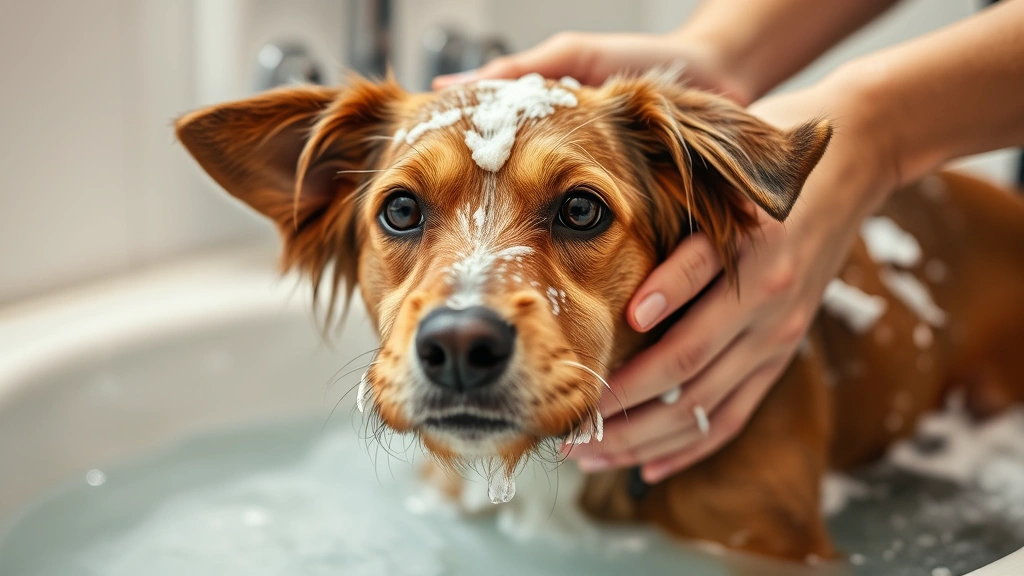
How you bathe your dog plays a crucial role in managing dandruff. Improper bathing can actually worsen the condition by stripping away natural oils or irritating the skin further. Follow these expert-recommended techniques for optimal results.
Bathing Frequency: Most dogs should be bathed every 4-8 weeks, depending on their coat type and lifestyle. Dogs with dandruff might benefit from slightly more frequent bathing—every 2-3 weeks—but not more than once weekly, as this can dry out the skin excessively.
Water Temperature: Always use lukewarm water, never hot. Hot water can irritate the skin and open pores excessively, allowing bacteria and irritants to penetrate. Lukewarm water is comfortable for your dog and less likely to cause irritation.
Pre-Bath Brushing: Before bathing, thoroughly brush your dog’s coat to remove loose hair and mats. This allows the shampoo to penetrate more effectively and ensures better contact with the skin.
Gentle Application: Wet your dog’s coat thoroughly, then apply shampoo using gentle circular motions. Focus on areas where dandruff is most prevalent, but be careful not to scrub aggressively, as this can irritate the skin further. Let the shampoo sit for 5-10 minutes to allow active ingredients to work effectively.
Thorough Rinsing: Rinse completely with lukewarm water until no shampoo residue remains. Any leftover shampoo can irritate the skin and contribute to flaking. Consider using a final rinse with diluted apple cider vinegar (one part vinegar to ten parts water) to help restore the skin’s natural pH balance.
Post-Bath Care: Dry your dog thoroughly with a soft towel or low-heat dryer. Damp skin creates an ideal environment for fungal and bacterial growth, so ensure your dog is completely dry before allowing them to play outside.
Choosing the Right Shampoo
Selecting an appropriate shampoo is absolutely critical when dealing with dog dandruff. The wrong product can exacerbate the problem, while the right one can provide significant relief.
Medicated Shampoos: For moderate to severe dandruff, medicated shampoos containing ingredients like ketoconazole, miconazole, or salicylic acid can be highly effective. These ingredients target fungal infections and help remove excess scale. Prescription-strength options are available if over-the-counter products don’t provide adequate relief.
Moisturizing Shampoos: If your dog has dry, flaky skin, a hydrating shampoo with oatmeal, aloe vera, or coconut oil can help restore moisture and soothe irritation. These gentle formulas are ideal for dogs with sensitive skin.
Natural and Hypoallergenic Options: Many dog owners prefer natural shampoos free from harsh chemicals and artificial fragrances. Look for products with minimal ingredients that you recognize. However, ensure they still contain effective active ingredients for treating dandruff.
What to Avoid: Never use human dandruff shampoos on your dog, as the pH balance is different and can irritate canine skin. Additionally, avoid using baby shampoo on dogs as it’s not formulated for their specific skin needs. Similarly, Dawn dish soap and other harsh soaps should never be used on dogs as they strip away essential oils.
When switching shampoos, do so gradually by mixing the old and new products over several days. This helps your dog’s skin adjust and allows you to monitor for any adverse reactions.
Environmental Factors to Consider
Your dog’s environment significantly impacts their skin health. Making strategic adjustments to their living conditions can reduce dandruff flare-ups considerably.
Humidity Levels: During dry winter months, use a humidifier in your home to maintain adequate moisture levels. Aim for humidity between 30-50%, as both excessive dryness and high humidity can cause skin problems. Dry air directly contributes to skin flaking and irritation.
Bedding Quality: Provide your dog with a clean, comfortable bed made from soft, breathable materials. Wash bedding weekly with hypoallergenic detergent to remove allergens and parasites. Avoid heavily scented products that might irritate sensitive skin.
Temperature Regulation: Extreme temperatures can stress your dog’s skin. Keep your home at a comfortable temperature and avoid exposing your dog to excessive heat or cold. During winter, limit time in heated environments immediately before going outside, as the temperature change can stress the skin.
Allergen Reduction: Regularly vacuum your home and wash your dog’s toys to minimize exposure to dust mites, pollen, and other allergens. Consider using air purifiers to reduce airborne irritants that might trigger allergic reactions.
Sun Exposure: While moderate sun exposure is beneficial, excessive UV radiation can damage skin. Limit your dog’s time in direct sunlight during peak hours, especially if they have lighter-colored coats.
When to See a Veterinarian
While many cases of dog dandruff can be managed at home, certain situations warrant professional veterinary evaluation. Knowing when to seek help ensures your dog receives appropriate treatment.
Persistent Dandruff: If dandruff persists for more than 2-3 weeks despite home treatment efforts, schedule a veterinary appointment. This could indicate an underlying condition requiring professional diagnosis and treatment.
Severe Itching and Scratching: Excessive scratching often indicates allergies, parasites, or infections that need professional attention. Hot spots and other skin conditions can develop rapidly from intense scratching, so prompt intervention is important.
Secondary Infections: If you notice signs of bacterial or yeast infection—such as odor, redness, or discharge—your dog needs veterinary care immediately. These infections require specific treatment and can worsen quickly if left untreated.
Hair Loss: Significant hair loss accompanying dandruff suggests a more serious underlying condition. Conditions like mange, alopecia, or endocrine disorders require professional diagnosis.
Systemic Signs: If your dog shows signs of illness such as lethargy, loss of appetite, or fever along with skin problems, seek veterinary care promptly. These symptoms might indicate allergies, parasites, or infections affecting overall health.
Your veterinarian can perform skin scrapings, fungal cultures, or allergy testing to identify the underlying cause. Once diagnosed, they can recommend targeted treatments, which might include prescription medications, specialized diets, or ongoing management strategies.
According to the American Kennel Club’s expert advice on skin conditions, professional evaluation is particularly important for chronic cases. The ASPCA also recommends consulting veterinarians for persistent skin issues to rule out serious underlying conditions.
Frequently Asked Questions
Is dog dandruff contagious to humans or other pets?
Most cases of dog dandruff are not contagious to humans. However, if the dandruff is caused by a fungal infection like ringworm, it can potentially be transmitted to other pets and rarely to humans. If you suspect a fungal infection, consult your veterinarian and practice good hygiene when handling your dog.
Can I use coconut oil to treat my dog’s dandruff?
Coconut oil can be beneficial for some dogs with dry skin. It has natural antimicrobial and anti-inflammatory properties. Apply a small amount to affected areas or add it to your dog’s food. However, use sparingly as excessive coconut oil can cause digestive upset. Always consult your vet before introducing new treatments.
How long does it take to see improvement?
Most dogs show noticeable improvement within 2-4 weeks of consistent treatment. However, some cases take longer, particularly if the underlying cause is nutritional deficiency or allergies. Be patient and consistent with your approach, as skin health improvements develop gradually.
Can stress cause dog dandruff?
Yes, stress can contribute to dandruff by triggering inflammatory responses and weakening immune function. Anxious or stressed dogs may also over-groom, leading to skin irritation and flaking. Ensure your dog gets adequate exercise, mental stimulation, and a calm home environment.
Should I brush my dog’s coat if they have dandruff?
Yes, regular brushing is beneficial for dogs with dandruff. Gentle brushing removes dead skin cells, improves circulation, and helps distribute natural oils throughout the coat. Use a soft-bristled brush and avoid aggressive scrubbing that might irritate the skin further.
What’s the difference between dandruff and dryness?
While both conditions involve flaking, dandruff is often accompanied by visible white flakes that stick to the coat and skin irritation. Dry skin may appear dull but typically doesn’t involve as much visible flaking. Dandruff often indicates an underlying condition requiring treatment, while dryness might simply need moisture.
Can skin tags appear alongside dandruff?
While skin tags and dandruff are separate conditions, they can occasionally occur together in older dogs. Skin tags are benign growths and don’t directly cause dandruff. If you notice both conditions, discuss them with your veterinarian to ensure neither requires specific treatment.
For comprehensive information on skin health, consult resources like VCA Animal Hospital’s guide to skin conditions or research through peer-reviewed veterinary journals for evidence-based information.
Dog dandruff is a manageable condition when approached systematically. By combining proper nutrition, correct bathing techniques, appropriate shampoo selection, and environmental adjustments, most dogs experience significant improvement. Remember that each dog is unique, so what works for one may not work for another. Stay consistent, monitor your dog’s progress, and don’t hesitate to seek professional veterinary guidance when needed. With patience and dedication, your dog can achieve the healthy, flake-free coat they deserve.





