
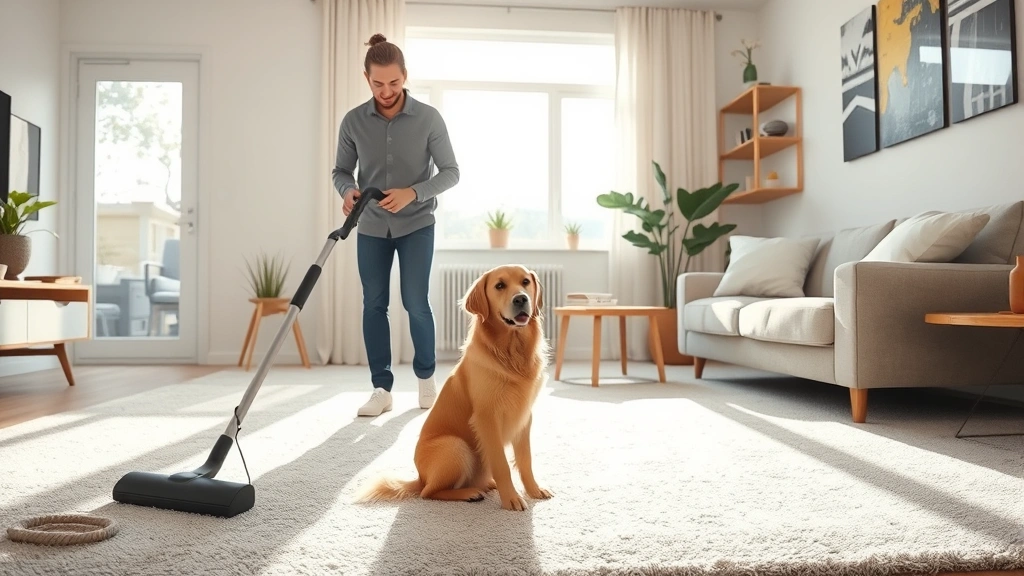
Let’s be honest—your beloved furry friend can leave behind some pretty gnarly odors, and knowing how to get rid of dog scent is crucial whether you’re prepping for guests, selling your home, or just tired of that unmistakable doggy aroma lingering in your living room. The good news? You don’t need to fumigate your entire house or resort to extreme measures. With the right strategies, you can neutralize dog odors effectively and keep your space smelling fresh without compromising your pup’s happiness.
Table of Contents
- Why Dogs Smell and Where That Odor Comes From
- Method 1: Deep Clean Your Dog’s Sleeping Areas
- Method 2: Invest in Professional Enzymatic Cleaners
- Method 3: Upgrade Your Home’s Air Quality
- Method 4: Regular Grooming and Bathing Reduces Odor at the Source
- Method 5: Tackle Soft Furnishings Strategically
- The Role of Diet in Managing Dog Odor
- Using Odor Neutralizers vs. Fragrance Masking
- Professional Solutions When DIY Isn’t Cutting It
- Prevention: The Long Game for Keeping Dog Scent at Bay
- Frequently Asked Questions
- Conclusion: Breathe Easy (Literally)
Why Dogs Smell and Where That Odor Comes From
Before tackling solutions, let’s understand the enemy. Dogs naturally produce oils on their skin that protect their coat and keep them comfortable. These oils, combined with bacteria, sweat, and whatever they’ve rolled in at the park, create that distinctive dog smell. The odor tends to concentrate in areas where your dog spends the most time—beds, furniture, and carpets become ground zero for scent accumulation. Understanding this helps you target problem areas more effectively when you’re working on eliminating dog odor from your home.
Method 1: Deep Clean Your Dog’s Sleeping Areas
Your dog’s bed is basically a scent factory. Wash bedding weekly in hot water with pet-safe detergent, and don’t skimp on the amount—you need enough soap to break down those stubborn oils. While the bed is in the wash, sprinkle baking soda on the mattress itself, let it sit for 15-20 minutes, then vacuum thoroughly. For orthopedic beds that can’t be machine washed, use enzyme-based cleaners specifically designed for pet odors. These cleaners break down the organic compounds causing the smell rather than just masking it. This is one of the most effective ways to reduce dog scent throughout your entire home.
Method 2: Invest in Professional Enzymatic Cleaners
Here’s where science meets odor elimination. Enzymatic cleaners contain bacteria that literally eat the organic matter causing dog smell—they don’t just mask the problem. Products like Nature’s Miracle or Rocco & Roxie actually break down uric acid and other compounds at the molecular level. Apply these to carpets, furniture, and any area where your dog frequently lounges. Let them sit for the recommended time (usually 12-24 hours), and you’ll notice a dramatic difference. This method is particularly effective for removing dog scent from upholstered furniture and carpeted areas where regular cleaning falls short.
Method 3: Upgrade Your Home’s Air Quality
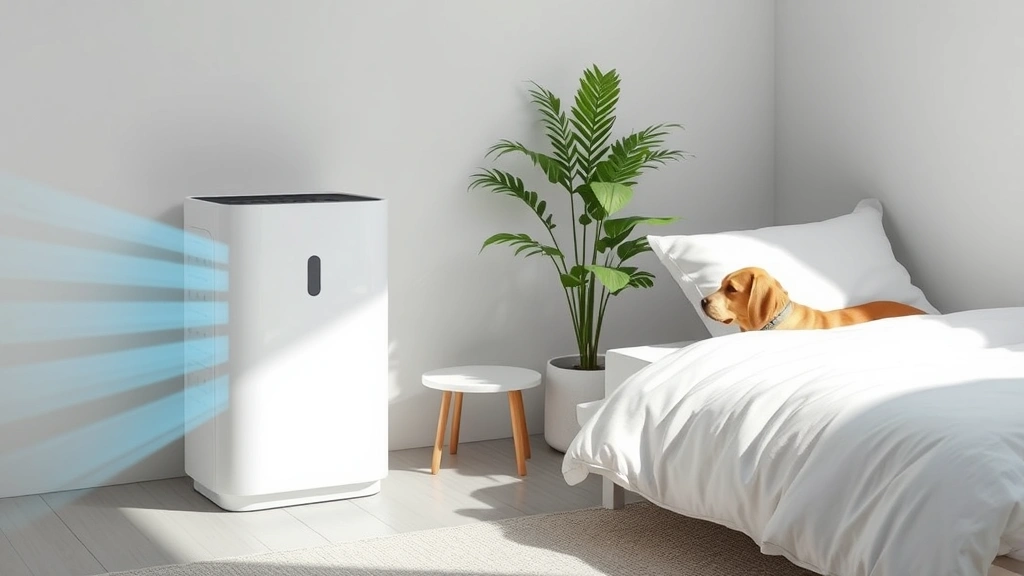
Sometimes the best offense is a good defense in the air department. HEPA air purifiers specifically designed for pet owners can capture microscopic odor particles and pet dander before they settle into fabrics. Place one in your bedroom, living room, or wherever your dog spends the most time. Additionally, crack windows regularly for cross-ventilation—fresh air is nature’s best deodorizer. If you want to learn more about sustainable approaches to pet care that include air quality management, check out our guide on planet conscious pet care for eco-friendly options.
Method 4: Regular Grooming and Bathing Reduces Odor at the Source
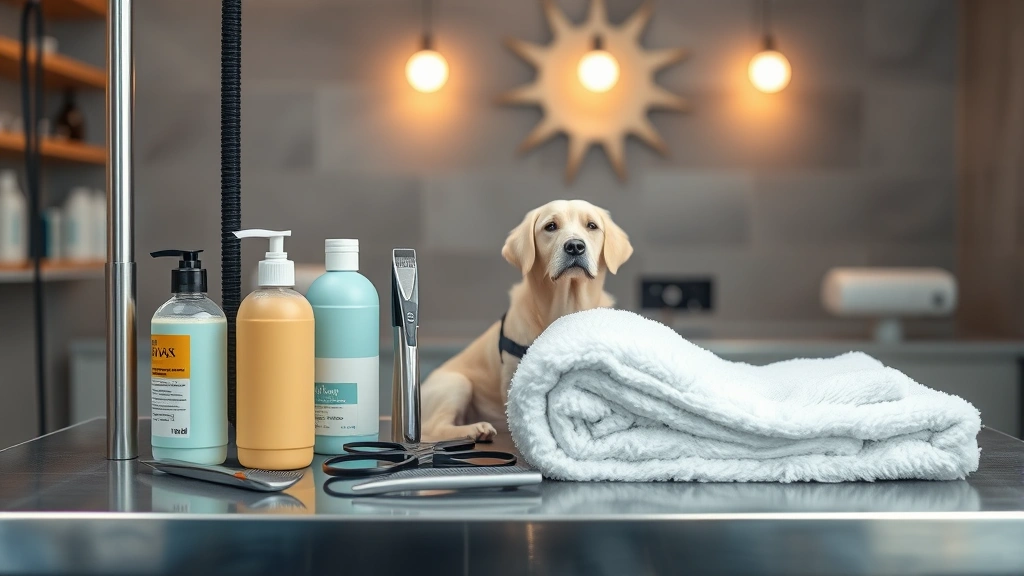
You can’t talk about eliminating dog scent without addressing the source: your dog. Regular baths (every 4-6 weeks for most breeds) with quality dog shampoo significantly reduce odor. But here’s the kicker—how you bathe matters. Use warm water, not hot, and make sure you’re thoroughly rinsing all shampoo residue, as leftover soap can actually trap odors. Between baths, use dry shampoo or pet wipes on high-traffic areas. According to the American Kennel Club, proper grooming is essential for maintaining a healthy coat that naturally produces less odor. For breeds prone to skin issues that increase odor, consider incorporating skin and coat health foods into their diet for long-term improvement.
Method 5: Tackle Soft Furnishings Strategically
Couches, curtains, and rugs are odor magnets. For washable items, throw them in the laundry regularly. For non-washable furniture, sprinkle baking soda liberally, let it sit for 30 minutes, then vacuum it up. You can also use fabric refresher sprays designed for pet odors, but always test on a hidden area first. For stubborn smells in upholstered furniture, consider using a steam cleaner or hiring professional upholstery cleaners who have pet-odor-specific treatments. This approach works wonders for removing dog scent that’s deeply embedded in your home’s soft furnishings.
The Role of Diet in Managing Dog Odor
Here’s something many pet owners overlook: what your dog eats affects how they smell. Low-quality dog foods with fillers and artificial ingredients can increase body odor and gas production. A high-quality, protein-rich diet promotes healthier skin and reduces that funky smell. Some dogs also benefit from omega-3 supplements, which improve coat health and naturally reduce odor. If your dog has particularly pungent body odor, it might be worth chatting with your vet about dietary adjustments. Poor nutrition can also manifest as excessive shedding and skin issues, both of which amplify dog scent in your home.
Using Odor Neutralizers vs. Fragrance Masking
There’s a critical difference between products that neutralize odors and those that just mask them. Air fresheners, scented candles, and perfume sprays might smell nice temporarily, but they’re just covering up the problem—like putting a freshly baked cookie smell over a rotting basement. Odor neutralizers (like those containing activated charcoal or enzymatic formulas) actually eliminate the smell molecules. When shopping for solutions, look for products labeled as “odor eliminators” rather than “air fresheners.” Your nose—and your guests—will thank you for choosing actual elimination over temporary masking.
Professional Solutions When DIY Isn’t Cutting It
If you’ve tried everything and your house still smells like a kennel, it might be time to call in the pros. Professional pet odor removal services use industrial-strength equipment and specialized treatments that go deeper than home remedies. They can identify problem areas you might have missed and treat them appropriately. This is especially useful if you’re selling a home or dealing with years of accumulated odor. According to PetMD, professional cleaning services can be particularly effective for homes with multiple pets or those dealing with urine accidents that have seeped into subfloors.
Prevention: The Long Game for Keeping Dog Scent at Bay
Once you’ve eliminated the smell, prevention becomes your best friend. Establish a routine: weekly bed washing, monthly deep cleaning, regular grooming, and daily vacuuming in high-traffic areas. Designate specific dog zones (like a washable mat in the entryway) to contain odors. Keep your dog’s toys clean—they’re often overlooked odor sources. Consider adopting zero waste pet care practices that include sustainable, washable pet accessories instead of disposable ones that can trap odors. The more proactive you are, the less you’ll need to deal with overwhelming dog scent down the road.
Frequently Asked Questions
How long does it take to eliminate dog scent from a house?
It depends on the severity and your approach. Light odors might improve within days of cleaning and airing out. Stubborn, deeply embedded smells could take 2-4 weeks of consistent treatment with enzymatic cleaners and regular grooming. Professional services can sometimes achieve results faster, but maintenance is still necessary.
Will opening windows really help get rid of dog scent?
Absolutely! Fresh air circulation naturally disperses odor molecules. Open windows for at least 15-20 minutes daily, and try to create cross-ventilation by opening windows on opposite sides of your home. This is one of the cheapest and most underrated methods for reducing dog scent.
Can certain dog breeds smell worse than others?
Yes. Breeds with oily coats (like Basset Hounds and Cocker Spaniels) tend to have stronger natural odors. Dogs with skin conditions or those prone to ear infections also smell more. Regular grooming becomes even more important for these breeds.
Is baking soda safe to use around dogs?
Baking soda is generally safe for topical use around dogs, but avoid letting them ingest large amounts. When using it on bedding or furniture, vacuum thoroughly to remove all residue. If your dog has respiratory issues, use it sparingly as the dust can irritate airways.
What’s the best enzymatic cleaner for dog odor?
Nature’s Miracle, Rocco & Roxie, and Rockin’ Green are highly rated options. The best choice depends on your specific situation—urine odors, general body odor, or furniture. Read reviews specific to your problem area and always test on hidden spots first.
Should I bathe my dog more often to reduce odor?
More isn’t always better. Over-bathing can strip natural oils and actually increase odor and skin issues. Most dogs do well with bathing every 4-6 weeks. If your dog needs more frequent bathing due to odor, consult your vet—it might indicate a skin or health issue.
Conclusion: Breathe Easy (Literally)
Figuring out how to get rid of dog scent doesn’t require you to choose between having a fresh-smelling home and being a devoted dog parent. By combining regular grooming, strategic cleaning with enzymatic products, air quality management, and dietary considerations, you can keep your space smelling pleasant while your pup lives their best life. The key is consistency—establish a routine and stick with it. Start with the methods that seem most feasible for your lifestyle, then layer in additional strategies as needed. Your home can absolutely smell fresh while being a happy, welcoming place for your four-legged family member. Now go forth, conquer that dog odor, and enjoy your fresh-smelling sanctuary!





