
How to Get Rid of Dog Smell: Expert Tips
If you’re a dog owner, you’ve probably noticed that distinctive canine odor that seems to linger in your home no matter how often you clean. That unmistakable dog smell can settle into furniture, carpets, bedding, and even the air itself, making your living space feel less fresh than you’d like. The good news? You don’t have to live with persistent dog odor. With the right strategies and a bit of elbow grease, you can effectively eliminate dog smell and keep your home smelling fresh and clean.
Understanding where dog odor comes from is the first step to conquering it. Dogs naturally produce oils and bacteria on their skin and fur, and these microscopic culprits are responsible for that characteristic smell. Additionally, accidents, wet fur, and ear infections can amplify the problem. The key to success is tackling the issue from multiple angles—through regular grooming, strategic cleaning, and targeted odor elimination techniques.
In this comprehensive guide, we’ll explore proven methods to banish dog smell from your home once and for all. Whether you’re dealing with a particularly pungent pup or simply want to maintain a fresher-smelling home, these expert tips will help you reclaim that fresh, clean scent you’re after.
Regular Grooming and Bathing
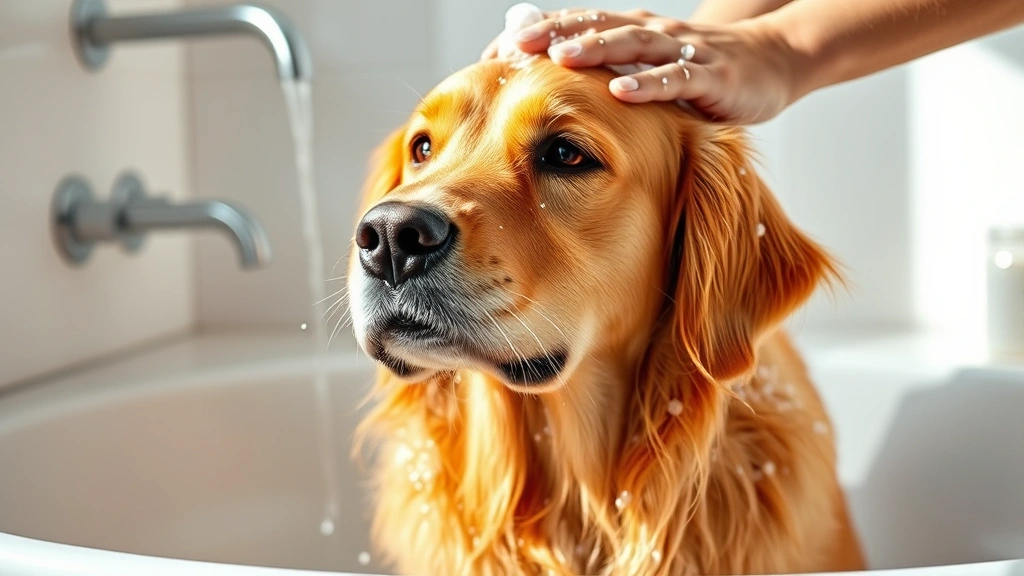
The foundation of eliminating dog smell starts with proper grooming and bathing. A clean dog is a fresh-smelling dog, and establishing a consistent bathing routine is essential for odor control. Most dogs benefit from a bath every 4-6 weeks, though this can vary depending on their breed, activity level, and skin condition. Dogs with oily coats or those who spend lots of time outdoors may need more frequent bathing.
When bathing your dog, use a quality dog shampoo specifically formulated for canines. Human shampoos and products like Dawn dish soap can disrupt your dog’s skin pH balance and may cause irritation. Look for shampoos with natural deodorizing ingredients like oatmeal, baking soda, or charcoal. According to the American Kennel Club, proper bathing technique involves thoroughly wetting the coat, working the shampoo into a good lather, and rinsing completely to remove all product residue.
Beyond full baths, dry shampooing between washes can significantly reduce odors. Dry shampoos absorb oils and freshen the coat without requiring water. Simply sprinkle the product onto your dog’s fur, massage it in, and brush it out thoroughly. This quick maintenance step can extend the time between baths and keep your dog smelling fresher longer.
Don’t overlook your dog’s ears, as they can be a major source of odor. Ear infections and excessive wax buildup produce particularly pungent smells. Regular ear cleaning with a veterinarian-approved solution helps prevent these issues. If you notice a strong yeasty or musty smell coming from your dog’s ears, it’s time to visit your vet, as this could indicate an infection requiring professional treatment.
Dental hygiene is equally important. Your dog’s breath contributes to overall body odor, and poor oral health amplifies the problem. If you’re concerned about bad dog breath, regular tooth brushing and professional dental cleanings can make a remarkable difference. The ASPCA recommends brushing your dog’s teeth daily to maintain optimal oral health.
Tackling Furniture Odors
Dog odor tends to accumulate most noticeably on furniture where your pup spends the most time. Whether it’s the couch, your bed, or their favorite armchair, furniture absorbs and traps dog smell deep within its fibers. Addressing dog smell from your couch and other furniture requires targeted strategies.
Start by regularly washing any removable fabric covers or dog beds. Throw these items in the washing machine with hot water and a quality enzymatic detergent designed to break down organic odors. Enzymatic cleaners are particularly effective because they target the proteins and oils that create the smell, rather than just masking it.
For furniture that can’t be fully laundered, baking soda is your friend. Sprinkle a generous amount of baking soda over the affected areas, let it sit for 15-30 minutes to absorb odors, then vacuum thoroughly. For stubborn smells, you can leave the baking soda overnight. For upholstered furniture, consider using a fabric-safe enzyme cleaner spray. These products penetrate deep into the fabric fibers to neutralize odors at the source.
If your dog has had accidents on furniture, it’s crucial to address this immediately. Dog pee smell from your couch requires enzymatic treatment specifically designed for urine. Standard cleaners won’t fully eliminate urine odor because dogs can still smell residual scent markers, which may encourage repeat accidents. Use a pet-specific enzymatic cleaner and follow the product instructions carefully for best results.
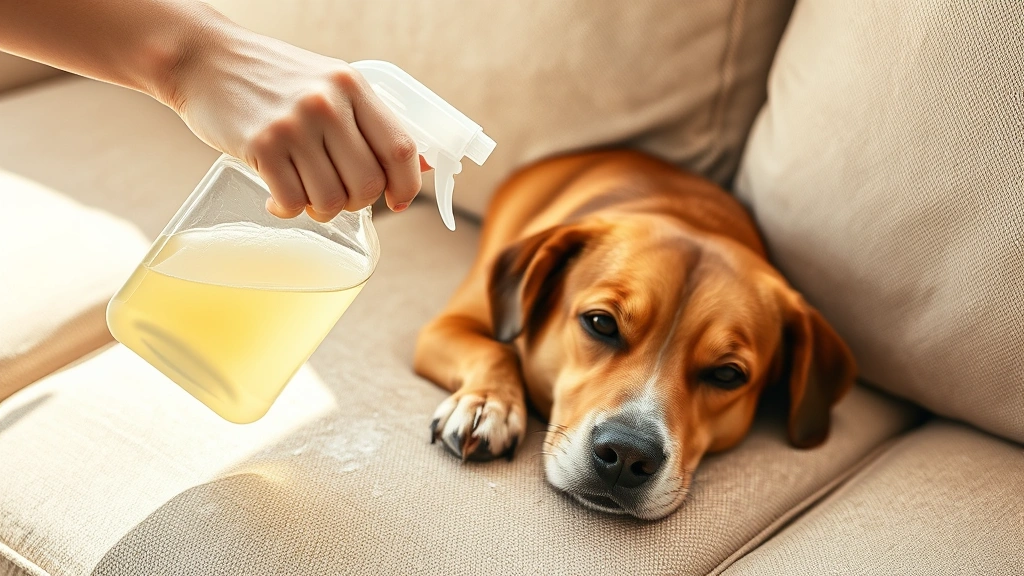
Consider applying a protective barrier to your furniture. Microfiber throws, furniture covers, or washable blankets create a sacrificial layer that protects your furniture while giving you something easy to launder regularly. Many pet owners find this strategy invaluable for maintaining fresh-smelling furniture long-term.
Carpet and Floor Treatments
Carpets are notorious for trapping dog odors. The fibers provide the perfect environment for bacteria and odors to settle in and persist. If your home has carpet, you’re likely dealing with accumulated dog smell that requires more aggressive treatment than surface cleaning.
Begin with regular vacuuming—at least twice weekly in high-traffic areas. A vacuum with a HEPA filter helps capture odor-causing particles. After vacuuming, sprinkle baking soda generously over the carpet, let it sit for several hours or overnight, then vacuum again. This two-step approach removes surface debris and absorbs deep odors.
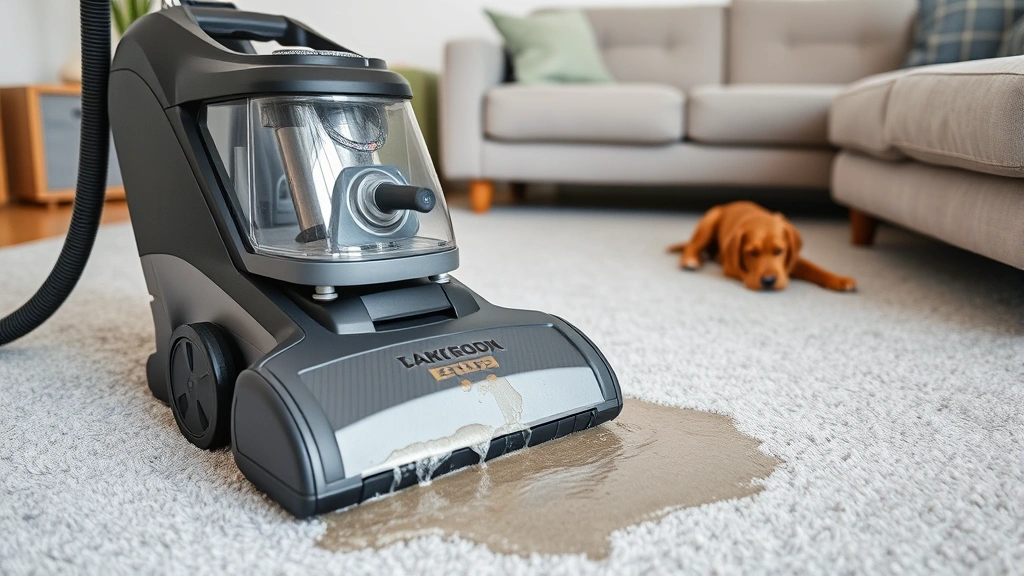
For more stubborn carpet odors, rent or hire a professional carpet cleaning service equipped with hot water extraction equipment. These machines inject hot water mixed with enzymatic cleaner deep into carpet fibers, then extract the dirty water along with odor-causing bacteria. Professional cleaning is particularly important if your dog has had accidents on the carpet. Speaking of accidents, learning how to clean dog poop from your carpet properly prevents lasting odor issues.
Between professional cleanings, enzyme-based carpet sprays offer excellent maintenance. These products work similarly to commercial carpet cleaners by breaking down organic matter. Spray the product according to directions, allow it to sit, then either blot or vacuum as recommended. The UC Davis School of Veterinary Medicine notes that enzymatic cleaners are particularly effective for pet-related odors because they target the specific compounds responsible for smell.
For hardwood and tile floors, regular mopping with a pet-safe enzymatic cleaner maintains freshness. These floors are easier to keep clean than carpet, making them a good choice for homes with multiple dogs or those prone to accidents.
Environmental Factors and Air Quality
Beyond cleaning surfaces, managing your home’s overall environment plays a crucial role in odor control. Fresh air circulation is your ally—open windows regularly to allow natural ventilation. This simple step dramatically reduces the concentration of dog odor in your home and brings in fresh air.
Air purifiers with HEPA and activated carbon filters can significantly improve air quality by capturing odor-causing particles and compounds. Look for models specifically designed for pet odors. Running an air purifier continuously in areas where your dog spends the most time provides ongoing odor management.
Avoid artificial air fresheners and heavy perfumes that simply mask odors rather than eliminate them. These products can actually create an unpleasant combination of scents when mixed with dog smell. Instead, opt for natural options like:
- Open windows for natural ventilation
- Plants that naturally purify air, such as spider plants or Boston ferns
- Activated charcoal placed in strategic locations
- White vinegar solutions sprayed in the air (the vinegar smell dissipates quickly)
- Essential oil diffusers with dog-safe oils like lavender (used cautiously, as some oils are toxic to dogs)
Humidity control also matters. High humidity levels can amplify dog odors, so maintaining moderate humidity (around 40-50%) helps keep smells in check. A dehumidifier in damp areas or during humid seasons can make a noticeable difference.
Medical Considerations
Sometimes excessive dog odor signals an underlying health issue that requires veterinary attention. If your dog smells worse than usual or the odor seems unrelated to normal grooming habits, it’s worth investigating potential medical causes.
Skin infections, yeast overgrowth, and bacterial infections commonly cause strong odors. These conditions often accompany symptoms like excessive scratching, red skin, or hair loss. Dog dandruff can also contribute to odor and may indicate dry skin, allergies, or other dermatological issues. Your veterinarian can diagnose these conditions and recommend appropriate treatment.
Anal gland issues are another common culprit. Dogs have two small glands near their rectum that can become impacted or infected, producing a particularly foul smell. If you notice a strong, fishy odor from your dog’s rear end, schedule a vet appointment. Veterinarians can express these glands or address any underlying infections.
Ear infections, as mentioned earlier, produce distinctive odors. Chronic ear issues may indicate allergies, food sensitivities, or other health concerns. Your vet can perform appropriate diagnostics and recommend treatment.
Poor dental health also contributes significantly to body odor. Periodontal disease creates bad breath that permeates your dog’s entire body. Regular dental check-ups and professional cleanings, combined with home care, keep your dog’s mouth healthy and fresh.
If your dog has recently developed a strong odor without obvious cause, consult your veterinarian. They can rule out medical issues and provide targeted recommendations for your specific situation.
Prevention Strategies
The best approach to dog odor is prevention. Establishing consistent routines and habits keeps odors from accumulating in the first place.
Establish a regular grooming schedule: Bathe your dog every 4-6 weeks using quality dog shampoo. Brush their coat several times weekly to remove dead hair and distribute natural oils evenly. Trim their nails regularly and clean their ears weekly.
Wash dog bedding frequently: Your dog’s bed becomes a concentrated source of odor. Wash it weekly in hot water with enzymatic detergent. If your dog sleeps on your bed, consider using a washable protector underneath to minimize odor absorption.
Maintain excellent potty habits: Accidents are a major source of lasting odors. Ensure your dog has regular bathroom breaks and reward them for outdoor elimination. Clean any accidents immediately and thoroughly using enzymatic cleaners.
Use protective furniture covers: Washable throws and furniture covers protect your furnishings while being easy to launder regularly. This prevents deep odor absorption into permanent furniture.
Invest in quality dog food: Diet affects body odor. High-quality, easily digestible dog foods produce less odorous waste and contribute to healthier skin and coat. Discuss nutrition with your veterinarian to find the best food for your dog.
Maintain proper hydration: Adequate water intake supports healthy skin and coat, which naturally reduces odor. Ensure your dog always has access to fresh, clean water.
Monitor dental health: Brush your dog’s teeth daily and schedule professional cleanings annually. This prevents dental disease and the associated bad breath and body odor.
Frequently Asked Questions
Why does my dog smell even after a bath?
Several factors could cause persistent odor after bathing. First, ensure you’re using dog-specific shampoo and rinsing thoroughly—product residue can trap odors. Second, if your dog is still damp, they may develop a musty smell as they dry. Use a towel or blow dryer to dry them completely. Third, the odor might indicate an underlying health issue like skin infection or ear problems. If the smell persists, consult your veterinarian.
How often should I bathe my dog?
Most dogs benefit from bathing every 4-6 weeks. However, this varies based on breed, coat type, and activity level. Dogs with oily coats, those who spend lots of time outdoors, or those with skin conditions may need more frequent bathing. Conversely, dogs with dry skin may need less frequent bathing. Consult your vet or groomer for breed-specific recommendations.
What’s the best product for eliminating dog odor?
Enzymatic cleaners are the most effective because they break down the organic compounds causing odors rather than just masking them. For furniture and carpets, look for products specifically designed for pet odors. For your dog’s coat, use quality dog shampoos with natural deodorizing ingredients. The best product depends on where the odor originates and your specific situation.
Can I use human products to bathe my dog?
No, you should not use human shampoos or body washes on your dog. Human products have different pH levels than dog products and can disrupt your dog’s skin pH balance, leading to irritation, dryness, and potentially worse odors. Always use products formulated specifically for dogs.
Is dog odor ever a sign of a serious health problem?
While most dog odor is normal and manageable, sudden changes in odor intensity or unusual smells can indicate health issues. Strong yeasty or musty smells might indicate infection, and fishy odors could suggest anal gland problems. If your dog’s odor changes dramatically or is accompanied by other symptoms, consult your veterinarian to rule out medical conditions.
How do I eliminate dog smell from my entire home?
Comprehensive odor elimination requires a multi-pronged approach: bathe your dog regularly, wash their bedding weekly, vacuum and treat carpets, clean furniture with enzymatic products, improve air circulation, and consider an air purifier. Additionally, address any medical issues contributing to odor and maintain preventative grooming habits. Consistency is key—regular maintenance prevents odor from accumulating.





