
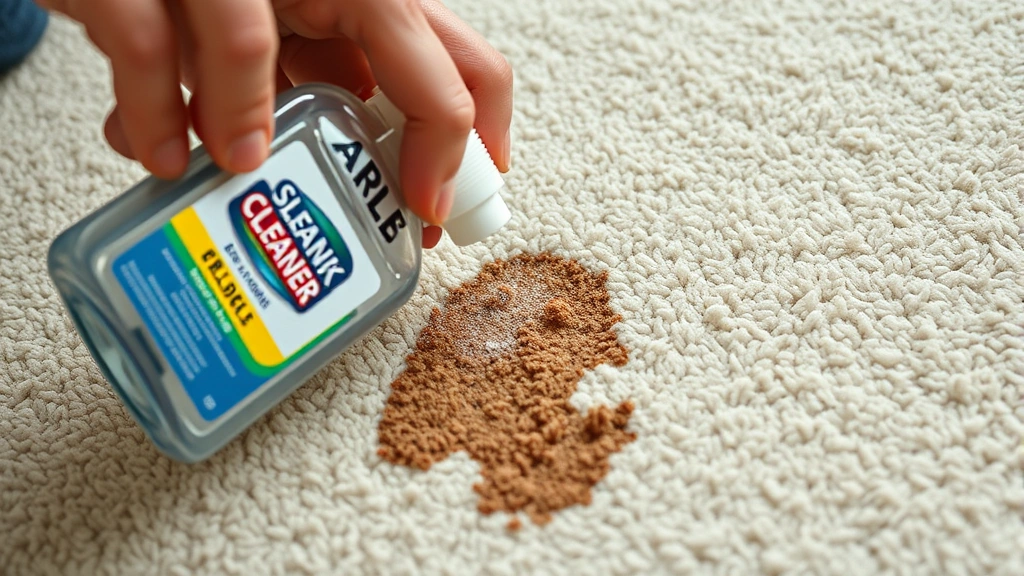
If you’re wondering how to get rid of dog urine smell in house, you’re not alone—and honestly, you’re probably at your wit’s end. That pungent, lingering odor can turn your cozy home into something that smells like a kennel, and it’s one of the most frustrating pet owner problems out there. The good news? It’s totally fixable, and we’re about to walk you through exactly how to eliminate that stubborn stench once and for all.
Table of Contents
- Why Dog Urine Smell Lingers So Long
- Method 1: The Enzymatic Cleaner Solution
- Method 2: Baking Soda and Vinegar Combo
- Method 3: Hydrogen Peroxide Treatment for Tough Spots
- Method 4: Activated Charcoal and Odor Eliminators
- Method 5: Professional Carpet Cleaning and Replacement
- Addressing the Underlying Behavior Issue
- Prevention Tips for Future Accidents
- Hardwood and Tile Floors: Special Considerations
- When to Seek Professional Veterinary Help
- Frequently Asked Questions
- Final Thoughts: You’ve Got This
Why Dog Urine Smell Lingers So Long
Before we dive into solutions, let’s talk about why dog pee is such a nightmare to get rid of. Unlike regular accidents, dog urine contains uric acid crystals that don’t dissolve in water. This means that standard cleaning methods often just mask the smell temporarily—they don’t actually eliminate it. When your pup has an accident, those crystals seep into carpet fibers, padding, and even concrete, creating a persistent odor that keeps coming back, especially when humidity increases or your dog walks over the spot again.
The ammonia in urine also reactivates when it gets wet, which is why that smell seems to get worse after you’ve cleaned it. It’s like your dog is re-marking the spot every time you mop. Fun times, right?
Method 1: The Enzymatic Cleaner Solution
This is your first line of defense and honestly, it’s the most effective approach for fresh accidents. Enzymatic cleaners contain live bacteria and enzymes that actually break down the uric acid crystals—they don’t just cover up the smell. Brands like Nature’s Miracle and Rocco & Roxie are specifically designed to target dog urine at the molecular level.
Here’s how to use it properly:
- Blot up as much urine as possible with paper towels (don’t rub, just press)
- Saturate the affected area with enzymatic cleaner—and we mean really saturate it
- Let it sit for 24-48 hours (yes, that long)
- Vacuum or rinse the area thoroughly
The key is patience. Those enzymes need time to work their magic, so resist the urge to clean it up too quickly. This method works exceptionally well on carpet and is often recommended by veterinarians as a first step in odor elimination.
Method 2: Baking Soda and Vinegar Combo
When dealing with stubborn dog urine odor removal, the baking soda and vinegar combination is a classic for a reason. This isn’t just an old wives’ tale—it actually works on a chemical level.
The process:
- After using an enzymatic cleaner, sprinkle baking soda generously over the area
- Let it sit for several hours (or overnight)
- Vacuum thoroughly
- Mix equal parts white vinegar and water in a spray bottle
- Spray the area lightly and let it dry completely
The baking soda absorbs remaining odors, while the vinegar neutralizes any lingering ammonia smell. The combination creates a reaction that breaks down odor-causing compounds. Just make sure the area is completely dry afterward, or you’ll trap moisture and create a musty smell instead.
Method 3: Hydrogen Peroxide Treatment for Tough Spots
For really stubborn areas or old stains, hydrogen peroxide is your secret weapon. This method works particularly well on light-colored carpets and hardwood subfloors where urine has soaked deep.
Mix together:
- 1 cup hydrogen peroxide (3% solution)
- 1 tablespoon baking soda
- 2-3 drops dish soap
Apply this mixture to the affected area and let it sit for 10-15 minutes. You’ll actually see it bubble and fizz as it works. Blot thoroughly with clean towels. This combination is more aggressive than other methods, so test it on a hidden area first to ensure it won’t bleach or damage your flooring.
Method 4: Activated Charcoal and Odor Eliminators
Sometimes you need to bring in the heavy artillery. Activated charcoal is incredibly porous and absorbs odors like nothing else. You can find activated charcoal products specifically designed for pet odors, or use plain activated charcoal from the aquarium section of pet stores.
Simply:
- Place activated charcoal in bowls around the affected room
- Leave for 24-48 hours
- Replace as needed
This works best as a complementary method alongside enzymatic cleaners. It won’t eliminate the source of the smell, but it will significantly reduce airborne odors while other treatments do the heavy lifting. Some pet owners also use charcoal-based air purifiers for continuous odor management in problem areas.
Method 5: Professional Carpet Cleaning and Replacement
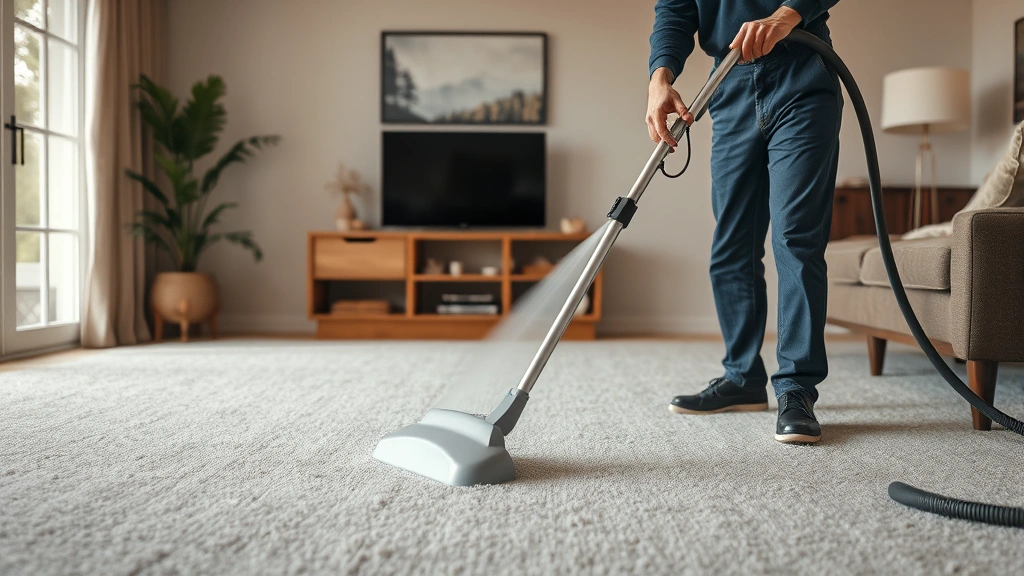
If you’ve tried everything and that dog urine smell in carpet just won’t quit, it might be time to call in professionals. Professional carpet cleaners have access to industrial-strength enzymatic treatments and hot water extraction methods that go deeper than anything you can do at home. They can also identify exactly where the urine has soaked using UV lights.
Sometimes, though, the damage is just too extensive. If your carpet is old, heavily soiled, or has been exposed to repeated accidents, replacement might be your best option. Consider switching to tile, vinyl, or laminate flooring—these are much easier to clean and won’t trap urine odors the way carpet does. For pet owners with chronic marking issues, this investment can save thousands in future cleaning attempts.
Addressing the Underlying Behavior Issue
Here’s the thing: cleaning up the smell is only half the battle. If your dog keeps having accidents in the same spot, you need to address why. Is your pup having remote pet health monitoring to track potential UTIs or other health issues? Sometimes repeated accidents indicate a medical problem that needs attention.
Consider whether your dog needs more frequent bathroom breaks, if there’s anxiety causing marking behavior, or if they’re dealing with incontinence related to age or health. When to call the vet about food and health concerns should include any sudden changes in bathroom habits. A vet can rule out urinary tract infections, diabetes, or other conditions that cause excessive urination.
Prevention Tips for Future Accidents
Once you’ve eliminated that dog urine smell, let’s make sure it doesn’t come back. Here are some practical prevention strategies:
- Establish a consistent bathroom schedule: Take your dog out first thing in the morning, after meals, before bed, and during the day
- Use enzymatic cleaner immediately: The faster you treat an accident, the easier it is to eliminate
- Consider enzyme-based floor treatments: Some products are designed for preventative use on problem areas
- Invest in washable rugs: Use them in areas where accidents are likely, then wash or replace them
- Try pet-safe odor barriers: Products like Rocco & Roxie can be applied to areas prone to marking
Hardwood and Tile Floors: Special Considerations
If your dog has had accidents on hardwood or tile, the approach is slightly different. Urine can seep into wood and cause permanent damage if not treated quickly. For hardwood floors, use minimal liquid—apply enzymatic cleaner sparingly and dry immediately to prevent water damage. For tile, the good news is that urine sits on top rather than soaking in, making it easier to clean, but grout lines can trap odor and bacteria.
For grout, use a grout-specific enzymatic cleaner or a mixture of hydrogen peroxide and baking soda applied with a small brush. This prevents urine from settling into those tiny crevices where it can cause long-term odor problems.
When to Seek Professional Veterinary Help
If your dog’s accidents seem excessive or are a new behavior, it’s time to visit your vet. Sudden changes in bathroom habits can indicate:
- Urinary tract infections (UTIs)
- Diabetes
- Kidney disease
- Incontinence related to age
- Behavioral anxiety or marking issues
Your vet can help determine if there’s a medical cause and recommend treatment. Many vets now offer telehealth vet appointments for quick consultations about behavioral or health concerns, making it easier to get professional guidance without leaving home.
Frequently Asked Questions
How long does it take to completely eliminate dog urine smell?
It depends on the severity and how deep the urine has soaked. Fresh accidents treated immediately with enzymatic cleaners can be gone in 24-48 hours. Older stains or multiple accidents in the same spot might take several weeks of repeated treatments. Professional cleaning can sometimes provide faster results, though heavily damaged carpet might require replacement.
Why does the smell come back after I clean it?
The smell returns because you’ve likely only cleaned the surface. Uric acid crystals soak deep into carpet padding and subfloors, and standard cleaners don’t break them down. Additionally, when humidity increases or the area gets wet again, those crystals reactivate and release odor. This is why enzymatic cleaners that actually dissolve the crystals are so important.
Is baking soda alone enough to get rid of dog urine smell?
Baking soda is excellent for absorbing odors and works best as part of a multi-step approach, but it’s not enough on its own for fresh urine. It won’t break down the uric acid crystals causing the smell—it just masks the odor temporarily. Use it after enzymatic treatment for best results.
Can I use bleach to clean dog urine?
No—avoid bleach at all costs. When bleach mixes with urine, it creates toxic ammonia gas, which is dangerous for you and your pet. Additionally, bleach doesn’t break down uric acid crystals; it just masks the smell temporarily while potentially damaging your flooring.
What’s the best flooring for homes with dogs prone to accidents?
Tile, vinyl, and laminate are all superior to carpet for homes with dogs that have frequent accidents. These hard surfaces don’t absorb urine, making cleanup much easier and preventing odor from settling in. If you love the feel of carpet, consider using washable area rugs in high-traffic areas instead.
How often should I let my dog outside to prevent accidents?
Most adult dogs need bathroom breaks every 6-8 hours, but puppies and senior dogs may need more frequent breaks (every 2-4 hours). If your dog is having frequent accidents, increase bathroom breaks and establish a consistent schedule. Consistency helps regulate their bladder and reduces accidents significantly.
Final Thoughts: You’ve Got This
Learning how to get rid of dog urine smell in house doesn’t have to be an overwhelming process. The key is acting quickly with enzymatic cleaners, being patient while treatments work, and addressing any underlying behavioral or health issues. Start with enzymatic cleaners as your first line of defense, follow up with baking soda and vinegar for stubborn odors, and don’t hesitate to call a professional or your vet if the problem persists.
Most importantly, remember that accidents happen—you’re not a bad pet owner for dealing with this. With the right approach and a little persistence, you can completely eliminate that smell and get back to enjoying your home without that persistent pee odor hanging around. Your nose will thank you, and your dog will benefit from the fresh, clean environment too.





