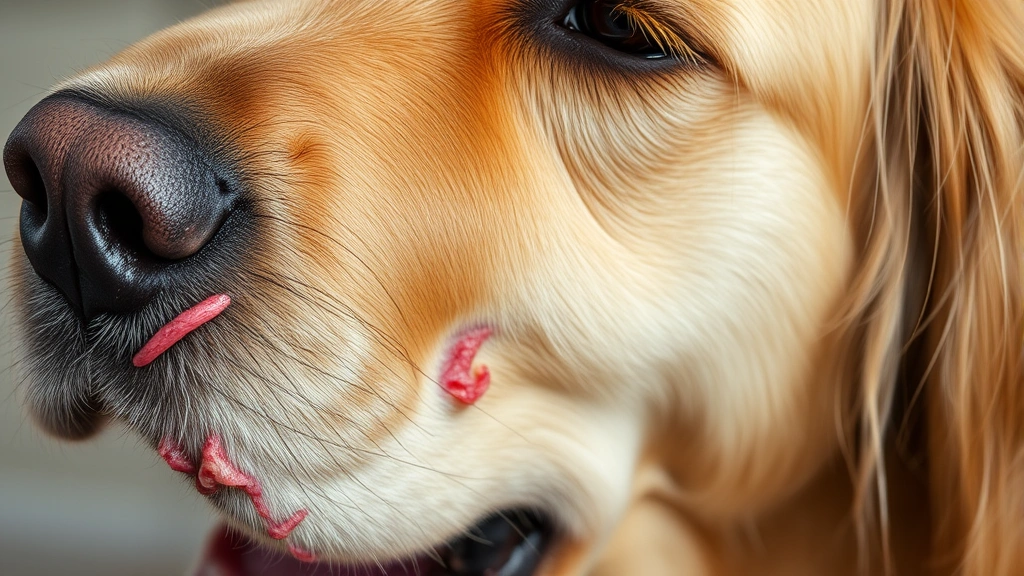
How to Treat Dog Mange: Expert Care Tips
If you’ve noticed your furry friend scratching more than usual, developing bald patches, or showing signs of skin irritation, mange might be the culprit. This pesky parasitic condition affects countless dogs every year, and while it sounds scary, the good news is that mange is highly treatable when caught early and managed properly. Whether your pup has just been diagnosed or you’re trying to prevent it altogether, we’ve got the complete guide to help you navigate this uncomfortable situation.
Mange isn’t just one condition—it’s actually a family of mite-related skin problems that can range from mild to severe. The key to successful treatment is understanding what type of mange your dog has, recognizing the symptoms, and working with your veterinarian to develop an effective treatment plan. In this comprehensive guide, we’ll walk you through everything you need to know about identifying, treating, and preventing mange so your dog can get back to being their happy, itch-free self.
What Is Dog Mange?
Mange is a skin condition caused by microscopic mites that burrow into or live on your dog’s skin. These tiny parasites trigger an inflammatory response that leads to intense itching, hair loss, and secondary skin infections if left untreated. Think of it as your dog’s skin throwing a party that nobody wanted to attend—the mites are the uninvited guests causing all the chaos.
The condition gets its name from the French word “manger,” meaning “to eat,” which is exactly what these mites do—they feast on your dog’s skin cells and oils. Different types of mites cause different forms of mange, and understanding which type your dog has is crucial for effective treatment. Some forms are contagious to other dogs, while others are not, making proper diagnosis essential for multi-pet households.
Mange can affect dogs of any age, breed, or size, though certain factors like stress, poor nutrition, or compromised immune systems can increase susceptibility. The condition ranges from localized (affecting small areas) to generalized (spreading across the body), and severity can vary dramatically between individual dogs.
Types of Mange in Dogs
Understanding the different types of mange is fundamental to getting your dog the right treatment. The two main categories are demodectic mange and sarcoptic mange, each caused by different mite species with distinct characteristics.
Demodectic Mange (Red Mange) is caused by Demodex canis mites that live naturally on all dogs’ skin. These mites only become problematic when a dog’s immune system is weakened, allowing the mite population to explode. This type is not contagious to other dogs or humans, which is a silver lining for families with multiple pets. Demodectic mange typically appears as localized hair loss and mild inflammation, though it can progress to generalized mange in severe cases.
Sarcoptic Mange (Scabies) is caused by Sarcoptes scabiei mites and is highly contagious to other dogs, cats, and even humans. This aggressive form causes intense itching and rapid skin deterioration. Infected dogs often develop crusty, thickened skin, especially around the ears, elbows, and hocks. If you suspect your dog has sarcoptic mange, isolation from other pets becomes necessary to prevent spread.
There’s also Otodectic Mange, which specifically affects the ear canal and is caused by Otodectes cynotis mites. While technically a form of mange, it’s often treated similarly to ear infections and presents with excessive ear scratching and dark discharge.

Recognizing Mange Symptoms
Early detection is your secret weapon against mange. The sooner you recognize symptoms, the faster you can get your dog treatment and relief from that maddening itch.
Common Mange Symptoms Include:
- Intense, persistent itching (sometimes worse at night)
- Hair loss, often in patches or localized areas
- Red, inflamed, or scaly skin
- Crusty or thickened skin, particularly on ears and joints
- Foul-smelling skin or ear discharge
- Behavioral changes like restlessness or anxiety from constant itching
- Secondary skin infections or pustules from excessive scratching
- Pigmentation changes in affected areas
One telltale sign that distinguishes sarcoptic mange is the “pinnal-pedal reflex”—if you gently scratch or rub the edge of your dog’s ear and they scratch their hind leg in response, it’s a classic indicator of sarcoptic mange. This quirky reflex happens because sarcoptic mites love the ears, and the sensation triggers an automatic scratching response elsewhere.
Don’t confuse mange with other skin conditions. Dogs that are constantly licking their paws might have allergies instead, while hot spots on dogs often result from different causes. However, mange can certainly lead to secondary hot spots if the itching and scratching become severe.
How Vets Diagnose Mange
Your veterinarian has several diagnostic tools to confirm mange and determine which type is affecting your pup. Don’t skip professional diagnosis—it’s absolutely worth the investment because the treatment approach differs significantly depending on the mite type.
Skin Scraping: This is the gold standard diagnostic test. Your vet will gently scrape your dog’s skin with a small blade and examine the collected material under a microscope to identify mites. For demodectic mange, they may need to scrape more deeply to find mites. Multiple scrapings might be necessary since mites can be sparse and difficult to locate.
Fungal Culture: Sometimes vets will also perform a fungal culture to rule out ringworm, which can mimic mange symptoms.
Impression Smear: For sarcoptic mange, vets might use an impression smear technique, pressing a glass slide against the skin to collect mites.
Clinical Observation: Experienced veterinarians can often suspect mange based on your dog’s symptoms, history, and response to the pinnal-pedal reflex test, though confirmation through microscopy is still recommended.
Be honest with your vet about your dog’s living conditions, any recent exposure to other dogs, and whether other pets in your home are showing symptoms. This information helps them determine the most likely diagnosis and appropriate treatment plan.

Treatment Options for Dog Mange
The treatment approach depends on the mange type, severity, and your individual dog’s health status. Your veterinarian will recommend the best option for your specific situation.
Veterinary Treatment for Demodectic Mange:
For localized demodectic mange affecting small areas, topical treatments often suffice. Your vet might recommend medicated shampoos or spot-on treatments containing ingredients like benzoyl peroxide or sulfur. Many cases of localized mange resolve on their own as the dog’s immune system strengthens.
Generalized demodectic mange requires more aggressive intervention. Getting rid of mites on dogs often involves injectable medications like ivermectin or oral medications such as milbemycin oxime. These systemic treatments work throughout the dog’s body to eliminate mites. The American Association of Feed Control Officials notes that proper nutrition supports immune function during treatment.
Veterinary Treatment for Sarcoptic Mange:
Sarcoptic mange typically requires more intensive treatment due to its highly contagious nature and the mites’ rapid reproduction cycle. Treatment options include:
- Injectable medications: Ivermectin injections given weekly for 2-4 weeks
- Oral medications: Tablets like milbemycin oxime or spinosad administered over several weeks
- Topical treatments: Prescription dips or spot-on treatments applied regularly
- Medicated baths: Lime sulfur dips are effective but can stain light-colored coats
Treatment duration typically spans 4-12 weeks, with multiple follow-up skin scrapings to confirm mite elimination. Your vet might recommend treating all pets in the household simultaneously, even those without symptoms, to prevent re-infestation.
Home Treatment Approach:
While treating mange in dogs at home requires diligent effort, there are supportive measures you can implement alongside veterinary care. Medicated shampoos containing coal tar, sulfur, or benzoyl peroxide help manage symptoms and reduce secondary infections. The ASPCA recommends consulting your vet before using any home remedies to ensure they’re safe for your specific dog.
Home Care and Management
While professional veterinary treatment is essential, your home care efforts significantly impact treatment success and your dog’s comfort during recovery.
Bathing and Skin Care:
Regular medicated baths are crucial for managing mange. Bathe your dog 2-3 times weekly with prescription or over-the-counter medicated shampoos. The warm water opens pores and helps the medication penetrate affected areas. Allow the shampoo to sit on your dog’s skin for 10 minutes before rinsing thoroughly. Pat your dog dry gently—vigorous rubbing can irritate already-sensitive skin.
Environmental Hygiene:
Mites can survive briefly in the environment, so thorough cleaning is essential. Wash your dog’s bedding, blankets, and toys in hot water weekly. Vacuum your home thoroughly, paying special attention to areas where your dog spends time. For sarcoptic mange cases, consider professional carpet cleaning to eliminate any mites that might be lurking.
Nutrition and Supplements:
A strong immune system is your dog’s best defense against mange. Feed high-quality dog food rich in omega-3 and omega-6 fatty acids, which support skin health. Many vets recommend adding fish oil supplements during treatment. Adequate protein ensures your dog has the building blocks necessary for skin repair and immune function.
Stress Reduction:
Since stress weakens immune function and can trigger demodectic mange, help your dog stay calm during treatment. Maintain regular exercise routines (unless your vet advises otherwise), provide mental stimulation through puzzle toys, and establish a consistent daily routine. Consider anxiety-reducing supplements like L-theanine if your dog is particularly stressed.
Preventing Secondary Infections:
Keep your dog’s nails trimmed short to minimize damage from scratching. Consider an Elizabethan collar (cone) if your dog is causing open wounds through excessive scratching. Monitor for signs of secondary bacterial infections like pus, increasing redness, or foul odors, and report these to your vet immediately.
Prevention Strategies
Once your dog has recovered from mange, prevention becomes paramount to avoid recurrence, especially with demodectic mange.
Immune System Support:
Since demodectic mange often results from immune compromise, focus on maintaining your dog’s immune health. Regular exercise, quality nutrition, stress management, and adequate sleep all contribute to a robust immune system. The American Kennel Club emphasizes the importance of preventive health care throughout your dog’s life.
Parasite Prevention:
While not all mange types are preventable through traditional flea and tick prevention, maintaining a comprehensive parasite prevention program helps overall skin health. Discuss year-round prevention options with your veterinarian, including treatments that also protect against mites.
Regular Veterinary Check-ups:
Schedule regular wellness exams so your vet can catch early signs of skin issues before they develop into full-blown mange. Early intervention is always easier than treating advanced cases.
Avoid Known Exposure:
For sarcoptic mange, avoid contact with dogs known to have the condition or animals living in unsanitary conditions. Be cautious at dog parks and boarding facilities during outbreak periods.
Maintain Skin Health:
Regular grooming, appropriate bathing (not too frequently, as over-bathing dries skin), and using quality grooming products support skin barrier function. Healthy skin is more resistant to mite colonization.
Genetic Considerations:
If your dog has had demodectic mange, avoid breeding them, as susceptibility can be hereditary. This consideration is important for responsible dog ownership and breeding practices.
Frequently Asked Questions
Can humans catch mange from dogs?
Demodectic mange is not contagious to humans—those mites are species-specific. However, sarcoptic mange can temporarily affect humans who have close contact with infected dogs, though the mites don’t reproduce on human skin and the condition resolves quickly. If you develop itching after contact with a dog with sarcoptic mange, wash thoroughly and contact your doctor.
How long does it take to cure mange?
Treatment duration varies depending on mange type and severity. Localized demodectic mange may resolve in weeks, while generalized cases or sarcoptic mange typically require 4-12 weeks of treatment. Some dogs need ongoing management or repeat treatments. Always complete the full course your vet recommends, even if symptoms improve earlier.
Is mange painful for dogs?
Mange itself isn’t painful, but the intense itching can be extremely uncomfortable and distressing for dogs. Constant scratching can lead to painful secondary infections and open wounds. Many dogs with mange show behavioral changes like anxiety or sleep disruption due to discomfort.
Can dogs get mange more than once?
Yes, especially with sarcoptic mange if re-exposed to the mite source. Demodectic mange can recur if the dog’s immune system becomes compromised again. Proper treatment and prevention strategies significantly reduce recurrence risk.
What’s the difference between mange and allergies?
While both cause itching, allergies typically affect multiple areas symmetrically and don’t show the characteristic mite burrows visible under microscopy. Allergies often have seasonal patterns, whereas mange symptoms persist consistently. Only a vet can definitively differentiate between the two through diagnostic testing.
Are there natural remedies for mange?
While some natural remedies like apple cider vinegar or coconut oil may provide symptomatic relief, they’re not sufficient as primary treatment for mange. The University of Florida College of Veterinary Medicine emphasizes that prescription medications are necessary for effective mite elimination. Always consult your vet before trying any home remedies.
Is mange contagious to cats?
Sarcoptic mange can occasionally affect cats, though it’s uncommon. Demodectic mange is species-specific and won’t affect cats. If you have a multi-pet household and your dog has sarcoptic mange, inform your vet so they can monitor your cat for any symptoms.
Can puppies get mange?
Yes, puppies can develop demodectic mange, particularly if they have immature immune systems or genetic predisposition. Puppies can also catch sarcoptic mange from infected dogs. Any puppy showing skin issues should be evaluated by a veterinarian promptly.