
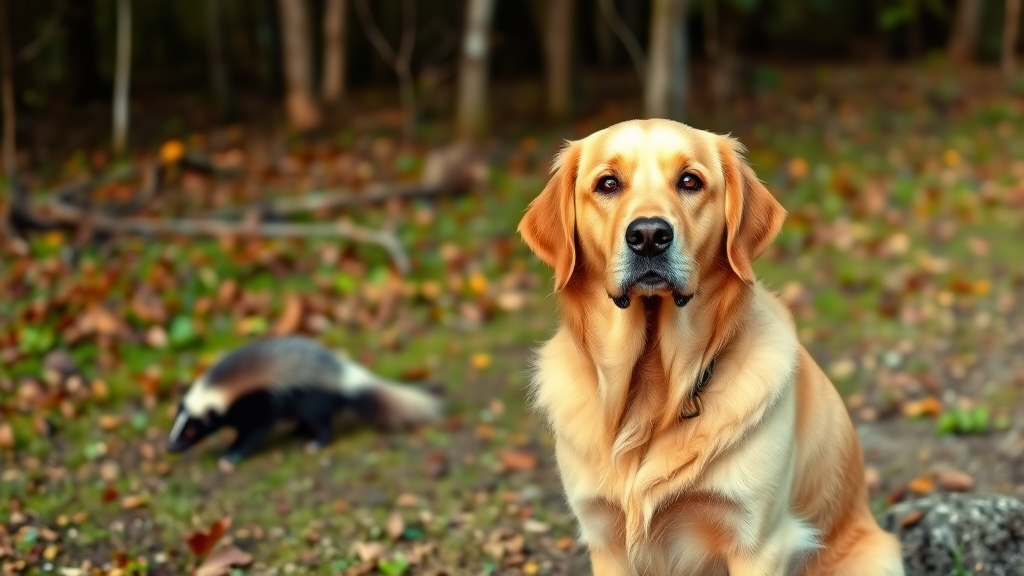
Few experiences are as overwhelming for dog owners as discovering their beloved pet has had an unfortunate encounter with a skunk. The distinctive, pungent odor that follows can seem impossible to eliminate, leaving both you and your furry friend in distress. Understanding how to get rid of skunk smell on dogs quickly and effectively is essential knowledge for any pet owner, especially those living in areas where skunks are common.
The good news is that with the right approach, materials, and patience, you can successfully banish that notorious skunk odor and restore your dog to their fresh, clean state. This comprehensive guide will walk you through proven methods, emergency treatments, and prevention strategies to ensure you’re prepared for any skunk-related mishaps. From homemade solutions to commercial products, we’ll explore every option to get your canine companion smelling sweet again.
Understanding Skunk Spray and Its Effects
Skunk spray is far more complex than most people realize. The oily substance contains sulfur-based compounds called thiols, which are responsible for the incredibly strong and persistent odor. These compounds are designed by nature to be long-lasting and difficult to remove, serving as an effective defense mechanism for skunks against predators.
When a dog gets sprayed, the thiols bind to proteins in their fur, skin, and even their saliva. This chemical bonding is why simply washing with regular soap and water proves ineffective. The American Veterinary Medical Association explains that the spray can cause temporary blindness, respiratory irritation, and intense discomfort for pets.
The concentration and potency of skunk spray can vary depending on factors such as the skunk’s age, health, and how recently it last used its spray. Adult skunks can spray accurately up to 10 feet away, and the odor can be detected from over a mile away under the right conditions. Understanding these characteristics helps explain why immediate and proper treatment is crucial.

Immediate Actions After a Skunk Encounter
Time is of the essence when dealing with skunk spray. The first few minutes after the encounter are critical for minimizing the odor’s penetration and making the cleaning process more effective. Your immediate response can significantly impact how long the smell lingers and how difficult it will be to eliminate completely.
First, keep your dog outside if possible. Bringing a freshly sprayed dog indoors will contaminate your house, carpets, furniture, and clothing. If you must bring them inside, confine them to a single room with hard flooring that can be easily cleaned. Remove any collar or harness that may have been contaminated, as these items will need separate treatment.
Check your dog’s eyes and mouth for signs of irritation. If the spray got directly in their eyes, flush them immediately with clean water or saline solution. Look for excessive drooling, pawing at the face, or signs of respiratory distress. The ASPCA recommends contacting your veterinarian if you notice severe irritation or breathing difficulties.
Resist the urge to let your dog shake or roll around, as this will spread the spray to unaffected areas. Similarly, avoid getting the spray on yourself by wearing old clothes and rubber gloves. Prepare your cleaning area outside if weather permits, or in a well-ventilated bathroom or garage.
Proven Deodorizing Solutions
The most effective homemade solution for skunk odor removal was developed by chemist Paul Krebaum and has been scientifically proven to neutralize thiols. This solution works by oxidizing the sulfur compounds, breaking the chemical bonds that create the odor. The formula consists of one quart of 3% hydrogen peroxide, 1/4 cup of baking soda, and one teaspoon of liquid dish soap.
This mixture must be used immediately after preparation and cannot be stored, as the chemical reaction that makes it effective also makes it unstable. The hydrogen peroxide acts as an oxidizing agent, the baking soda helps neutralize acids, and the dish soap helps break down the oily spray compounds. The American Chemical Society has validated this approach as the most effective method for neutralizing skunk spray.
Alternative solutions include tomato juice, vinegar solutions, and commercial skunk odor removers. While tomato juice is a popular folk remedy, it’s less effective than the hydrogen peroxide solution and mainly masks the odor rather than eliminating it. Vinegar can help neutralize some odors but isn’t specifically formulated for the complex thiols in skunk spray.
For dogs with sensitive skin or those who have had recent injuries, consult with your veterinarian before using any deodorizing solution. Some ingredients may cause irritation or interfere with healing wounds. Additionally, if your dog has any respiratory issues, ensure adequate ventilation during the cleaning process.
Step-by-Step Cleaning Process
Begin the cleaning process by working the deodorizing solution into your dog’s fur, starting from the area that received the most direct spray. Use your hands to massage the solution deep into the coat, ensuring it reaches the skin level where the thiols have bonded. Pay special attention to areas around the face, neck, and chest, as these are commonly targeted by skunks.
Allow the solution to sit for 5-10 minutes to give the chemical reaction time to neutralize the odor compounds. During this time, keep your dog calm and prevent them from shaking off the solution. If working on the face area, be extremely careful to avoid the eyes and mouth. Use a washcloth dampened with the solution for more precise application around sensitive areas.
After the treatment time, rinse thoroughly with lukewarm water. Complete rinsing is crucial because residual hydrogen peroxide can lighten your dog’s fur, and leftover baking soda can cause skin irritation. The rinse water should run clear, and you should no longer feel any grittiness from the baking soda when running your hands through the fur.
Evaluate the results after rinsing and drying. If odor persists, repeat the process, but limit treatments to avoid skin irritation. Some dogs may require multiple treatments, especially those with thick, double coats where the spray can penetrate deeply. Between treatments, you might need to address other grooming needs, such as ear cleaning if the spray affected those areas.
Commercial Products and Alternatives
Several commercial products are specifically designed for skunk odor removal and can be effective alternatives to homemade solutions. These products often contain enzymes or oxidizing agents similar to the hydrogen peroxide solution but in pre-measured, stable formulations. Popular brands include Nature’s Miracle Skunk Odor Remover, Anti Icky Poo, and Skunk-Off.
Enzymatic cleaners work by breaking down the organic compounds in skunk spray through biological processes. These products are typically gentler on sensitive skin and can be safer for dogs with allergies or skin conditions. However, they often require longer contact time and may need multiple applications to achieve complete odor elimination.
When selecting commercial products, look for those specifically labeled for skunk odor rather than general pet deodorizers. Read ingredients carefully and avoid products containing harmful chemicals or strong fragrances that might irritate your dog’s sensitive nose. The FDA’s Center for Veterinary Medicine provides guidelines for evaluating pet care products.
Some pet owners find success with activated charcoal products or ozone generators, though these methods are typically used for treating contaminated indoor spaces rather than directly on the dog. Professional grooming services may also offer specialized skunk odor removal treatments using commercial-grade equipment and products.
Post-Treatment Care and Monitoring
After successfully removing the skunk odor, monitor your dog for any signs of skin irritation or allergic reactions from the cleaning process. Some dogs may experience mild redness or itching, especially if they have sensitive skin or if multiple treatments were necessary. Watch for excessive scratching, licking, or signs of discomfort.
The cleaning process can be stressful for dogs, so provide plenty of comfort and positive reinforcement. Offer treats, gentle praise, and perhaps some extra attention to help them recover from the ordeal. If your dog seems anxious or traumatized by the experience, maintain a calm, reassuring presence and consider consulting with your veterinarian about stress-reduction strategies.
Check your dog’s eyes and nose for any lingering irritation. If you notice continued tearing, squinting, or nasal discharge, contact your veterinarian. While most skunk spray effects are temporary, some dogs may experience prolonged irritation that requires professional treatment. Unusual odors might sometimes indicate other health issues, similar to when owners notice fishy smells that could signal different problems.
Document the incident and your treatment approach for future reference. Note which solutions worked best, how many treatments were needed, and any complications that arose. This information will be valuable if another skunk encounter occurs and can help your veterinarian provide better advice for your specific dog.
Prevention Strategies
The best approach to dealing with skunk spray is preventing encounters in the first place. Skunks are most active during dawn and dusk hours, so limiting your dog’s outdoor activities during these times can reduce the risk of encounters. Keep your dog on a leash during walks, especially in areas known to have skunk populations.
Secure your property by removing attractants that might draw skunks to your yard. This includes properly storing garbage, cleaning up fallen fruit, and eliminating sources of standing water. Install motion-activated lights around your property, as skunks prefer to forage in darkness and may be deterred by sudden illumination.
Consider fencing modifications if skunks are a persistent problem in your area. While skunks can dig and climb to some extent, proper fencing can significantly reduce their access to your property. The National Wildlife Federation provides information about skunk behavior and habitat preferences that can help inform your prevention strategies.
Train your dog to respond reliably to recall commands, as this can help you call them away from potential skunk encounters before they escalate. Practice these commands regularly and reward successful responses. Some owners find success with deterrent sprays or noise-making devices, though these should be used cautiously and in accordance with local wildlife regulations.
Maintaining your dog’s overall health and proper nutrition can also play a role in prevention. A well-nourished dog is more likely to respond appropriately to training and less likely to wander off in search of food sources that might attract skunks. Consider incorporating healthy treats like properly prepared chicken into their diet as training rewards.
Frequently Asked Questions
How long does skunk smell last on a dog without treatment?
Without proper treatment, skunk odor can persist on a dog for several weeks to months. The oily thiols in skunk spray bond strongly to fur and skin proteins, making them extremely difficult to remove with time alone. Weather conditions, your dog’s coat type, and the concentration of spray all affect how long the smell lingers. Immediate treatment is always recommended to minimize duration and intensity.
Can I use the hydrogen peroxide solution on puppies or dogs with sensitive skin?
Exercise extra caution when using hydrogen peroxide solutions on puppies, elderly dogs, or those with known skin sensitivities. The solution can cause irritation or lightening of the fur. For sensitive dogs, dilute the solution slightly or consult your veterinarian about gentler alternatives like enzymatic cleaners. Always test a small area first and monitor for adverse reactions during and after treatment.
Is it safe to bring my dog inside before removing all the skunk odor?
It’s best to keep your dog outside until the odor is significantly reduced. Bringing a freshly sprayed dog indoors will contaminate your home’s surfaces, fabrics, and air systems. If you must bring them inside due to weather or safety concerns, confine them to a single room with hard flooring and good ventilation. Remove any fabric items that could absorb the odor.
What should I do if my dog was sprayed directly in the face?
If your dog’s face was sprayed, immediately flush their eyes with clean water or saline solution to prevent corneal damage. Avoid getting cleaning solutions near the eyes and mouth. Use a damp cloth to gently clean around the facial area rather than applying solutions directly. Contact your veterinarian if you notice excessive tearing, squinting, drooling, or signs of respiratory distress, as these may indicate serious irritation requiring professional treatment.
How many times can I repeat the deodorizing treatment?
Limit treatments to 2-3 applications within a 24-hour period to avoid skin irritation. If the odor persists after multiple treatments, wait at least 24 hours before attempting again, or switch to a gentler enzymatic cleaner. Excessive use of hydrogen peroxide can cause chemical burns or severe skin irritation. Monitor your dog’s skin condition between treatments and consult your veterinarian if irritation develops.
Will the skunk smell affect my dog’s health long-term?
Skunk spray typically doesn’t cause long-term health effects, though it can cause temporary irritation to eyes, nose, and respiratory system. Most dogs recover completely within a few days. However, if your dog shows signs of prolonged distress, difficulty breathing, or severe skin reactions, consult your veterinarian. In rare cases, dogs may develop temporary aversion to certain areas or activities associated with the traumatic experience.
Can I prevent my dog from rolling or shaking after being sprayed?
Try to keep your dog as calm as possible immediately after spray exposure. Use a leash or gentle restraint to prevent rolling, which spreads the spray to unaffected areas. Speak in soothing tones and avoid sudden movements that might startle them into shaking. If your dog is highly agitated, focus on safety first and begin treatment as soon as you can safely handle them. Some dogs may need emergency veterinary attention if they’re showing signs of severe distress, similar to situations where owners might need to know emergency response techniques.





