
How to Get Rid of Dog Urine Smell: Effective Tips
If you’re a dog parent, you’ve probably encountered that unmistakable pungent odor of dog urine at some point. Whether it’s a fresh accident or a lingering smell that won’t quit, dog urine odor can be stubborn and frustrating to eliminate. The good news? With the right techniques and a bit of elbow grease, you can banish that smell from your home for good.
Dog urine contains uric acid, ammonia, and other compounds that create that characteristic acrid smell. What makes it particularly challenging is that urine can soak deep into fabrics, padding, and even concrete, making surface-level cleaning ineffective. Understanding how to properly identify and treat affected areas is key to reclaiming your fresh-smelling home.
In this comprehensive guide, we’ll walk you through proven methods to eliminate dog urine odor from every corner of your house, from carpets and furniture to hard floors and outdoor spaces. We’ll also explore preventative measures and when it might be time to call in the professionals.
Identifying Urine Problem Areas
Before you can tackle the smell, you need to find the source. This might seem obvious for fresh accidents, but old urine stains can be surprisingly elusive. The human nose isn’t always reliable for tracking down every affected spot, especially in homes where accidents have accumulated over time.
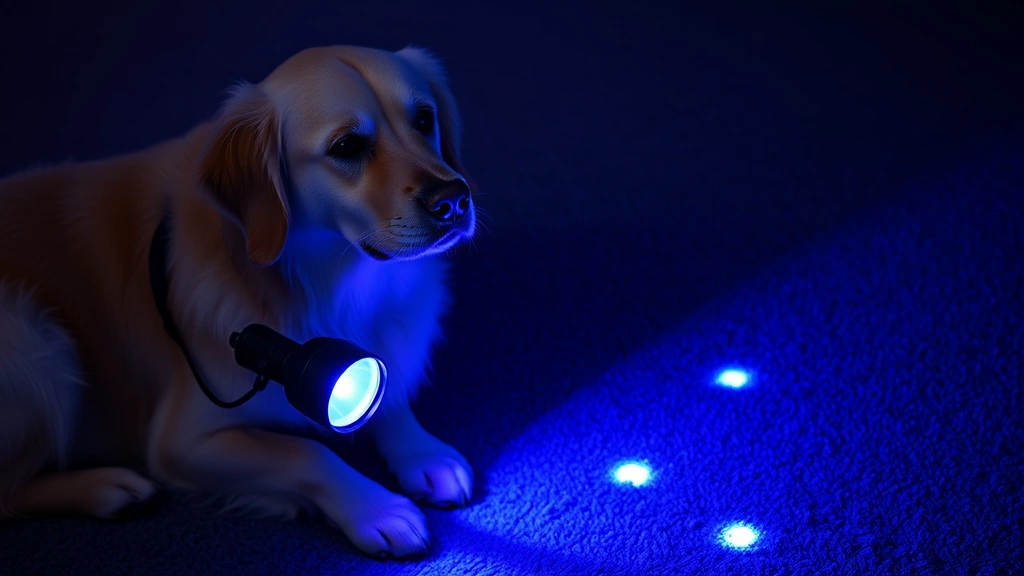
Use a blacklight or UV flashlight to detect urine spots you might have missed. In a darkened room, urine will glow under ultraviolet light, revealing hidden accidents on carpets, walls, and furniture. This tool is invaluable for thorough detection and ensures you don’t miss any contaminated areas.
Once you’ve identified problem spots, mark them clearly so you can treat them systematically. Pay special attention to corners, baseboards, and areas where your dog spends the most time. If your pup has a favorite spot for accidents, addressing the underlying cause is crucial—which might involve stopping dog peeing in the house through behavioral training or medical intervention.
Consider whether your dog’s accidents might indicate a health issue. Excessive urination can signal urinary tract infections, diabetes, or other medical conditions. If you’re concerned about your dog’s bathroom habits, consult your veterinarian to rule out underlying health problems before focusing solely on odor elimination.
The Power of Enzymatic Cleaners
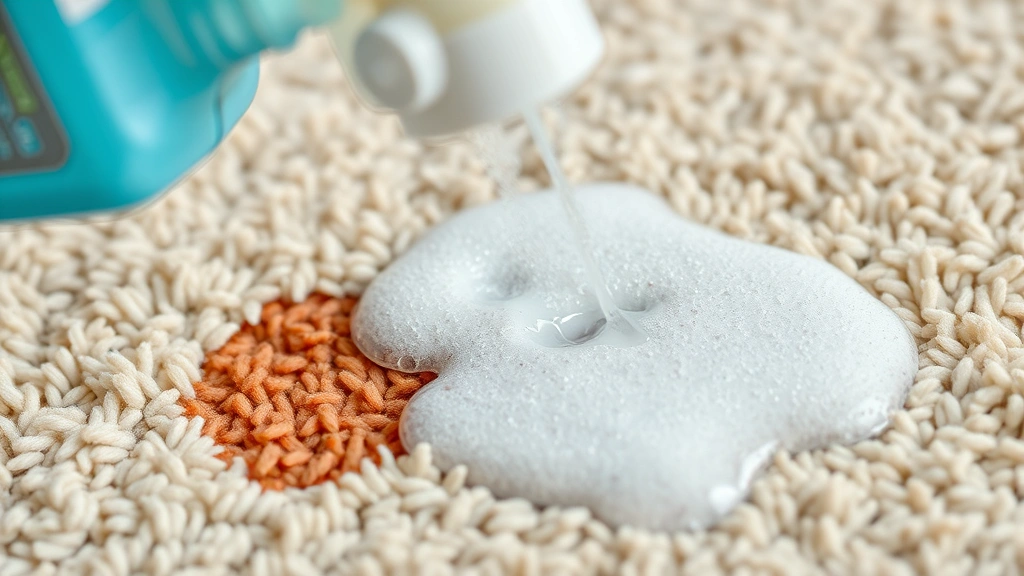
Enzymatic cleaners are your secret weapon against dog urine smell. Unlike traditional cleaners that merely mask odors, enzymatic cleaners break down the uric acid crystals that cause the persistent smell. These specialized products contain natural enzymes that literally consume the organic compounds in urine, eliminating the odor at its source rather than just covering it up.
When selecting an enzymatic cleaner, look for products specifically formulated for pet urine. Popular options include Nature’s Miracle, Rocco & Roxie, and Unique Pet Care. Apply the cleaner generously to affected areas, saturating the spot thoroughly. The enzymes need time to work, so follow the product instructions carefully—most require 24 to 72 hours of drying time for maximum effectiveness.
Pro tip: Don’t use heat or steam cleaners before using enzymatic cleaners, as high temperatures can denature the enzymes and render them ineffective. Always use enzymatic cleaners first, then apply heat if needed for drying.
For best results, ensure the area stays wet with the enzymatic solution for the recommended duration. This might mean covering the area with plastic or preventing your dog from accessing it during the treatment period. The longer the enzymes have to work, the more thoroughly they’ll break down the urine compounds.
Carpet and Rug Solutions
Carpets are particularly vulnerable to absorbing and trapping dog urine, making them one of the most challenging surfaces to clean. The porous nature of carpet fibers means urine can penetrate deep into the backing and padding, which is why cleaning dog accidents from carpet requires thorough treatment.
For fresh accidents: First, blot up as much urine as possible using paper towels or cloth rags. Don’t rub, as this pushes the urine deeper into the fibers. Once you’ve removed the bulk of the liquid, apply your enzymatic cleaner and follow the manufacturer’s instructions carefully.
For old stains: These require more aggressive treatment. Mix equal parts white vinegar and water in a spray bottle and apply it to the stained area. Let it sit for 5-10 minutes, then blot thoroughly. Follow this with an enzymatic cleaner application. The vinegar helps break down some of the uric acid crystals before the enzymes finish the job.
If the smell persists after enzymatic treatment, you might need to remove and replace the carpet padding underneath. Urine can soak through the carpet into the padding and subfloor, and no amount of surface cleaning will help if the padding is saturated. This is particularly important if you’re dealing with multiple accidents in the same area.
Another effective method involves using baking soda as a secondary treatment. After enzymatic cleaning and drying, sprinkle baking soda liberally over the treated area. Let it sit for several hours or overnight, then vacuum thoroughly. Baking soda is excellent at absorbing residual odors.
Tackling Furniture and Upholstery
Couches, chairs, and other upholstered furniture can absorb urine just as readily as carpets. If you’re wondering how to get dog pee smell out of your couch, the approach depends on the furniture type and severity of the problem.
For removable cushions and covers: Check care labels first. If machine washable, remove them and wash in hot water with an enzymatic pet cleaner. If not machine washable, apply enzymatic cleaner directly to the fabric, let it soak for 24 hours, and then spot-clean with a damp cloth.
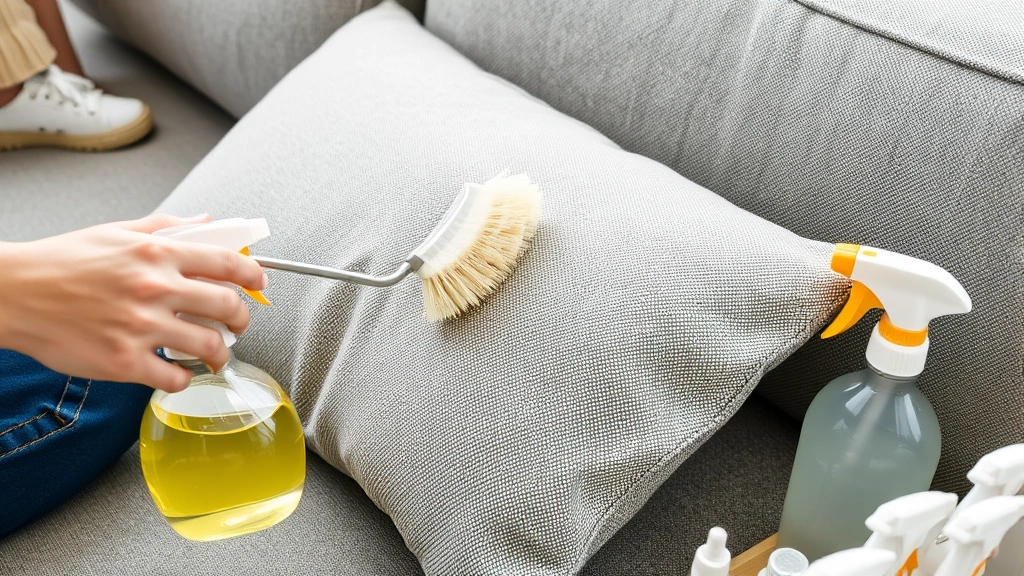
For permanent upholstery: Saturate the affected area with enzymatic cleaner using a spray bottle. Work the solution into the fabric gently with a soft brush or cloth, then allow it to dry completely. You may need to repeat this process multiple times for heavily soiled furniture.
For stubborn odors, consider using an odor-eliminating spray after the enzymatic treatment has dried. Products containing activated charcoal or specialized odor-neutralizing compounds can help eliminate any remaining smell. Always test these products on an inconspicuous area first to ensure they don’t damage or discolor your furniture.
If furniture is beyond saving, it might be time to replace it. A new couch is certainly more pleasant than one that perpetually smells of old urine, and starting fresh can motivate you to implement better prevention strategies.
Hard Floor Strategies
Hard flooring—whether tile, laminate, vinyl, or hardwood—presents different challenges than porous surfaces. While urine doesn’t soak as deeply into hard floors, it can seep into grout lines and between planks, creating persistent odor problems.
For sealed hard floors: Clean with a mixture of equal parts white vinegar and water, or use an enzymatic cleaner formulated for hard surfaces. Apply the solution, let it sit for 10-15 minutes, then mop thoroughly with clean water. Ensure the floor dries completely to prevent water damage.
For grout lines and crevices: These require special attention. Use a grout brush or old toothbrush to scrub enzymatic cleaner directly into grout lines. Let the cleaner sit for 24 hours, then scrub again and rinse thoroughly. For severe cases, you might need to apply the treatment multiple times.
For hardwood floors: Be cautious with hardwood, as excessive moisture can cause damage. Use enzymatic cleaners specifically formulated for wood floors, applying them sparingly. Never let liquid pool on hardwood surfaces. If urine has penetrated the wood, you may need to sand and refinish the affected area.
After cleaning hard floors, consider applying a pet-safe sealant to grout or concrete to prevent future urine from penetrating. This creates a protective barrier that makes future cleaning much easier.
Prevention and Long-Term Solutions
The best way to deal with dog urine smell is to prevent accidents in the first place. While accidents happen with even the best-trained dogs, implementing preventative strategies can significantly reduce odor problems.
Address the root cause: If your dog is having frequent accidents, investigate why. Is your dog getting enough bathroom breaks? Do they have access to fresh water? Are they experiencing stress or anxiety? Understanding the underlying reason for accidents is essential. If behavioral issues are involved, stopping your dog from peeing in the house might require patience and consistent training.
Maintain a regular bathroom schedule: Take your dog outside frequently, especially after meals, naps, and playtime. Puppies and senior dogs need more frequent breaks than adult dogs in their prime.
Use enzymatic spot treatments regularly: Even if you don’t see visible accidents, enzymatic treatments can help break down microscopic urine residue before it becomes a noticeable problem. Monthly treatments in high-traffic areas can prevent odor buildup.
Invest in washable furniture covers: Protect your couch and chairs with washable covers that can be removed and laundered regularly. This is especially helpful if you have a dog that’s still house-training or one prone to accidents.
Consider your dog’s health: If your dog suddenly starts having accidents or exhibits changes in bathroom habits, consult your veterinarian. Conditions like blood in dog urine can indicate serious health issues requiring immediate medical attention.
Additionally, eliminating general dog odor from your home through regular grooming, washing bedding, and improving ventilation creates an overall fresher environment that makes any lingering urine smell more noticeable and easier to identify and treat.
When to Call the Professionals
Sometimes, despite your best efforts, dog urine odor persists. This is when professional help becomes invaluable. Professional pet odor removal services have industrial-strength equipment and specialized enzymatic treatments that go far beyond what’s available to consumers.
Signs you need professional help:
- Odor persists after multiple enzymatic treatments
- You’ve identified multiple urine spots throughout your home
- Previous tenants’ dogs left behind lingering odors
- You’re preparing to sell your home and need to eliminate all traces of pet odor
- You suspect urine has penetrated into subfloors or walls
Professional cleaners use tools like ozone generators, thermal imaging to locate all urine spots, and industrial enzymatic treatments. While this service costs more than DIY solutions, it’s often worth the investment for severely affected homes.
Some professionals also offer carpet and padding replacement services if the damage is extensive. They can assess whether cleaning will suffice or if replacement is necessary, helping you make informed decisions about your home.
Before hiring a professional service, research local options, read reviews, and ask about their specific methods for treating dog urine. Request references and inquire about guarantees on their work.
Frequently Asked Questions
What’s the most effective way to eliminate dog urine smell?
Enzymatic cleaners are the most effective solution because they break down the uric acid and other compounds causing the odor, rather than just masking it. For best results, use them on all affected areas and allow adequate drying time. Combining enzymatic treatment with baking soda absorption provides excellent results.
How long does it take for enzymatic cleaners to work?
Most enzymatic cleaners require 24-72 hours to fully work. During this time, the enzymes break down urine compounds. Keep the treated area undisturbed and properly ventilated. Patience is essential—rushing the process by using heat or traffic will compromise effectiveness.
Can I use bleach to clean dog urine?
No, avoid bleach. When bleach mixes with urine ammonia, it creates toxic fumes. Additionally, bleach doesn’t break down uric acid crystals; it only kills surface bacteria and can damage fabrics and floors. Stick with enzymatic cleaners or vinegar-based solutions instead.
Why does dog urine smell so strong?
Dog urine contains uric acid, ammonia, and bacterial compounds that create a potent odor. The smell intensifies as urine dries and bacteria multiply. Male dog urine often smells stronger than female urine due to hormonal differences.
Should I use a steam cleaner on dog urine?
Only use steam cleaners after enzymatic treatment has dried. Heat can actually denature enzymes and set urine stains deeper into fabrics. Always apply enzymatic cleaners first, allow them to dry completely, then use steam cleaning if needed.
How can I prevent my dog from peeing in the same spot repeatedly?
Dogs often return to spots where they’ve previously eliminated. After enzymatic cleaning, thoroughly remove all scent markers. Use deterrent sprays or physical barriers to prevent access to problem areas. If your dog is marking territory, consult your veterinarian about spaying or neutering if not already done.
What should I do if the smell returns after cleaning?
Returning odor typically indicates incomplete treatment. You may have missed some contaminated areas (use a blacklight to find them), or urine may have penetrated deeper than surface treatment can reach. Professional cleaning or carpet replacement might be necessary.
Are there natural alternatives to commercial enzymatic cleaners?
While vinegar and baking soda help, they’re not as effective as commercial enzymatic cleaners at breaking down uric acid. Hydrogen peroxide is another option, but commercial enzymatic products are scientifically formulated for pet urine and offer superior results.





