

How to Give a Dog a Bath: Step-by-Step Guide
Let’s face it—bath time can be a bit of a production. Whether your pup is a mud-loving adventurer or just overdue for a refresh, knowing how to give a dog a bath properly makes the whole experience smoother for everyone involved. A good bath isn’t just about getting your furry friend clean; it’s an opportunity to check their skin health, strengthen your bond, and maybe even prevent future grooming disasters.
The key to successful dog bathing is preparation and patience. Most dogs don’t naturally love water, but with the right approach, you can transform bath time from a wrestling match into a manageable—even enjoyable—routine. This comprehensive guide walks you through everything you need to know, from gathering supplies to the final shake-off.
Whether you’re bathing a tiny Chihuahua or a massive Great Dane, the fundamentals remain the same. Let’s dive into the details and make bath time less stressful for both you and your pup.
Preparation: Setting Yourself Up for Success
The best baths start before water ever touches your dog. Proper preparation can mean the difference between a quick 15-minute session and a chaotic hour-long ordeal. Think of it like meal prep—a little planning upfront saves massive headaches later.
Start by brushing your dog thoroughly before bath time. This removes loose fur, mats, and tangles that become even more problematic when wet. A good pre-bath brushing also helps you spot any skin issues that might need attention. Next, trim your dog’s nails if needed—they’ll have better traction in the tub with freshly trimmed paws.
Consider the timing of your bath. Avoid bathing your dog right before bedtime if they tend to get the zoomies afterward, or right before meals. The best time is usually mid-morning or early afternoon when your dog is relatively calm. Also, make sure your dog has gone potty beforehand—nobody wants accidents in the tub.
Finally, mentally prepare yourself. Dogs pick up on anxiety and stress, so approach bath time with calm confidence. If you’re relaxed, your pup is more likely to be relaxed too.
Essential Supplies You’ll Need
Gathering everything before you start prevents mid-bath scrambling. Here’s your complete bathing toolkit:
- Dog-specific shampoo: Never use human shampoo on dogs. If you’re wondering whether you can use baby shampoo on dogs, the answer is typically no—dogs have different skin pH levels. Always choose a quality dog shampoo formulated for your pup’s skin type.
- Conditioner: Optional but recommended for long-haired breeds or dogs with dry skin
- Washcloths and towels: Use soft, absorbent towels—have at least three on hand
- Non-slip mat: Essential for preventing slips in a wet tub
- Spray nozzle or cup: For controlled water application and rinsing
- Cotton balls: To prevent water from entering ear canals
- Treats: High-value rewards for positive reinforcement
- Grooming scissors: For any trimming needs
- Hair dryer: A pet-specific one or on the lowest setting
Pro tip: Set up a designated bathing station with all supplies within arm’s reach. This could be your bathroom, a walk-in shower, or a specialized dog grooming tub.
The Step-by-Step Bathing Process
Now for the main event. Follow these steps to ensure a thorough, stress-free bath:
- Start slow: Let your dog get acclimated to the bathing area. Don’t immediately turn on water. Let them explore and sniff around.
- Place cotton balls in ears: Gently insert cotton balls into each ear to prevent water from entering the ear canal. While you’re at it, familiarize yourself with how to clean dogs ears for post-bath care.
- Wet their coat: Start with lukewarm water on their back legs and gradually work upward. Avoid the face initially.
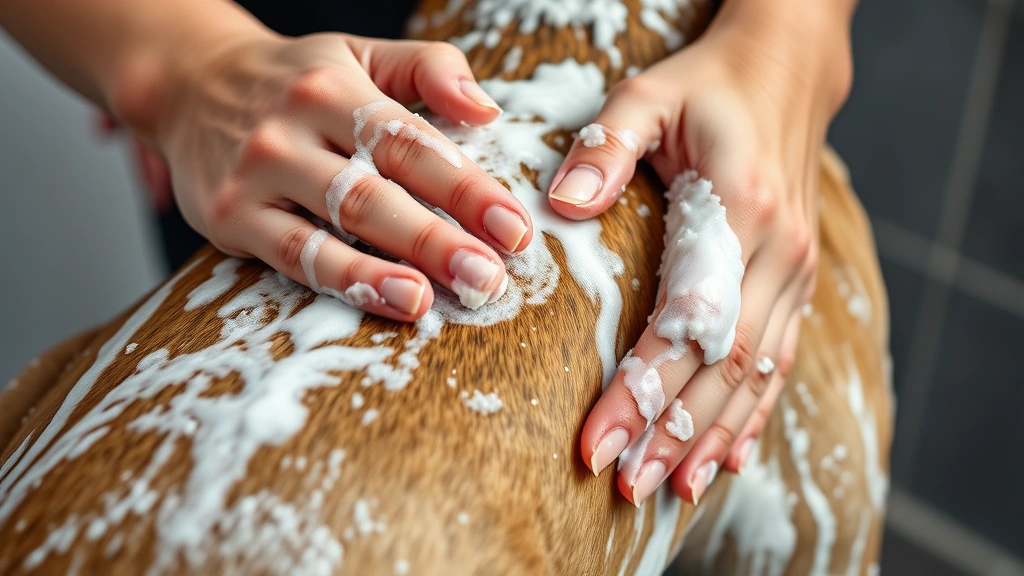
- Apply shampoo: Start at the back of the neck and work down the body. Use your fingers to massage the shampoo into the coat, working it down to the skin.
- Work in sections: Divide your dog’s body into zones—back legs, front legs, torso, chest, and finally the head and face.
- Be patient with the face: Use a damp washcloth rather than spraying water directly on the face. This prevents water from going up the nose.
- Rinse thoroughly: This step cannot be overstated. Leftover shampoo causes itching and skin irritation.
- Apply conditioner: If using conditioner, apply and let it sit for 2-3 minutes before rinsing thoroughly.
Getting Water Temperature Just Right
Water temperature significantly impacts your dog’s comfort and safety. The ideal temperature is around 100-102°F (37.8-39°C)—approximately the same as a dog’s body temperature. Test the water with your elbow or a thermometer before applying it to your dog.
Water that’s too hot can burn your dog’s sensitive skin and cause stress. Water that’s too cold is uncomfortable and discourages cooperation. If you’re uncertain, err on the side of slightly cooler rather than hotter. Most dogs tolerate lukewarm water better than steaming hot water.
During winter months, warming the bathroom beforehand prevents your wet dog from getting chilled. Close windows and doors, and consider using a space heater if necessary. A cold, wet dog is an unhappy dog and more likely to resist future baths.
Shampooing Your Dog Properly
The shampooing phase requires technique beyond simply dumping soap on your dog. Proper shampooing ensures deep cleaning and prevents skin irritation.
First, dilute your shampoo slightly with water—this helps it spread evenly and rinses out more easily. Pour the diluted shampoo into your palm and apply it section by section, working it into a lather with your fingertips. Never use your nails; use the pads of your fingers to massage gently into the coat.
Pay special attention to areas that accumulate dirt: paws, armpits, groin, and the tail base. These spots often get overlooked but harbor the most bacteria and debris. For dogs with skin conditions, ensure the shampoo contacts the skin, not just the fur.
Work methodically from head to tail, always moving in the direction of hair growth. This prevents matting and ensures even coverage. The entire shampooing process should take 5-10 minutes depending on your dog’s size and coat type.

Thorough Rinsing Techniques
Rinsing is where many people rush, and it’s a critical mistake. Inadequate rinsing leaves shampoo residue that causes itching, flaking, and irritation. Your dog’s skin will thank you for thorough rinsing.
Use a shower nozzle or cup to rinse systematically, starting at the head and working downward. Make sure water reaches the skin, not just the surface of the coat. Rinse each section at least twice—once to remove most of the shampoo, and a second time to catch any remaining residue.
For long-haired dogs, part the fur in sections and rinse directly to the skin. You might think you’re done rinsing when you’re actually only halfway there. Keep rinsing until the water runs completely clear with no soap suds. This typically means 3-5 minutes of continuous rinsing for most dogs.
Pay extra attention to areas where shampoo hides: between toes, under the tail, in armpits, and around the face. These spots often retain soapy water that causes problems post-bath.
Protecting Sensitive Areas
Certain areas require extra care and attention during bathing. Your dog’s face, ears, and eyes are particularly sensitive and prone to irritation.
Face and head: Never spray water directly into your dog’s face. Instead, use a damp washcloth to gently wipe the face. Work from the inside of the eyes outward to prevent debris from entering the eyes. If your dog needs ear cleaning, learn proper ear cleaning techniques before attempting it during a bath.
Eyes: Keep shampoo away from the eyes entirely. If shampoo does get in the eye, rinse immediately with cool, clean water. Some dog owners use eye ointment designed for pets to protect eyes during bathing—ask your vet if this is appropriate for your dog.
Ears: The cotton balls you inserted earlier will protect the inner ear canal, but keep water away from the ear flaps and outer ear area. Moisture in ears creates an ideal environment for yeast and bacterial infections.
Nose and mouth: Be gentle around the muzzle area. Never force water into the nose or mouth, as this can cause aspiration or stress.
Drying Your Dog After a Bath
Drying is just as important as bathing itself. Improper drying can lead to skin issues, matting, and that distinctive wet dog smell.
Start by removing the cotton balls from your dog’s ears immediately after the final rinse. Then, gently squeeze excess water from your dog’s coat with your hands—avoid wringing motions that can mat the fur. Next, wrap your dog in a large, absorbent towel and let them relax for a minute while the towel absorbs moisture.
For most dogs, vigorous towel drying works well. Rub with the grain of the hair, not against it. Some dogs will naturally shake water off—and yes, there’s a reason dogs shake after a bath. This natural behavior helps remove water, so let them shake!
For thorough drying, especially with long-haired breeds, consider using a pet-specific hair dryer on the lowest heat setting. Never use high heat, which can burn sensitive skin. Keep the dryer moving constantly to prevent heat concentration in one area. Alternatively, learn comprehensive techniques for drying your dog after a bath to ensure complete moisture removal.
After drying, gently brush through the coat to remove tangles and prevent matting. This is also an excellent time to check the skin for any abnormalities.
Common Bathing Mistakes to Avoid
Learning what NOT to do is just as valuable as learning the correct techniques. Here are common mistakes that can turn bath time into a nightmare:
- Using human shampoo: Human and dog skin have different pH levels. Human shampoo disrupts your dog’s natural skin barrier, causing irritation and dryness.
- Inadequate rinsing: Shampoo residue causes itching and skin problems. When you think you’re done rinsing, rinse again.
- Water too hot or too cold: Uncomfortable water temperatures stress your dog and create negative associations with baths.
- Rushing the process: Dogs sense your anxiety and stress. Take your time and stay calm.
- Bathing too frequently: Most dogs only need bathing every 4-12 weeks, depending on breed and lifestyle. Over-bathing strips natural oils from the coat.
- Neglecting the pre-bath brush: Skipping pre-bath grooming means bathing mats and tangles into the coat, making them harder to remove.
- Forgetting ear protection: Water in the ears leads to infections. Always use cotton balls.
- Using products designed for other species: Cat shampoos, human shampoos, and other animals’ products aren’t formulated for dogs and can cause problems.
Frequently Asked Questions
How often should I bathe my dog?
Most dogs benefit from bathing every 4-12 weeks, depending on their breed, coat type, and lifestyle. Dogs with oily coats or those who spend time outdoors may need more frequent baths, while those with dry skin might need less frequent bathing. Consult your veterinarian for personalized recommendations based on your specific dog’s needs.
Can I use baby shampoo on my dog?
While baby shampoo is gentler than adult human shampoo, it’s still not ideal for dogs. Dogs have a different skin pH than humans, and even baby shampoo can disrupt their natural skin barrier. Explore whether baby shampoo is appropriate for dogs and stick with formulations specifically designed for canine skin.
What should I do if my dog hates baths?
Dogs that fear baths often had negative experiences or weren’t properly introduced to water. Start slowly with positive reinforcement—offer treats and praise for simply stepping into the tub. Begin with shallow water and gradually increase the amount. Never force your dog into the bath; patience is key. Consider consulting a professional dog trainer if bath anxiety is severe.
Is it okay to bathe a puppy?
Yes, but with caution. Puppies can be bathed starting around 8 weeks of age, though many vets recommend waiting until 12 weeks. Use lukewarm water, a gentle puppy-specific shampoo, and keep the experience positive. Young puppies have less developed temperature regulation, so keep baths short and warm them up afterward.
What’s the best way to prevent water from entering my dog’s ears?
The most effective method is inserting cotton balls into the ear canals before bathing. Place them gently but firmly—they should stay in place without being forced deep into the canal. Additionally, avoid spraying water directly at the head and ears. If water does enter the ear, contact your veterinarian, especially if your dog shows signs of infection.
Should I condition my dog’s coat after shampooing?
Conditioning is beneficial for most dogs, especially those with long coats, dry skin, or curly hair. Conditioner helps maintain moisture, reduces matting, and keeps the coat shiny. However, dogs with naturally oily coats might not need conditioning. Leave conditioner on for 2-3 minutes before thoroughly rinsing.
What temperature water is safest for dog baths?
The ideal water temperature is around 100-102°F (37.8-39°C), matching your dog’s body temperature. Test water with your elbow before applying it to your dog. Water that’s too hot can burn sensitive skin and cause stress, while water that’s too cold is uncomfortable and discourages cooperation. When in doubt, choose slightly cooler rather than hotter.
Can I use a human hair dryer on my dog?
Human hair dryers can work on the absolute lowest heat setting, but pet-specific dryers are safer. Human dryers often get too hot and can burn delicate dog skin. If using a regular hair dryer, keep it at least 6 inches away from the skin and keep it moving constantly. Pet-specific dryers are designed with dogs’ needs in mind and are worth the investment for regular bathing.





