

When your beloved canine companion is struggling with constipation, it can be both concerning and uncomfortable for everyone involved. Dog constipation is more common than many pet owners realize, affecting dogs of all ages and breeds. Understanding how to help a constipated dog is essential for maintaining your pet’s digestive health and overall well-being.
Constipation in dogs occurs when bowel movements become infrequent, difficult, or painful to pass. While occasional digestive irregularities are normal, persistent constipation can lead to serious health complications if left untreated. Fortunately, there are numerous gentle, effective remedies that can help restore your dog’s digestive comfort and prevent future episodes.
Recognizing Constipation in Dogs
Identifying constipation in your dog requires careful observation of their bathroom habits and overall behavior. Normal dogs typically defecate once or twice daily, though this can vary based on diet, age, and individual metabolism. Signs of constipation include straining during bowel movements, producing small, hard, dry stools, or going more than two days without defecating.
Physical symptoms often accompany digestive distress. Your dog may exhibit decreased appetite, lethargy, vomiting, or visible discomfort when attempting to defecate. Some dogs may assume the defecation position repeatedly without producing results, while others might whimper or show signs of pain during elimination attempts.
Behavioral changes can also indicate constipation issues. Dogs may become reluctant to walk, show decreased interest in activities, or display restlessness due to abdominal discomfort. According to the American Kennel Club, chronic constipation can lead to more serious complications, making early recognition crucial for your pet’s health.
Common Causes of Canine Constipation
Understanding the root causes of constipation helps in both treatment and prevention. Dietary factors represent the most common culprits, including insufficient fiber intake, inadequate water consumption, or sudden diet changes. Dogs who consume too many bones, particularly cooked bones, often experience constipation due to the calcium content and bone fragments.
Medical conditions can significantly impact digestive function. Enlarged prostate glands in male dogs, intestinal obstructions, hernias, or tumors may physically impede normal bowel movements. Neurological disorders affecting the muscles responsible for defecation can also contribute to chronic constipation issues.
Lifestyle factors play important roles in digestive health. Sedentary dogs are more prone to constipation than active ones, as regular exercise stimulates intestinal motility. Stress, anxiety, or changes in routine can affect a dog’s bathroom habits, while certain medications may cause constipation as a side effect.
Age-related changes often contribute to digestive problems in senior dogs. Decreased muscle tone, reduced mobility, and age-related health conditions can all impact normal bowel function. PetMD research indicates that older dogs require special attention to maintain healthy digestive patterns.
Dietary Solutions and Fiber-Rich Foods
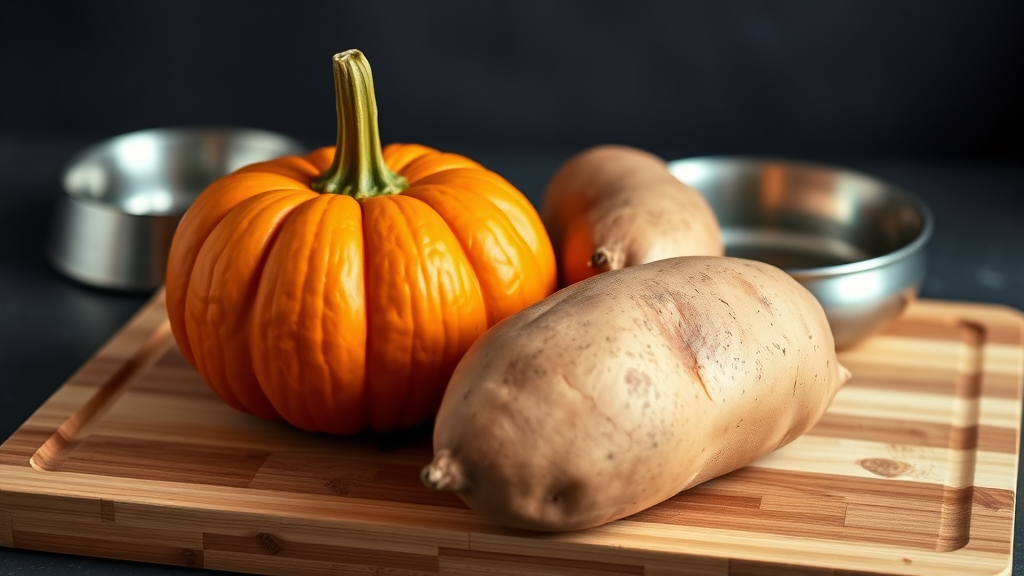
Dietary modifications often provide the most effective long-term solutions for canine constipation. Adding fiber-rich foods to your dog’s diet can significantly improve bowel regularity and stool consistency. Pumpkin stands out as an excellent natural remedy, containing both soluble and insoluble fiber that aids digestion while providing essential nutrients.
When considering pumpkin for dogs, use plain, canned pumpkin rather than pumpkin pie filling, which contains harmful additives. Start with one to four tablespoons daily, depending on your dog’s size, and gradually increase if needed. Sweet potatoes offer similar benefits and can be prepared by steaming or baking without seasonings.
Rice can serve as both a digestive aid and a gentle source of fiber, particularly for dogs with sensitive stomachs. Brown rice for dogs provides more fiber than white rice, though both can be beneficial when used appropriately. Green beans, carrots, and other vegetables can supplement your dog’s fiber intake while providing additional vitamins and minerals.
Commercial dog foods designed for digestive health often contain optimal fiber levels and probiotics to support gut health. When switching foods, do so gradually over seven to ten days to prevent digestive upset. Understanding proper feeding amounts ensures your dog receives adequate nutrition without overloading their digestive system.
The Importance of Proper Hydration
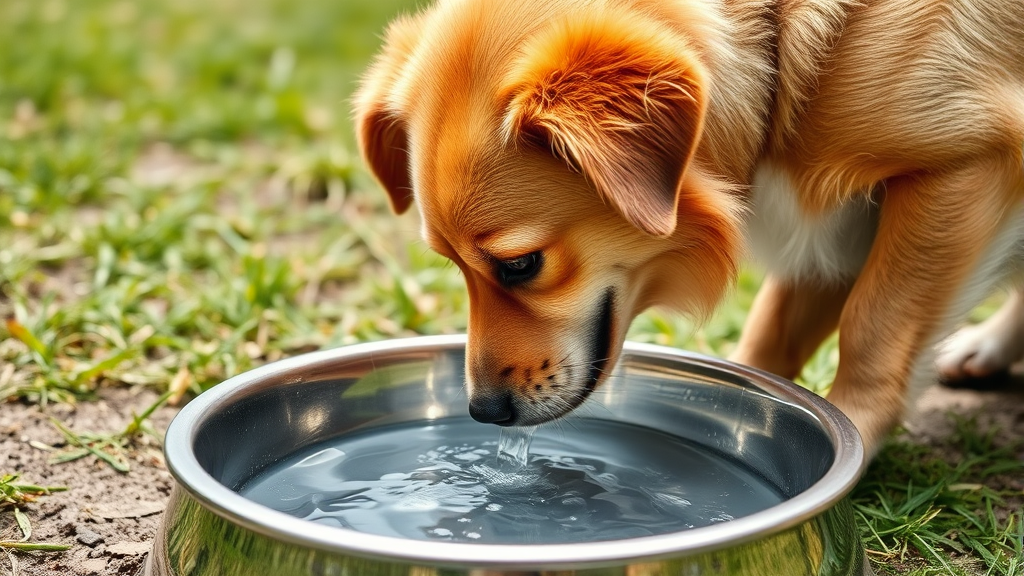
Adequate water intake is fundamental to preventing and treating constipation in dogs. Dehydration causes stools to become hard and difficult to pass, while proper hydration keeps waste materials soft and easier to eliminate. Dogs should consume approximately one ounce of water per pound of body weight daily, though this may vary based on activity level, climate, and diet.
Encouraging increased water consumption can be achieved through various methods. Fresh, clean water should always be available, with bowls cleaned and refilled regularly. Adding small amounts of low-sodium broth to water can make it more appealing, while wet food provides additional moisture compared to dry kibble.
Multiple water stations throughout your home ensure easy access, particularly important for senior dogs or those with mobility issues. Some dogs prefer running water, making pet water fountains attractive options. During hot weather or increased activity, monitor your dog’s water intake more closely to prevent dehydration-related digestive issues.
Exercise and Movement Therapy
Regular physical activity plays a crucial role in maintaining healthy digestive function in dogs. Exercise stimulates intestinal motility, helping food move through the digestive tract more efficiently. Even gentle activities like short walks can encourage bowel movements in constipated dogs.
The type and intensity of exercise should match your dog’s age, health status, and physical capabilities. Young, healthy dogs benefit from vigorous activities like running, playing fetch, or agility training. Senior dogs or those with health limitations may require gentler approaches, such as slow walks, swimming, or basic stretching exercises.
Timing exercise strategically can maximize its digestive benefits. Many dogs naturally defecate during or shortly after walks, making regular walking schedules particularly effective. Morning and evening walks often align with natural circadian rhythms that influence digestive processes.
Abdominal massage can supplement exercise in promoting digestive health. Gentle, circular motions around the belly area may help stimulate intestinal movement, though this should be done carefully and stopped if your dog shows discomfort. The American Veterinary Medical Association emphasizes the importance of regular exercise for overall pet health, including digestive wellness.
Natural Home Remedies
Several natural remedies can effectively address mild constipation in dogs when used appropriately. Coconut oil, given in small amounts, can act as a natural lubricant while providing healthy fats. Start with half a teaspoon for small dogs or one teaspoon for larger breeds, as excessive amounts may cause diarrhea.
Olive oil serves a similar purpose and can be mixed into your dog’s food. Like coconut oil, moderation is key to avoiding digestive upset. Both oils should be introduced gradually and discontinued if they cause loose stools or other adverse reactions.
Probiotics support overall digestive health by promoting beneficial gut bacteria. These supplements come in various forms, including powders, capsules, and treats specifically formulated for dogs. Yogurt containing live cultures can also provide probiotics, though it should be plain and given in small quantities to avoid lactose-related issues.
Psyllium husk, a natural fiber supplement, can be mixed into your dog’s food to increase bulk and improve stool consistency. Start with very small amounts and increase gradually while monitoring your dog’s response. Always provide extra water when using fiber supplements to prevent further digestive complications.
When to Consult Your Veterinarian
While many cases of dog constipation respond well to home remedies, certain situations require professional veterinary attention. If your dog hasn’t defecated for more than two to three days, shows signs of severe distress, or exhibits symptoms like vomiting, lethargy, or loss of appetite, immediate veterinary care is necessary.
Chronic constipation, recurring episodes, or constipation accompanied by blood in the stool warrant professional evaluation. These symptoms may indicate underlying medical conditions requiring specific treatments beyond home remedies. Senior dogs and those with existing health conditions should be monitored more closely and evaluated sooner.
Veterinary treatment options may include prescription laxatives, enemas, or manual removal of impacted material. In severe cases, underlying conditions like intestinal obstructions may require surgical intervention. Cornell University’s veterinary research provides valuable insights into digestive health management in pets.
Diagnostic tests such as X-rays, blood work, or ultrasounds may be necessary to identify underlying causes of chronic constipation. Early intervention often leads to better outcomes and prevents more serious complications from developing.
Prevention Strategies for Long-term Health
Preventing constipation is often easier and more effective than treating it after it occurs. Establishing consistent daily routines helps regulate your dog’s digestive system and bathroom habits. Regular feeding schedules, exercise routines, and designated potty times create predictable patterns that support healthy digestion.
Diet management forms the foundation of constipation prevention. High-quality dog foods with appropriate fiber content, combined with adequate water intake, support optimal digestive function. Avoid giving dogs cooked bones, excessive treats, or foods known to cause digestive issues.
Regular grooming prevents matted hair around the anal area, which can interfere with normal defecation. Long-haired breeds require particular attention to this area, while all dogs benefit from routine hygiene maintenance. Sweet potato treats can provide healthy fiber while serving as training rewards.
Environmental factors also influence digestive health. Stress reduction, comfortable elimination areas, and maintaining familiar routines help prevent anxiety-related digestive issues. Regular veterinary check-ups allow for early detection and management of conditions that might contribute to constipation.
Understanding when dogs might refuse food is also important, as extended periods without eating can impact digestive patterns. Monitoring your dog’s eating habits helps identify potential problems before they become serious.
Frequently Asked Questions
How long can a dog go without pooping before it becomes concerning?
Most dogs should defecate at least once every 24-48 hours. If your dog hasn’t had a bowel movement for more than 2-3 days, or if they’re showing signs of distress, straining, or discomfort, it’s time to consult your veterinarian. Puppies and senior dogs may need attention sooner than healthy adult dogs.
Can I give my dog human laxatives for constipation?
Never give your dog human laxatives or stool softeners without veterinary guidance. Many human medications are toxic to dogs and can cause serious harm. Instead, focus on natural remedies like pumpkin, increased water intake, and exercise. If home remedies don’t work, consult your vet for safe, dog-specific treatments.
What foods should I avoid giving a constipated dog?
Avoid giving constipated dogs cooked bones, dairy products, processed foods, or anything high in fat. These can worsen constipation or cause other digestive issues. Also avoid giving large amounts of rice initially, as while rice can help with some digestive issues, it may worsen constipation in some cases.
How much pumpkin should I give my constipated dog?
For small dogs (under 25 pounds), start with 1-2 tablespoons of plain canned pumpkin daily. Medium dogs (25-50 pounds) can have 2-3 tablespoons, while large dogs (over 50 pounds) can have up to 4 tablespoons. Always introduce gradually and monitor your dog’s response. Too much pumpkin can cause diarrhea.
Does exercise really help with dog constipation?
Yes, exercise is very effective for treating and preventing constipation in dogs. Physical activity stimulates intestinal motility and encourages natural bowel movements. Even gentle walks can help, and many dogs will defecate during or shortly after exercise. Regular activity is one of the best long-term prevention strategies.
When is constipation in dogs a medical emergency?
Seek immediate veterinary care if your dog shows signs of severe distress, hasn’t defecated in more than 3 days, is vomiting repeatedly, appears lethargic or painful, or has blood in their stool. Also seek help if your dog is straining intensely without producing anything, as this could indicate a serious obstruction.
Can stress cause constipation in dogs?
Yes, stress and anxiety can significantly impact a dog’s digestive system and bathroom habits. Changes in routine, moving to a new home, new family members, or other stressful events can trigger constipation. Creating a calm, consistent environment and maintaining regular routines can help prevent stress-related digestive issues. If stress-related constipation persists, consult with your veterinarian about anxiety management strategies.





