
How to Help a Constipated Dog: Expert Tips for Relief and Prevention
If your furry friend hasn’t been to the bathroom in a while, you might be wondering if constipation in dogs is something to worry about. The short answer? Yes, but don’t panic! Constipation is a common digestive issue that affects many dogs, and the good news is that most cases can be managed effectively at home with the right approach.
Whether your pup is a senior dog experiencing age-related digestive changes, a picky eater, or just going through a rough patch, understanding the causes and solutions for canine constipation can help you get your beloved companion back on track. In this comprehensive guide, we’ll explore everything you need to know about keeping your dog’s digestive system running smoothly.
From dietary adjustments to lifestyle modifications, we’ve gathered expert-backed strategies that actually work. Let’s dive into how you can help your constipated dog feel better and prevent future episodes.
Signs and Symptoms of Constipation in Dogs
Recognizing the early signs of constipation in your dog is crucial for prompt intervention. The most obvious indicator is infrequent or absent bowel movements. Most healthy dogs have at least one bowel movement daily, sometimes two or three times, depending on their age, diet, and individual metabolism.
Watch for these telltale signs that your dog might be struggling:
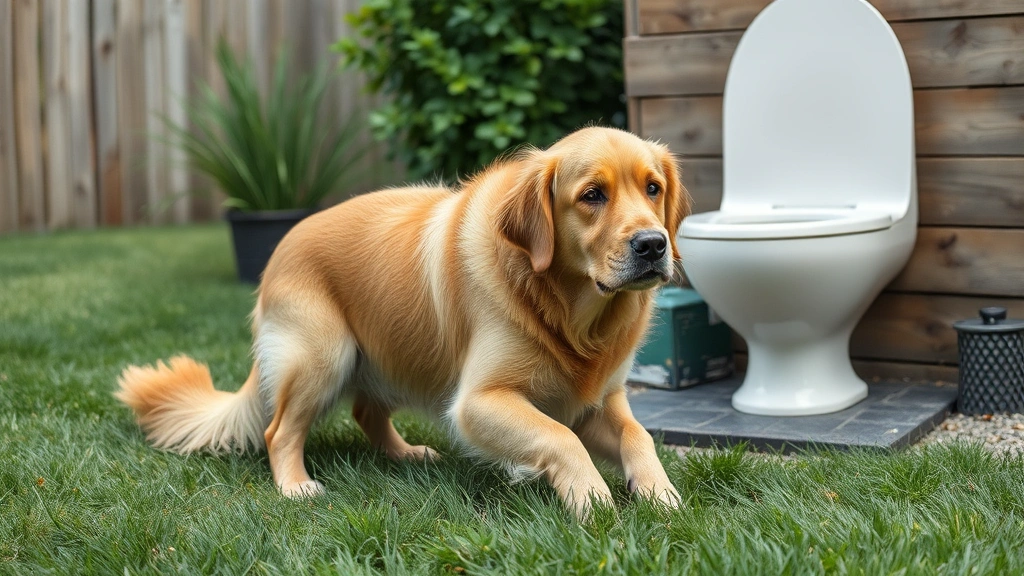
- Straining during bathroom breaks – Your dog may squat for extended periods without producing results
- Small, hard stools – When your dog does go, the feces may be dry and pellet-like
- Loss of appetite – Constipated dogs often eat less because they feel uncomfortable
- Lethargy and reduced activity – Your pup might seem less enthusiastic about walks and playtime
- Vomiting – In severe cases, constipation can lead to nausea
- Abdominal discomfort – Your dog might appear hunched or show signs of pain
- Scooting behavior – Dragging their rear end on the ground can indicate digestive distress
If you notice any combination of these symptoms persisting for more than a day or two, it’s time to take action. The sooner you address the issue, the faster your dog will feel better.
Common Causes of Dog Constipation
Understanding what causes constipation helps you prevent future episodes. Several factors can contribute to your dog’s digestive troubles:
Dietary Issues – Low-fiber diets are one of the most common culprits. Additionally, if you’re wondering how much food you should feed your dog, overfeeding can also contribute to digestive problems. Feeding your dog table scraps or foods that aren’t part of their regular diet can also cause temporary constipation.
Insufficient Hydration – Dogs that don’t drink enough water often experience constipation. This is particularly common in dogs that primarily eat dry kibble without adequate water intake.
Lack of Exercise – A sedentary lifestyle can slow down your dog’s digestive system. Regular physical activity helps stimulate bowel movements naturally.
Age-Related Changes – Senior dogs frequently experience constipation due to decreased activity levels and changes in their digestive system efficiency.
Medications – Certain medications, including some pain relievers and antihistamines, can cause constipation as a side effect.
Underlying Medical Conditions – Serious health issues like hypothyroidism, anal gland problems, or intestinal blockages may require veterinary attention.
Ingested Foreign Objects – Dogs sometimes eat things they shouldn’t, including hair, bones, or toys, which can block their digestive tract.
Stress and Anxiety – Environmental changes or anxiety can disrupt your dog’s normal digestive patterns.
Effective Home Remedies
Before reaching for prescription medications, try these proven home remedies that can provide relief for mild to moderate constipation:
Pumpkin Puree – The Golden Solution
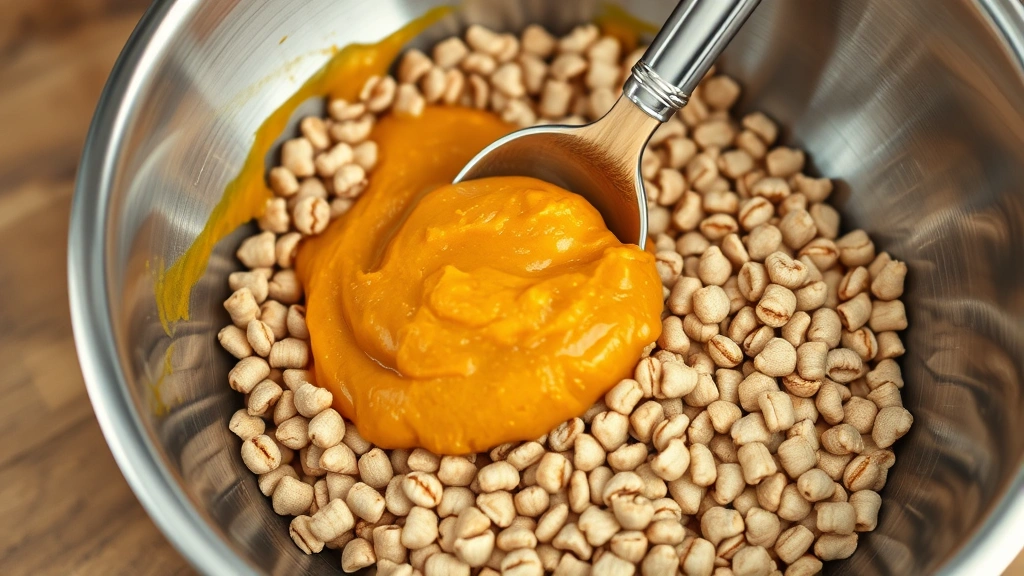
One of the most effective and vet-recommended remedies is plain pumpkin puree. If you’ve been asking yourself can dogs eat pumpkin, the answer is a resounding yes! Pumpkin is rich in fiber and moisture, making it excellent for both constipation and diarrhea. For dogs experiencing constipation, add one to four tablespoons of plain canned pumpkin (not pie filling) to their regular meals, depending on your dog’s size. Most dogs show improvement within 12 to 24 hours.
Increase Water Intake
Encourage your dog to drink more water throughout the day. You can add a bit of low-sodium broth to their water bowl to make it more appealing. Some dogs respond better to water fountains, which provide moving water that naturally attracts their attention.
Add Wet Food to Their Diet
Switching from purely dry kibble to a combination of wet and dry food increases moisture content in their digestive system. This helps soften stools and makes them easier to pass.
Olive Oil or Coconut Oil
A small amount of olive oil or coconut oil mixed into your dog’s food can act as a natural lubricant for the digestive tract. Start with a quarter teaspoon for small dogs and up to a full teaspoon for larger breeds.
Bone Broth
Plain, unsalted bone broth is not only delicious to most dogs but also provides hydration and nutrients. Serve it warm or add it to their regular meals.
Dietary Changes That Help
Making strategic dietary adjustments can have a profound impact on your dog’s digestive health:
Increase Fiber Content
Gradually incorporate more fiber into your dog’s diet. Sweet potatoes are an excellent source – if you’re curious about whether dogs can eat sweet potatoes, they absolutely can and benefit from them! Other fiber-rich foods include green beans, carrots, and brown rice. Introduce these slowly to avoid upsetting their stomach further.
Choose High-Quality Dog Food
Premium dog foods with higher fiber content and better digestibility can prevent constipation from becoming a recurring problem. Look for foods with whole grains and vegetables as primary ingredients.
Avoid Problem Foods
Certain foods can worsen constipation. These include excessive amounts of rice, white bread, and low-quality dog foods with lots of fillers. If your dog has experienced digestive issues before, you might find our guide on what to feed a dog with diarrhea helpful for understanding which foods are easiest to digest.
Transition Gradually
When changing your dog’s food, do so gradually over 7-10 days. Sudden dietary changes can cause or worsen constipation. Mix increasing amounts of the new food with their current food until the transition is complete.
Portion Control
Overfeeding can contribute to constipation. Follow feeding guidelines based on your dog’s weight, age, and activity level. Consult breed-specific feeding recommendations for more personalized guidance.
Exercise and Hydration Solutions
Physical activity and proper hydration are foundational to digestive health:
Increase Daily Exercise
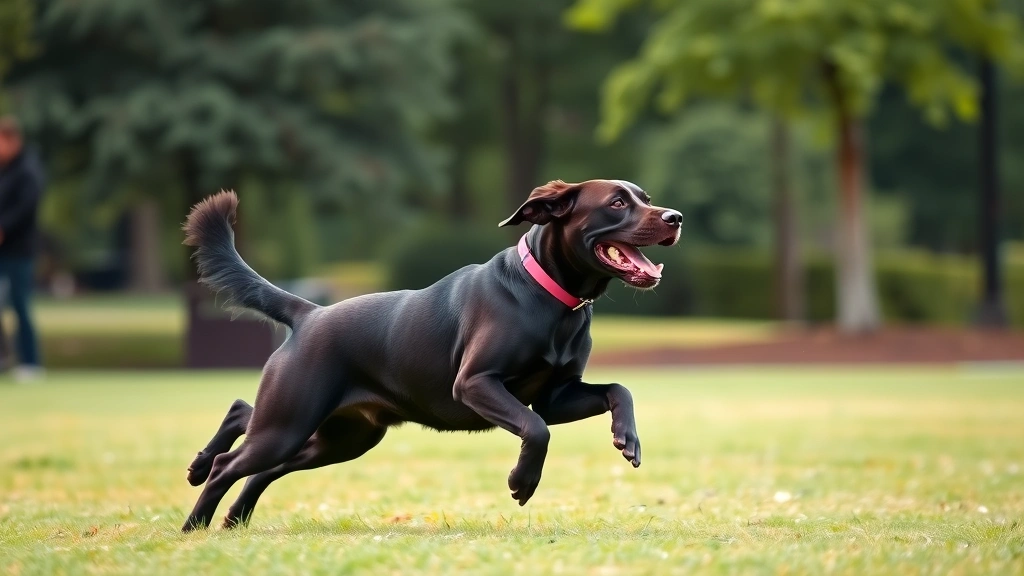
Regular movement stimulates the muscles in your dog’s digestive tract. Aim for at least 30 minutes of moderate exercise daily, or more if your dog is young and energetic. Walks, playtime, and fetch sessions all help keep things moving.
Create a Bathroom Schedule
Take your dog outside frequently, especially after meals, after exercise, and before bedtime. A consistent routine helps regulate bowel movements and gives your dog regular opportunities to go.
Hydration Strategies
Make water easily accessible throughout your home. Some dogs prefer running water, so a pet water fountain might encourage more drinking. You can also add water to dry kibble or serve meals with broth to increase fluid intake.
Monitor and Adjust
Keep track of your dog’s water intake and bathroom habits. This information helps you identify patterns and can be valuable if you need to consult your veterinarian.
When to Contact Your Veterinarian
While many cases of mild constipation respond well to home treatment, certain situations require professional veterinary care. Contact your vet immediately if:
- Your dog hasn’t had a bowel movement for more than three days
- Your dog is vomiting repeatedly
- Your dog shows signs of severe abdominal pain
- There’s blood in the stool
- Your dog appears lethargic or extremely unwell
- Home remedies haven’t provided relief after 48 hours
- Your dog has a history of megacolon or other chronic digestive issues
- Your dog recently ingested a foreign object
Your veterinarian can perform a physical examination, take X-rays if needed, and prescribe appropriate medications or treatments. In some cases, severe constipation requires professional intervention such as an enema or manual removal of impacted feces.
According to veterinary medical resources, persistent constipation can sometimes indicate underlying health issues that need attention, so professional evaluation is important when home remedies aren’t working.
Prevention Tips for Long-Term Health
The best approach to constipation is prevention. Implement these strategies to keep your dog’s digestive system healthy:
Maintain a Consistent Routine
Dogs thrive on consistency. Feed them at the same times each day, take them out for bathroom breaks on schedule, and maintain regular exercise patterns.
Provide Balanced Nutrition
Feed a high-quality diet appropriate for your dog’s age, size, and activity level. Ensure adequate fiber content without overdoing it, as excessive fiber can also cause digestive upset.
Ensure Adequate Hydration
Fresh water should always be available. In hot weather or after exercise, encourage extra drinking to maintain proper hydration.
Regular Veterinary Checkups
Annual wellness exams help catch digestive issues early. Your vet can recommend dietary adjustments and preventive measures tailored to your dog’s specific needs.
Monitor Treats and Chews
Limit treats to no more than 10% of daily calories. Be cautious with rawhide chews and other items that might not be fully digestible.
Keep Your Dog Active
Regular exercise is one of the best preventive measures. A well-exercised dog is typically a dog with healthy digestion.
Avoid Sudden Changes
Whether it’s food, environment, or routine, gradual transitions help prevent digestive upset. If you need guidance on transitioning to new foods, learning about dog diarrhea prevention provides excellent insight into maintaining digestive stability.
Remember, every dog is unique. What works wonderfully for one pup might not be ideal for another. Pay attention to your individual dog’s needs and adjust accordingly.
Frequently Asked Questions
How long can a dog go without a bowel movement?
While most healthy dogs have daily bowel movements, some can go 24-48 hours without issues. However, if your dog hasn’t gone for more than three days, it’s time to take action or contact your vet. Prolonged constipation can lead to more serious complications.
Is pumpkin safe for dogs with constipation?
Yes, plain pumpkin puree is very safe and effective for constipated dogs. Always use plain canned pumpkin or fresh pumpkin, never pie filling which contains sugar and spices. Most dogs respond within 12-24 hours of adding pumpkin to their diet.
Can I use a laxative made for humans on my dog?
Never use human laxatives on your dog without veterinary approval. Some human medications can be toxic to dogs. Always consult your vet before giving any new medication or supplement to your pet.
What’s the difference between constipation and obstruction?
Constipation is difficulty passing normal stools, while obstruction means something is completely blocking the intestinal tract. Obstructions are medical emergencies requiring immediate veterinary attention. Signs include severe vomiting, complete inability to defecate, and severe abdominal pain.
How can I tell if my dog’s constipation is serious?
Mild constipation typically responds to home remedies within 24-48 hours. If your dog shows signs of pain, vomiting, lethargy, or hasn’t improved after two days of treatment, contact your veterinarian. Professional veterinary guidance is essential for ruling out serious conditions.
Should I change my dog’s food if they’re constipated?
Gradual dietary changes can help, but sudden food changes might worsen constipation. If you’re considering switching foods, do so gradually over 7-10 days. Adding fiber-rich foods like pumpkin or sweet potatoes is usually a safe first step.
Does breed matter when it comes to dog constipation?
Some breeds are more prone to constipation than others, particularly larger breeds and senior dogs. Breed-specific health issues can also contribute to digestive problems. Understanding your dog’s breed tendencies helps with prevention and early intervention.
Can stress cause constipation in dogs?
Yes, stress and anxiety can disrupt normal digestive function in dogs. Environmental changes, loud noises, or separation anxiety can all trigger constipation. Maintaining a calm environment and consistent routine helps prevent stress-related digestive issues.





