

How to Keep Dog Hair Off Your Couch: Expert Tips
If you’re a dog lover, you’ve probably experienced the inevitable: you sit down on your couch after a long day, and suddenly you’re wearing more dog hair than your furry friend. It’s a universal struggle for pet owners everywhere. Your beautiful furniture becomes a shedding repository, and no amount of lint rolling seems to solve the problem permanently. But don’t worry—there are practical, science-backed strategies to reclaim your couch from the clutches of canine fur.
The good news? You don’t have to choose between having a dog and having a clean couch. With the right combination of preventative measures, furniture protection, and grooming habits, you can dramatically reduce (and in some cases, nearly eliminate) dog hair from your favorite seating. Whether you have a Bernese Mountain Dog that sheds year-round or a mixed breed with seasonal shedding patterns, this guide will walk you through proven methods that actually work.
Let’s dive into the strategies that will help you maintain a hair-free couch while still enjoying the companionship of your beloved pup.
Understanding Why Dogs Shed on Furniture
Before we tackle solutions, it’s important to understand the root cause of the problem. Dogs shed hair for several biological reasons, and your couch isn’t just a convenient landing spot—it’s actually an ideal environment for where loose fur accumulates. When you understand why dogs shed so much, you can better address the issue at its source.
Dogs shed for natural reasons including seasonal coat changes, temperature regulation, and the natural hair growth cycle. According to the American Kennel Club, most dogs have a growth cycle where old hair falls out to make room for new growth. This process happens year-round in many breeds, with increased shedding during spring and fall when dogs transition between seasonal coats.
Your couch is particularly attractive to shedding hair because it’s where your dog spends significant time. The fabric naturally traps loose hairs, and the warmth of the cushions makes it a cozy spot for your pup. Additionally, when dogs rest on furniture, they’re often in a relaxed state, which can loosen more hair from their coat.
Stress, poor nutrition, allergies, and skin conditions can all increase shedding. If your dog is shedding excessively beyond normal seasonal patterns, it might be worth consulting your veterinarian to rule out underlying health issues.
Physical Barriers and Protective Solutions
The simplest and most effective approach to keeping dog hair off your couch is creating a physical barrier. This method prevents your dog’s fur from ever reaching the fabric in the first place.
Furniture Covers and Throws
Washable furniture covers are your first line of defense. These come in various styles, from fitted covers that stretch over entire cushions to throw blankets that drape across the couch. The best covers are:
- Machine washable for easy maintenance
- Made from durable, hair-resistant fabrics like microfiber or canvas
- Fitted or non-slip to prevent bunching
- Available in neutral colors that complement your décor
Throw blankets offer a more flexible option—they’re easy to remove for cleaning, can be swapped out frequently, and add a decorative element to your living room. Many pet owners keep multiple blankets on rotation, washing one while another is in use.
Waterproof Couch Protectors
For added protection against accidents and moisture (not just hair), consider waterproof protectors. These are particularly useful if your dog occasionally has accidents or drinks water and jumps on the furniture while wet.
Strategic Furniture Placement
If you have the flexibility, consider rearranging your living room layout. Placing your couch against a wall or in a corner makes it less accessible and can reduce your dog’s temptation to claim it as their personal lounging spot. Alternatively, you might designate a specific piece of furniture as the “dog couch” and train your pup to use that instead of your main seating.

Strategic Grooming to Minimize Shedding
One of the most effective ways to reduce dog hair on your couch is to remove loose hair before it ends up there. Implementing a consistent grooming routine can reduce shedding by up to 90% in some cases.
Regular Brushing Schedule
The frequency of brushing depends on your dog’s coat type, but most dogs benefit from brushing 2-4 times per week. How to reduce shedding on dogs starts with understanding your specific dog’s grooming needs. Dogs with double coats (like Golden Retrievers, Huskies, and German Shepherds) shed more heavily and require more frequent brushing, sometimes daily during shedding season.
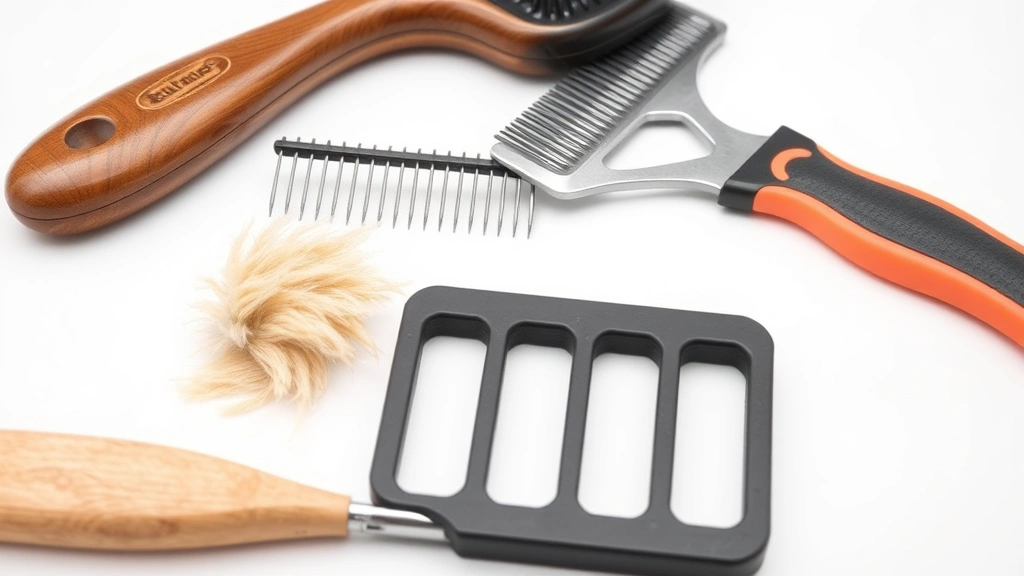
Recommended Grooming Tools
- Undercoat Rake: Designed specifically to remove loose undercoat without damaging topcoat
- Slicker Brush: Great for removing mats and tangles while capturing loose hair
- Deshedding Tool (like FURminator): Highly effective at removing loose hair before it sheds naturally
- Grooming Glove: Doubles as petting and hair removal—many dogs enjoy this method
- Metal Comb: Useful for final pass-through to catch remaining loose hair
The ASPCA recommends regular grooming as essential for maintaining coat health and reducing excessive shedding.
Professional Grooming
Scheduling professional grooming every 6-8 weeks can dramatically reduce the amount of loose hair your dog carries. Professional groomers have industrial-strength tools and expertise to remove significantly more loose hair than most home grooming. Some groomers specialize in de-shedding treatments that can remove up to 50% of loose undercoat.
Bathing Techniques
Regular baths (every 4-6 weeks, depending on your dog’s lifestyle) followed by thorough drying can loosen and remove substantial amounts of dead hair. Use a high-velocity dryer after bathing to blow out loose undercoat. This should be done outdoors or in a dedicated grooming area to avoid spreading hair throughout your home.
Training Your Dog to Stay Off the Couch
Prevention is always easier than management. Teaching your dog that the couch is off-limits can solve the problem at its source. If you’re struggling with this aspect, how to keep your dog off the couch requires consistent training and patience.
Establishing Boundaries
Start by making it clear that the couch is not a dog zone. This requires consistency from everyone in your household. Never allow your dog on the couch “just this once”—mixed messages confuse dogs and undermine training efforts.
Providing Alternatives
Dogs need comfortable places to rest. Provide an attractive alternative like:
- A high-quality orthopedic dog bed positioned near your seating area
- A dog-specific couch or daybed
- A cushioned mat in a favorite room location
Make the alternative more appealing by placing treats or toys there and praising your dog enthusiastically when they use it.
Training Techniques
- Positive Reinforcement: Reward your dog with treats and praise when they choose their bed over the couch
- Redirection: When you catch your dog on the couch, calmly redirect them to their designated spot
- Deterrents: Use motion-activated air sprays or aluminum foil on couch surfaces (many dogs dislike these)
- Consistency: Enforce the rule every single time without exception
Training typically takes 4-6 weeks of consistent effort, but the payoff is worth it.
Effective Cleaning Methods for Dog Hair
Even with the best prevention strategies, some dog hair will inevitably end up on your furniture. Knowing how to clean it effectively ensures your couch stays fresh and hair-free.
Quick Daily Maintenance
A few minutes of daily maintenance prevents hair from accumulating. Use a lint roller or rubber broom to quickly collect surface hair. Rubber brooms are particularly effective because they create static that attracts hair, and they’re reusable unlike lint rollers.
Weekly Deep Cleaning
Once a week, do a more thorough cleaning:
- Vacuum with an upholstery attachment, working in multiple directions
- Use a lint roller on stubborn areas
- Consider a handheld pet hair vacuum for targeted cleaning
- Wipe down with a slightly damp microfiber cloth to capture remaining hair
Monthly Intensive Cleaning
Once monthly, tackle deeper cleaning:
- Use a fabric refresher spray designed for pet odors
- Sprinkle baking soda, let sit for 15 minutes, then vacuum thoroughly
- Consider renting or using a professional upholstery steam cleaner
- For removable covers, wash them according to manufacturer instructions
Specialized Tools
Invest in pet-specific cleaning tools that work better than standard equipment:
- Pet Hair Vacuum: Designed with stronger suction and pet-specific attachments
- Rubber Broom: Creates static to lift hair from fabric
- Fabric Brush: Loosens embedded hair for easier removal
- Enzyme Cleaner: Breaks down organic matter and eliminates odors
Choosing Dog-Friendly Furniture
If you’re in the market for new furniture, choosing pieces designed to handle pet hair can make your life significantly easier.
Fabric Selection
Some fabrics are naturally more resistant to dog hair and easier to clean:
- Microfiber: Tightly woven, resists hair penetration, and cleans easily
- Canvas: Durable, holds up to wear, and hair doesn’t embed as easily
- Performance Fabrics: Specifically engineered for pet owners with stain and hair resistance
- Leather or Faux Leather: Hair doesn’t stick to smooth surfaces, though it can show paw prints
Avoid These Fabrics
- Velvet (hair embeds easily)
- Chenille (loosely woven, traps hair)
- Linen (attracts and holds hair)
- Knit fabrics (hair weaves into the material)
Color matters too—lighter colors show more dog hair while darker or patterned fabrics camouflage it better. Consider your dog’s coat color when selecting furniture.
Structure and Design
Look for furniture with:
- Removable, washable cushions
- Tight, low-profile designs (easier to clean underneath)
- Minimal crevices where hair can collect
- Elevated legs for easier vacuuming underneath
For additional concerns about furniture maintenance, how to get dog smell out of couch pairs well with hair management strategies.
Nutrition and Health Factors
Sometimes excessive shedding stems from nutritional deficiencies or health issues. A healthy coat starts from within.
Quality Diet
Dogs require adequate protein, omega-3 and omega-6 fatty acids, and essential vitamins for healthy skin and coat. Look for dog foods that list quality protein sources as primary ingredients. Your veterinarian can recommend specific diets if your dog has sensitivities.
Supplements
Fish oil and other omega fatty acid supplements can improve coat health and reduce shedding. Always consult your veterinarian before adding supplements to your dog’s diet.
Hydration
Ensure your dog has constant access to fresh water. Proper hydration supports skin health and can reduce excessive shedding.
When to See a Vet
Excessive shedding beyond normal seasonal patterns might indicate:
- Allergies (food or environmental)
- Skin infections or conditions
- Hormonal imbalances
- Parasites
- Stress or anxiety
The Veterinary Care Animal Hospitals provides resources on identifying skin-related issues that cause excessive shedding. If your dog’s shedding seems abnormal, a veterinary consultation is worthwhile.
Seasonal Shedding Management
Most dogs shed more heavily during spring and fall. Preparing for these seasons can minimize couch hair accumulation.
Spring Shedding (Winter Coat Blow)
As temperatures warm, dogs shed their thick winter undercoat. This is prime shedding season for most breeds. Increase brushing to daily during this period, and consider professional de-shedding treatments.
Fall Shedding
Dogs grow their winter coat in preparation for cooler months. Again, increase grooming frequency and consider professional services.
Off-Season Maintenance
During non-peak shedding seasons, maintain your routine but can often reduce frequency slightly. However, many dogs shed year-round, so don’t abandon your strategies entirely.
Understanding your specific dog’s shedding patterns helps you anticipate and prepare. Some breeds and individual dogs shed consistently throughout the year, while others have distinct seasonal peaks. Track your dog’s shedding patterns over a year to understand what to expect.
Frequently Asked Questions
Why does my dog shed so much more than my friend’s dog?
Shedding varies dramatically by breed, individual genetics, age, health, and diet. Double-coated breeds shed significantly more than single-coated breeds. Individual dogs within the same breed can have different shedding levels. Health conditions, stress, and nutrition also influence shedding amounts. If you’re concerned about excessive shedding, consult your veterinarian to rule out underlying issues.
Can I prevent my dog from shedding entirely?
No—shedding is a natural, healthy process for most dogs. However, you can reduce shedding by 50-90% through consistent grooming, proper nutrition, and professional de-shedding treatments. Some hairless or low-shedding breeds shed minimally, but even these require regular grooming.
What’s the best vacuum for dog hair on couches?
Look for vacuums specifically designed for pet hair with strong suction and specialized attachments for upholstery. Handheld pet hair vacuums are convenient for quick cleanups, while full-size vacuums with pet-specific features are better for weekly deep cleaning. Cordless models offer convenience, while corded models typically provide stronger suction.
How often should I professionally groom my dog to minimize shedding?
Most dogs benefit from professional grooming every 6-8 weeks. Dogs with heavy shedding or double coats might benefit from more frequent sessions during peak shedding seasons. Professional groomers can remove significantly more loose hair than home grooming, sometimes removing up to 50% of loose undercoat during de-shedding treatments.
Are there dog breeds that don’t shed?
No breed is completely non-shedding, but several breeds shed minimally, including Poodles, Bichon Frises, Portuguese Water Dogs, and several terrier breeds. These dogs have continuously growing hair rather than seasonal shedding cycles. However, they require regular professional grooming to prevent matting.
Will dog hair ruin my couch permanently?
Dog hair itself doesn’t permanently damage furniture, but it can make fabric look dingy and worn over time. However, with consistent cleaning and protective measures, your couch can maintain its appearance. Choosing appropriate fabrics and covers from the start helps preserve furniture quality.
Is shedding a sign my dog is unhealthy?
Normal seasonal shedding is healthy and expected. However, excessive shedding beyond normal patterns can indicate allergies, skin conditions, nutritional deficiencies, parasites, or stress. If your dog’s shedding seems abnormal or is accompanied by skin irritation, hair loss in patches, or other symptoms, consult your veterinarian.
Can diet really reduce dog shedding?
Yes—a high-quality diet with adequate protein and omega fatty acids supports healthy skin and coat, which can reduce shedding. Conversely, poor nutrition can increase shedding. Many dogs show noticeable improvement in coat quality and reduced shedding within 4-6 weeks of switching to a higher-quality diet.
What’s the difference between shedding and hair loss?
Shedding is the natural loss of hair throughout the coat in a diffuse pattern. Hair loss (alopecia) is abnormal loss of hair, often in patches, and usually indicates an underlying problem like allergies, skin infection, parasites, or hormonal issues. If you notice bald patches or significant localized hair loss, consult your veterinarian.
How can I make my dog’s bed more appealing than the couch?
Place the bed in a location where your dog likes to rest, add comfortable blankets, use positive reinforcement when they use it, and consider placing treats or toys there occasionally. Make sure the bed is appropriately sized and supportive. Some dogs prefer beds in specific areas, so observe your dog’s preferences and place the bed accordingly.





