
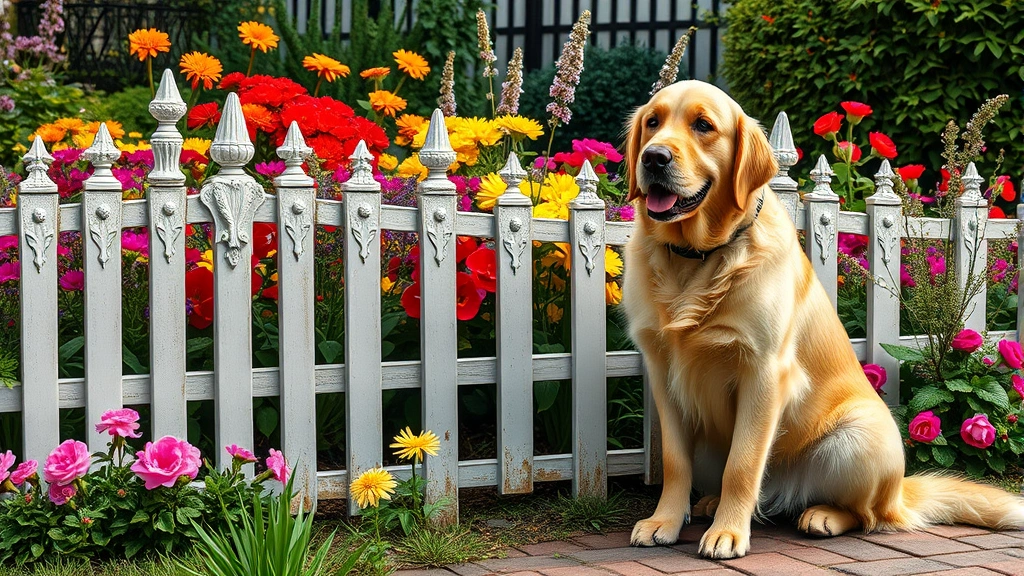
Let’s be honest—your dog thinks your flower bed is basically a personal playground, bathroom, and all-you-can-eat salad bar rolled into one glorious dirt paradise. If you’re wondering how to keep dogs out of a flower bed, you’re not alone. Countless pet owners wage this daily battle, watching their pups destroy hours of landscaping work in mere minutes. The good news? There are plenty of effective, humane strategies to protect your garden while keeping your furry friend happy and safe.
Table of Contents
- Understanding Why Dogs Love Flower Beds
- Physical Barriers: The Fence Method
- Scent Deterrents That Actually Work
- Taste Deterrents for Persistent Diggers
- Motion-Activated Sprinklers: The Surprise Factor
- Landscaping Solutions: Design Your Way Out
- Training and Redirection Techniques
- Plant Selection: Choose Dog-Resistant Flowers
- Netting and Protective Covers
- Ammonia and Citrus: DIY Deterrent Recipes
- Professional Help: When to Call an Expert
- Maintenance and Long-Term Success
- Frequently Asked Questions
- Conclusion: A Garden and a Happy Dog
Understanding Why Dogs Love Flower Beds
Before we jump into solutions, let’s understand the enemy—and by enemy, I mean your adorable, well-meaning pup. Dogs are drawn to flower beds for several reasons: the soft soil is perfect for digging, the smell of freshly tilled earth is intoxicating, and let’s face it, it’s just fun. Some dogs also enjoy the cooler temperature of damp soil on hot days. When you understand the motivation, you’re halfway to solving the problem.
Physical Barriers: The Fence Method
One of the most straightforward ways to protect your garden is installing physical barriers. A low fence around your flower bed doesn’t need to be ugly—decorative garden fencing works perfectly. The fence should be at least 18-24 inches high to discourage most dogs from jumping over. This approach is particularly effective for preventing dogs from digging in flower beds since it creates a clear boundary. Your pup will eventually understand that the fenced area is off-limits. For eco-conscious pet owners, consider sustainable fencing materials that align with your low carbon pawprint.
Scent Deterrents That Actually Work
Dogs navigate the world through their noses, so scent deterrents can be surprisingly effective. Citrus peels, coffee grounds, and ammonia-soaked rags are natural options that most dogs find unpleasant. You can also purchase commercial pet deterrent sprays designed specifically for this purpose. Reapply these deterrents regularly, especially after rain. Some gardeners swear by cayenne pepper sprinkled around the perimeter—it’s irritating to paws and noses without being harmful. The key is consistency; your dog needs to learn that the flower bed smells bad, not inviting.
Taste Deterrents for Persistent Diggers
If your dog is a determined digger who ignores scent warnings, taste deterrents might be the answer. Products containing capsaicin (the compound that makes peppers hot) can be applied to the soil. These won’t harm your pup but will teach them that the flower bed tastes terrible. Bitter apple spray is another popular option that’s safe for dogs but tastes awful. Apply these liberally and reapply after watering or rain. Remember, the goal is to make the flower bed less appealing than other areas of your yard.

Motion-Activated Sprinklers: The Surprise Factor
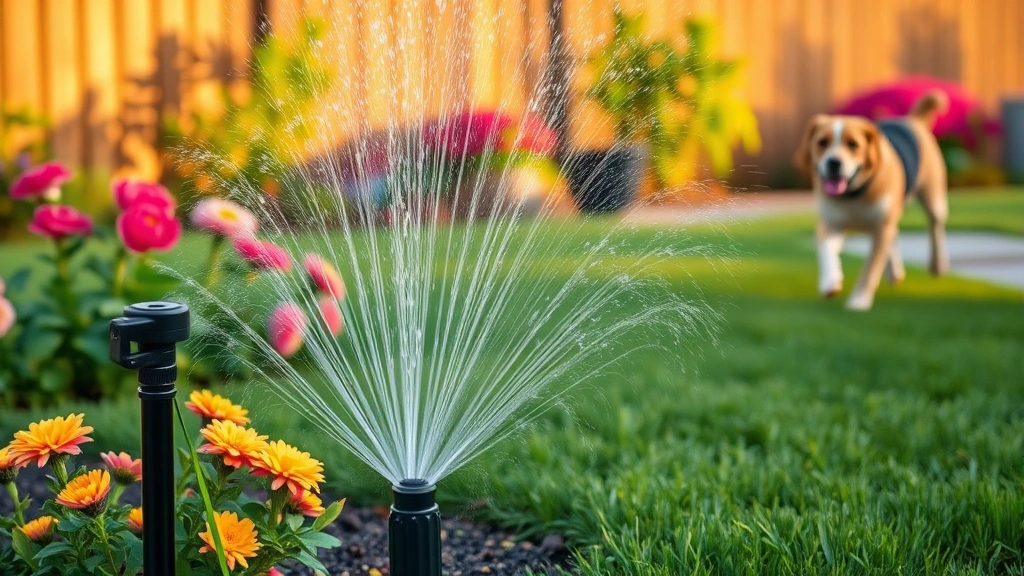
Sometimes a little surprise is all it takes. Motion-activated sprinklers startle dogs without causing any harm, and most pups learn quickly to avoid the area. These devices are particularly effective during training phases. Set them up to activate when your dog approaches the flower bed. After a few surprise showers, most dogs will develop an aversion to the area. Plus, your lawn gets watered in the process—it’s a win-win. Many pet owners combine this method with other eco-conscious pet owner strategies for maximum effectiveness.
Landscaping Solutions: Design Your Way Out
Sometimes the best defense is a good offense. Redesign your flower bed to be less appealing to dogs. Replace soft, loose soil with river rocks or mulch that’s uncomfortable to dig in. Prickly plants like roses or holly bushes create natural deterrents—dogs won’t want to walk through them. Raised garden beds are also excellent because they’re harder for dogs to access. Consider incorporating a dedicated dog-friendly area in your yard, perhaps with a cooling dog bed in the shade, to redirect your pup’s digging energy to an appropriate location.
Training and Redirection Techniques
The most effective long-term solution is training your dog to respect boundaries. Start by teaching a solid “leave it” command. When you catch your dog heading toward the flower bed, redirect them to an appropriate area and reward them heavily with praise and treats. Consistency is crucial—every family member must enforce the same rules. Some trainers recommend creating a designated digging area filled with sand or loose soil where your dog is allowed to dig freely. This satisfies the natural urge while protecting your garden. For more information on appropriate training methods, consult resources from the American Kennel Club.
Plant Selection: Choose Dog-Resistant Flowers
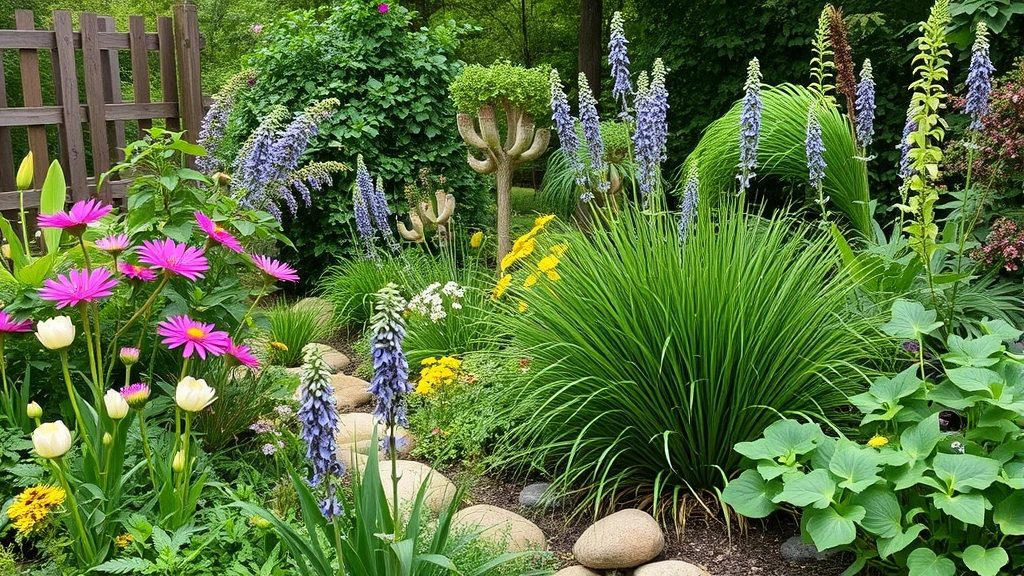
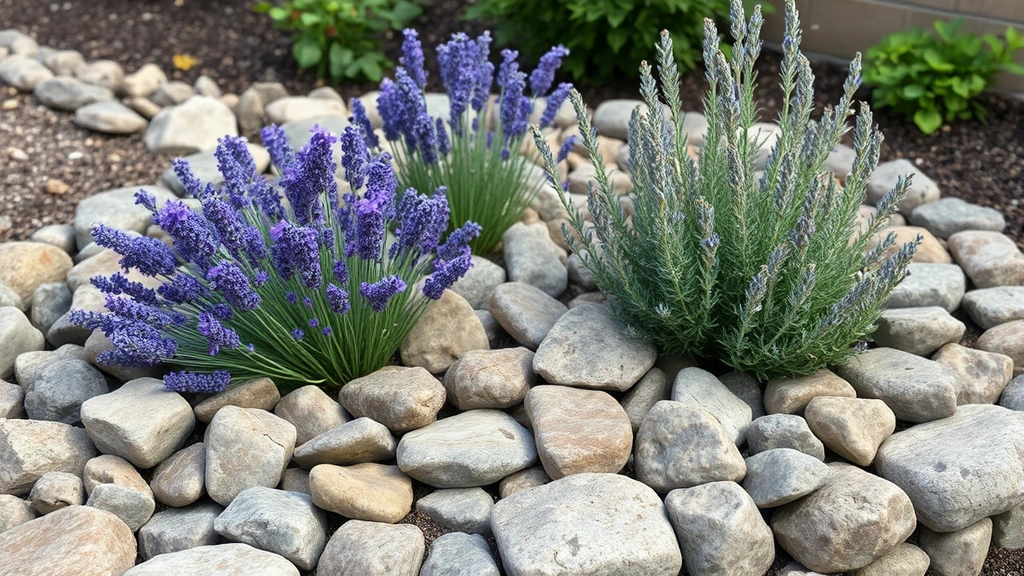
If you’re replanting your flower bed, choose varieties that are less appealing to dogs. Dogs tend to avoid plants with strong smells or textures. Lavender, rosemary, and marigolds are beautiful options that most dogs dislike. Additionally, ensure all plants in your garden are non-toxic to dogs—this is critical for safety. Some common garden plants like lilies, sago palms, and certain bulbs are toxic to canines. Check PetMD’s toxic plant database before adding anything new to your landscape.
Netting and Protective Covers
Temporary protective netting can shield your flower bed during vulnerable periods, like when plants are newly established. Garden netting is affordable and easy to install, though it’s not the most aesthetically pleasing solution. This method works best as a short-term strategy while you implement other deterrents. Remove the netting once your dog has learned to avoid the area or once your plants are more established. It’s particularly useful during spring when you’re establishing new beds and your pup’s curiosity is at peak levels.
Ammonia and Citrus: DIY Deterrent Recipes
Budget-conscious gardeners love DIY deterrent solutions. Mix ammonia with water in a spray bottle and apply it around the flower bed perimeter—dogs hate the smell. Alternatively, save your citrus peels (orange, lemon, grapefruit) and scatter them around the garden. You can also simmer citrus peels with water to create a potent spray. These methods are cost-effective, use items you likely already have, and are completely safe for your pup. Reapply weekly or after rain for best results. Many safe human snacks for pets can be used as positive reinforcement when training your dog away from the flower bed.

Professional Help: When to Call an Expert
If you’ve tried multiple methods without success, it might be time to consult a professional dog trainer or veterinary behaviorist. Some dogs have compulsive digging behaviors that require specialized intervention. A trainer can assess your specific situation and develop a customized training plan. Additionally, excessive digging can sometimes indicate underlying issues like anxiety or boredom—a professional can help address the root cause. Don’t hesitate to seek expert advice if your efforts aren’t working; it’s an investment in both your garden and your dog’s well-being.
Maintenance and Long-Term Success
Protecting your flower bed isn’t a one-time project—it requires ongoing maintenance. Regularly check your barriers for damage, reapply deterrents, and stay consistent with training. Rotate your deterrent methods occasionally to prevent your dog from becoming desensitized. Keep your pup mentally and physically stimulated with regular exercise and playtime; a bored dog is more likely to find trouble in your garden. The key to long-term success is treating this as an ongoing management strategy rather than a quick fix.
Frequently Asked Questions
Is it safe to use chemical deterrents around dogs?
Most commercial pet deterrents are formulated to be safe for dogs. However, always read labels carefully and choose products specifically designed for pet safety. Natural deterrents like citrus and ammonia are generally safer alternatives. When in doubt, consult your veterinarian before applying any new products to areas where your dog has access.
Will my dog eventually learn to stay out without barriers?
Yes, with consistent training and reinforcement, most dogs can learn to respect flower bed boundaries. However, some dogs require ongoing reminders, and physical barriers provide extra security. The combination of training, deterrents, and barriers typically produces the best results.
What if my dog has already destroyed my flower bed?
Don’t despair! Start fresh by implementing multiple deterrent methods simultaneously. Redesign the bed with dog-resistant plants and uncomfortable surfaces. Begin intensive training sessions and ensure your pup gets adequate exercise and mental stimulation. It may take several weeks, but persistence pays off.
Can I use mothballs to deter dogs from flower beds?
Mothballs are toxic to dogs and should never be used as a deterrent. Stick with pet-safe options like citrus, ammonia, commercial deterrent sprays, and physical barriers. Always prioritize your dog’s safety over garden protection.

Are there any plants that naturally repel dogs?
Yes, dogs typically avoid plants with strong smells like lavender, rosemary, and marigolds. Prickly plants like roses and holly bushes are also naturally deterring. Research dog-safe plants before planting to ensure you’re not inadvertently introducing toxic species to your landscape.
Conclusion: A Garden and a Happy Dog
Learning how to keep dogs out of a flower bed doesn’t mean sacrificing either your garden or your dog’s happiness. By combining physical barriers, deterrents, training, and strategic landscaping, you can protect your flowers while keeping your pup safe and content. The most successful approach typically involves layering multiple methods—don’t rely on just one solution. Remember that consistency is key; your dog needs to learn that the flower bed simply isn’t worth the trouble. With patience and persistence, you can achieve the perfect balance between a beautiful garden and a well-adjusted canine companion. Your efforts today will pay dividends in the seasons to come, giving you a lush landscape and a happy dog who respects boundaries.





