
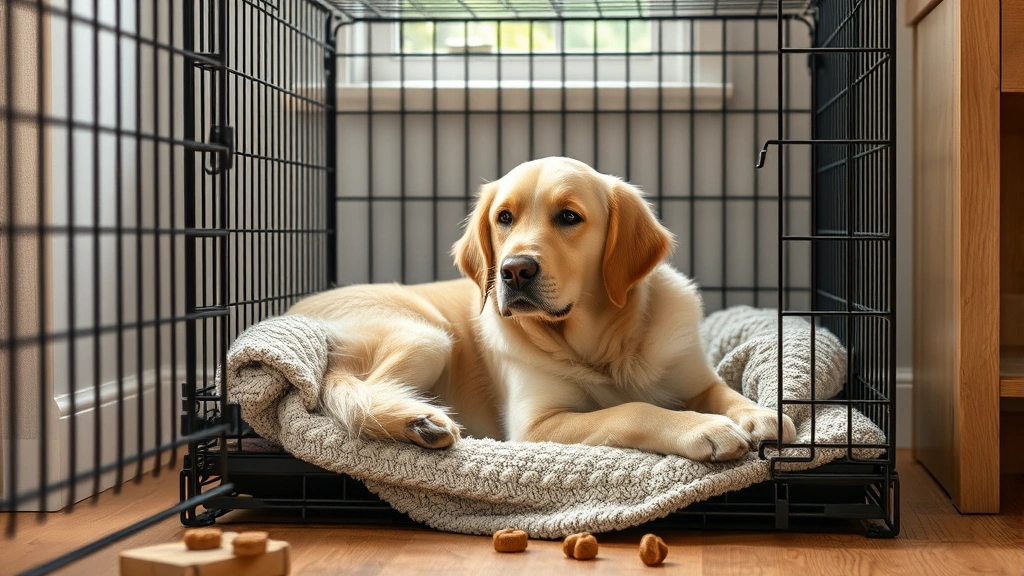
Learning how to kennel train an adult dog might seem like you’re trying to teach an old pup new tricks, but honestly? It’s totally doable and way more achievable than most people think. Adult dogs aren’t set in stone—they’re just dogs who’ve had a few more birthdays. Whether your rescue pooch never had crate training, or your older buddy needs to brush up on their skills, this guide breaks down exactly what you need to do.
Table of Contents
- Why Adult Dogs Need Kennel Training (Yes, Really)
- Step 1: Choose the Right Kennel Size for Your Adult Dog
- Step 2: Make the Kennel Irresistibly Appealing
- Step 3: Introduce the Door Gradually
- Step 4: Build Duration While You’re Home
- Step 5: Graduate to Leaving the Room (and Eventually the House)
- Common Adult Dog Crate Training Mistakes to Avoid
- Nutrition and Energy Management During Training
- Dealing with Adult Dog Crate Anxiety
- The Reality of Adult Dog Kennel Training Success
- Pro Tips for Ongoing Success
- Troubleshooting Specific Issues
- Frequently Asked Questions
- Conclusion: Your Adult Dog Can Do This
Why Adult Dogs Need Kennel Training (Yes, Really)
Before diving into the how-to, let’s talk about the why. Adult dog crate training isn’t just about convenience for you—though that’s a bonus. A properly trained kennel becomes your dog’s safe space, their den, their fortress of solitude. It’s where they can chill when you’re gone, recover after vet visits, or just vibe when the world gets too loud. Plus, if you ever need to travel or have emergency vet care, a kennel-trained pup makes everyone’s life infinitely easier.
Step 1: Choose the Right Kennel Size for Your Adult Dog
This is where most people mess up. Your kennel should be big enough for your dog to stand, turn around, and lie down comfortably—but not so massive they can potty in one corner and sleep in another. That defeats the whole purpose. For adult dog crate training, measure your pup from nose to tail, add a few inches, and go from there. Too-small kennels stress dogs out. Too-big kennels turn into bathrooms. Goldilocks that situation.
Pro tip: If you’re using a wire crate, throw a blanket over part of it to create a cozy den-like feel. Adult dogs especially appreciate that den-like atmosphere—it taps into their natural instincts.
Step 2: Make the Kennel Irresistibly Appealing
You can’t force an adult dog to love their crate. You have to seduce them into it. Start by leaving the door open and tossing treats inside. Not just any treats—we’re talking high-value stuff. Check out our guide on high-value treats from kitchen ingredients to find what makes your specific dog lose their mind. Cheese? Peanut butter? Freeze-dried liver? Whatever it is, that’s your secret weapon.
Leave the kennel door open for days if you need to. Your adult dog should voluntarily walk in and out, treating it like their personal snack dispenser. This phase might take a week or two, and that’s perfectly normal. Patience is literally the secret sauce here.
Step 3: Introduce the Door Gradually
Once your adult dog is happily trotting into the kennel for treats, you can start closing the door—but only for seconds at first. Toss a treat in, they go in, you close the door for literally two seconds, then open it again. Reward them for staying calm. Gradually extend the time: 5 seconds, 10 seconds, 30 seconds, a minute.
The goal is to make door-closing such a non-event that your dog barely notices. If they panic or whine, you’ve moved too fast. Backtrack and slow down. Adult dogs who’ve never been kenneled sometimes have legit anxiety about enclosed spaces, and that’s okay. We work with what we’ve got.
Step 4: Build Duration While You’re Home
This is the bridge between “kennel for treats” and “kennel while I’m gone.” Start staying in the room while your dog is kenneled for longer periods. Give them a frozen Kong or a long-lasting chew. Make being in the kennel the best part of their day. Your adult dog should associate the kennel with good things: treats, toys, relaxation, safety.
Spend time reading a book nearby. Watch TV. Just exist in the same space while they chill in their crate. This teaches them that the kennel isn’t a punishment and that you being nearby while they’re kenneled is totally normal. It’s less dramatic than you might think.
Step 5: Graduate to Leaving the Room (and Eventually the House)
Once your adult dog can hang in the kennel for 30-45 minutes without freaking out while you’re home, start stepping out of the room. Leave for 30 seconds, come back. Leave for a minute. Leave for five minutes. Gradually work your way up to leaving the house for short periods.
The magic number most trainers aim for is 4-6 hours maximum for adult dogs. Puppies can’t hold their bladder that long, but adult dogs usually can. If your dog is having accidents in the kennel despite being housetrained, they might need more frequent potty breaks or have some anxiety we need to address differently.
Common Adult Dog Crate Training Mistakes to Avoid
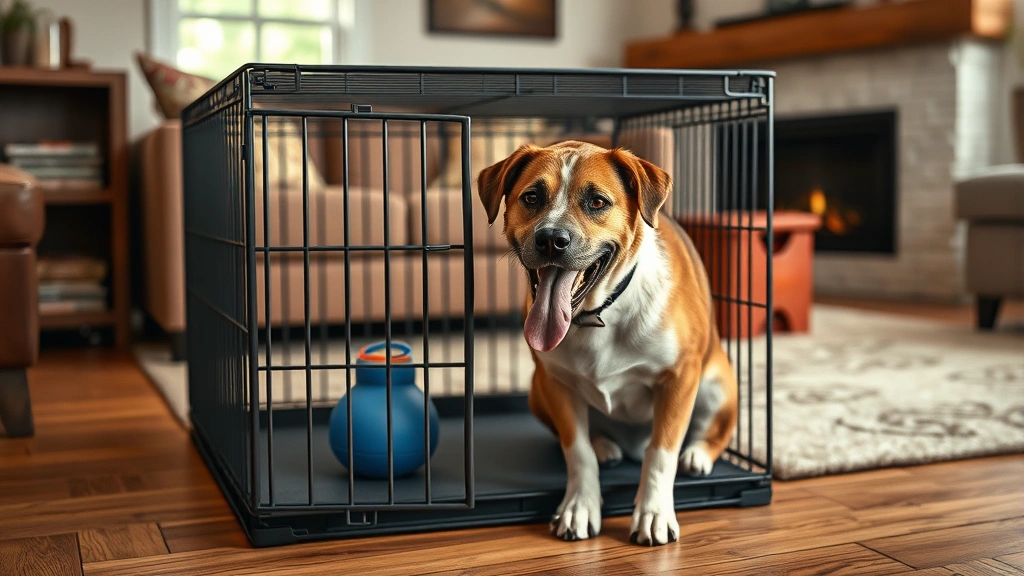
Let’s talk about what NOT to do. Don’t use the kennel as punishment—that’s the fastest way to create crate anxiety. Don’t leave your dog kenneled for 10+ hours regularly. Don’t ignore whining in the early stages (they might genuinely need a potty break). And don’t rush the process because you’re impatient. Adult dogs have had years to develop their habits. Give them time to develop new ones.
Also, never force your dog into the kennel or slam the door aggressively. That’s a one-way ticket to Crate Anxiety City, population: your dog.
Nutrition and Energy Management During Training
Here’s something most guides skip: a tired dog is a good dog. If your adult dog has pent-up energy, they’re more likely to panic or whine in the kennel. Make sure they’re getting adequate exercise before kenneling sessions. A 30-minute walk or play session can make a massive difference in their ability to settle.
Also consider their diet. Dogs with proper nutrition have better temperaments and focus. Check out our article on energy-boosting foods for active pets to ensure your pup is fueled properly for training success. And if you’re unsure about dietary changes during training, virtual vet consultation for diet questions can help you dial it in.
Dealing with Adult Dog Crate Anxiety
Some adult dogs have legitimate anxiety about enclosed spaces, especially rescues or dogs with unknown histories. If your dog is panting heavily, drooling excessively, or having panic attacks, talk to your vet. They might recommend calming supplements, anxiety wraps, or in some cases, medication to help your pup get through the training period.
Desensitization is slower for anxious dogs, and that’s fine. You might be working in seconds and minutes for weeks. That’s not failure—that’s meeting your dog where they are. Patience wins every time.
The Reality of Adult Dog Kennel Training Success
Here’s the honest truth: most adult dogs can be successfully kennel trained within 4-8 weeks if you’re consistent. Some take longer. Some take shorter. Every dog is different, and that’s not a reflection on you or your pup. You’re literally teaching an adult dog a new life skill. That’s actually pretty cool.
The payoff? A dog who feels safe in their crate, who can travel with you, who has a secure space during stressful situations. That’s worth the effort.
Pro Tips for Ongoing Success
Once your adult dog is kennel trained, keep reinforcing it. Toss treats in occasionally. Use the kennel during calm moments, not just when you’re leaving. Make it part of your normal routine, not an emergency measure. Dogs who are regularly kenneled in low-stress situations maintain their training way better than dogs who only see the crate when their humans are about to disappear.
And here’s a wild tip: never make a big deal about leaving or returning. No dramatic goodbyes, no excited hellos. Just matter-of-fact. This prevents separation anxiety from developing in the first place.
Troubleshooting Specific Issues
If your adult dog is having accidents in the kennel despite being housetrained, they might have a UTI or other medical issue. Schedule a vet checkup first. If they’re physically healthy, they might need more frequent potty breaks or longer pre-kenneling exercise sessions.
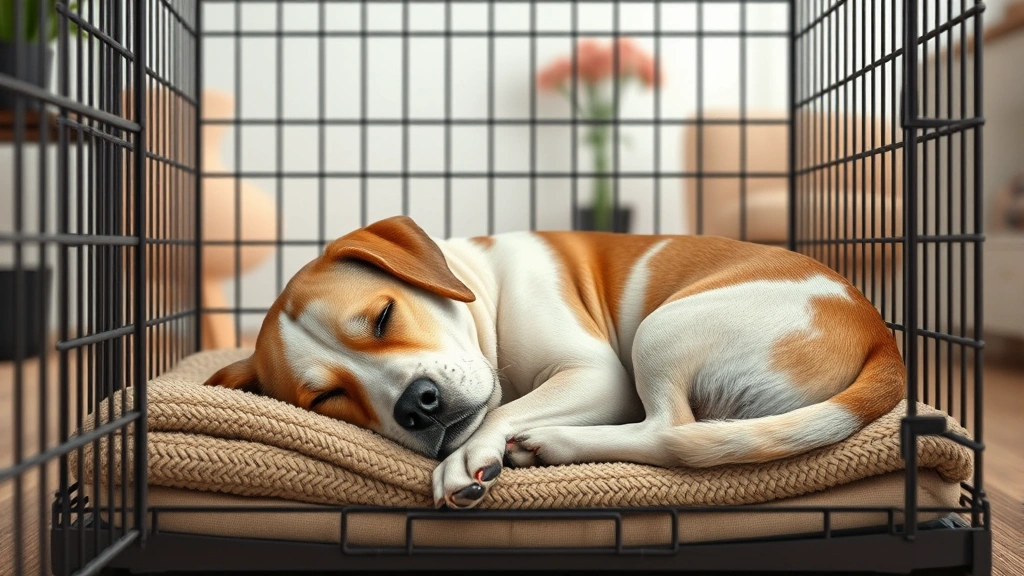
If they’re destroying bedding or the crate itself, remove soft materials and use a wire crate instead. Some dogs have destructive anxiety that needs to be addressed before or alongside crate training.
Frequently Asked Questions
How long does it take to kennel train an adult dog?
Most adult dogs can learn basic kennel training in 4-8 weeks with consistent practice. Some anxious dogs might take 3-6 months. It depends on the individual dog’s history, temperament, and how much time you dedicate to training.
Can you kennel train a dog with separation anxiety?
Yes, but it requires extra patience and sometimes professional help. Start with even shorter intervals, ensure plenty of exercise beforehand, and consider talking to a veterinary behaviorist. Sometimes medication or calming supplements help during the training phase.
Is it cruel to kennel an adult dog?
Nope. Properly trained kennels are safe spaces dogs actually enjoy. It’s only cruel if you’re using it as punishment, leaving them kenneled for excessive hours, or forcing them in without proper training. A well-trained kennel is basically a dog’s personal bedroom.
What if my adult dog refuses to go in the kennel?
You’re moving too fast. Back up several steps and spend more time with the door open and treats inside. Some dogs need weeks of just voluntary exploration before any door-closing happens. That’s okay. Slow and steady wins this race.
Can I use treats from my kitchen for training?
Absolutely. Check out our guide on budget-friendly homemade pet treats for ideas that work great for kennel training without breaking the bank.
Conclusion: Your Adult Dog Can Do This
Training an adult dog to use a kennel is absolutely achievable, even if they’ve never seen one before. The key is patience, consistency, positive reinforcement, and meeting your dog where they are. There’s no shame in going slowly. There’s no prize for rushing. Your goal is a dog who feels safe and secure in their crate, and that’s worth taking the time to do right.
Start with the right-sized kennel, make it irresistible with treats, introduce the door gradually, build duration at home, and eventually work up to leaving the house. Avoid punishment, manage energy through exercise and nutrition, and address anxiety with professional help if needed. Before you know it, your adult dog will be voluntarily chillin’ in their kennel like they’ve been doing it their whole life.
You’ve got this. Your dog’s got this. Now go make that crate the coolest spot in the house.





