How to Tell If Your Dog Has a UTI: Signs to Watch For
If you’ve noticed your furry best friend making more frequent trips outside or seeming uncomfortable during bathroom breaks, you might be wondering what’s going on. Urinary tract infections (UTIs) are surprisingly common in dogs, affecting both males and females across all age groups. The tricky part? Many dog parents don’t realize their pup has a UTI until the problem becomes serious. That’s why learning to recognize the early warning signs is absolutely crucial for keeping your four-legged companion healthy and comfortable.
A UTI occurs when bacteria invade the urinary system, causing inflammation and irritation. While UTIs are treatable, they can progress into more serious kidney infections if left unchecked. The good news is that by staying vigilant and knowing what symptoms to look for, you can catch a UTI early and get your dog the treatment they need before complications arise.
In this comprehensive guide, we’ll walk you through everything you need to know about identifying UTIs in dogs, from the subtle behavioral changes to the more obvious physical signs. We’ll also explore what causes these infections, when to see your vet, and how you can help prevent them from happening in the first place.
Common Signs and Symptoms of UTIs in Dogs
Recognizing a UTI in your dog starts with understanding the full range of symptoms that can develop. Unlike some health conditions that announce themselves loudly, UTI signs can be subtle at first, gradually becoming more noticeable as the infection progresses. The most common indicators include increased urination, accidents in the house, straining to urinate, and changes in urine appearance or smell.
One of the first things many dog owners notice is that their pet suddenly needs more bathroom breaks than usual. If your normally well-trained pup starts asking to go outside more frequently, or worse, has accidents indoors, it’s time to pay attention. These behavioral shifts often signal that something isn’t quite right with your dog’s urinary system.
It’s also important to note that some dogs may not show obvious symptoms until the infection becomes more advanced. This is especially true for male dogs, who may have different symptom presentations than females. Older dogs and dogs with compromised immune systems may also display symptoms differently, which is why regular veterinary check-ups are so important.
Changes in Urination Frequency and Behavior
The most telltale sign of a UTI is a dramatic increase in how often your dog needs to urinate. You might notice your pup asking to go outside every hour or two, when they previously had a predictable schedule. Some dogs may even develop the frustrating habit of having accidents in the house despite being housetrained, which can be heartbreaking for both you and your furry friend.
Pay close attention to the volume of urine your dog produces during these frequent trips. With a UTI, dogs often produce smaller amounts of urine more frequently, rather than their normal larger volumes less often. This happens because the infection irritates the bladder, making your dog feel like they need to go even when there isn’t much urine to pass.
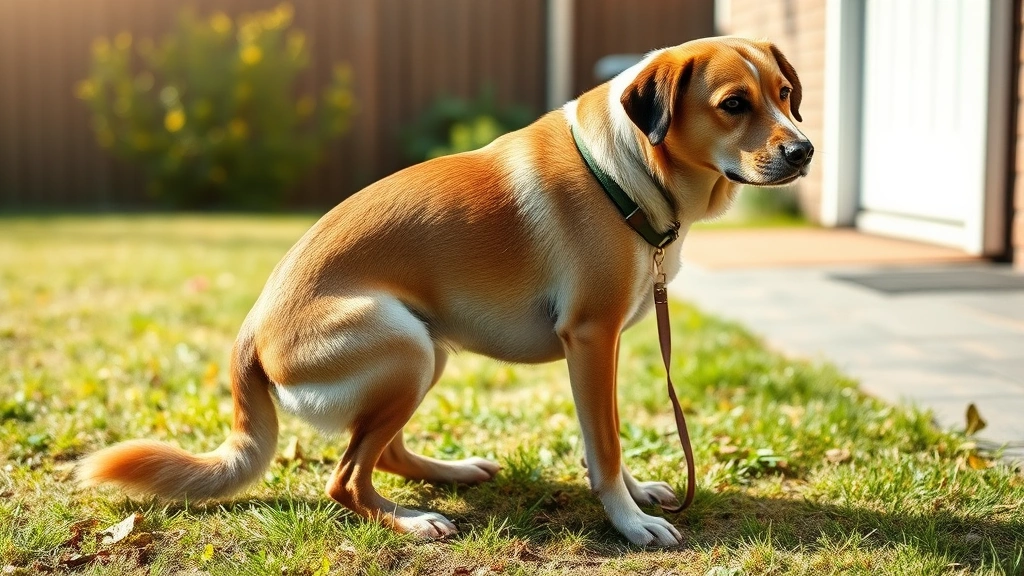
Straining during urination is another red flag you shouldn’t ignore. If your dog seems to struggle, takes longer than usual to urinate, or appears to be in pain while going to the bathroom, these are all classic signs of a urinary tract problem. Some dogs may cry out, whimper, or assume an unusual posture while trying to urinate. If your dog is peeing blood, this is an especially serious symptom that requires immediate veterinary attention.
Additionally, if you notice your dog is drinking significantly more water than usual, this could be related to urinary issues. Increased thirst and increased urination often go hand in hand, as your dog’s body attempts to flush out the infection.
Physical Indicators and Discomfort
Beyond urination changes, there are several physical signs that might indicate your dog has a UTI. The appearance and smell of your dog’s urine can provide valuable clues. Healthy dog urine is typically pale yellow and has a mild odor. If you notice that your dog’s urine appears cloudy, dark, or has a strong, foul smell, these are potential indicators of infection.
Some dogs with UTIs may develop visible blood in their urine, which is understandably alarming for any pet parent. This condition, known as hematuria, suggests that the infection has caused inflammation or irritation severe enough to damage the urinary tract lining. If you observe blood in your dog’s urine, don’t delay—contact your veterinarian immediately.
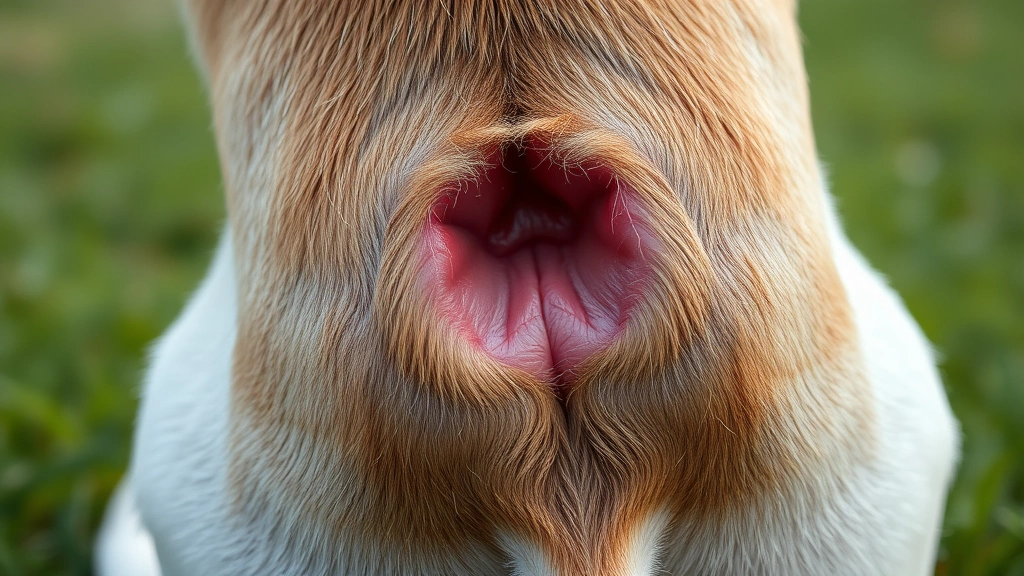
Your dog’s genital area might also show signs of irritation. You may notice redness, swelling, or discharge around the vulva in females or the prepuce in males. Some dogs will excessively lick their genital area in response to the discomfort caused by the infection. While occasional licking is normal grooming behavior, obsessive licking is a sign that something is bothering your pup.
Fever is another physical indicator that shouldn’t be overlooked. If your dog feels warm to the touch, seems lethargic, or is less interested in play and activities they normally enjoy, they might be running a fever due to the infection. In some cases, the infection can progress to the kidneys, which may cause more severe symptoms including vomiting and loss of appetite.
Behavioral Changes to Notice
Beyond the obvious urinary symptoms, UTIs can cause noticeable behavioral changes in your dog. Many infected dogs become irritable or anxious, especially around their normal bathroom times. They might pace restlessly, seem unable to get comfortable, or display signs of distress that you can’t immediately explain.
Some dogs become more clingy or demanding of attention when they’re dealing with a UTI, as if they’re trying to communicate that something is wrong. Others might withdraw and become less social, preferring to rest rather than engage in their usual activities. These personality shifts can be subtle but are definitely worth noting.
Depression and lethargy are common in dogs with more severe UTIs. If your normally energetic pup suddenly seems disinterested in walks, playtime, or treats, this could indicate that they’re not feeling well. The discomfort and systemic effects of an untreated infection can really take a toll on your dog’s overall mood and energy levels.
It’s also worth mentioning that some behavioral issues might seem unrelated to a UTI but could actually be connected. For instance, if your dog seems anxious or stressed, this might be their way of expressing physical discomfort rather than an actual anxiety disorder. This is why it’s so important to rule out medical conditions before assuming behavioral problems.
Causes and Risk Factors
Understanding what causes UTIs in dogs can help you recognize risk factors and potentially prevent future infections. The most common cause is bacterial infection, typically from bacteria that normally live on the dog’s skin or in the gastrointestinal tract. These bacteria can ascend the urethra and establish an infection in the bladder or upper urinary tract.
Female dogs are statistically more prone to UTIs than males due to their anatomy. Females have a shorter urethra, which makes it easier for bacteria to travel up into the bladder. This is why female dogs account for the majority of UTI cases in veterinary practices.
Certain factors increase your dog’s susceptibility to developing a UTI. Older dogs, dogs with diabetes, dogs with hormonal imbalances, and dogs with weakened immune systems are all at higher risk. Additionally, dogs that have a history of urinary stones or bladder abnormalities are more prone to infections. Incomplete bladder emptying, whether due to anatomical issues or other causes, can also contribute to UTI development.
Some medications and medical conditions can increase UTI risk as well. Corticosteroids, for example, can suppress the immune system and make infections more likely. Dogs with kidney disease or those undergoing chemotherapy may also be more susceptible. Understanding your individual dog’s risk factors can help you stay vigilant and catch infections early.
When to See Your Veterinarian
If you suspect your dog has a UTI, scheduling a veterinary appointment should be your next step. While some mild cases might resolve on their own, most UTIs require professional treatment to prevent complications. Don’t wait for symptoms to worsen—early intervention is always the best approach.
Seek immediate veterinary care if your dog shows signs of severe illness, such as persistent vomiting, inability to urinate despite straining, or signs of kidney infection. If your dog is in obvious pain, running a high fever, or showing signs of sepsis (such as extreme lethargy or collapse), this is an emergency situation requiring urgent attention.
Even if symptoms seem mild, it’s worth getting your dog checked out. Your veterinarian can perform diagnostic tests to confirm whether a UTI is actually present and rule out other potential issues. This is especially important because some conditions that mimic UTI symptoms—like bladder stones, tumors, or incontinence—require different treatment approaches.
Regular wellness exams are also valuable for catching UTIs before they become symptomatic. Your vet can perform urinalysis as part of routine screening, which can detect bacterial infections even when your dog isn’t showing obvious signs. This is particularly helpful for older dogs or those with known risk factors.
Diagnosis and Treatment Options
When you take your dog to the veterinarian with suspected UTI symptoms, they’ll likely perform a urinalysis to confirm the diagnosis. This test examines your dog’s urine for the presence of bacteria, white blood cells, red blood cells, and other indicators of infection. Your vet might also perform a urine culture to identify the specific bacteria involved, which helps determine the most effective antibiotic treatment.
In some cases, your veterinarian might recommend additional imaging studies like ultrasound or X-rays to check for underlying issues such as stones or anatomical abnormalities. These investigations are especially important if your dog has recurrent UTIs, as they might reveal an underlying condition that needs to be addressed.
Treatment typically involves a course of antibiotics prescribed specifically for your dog’s infection. It’s crucial to complete the full course of antibiotics even if your dog seems to feel better, as stopping early can lead to recurrent infections and antibiotic resistance. Your vet will likely recommend a follow-up urinalysis after treatment to ensure the infection has been completely cleared.
In addition to antibiotics, your veterinarian might recommend home care strategies for treating a dog’s bladder infection. These might include increasing water intake to help flush the urinary system, frequent bathroom breaks, and possibly dietary modifications. Some vets may also recommend supplements like cranberry extract or probiotics, though the evidence for these is mixed.
Prevention Strategies
While you can’t always prevent UTIs, there are several steps you can take to reduce your dog’s risk of developing one. Ensuring your dog has access to plenty of fresh, clean water is fundamental. Proper hydration helps flush the urinary system and can help prevent bacterial colonization. Encourage your dog to drink regularly and empty their bladder frequently by taking them out for bathroom breaks multiple times daily.
Maintaining good hygiene is also important, particularly for female dogs. Keeping the area around your dog’s genital region clean and dry helps prevent bacterial contamination. Regular grooming and bathing can help with this, and some owners find that keeping the fur trimmed short in that area reduces moisture retention.
Diet plays a role in urinary health too. Some dogs benefit from diets formulated to support urinary tract health, which may include appropriate mineral balances and pH levels. Talk to your veterinarian about whether a specialized diet might be appropriate for your dog, especially if they have a history of UTIs or other urinary issues.
Regular veterinary check-ups are one of the best prevention tools available. Your vet can monitor your dog’s urinary health, perform preventive urinalysis, and catch any issues early. For dogs with recurrent UTIs, your vet might recommend more frequent screening and may suggest long-term preventive strategies.
Managing any underlying health conditions is also crucial for prevention. If your dog has diabetes, hormonal imbalances, or other chronic conditions, keeping these well-controlled reduces their UTI risk. Similarly, addressing issues like incomplete bladder emptying or urinary incontinence can help prevent secondary bacterial infections.
Frequently Asked Questions
Can a dog UTI go away on its own?
While some mild UTIs might theoretically resolve without treatment, this is risky and not recommended. Untreated UTIs can progress to more serious kidney infections, which are much more dangerous. Additionally, allowing the infection to persist increases the likelihood of recurrence. Always consult your veterinarian rather than hoping a UTI will resolve independently.
How long does it take for antibiotics to work on a dog UTI?
Most dogs start feeling better within 24-48 hours of starting antibiotic treatment. However, the full course of antibiotics (usually 7-14 days) must be completed as prescribed. Finishing the entire course ensures the infection is completely eliminated and helps prevent antibiotic resistance.
Are male or female dogs more prone to UTIs?
Female dogs are significantly more prone to UTIs than males due to their anatomical differences. Females have a shorter urethra, which makes it easier for bacteria to ascend into the bladder. However, male dogs can still develop UTIs, and when they do, it may indicate a more serious underlying problem.
What’s the difference between a UTI and a bladder infection?
These terms are often used interchangeably, but technically a UTI (urinary tract infection) is a broader term that includes infections anywhere in the urinary system—the urethra, bladder, ureters, or kidneys. A bladder infection specifically refers to cystitis, which is inflammation of the bladder. A bladder infection is a type of UTI, but not all UTIs are bladder infections.
Can stress cause a UTI in dogs?
While stress doesn’t directly cause UTIs, it can weaken the immune system and make dogs more susceptible to bacterial infections. Chronic stress might also affect urinary function and increase the risk of infection. Managing your dog’s stress through proper exercise, enrichment, and a stable environment is part of overall health maintenance.
Should I be concerned if my dog has recurrent UTIs?
Yes, recurrent UTIs warrant investigation. If your dog develops multiple UTIs within a short period, your veterinarian should perform additional diagnostics to identify underlying causes. These might include anatomical abnormalities, stones, tumors, or other medical conditions. Addressing the root cause is essential for long-term management.
How can I help prevent UTIs in my senior dog?
Senior dogs are at higher risk for UTIs, so preventive measures are especially important. Ensure frequent bathroom breaks, maintain good hydration, keep the genital area clean and dry, and attend regular veterinary check-ups. Your vet might recommend more frequent urinalysis screening for older dogs to catch infections early.