Does My Dog Have a UTI? Signs to Watch For
If you’ve noticed your furry best friend making more frequent trips outside or seeming uncomfortable during bathroom breaks, you might be wondering: does my dog have a UTI? Urinary tract infections are surprisingly common in our canine companions, and knowing the warning signs can help you get your pup the care they need before the problem escalates. The good news? Most UTIs are highly treatable when caught early.
As a pet parent, you’re already tuned into your dog’s normal behavior patterns. That’s your superpower when it comes to spotting potential health issues. A urinary tract infection might seem minor, but it can cause genuine discomfort for your dog and lead to more serious complications if left untreated. Let’s dive into what you need to know about identifying UTIs in dogs and when it’s time to call your veterinarian.
This comprehensive guide will walk you through the telltale signs of a UTI, help you understand what’s happening in your dog’s urinary system, and show you what to expect when you visit the vet. Whether you’re dealing with a senior dog prone to infections or a younger pup experiencing their first UTI, this information will empower you to take action.
What Exactly Is a Canine UTI?
A urinary tract infection in dogs occurs when bacteria enter and multiply in the urinary system, typically affecting the bladder or urethra. Understanding the basics of how canine UTIs develop will help you recognize why your dog might be experiencing discomfort and why prompt treatment matters.
The urinary tract is designed to be a sterile environment. When bacteria bypass the body’s natural defenses—like the dog’s immune system and the flushing action of urine—they can establish an infection. The most common culprit is E. coli, a bacterium that naturally lives in the gastrointestinal tract but shouldn’t be present in the urinary system.
According to the American Kennel Club, UTIs are more prevalent in female dogs than males, primarily due to anatomical differences. Female dogs have a shorter urethra, which makes it easier for bacteria to travel up into the bladder. However, male dogs certainly aren’t immune—they can develop UTIs too, and when they do, it’s often worth investigating further, as it might indicate an underlying issue.
Common Signs Your Dog Might Have a UTI
Knowing the signs your dog has a UTI is crucial for early detection. The symptoms can vary from subtle to obvious, depending on the severity of the infection and your individual dog’s response to illness.
Most dogs with UTIs display changes in their urination patterns. You might notice your dog needs to go outside more frequently than usual, or they might have accidents in the house despite being housetrained. Some dogs experience urgency—they’ll paw at the door or give other signals that they need to relieve themselves immediately.
The quality of urination changes too. Your dog’s urine might appear cloudy, discolored, or have an unusually strong odor. In some cases, you might notice traces of blood in the urine, which can be alarming but is actually a sign that your pup needs veterinary attention promptly. If you’re concerned about why your dog is peeing blood, a UTI could very well be the explanation.
During bathroom breaks, your dog might seem to strain or spend more time trying to urinate than normal. They might also cry out, whimper, or show signs of discomfort during the process. Some dogs will lick their genital area excessively as a response to the irritation and discomfort caused by the infection.
Behavioral Changes to Monitor
Beyond the obvious urinary symptoms, UTIs can cause behavioral changes that might seem unrelated to the urinary tract at first glance. Your dog might become lethargic or less interested in activities they normally enjoy. A normally playful pup might prefer to rest, and you might notice they’re not their usual enthusiastic selves.
Some dogs become more anxious or clingy when dealing with a UTI. The discomfort and frequent urge to urinate can create stress and uncertainty, leading your dog to seek more comfort from you. Others might become irritable or show signs of mild aggression, particularly if touched near their abdomen or back end.
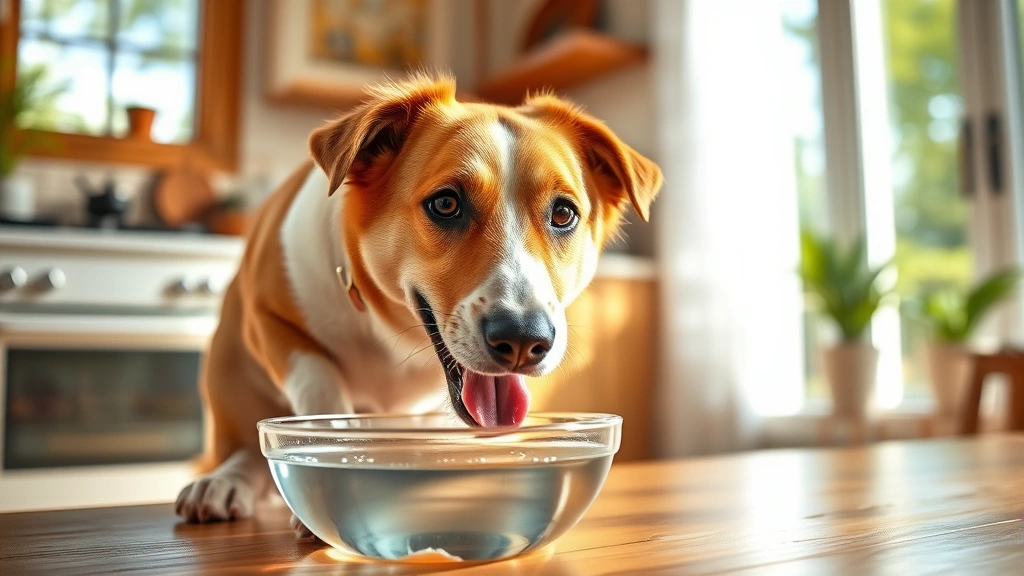
Loss of appetite is another behavioral indicator that something’s wrong. While it’s not specific to UTIs, when combined with other symptoms, it suggests your dog isn’t feeling well and needs professional evaluation. Additionally, increased water drinking can accompany UTIs as your dog’s body attempts to flush out the infection.
Physical Symptoms and Warning Signs
When examining your dog for UTI symptoms, look for tangible physical signs. Fever is a classic indicator that your dog’s body is fighting an infection. Normal dog body temperature ranges from 101 to 102.5 degrees Fahrenheit, so if your dog feels unusually warm, it’s worth checking with a thermometer and calling your vet.
Urine accidents in the house, especially in dogs who are reliably housetrained, are a major red flag. This isn’t your dog being naughty—it’s a medical issue. The urge to urinate becomes so frequent and urgent that your dog simply can’t hold it until the next scheduled bathroom break.
Some dogs develop a hunched posture or seem to have abdominal discomfort. They might be reluctant to jump, climb stairs, or engage in normal movement. In severe cases, incomplete emptying of the bladder can occur, meaning your dog will attempt to urinate multiple times without producing much urine.
The ASPCA notes that common dog health problems like UTIs require professional diagnosis to ensure proper treatment and rule out other conditions. Don’t try to self-diagnose based on symptoms alone—a vet visit is essential.
Risk Factors and Vulnerable Dogs
Certain dogs are more susceptible to developing UTIs than others. Understanding your dog’s risk factors can help you stay vigilant and potentially prevent infections before they start.
Senior dogs face increased UTI risk. As dogs age, their immune systems naturally weaken, making them more vulnerable to bacterial infections. Additionally, older dogs might have other health conditions that compromise their urinary tract health.
Female dogs are at higher risk than males due to their shorter urethra. Spayed females, in particular, have an increased incidence of incontinence and UTIs later in life, though the exact reasons are still being studied.
Dogs with diabetes are more prone to UTIs because elevated glucose levels in the urine create an environment where bacteria thrive. Similarly, dogs with bladder stones or other urological abnormalities face increased risk. Certain breeds, like Dalmatians, are genetically predisposed to urinary issues.
Dogs with compromised immune systems, whether from disease, medication, or other factors, struggle to fight off bacterial infections effectively. Additionally, dogs who don’t drink enough water or who hold their urine for extended periods have higher UTI risk, as adequate urination helps flush bacteria from the system.
Diagnostic Tests Your Vet Will Use
When you bring your dog to the veterinarian with suspected UTI symptoms, they’ll conduct specific tests to confirm the diagnosis. The most common test is a urinalysis, which examines a urine sample under a microscope and tests for various indicators of infection, including white blood cells, bacteria, and blood.
Your vet might also perform a urine culture, which takes longer but provides definitive identification of the bacterial species causing the infection. This information helps determine the most effective antibiotic treatment. Some bacteria resist certain antibiotics, so knowing exactly what you’re dealing with ensures your dog gets the right medication.
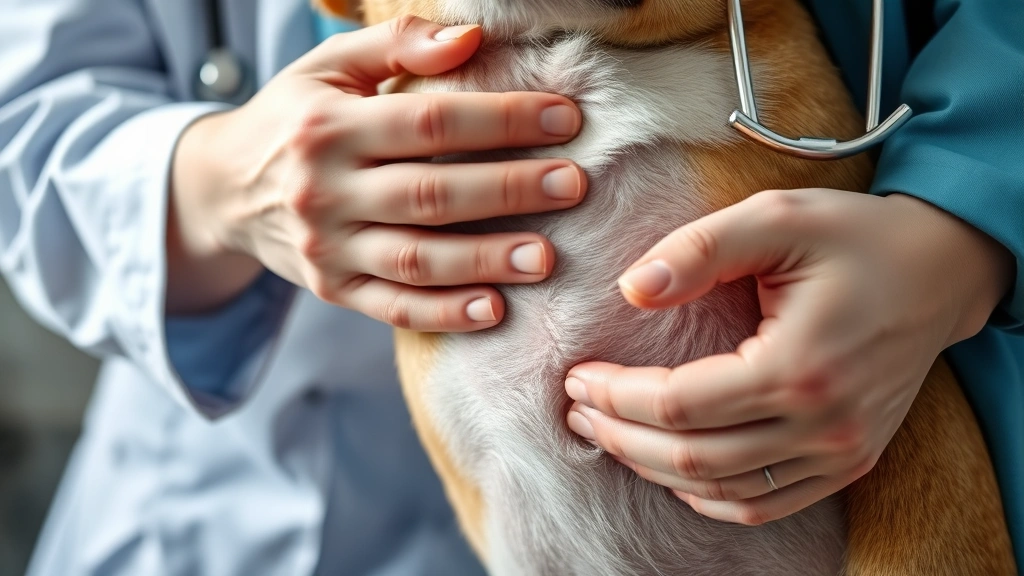
A physical examination is also part of the diagnostic process. Your vet will palpate your dog’s abdomen to check for bladder tenderness or other abnormalities. They might ask detailed questions about your dog’s symptoms, drinking habits, and medical history.
In some cases, your vet might recommend imaging studies like ultrasound or X-rays to rule out bladder stones, tumors, or other structural problems that might be contributing to recurring infections. Blood work might also be performed to assess your dog’s overall health and kidney function.
Treatment Options and Recovery
Once your vet confirms a UTI diagnosis, treatment typically involves antibiotics. The specific antibiotic prescribed depends on the culture results and your dog’s individual circumstances. It’s crucial to complete the entire course of antibiotics, even if your dog seems better after a few days. Stopping early can allow the infection to return and potentially lead to antibiotic resistance.
Most dogs start feeling better within a few days of starting antibiotics, but the infection might not be completely cleared for 7-14 days. During treatment, ensure your dog has access to plenty of fresh water to help flush their system. Some vets recommend adding moisture to your dog’s food to increase overall fluid intake.
Pain management might be necessary, especially if your dog is experiencing significant discomfort. Your vet might recommend anti-inflammatory medications or other pain relief options to make your dog more comfortable during recovery.
You can explore home treatment approaches for bladder infections in conjunction with veterinary care. Additionally, learning how to treat dog UTI at home with supportive care can complement your vet’s prescribed treatment plan. Always consult your veterinarian before adding any supplements or making dietary changes.
Follow-up urinalysis after completing antibiotics confirms that the infection has been fully cleared. Some dogs are prone to recurrent UTIs and might benefit from preventive strategies or additional investigation into underlying causes.
Prevention Strategies for Future UTIs
While not all UTIs can be prevented, several strategies can significantly reduce your dog’s risk of developing one.
Hydration is key. Encourage your dog to drink plenty of water throughout the day. Some dogs prefer running water, so a dog water fountain might entice them to drink more. Adequate hydration ensures regular urination, which naturally flushes bacteria from the urinary tract.
Frequent bathroom breaks give bacteria less opportunity to establish infections. Try to let your dog outside at least four times daily, and avoid situations where your dog must hold their urine for extended periods.
Genital hygiene matters. Keep the area around your dog’s genitals clean and dry. For female dogs especially, wiping from front to back after bathroom breaks can help prevent bacteria from entering the urethra. Regular bathing and grooming also support overall health.
Diet can play a role. Some research suggests that certain dietary components might support urinary tract health. Consult your vet about whether a prescription urinary diet might benefit your dog, especially if they’re prone to recurrent infections.
Maintain a healthy weight. Obesity can contribute to various health issues, including UTI susceptibility. Regular exercise and appropriate nutrition support overall wellness and immune function.
Regular veterinary check-ups allow your vet to catch early signs of problems. Senior dogs and those with risk factors should visit the vet at least twice yearly.
Address underlying conditions. If your dog has diabetes, bladder stones, or other health issues that increase UTI risk, working with your vet to manage these conditions helps prevent secondary infections.
Some pet parents give their dogs supplements like cranberry extract or probiotics, which have some research support for urinary tract health. However, always discuss supplements with your veterinarian before starting them, as they can interact with medications or be inappropriate for certain dogs.
Frequently Asked Questions
How long does it take for a dog UTI to go away?
Most UTIs respond well to antibiotics within 7-14 days of starting treatment. However, your dog might start feeling better within 2-3 days. It’s essential to complete the entire antibiotic course even if symptoms improve, as premature cessation can lead to recurrence or antibiotic resistance.
Can a dog UTI go away on its own?
While mild UTIs occasionally resolve without treatment, it’s risky to rely on this. Most UTIs worsen without antibiotics and can progress to more serious kidney infections. Professional veterinary treatment is strongly recommended to ensure proper resolution and prevent complications.
Is dog UTI contagious to humans?
Dog UTIs are not contagious to humans. The bacteria causing your dog’s infection are specific to their urinary tract. However, maintaining good hygiene practices when handling your dog or their urine is always sensible.
What’s the difference between a UTI and a bladder infection?
These terms are often used interchangeably, but technically a bladder infection is a specific type of UTI. A UTI refers to any infection in the urinary tract (urethra, bladder, ureters, or kidneys), while a bladder infection specifically affects the bladder. Most canine UTIs do involve the bladder.
Why does my dog keep getting UTIs?
Recurrent UTIs suggest an underlying issue that needs investigation. Possibilities include incomplete bladder emptying, bladder stones, anatomical abnormalities, diabetes, or immune system problems. Your vet should perform thorough diagnostics to identify the cause and develop a prevention strategy.
Can diet help prevent UTIs in dogs?
While no diet specifically prevents UTIs, maintaining proper hydration through diet (wet food, adequate water intake) supports urinary tract health. Some prescription urinary diets are formulated to support bladder health. Your vet can recommend dietary adjustments based on your dog’s specific needs and any underlying conditions.
Should I worry if my dog has a UTI?
While UTIs are treatable and usually not life-threatening, they do require professional attention. Untreated UTIs can progress to kidney infections, which are more serious. Early detection and treatment prevent complications and keep your dog comfortable.