

How to Know When Your Dog Is Dying: Key Signs Every Pet Owner Should Recognize
Saying goodbye to a beloved canine companion is one of the hardest experiences any pet owner faces. Our dogs aren’t just pets—they’re family members, confidants, and sources of unconditional love. Recognizing the signs that your dog may be nearing the end of their life is crucial for ensuring they receive proper care, comfort, and the dignity they deserve during their final days.
While it’s never easy to think about mortality, understanding what to look for can help you make informed decisions about your dog’s healthcare and quality of life. Whether your pup is battling a terminal illness or simply aging gracefully, knowing how to identify these warning signs empowers you to provide the best possible support and comfort during this sensitive time.
This comprehensive guide walks you through the physical, behavioral, and medical indicators that suggest your dog’s health may be declining. We’ll explore what you can do to help, when to consult your veterinarian, and how to navigate this challenging journey with compassion and clarity.
Physical Signs Your Dog May Be Dying
The body undergoes significant changes as a dog approaches the end of life. Recognizing these physical manifestations is the first step toward understanding your pet’s condition and responding appropriately.
Loss of Body Condition and Weight
One of the most noticeable changes is rapid weight loss and deterioration of muscle mass. Your dog’s ribs may become increasingly prominent, their spine more visible, and their overall frame appears gaunt or skeletal. This occurs because the body begins shutting down non-essential functions and struggling to maintain muscle tissue. Even if your dog is eating, they may not be absorbing nutrients effectively, or underlying conditions may be accelerating metabolic breakdown.
Changes in Coat and Skin
A dying dog’s coat often becomes dull, matted, and loses its luster. The skin may appear papery, loose, or flaky. Some dogs develop sores or lesions that don’t heal properly. These changes reflect the body’s inability to maintain healthy skin and fur as vital systems begin to fail. Your dog may also stop grooming themselves, which was once an instinctive behavior.
Pale or Discolored Gums and Mucous Membranes
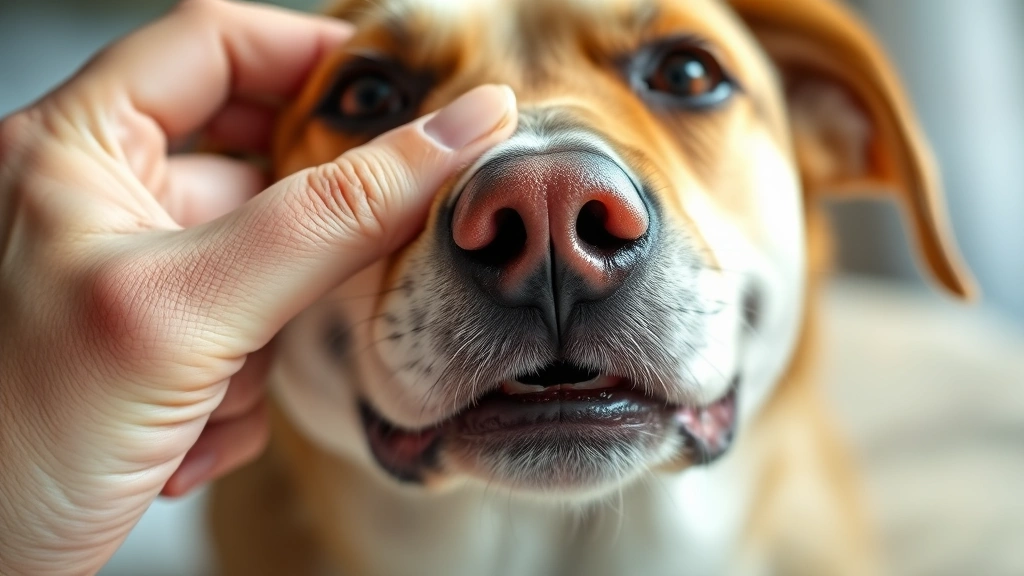
Healthy dogs have pink gums, but as circulation deteriorates, gums may become pale, white, or even bluish. You can check this by gently lifting your dog’s lip and observing the color. Pale mucous membranes indicate poor blood circulation and oxygen delivery, a serious sign that internal organs aren’t receiving adequate support.
Incontinence and Loss of Bladder Control
As your dog’s body weakens, they may lose control of their bladder and bowels. This isn’t behavioral—it’s a result of weakening muscles and loss of nervous system function. You might notice accidents in the house despite your dog’s previous housetraining, or they may seem distressed by their inability to control these functions.
Behavioral and Emotional Changes
Beyond physical symptoms, a dying dog’s behavior often shifts dramatically. These emotional and psychological changes can be just as telling as physical deterioration.
Withdrawal and Isolation
Dogs nearing the end often retreat from family activities and social interaction. Your once-social pup may hide in quiet corners, avoid family gatherings, or show little interest in activities they once loved. This withdrawal is partly instinctive—animals often seek solitude when they’re suffering or dying—and partly a result of declining energy and enthusiasm.
Decreased Interest in Play and Exercise
Even the most energetic dog will show marked disinterest in play, walks, and physical activity as they decline. If your dog is breathing heavy and can’t manage a short walk, or if they used to fetch for hours but now shows no interest, this signals significant physical deterioration. The effort required for these activities becomes too taxing for their failing body.
Confusion and Disorientation
Cognitive decline is common in dying dogs. You may notice your pet seeming confused about their surroundings, forgetting familiar routines, or appearing lost even in their own home. They might stare blankly at walls, forget where their food or water bowls are, or fail to recognize family members. This mental fog results from declining brain function and reduced oxygen circulation.
Changes in Sleep Patterns
Dying dogs often sleep excessively—sometimes 18-23 hours per day. Conversely, some experience restlessness and difficulty settling down. Your dog may seem unable to find a comfortable position, constantly shifting, panting, or appearing anxious even when resting.

Loss of Appetite and Digestive Issues
Nutritional intake and digestive function are critical indicators of your dog’s overall health trajectory.
Complete Loss of Appetite
While your dog throwing up can signal various issues, complete refusal to eat is particularly concerning. A dying dog may show no interest in their favorite treats, foods, or meals. This isn’t pickiness—it’s often a sign that the body is shutting down and no longer sends hunger signals. The dog’s digestive system is also likely compromised, making eating uncomfortable or impossible.
Difficulty Swallowing
You might notice your dog attempting to eat but struggling to swallow, or dropping food from their mouth. This can indicate throat cancer, neurological decline, or general weakness. Some dogs may drool excessively or show signs of pain when attempting to eat.
Persistent Vomiting and Diarrhea
While vomiting and diarrhea can indicate many conditions, persistent episodes without improvement suggest the digestive system is failing. Your dog may vomit even when their stomach is empty (dry heaving) or produce watery, bloody stools. Dehydration quickly follows, further compromising health. Comfort for a dog with pancreatitis and other digestive conditions becomes increasingly difficult as the body deteriorates.
Bad Breath and Mouth Odors
Dying dogs often develop foul-smelling breath that goes beyond typical “dog breath.” This can indicate oral infections, tooth decay, or internal organ failure. The smell may be accompanied by visible decay, loose teeth, or bleeding gums.
Breathing Difficulties and Circulation Problems
Respiratory and cardiovascular changes are among the most critical signs of end-of-life decline.
Labored or Irregular Breathing
If your dog is breathing heavy persistently, or if their breathing becomes shallow, irregular, or accompanied by gasping sounds, their lungs or heart may be failing. Some dying dogs develop a rattling sound in their breathing (sometimes called “death rattle”) caused by fluid in the airways. Breathing may become very slow and weak, with long pauses between breaths.
Lethargy and Extreme Fatigue
A dog whose body is shutting down will seem utterly exhausted. Even minimal activity leaves them panting heavily and requiring extended recovery time. This extreme fatigue results from the heart’s inability to pump blood efficiently and the lungs’ difficulty oxygenating blood.
Cold Extremities
As circulation fails, your dog’s paws, ears, and nose may become cold to the touch. The body prioritizes vital organs, redirecting blood flow away from the extremities. You might notice your dog’s paw pads are cooler than normal or their ears feel icy.
Weak or Irregular Pulse
If you know how to check your dog’s pulse (typically at the inside of the hind leg), you may notice it’s weak, hard to find, or irregular. A normal resting heart rate for dogs ranges from 60-100 beats per minute, but this can become dangerously low or erratic as the heart fails.
Understanding Senior Dogs and Age-Related Decline
Recognizing that your dog is considered a senior is essential context for understanding end-of-life changes. Senior dogs experience natural aging processes that differ from acute illness or injury.
Normal Aging vs. Dying
All senior dogs show signs of aging—graying fur, reduced mobility, slower response times. However, there’s a distinction between normal aging and the accelerated decline that precedes death. Normal aging is gradual; dying is often more rapid. A senior dog might have arthritis that progresses slowly over years, while a dying dog might lose the ability to walk within days or weeks.
Chronic Conditions in Aging Dogs
Senior dogs commonly develop conditions like arthritis, cognitive dysfunction, incontinence, and organ disease. These chronic issues don’t necessarily mean your dog is dying—many senior dogs live comfortably for years with proper management. However, when multiple systems begin failing simultaneously, or when a single condition rapidly worsens, it may indicate your dog is entering their final stage.
Quality of Life Considerations
Understanding how to tell if your dog is dying helps you assess their quality of life. Ask yourself: Can your dog still enjoy favorite activities? Do they have pain-free moments? Can they eat and drink? Do they recognize family members? Are there more good days than bad? These questions help determine whether your dog is simply aging or truly suffering.
Providing Comfort Care for Your Dying Dog
Once you recognize that your dog may be dying, your focus shifts to comfort and dignity. Here’s how to support your beloved companion:
Pain Management
Work with your veterinarian to develop a pain management plan. Options include prescription medications, supplements, and alternative therapies. Never assume your dog “isn’t in pain”—dying dogs often experience significant discomfort that can be alleviated with proper treatment.
Nutrition and Hydration
Offer small, frequent meals of easily digestible, appealing foods. Some dogs prefer warming food to enhance aroma and palatability. Provide fresh water constantly, and consider wet food or bone broth if your dog has difficulty eating. If your dog can’t eat, discuss IV fluids or subcutaneous hydration with your veterinarian.
Comfortable Environment
Create a quiet, accessible space where your dog can rest undisturbed. Use soft bedding, maintain comfortable temperature, and minimize loud noises. Place food, water, and litter boxes nearby so your dog doesn’t have to travel far. Some dogs appreciate sleeping near their favorite humans.
Gentle Physical Contact
Many dying dogs find comfort in gentle petting, quiet conversation, and physical presence. Respect your dog’s boundaries—if they prefer solitude, allow it. Spend quality time together, but don’t force interaction.
Dignity and Respect
Help your dog maintain dignity during this final stage. Clean them gently if they have accidents, manage odors compassionately, and never shame them for incontinence or other end-of-life symptoms.
When to Seek Veterinary Guidance
Your veterinarian is your most important ally during this difficult time. Consult with them when:
- You notice multiple concerning symptoms developing simultaneously
- Your dog’s condition is rapidly deteriorating
- Your dog appears to be in pain or severe distress
- You’re uncertain whether your dog is suffering unnecessarily
- You want to discuss quality-of-life assessments and end-of-life options
- Your dog stops eating and drinking for more than a few days
- You notice difficulty breathing or other emergency symptoms
According to the American Kennel Club, veterinarians can provide crucial guidance on recognizing end-of-life signs and ensuring your dog’s comfort. The ASPCA also offers resources for pet owners navigating end-of-life care decisions.
Discussing Euthanasia
One of the most difficult conversations involves discussing euthanasia with your veterinarian. This is a deeply personal decision that should be made when your dog’s suffering outweighs their quality of life. Your vet can help you assess whether your dog is experiencing unmanageable pain or if there are still treatment options worth pursuing. Many veterinarians offer in-home euthanasia services, allowing your dog to pass peacefully in familiar surroundings surrounded by loved ones.
Resources like the Veterinary Partner provide evidence-based information about end-of-life care options and decision-making frameworks.
Frequently Asked Questions
How long does the dying process typically take in dogs?
The timeline varies dramatically depending on the underlying cause. Some dogs decline rapidly over days or weeks, while others experience a slower decline over months. Acute conditions like severe infections or traumatic injuries can cause rapid decline, while chronic diseases like cancer might progress more slowly. Your veterinarian can often provide estimates based on your dog’s specific condition.
Can a dog recover from appearing to be dying?
Yes, sometimes dogs surprise us. What appears to be terminal decline might actually be a treatable condition that mimics end-of-life symptoms. This is why veterinary evaluation is crucial. However, if your dog has been thoroughly evaluated and diagnosed with a terminal condition, recovery is unlikely. Focus on maximizing comfort rather than pursuing aggressive treatments that may cause more suffering.
Should I keep my dying dog at home or at a veterinary clinic?
This is entirely your choice. Many people prefer keeping their dog at home in familiar surroundings with family nearby. Others feel more comfortable with professional veterinary support available. Some facilities offer hospice care combining both approaches. Consider your dog’s comfort, your emotional needs, and your ability to provide necessary care when making this decision.
How do I know if my dog is in pain?
Dogs can’t tell us verbally, but behavioral signs include: whimpering or vocalization, restlessness or inability to settle, reluctance to move or position changes, loss of appetite, panting or rapid breathing, and withdrawal from interaction. If you suspect pain, contact your veterinarian immediately. Pain management is essential for end-of-life care.
Is it normal for a dying dog to refuse all food and water?
Yes, this is very common in the final days or hours. As the body shuts down, hunger and thirst signals diminish. Don’t force your dog to eat or drink—this can cause distress. Offer small amounts if they show interest, but accept if they decline. Focus on comfort rather than nutrition during this final stage.
Should I tell my children that the dog is dying?
Experts recommend age-appropriate honesty. Children benefit from understanding what’s happening and having opportunities to say goodbye. Use simple, direct language and allow them to express their feelings. This helps them process grief and understand that death is a natural part of life. Consider involving them in comfort care if they’re willing and able.
What should I do after my dog passes away?
Take time to grieve. Consider options like cremation, burial, or memorial services. Many pet owners find comfort in creating memorials, planting trees, or donating to animal shelters in their pet’s memory. Allow yourself and your family to experience the full range of emotions—losing a beloved pet is genuine loss worthy of mourning.
Can I have my dog euthanized at home?
Many veterinarians offer in-home euthanasia services. This allows your dog to pass peacefully in familiar surroundings with family present. Discuss this option with your veterinarian well in advance. In-home euthanasia typically costs more than clinic-based services but provides a dignified, comfortable end-of-life experience for many families.
How can I prepare myself emotionally for my dog’s death?
Acknowledge your feelings—grief is valid. Spend quality time with your dog while they’re still here. Consider journaling, talking with supportive friends or family, or consulting a therapist experienced with pet loss. Many communities offer pet loss support groups. Remember that the depth of your grief reflects the depth of your love—that’s something to honor, not minimize.





