

Inducing vomiting in dogs is a critical emergency intervention that can save your pet’s life when they’ve ingested something toxic or dangerous. However, knowing when and how to safely make your dog vomit is essential, as improper technique or timing can cause more harm than good. This comprehensive guide will walk you through the circumstances when induced vomiting is appropriate, the safe methods to use, and when to seek immediate veterinary care instead.
As a responsible dog owner, understanding how to induce vomiting in dogs can be a lifesaving skill. However, this procedure should only be performed under specific circumstances and with proper knowledge of safe techniques. Many common household items that dogs accidentally ingest require immediate action, but not all toxic ingestions should be treated with induced vomiting.
When to Induce Vomiting in Dogs
Determining when to safely induce vomiting in your dog requires careful consideration of what they’ve ingested and when the ingestion occurred. Generally, induced vomiting is most effective when performed within 2-4 hours of ingestion, as this is when the toxic substance is still primarily in the stomach rather than absorbed into the bloodstream.
Common scenarios where inducing vomiting may be appropriate include when your dog has consumed chocolate (learn more about why cant dogs have chocolate), grapes, raisins, xylitol-containing products, or certain medications not prescribed for them. If you suspect your dog has eaten chocolate, understanding what to do if dog eats chocolate can help you respond appropriately to this emergency situation.
Other situations that may warrant induced vomiting include ingestion of antifreeze, certain plants like lilies or azaleas, and human foods that are toxic to dogs such as onions and garlic. If you’re wondering about onion toxicity, you can learn more about can dogs eat onions to understand the risks involved.
Before attempting to induce vomiting, always contact your veterinarian or pet poison control hotline first. The ASPCA Animal Poison Control Center is available 24/7 and can provide immediate guidance based on your specific situation.
When NOT to Induce Vomiting
There are several critical situations where inducing vomiting can be extremely dangerous and should never be attempted. Understanding these contraindications is just as important as knowing when vomiting should be induced.
Never induce vomiting if your dog has ingested corrosive substances such as bleach, drain cleaners, toilet bowl cleaners, or other caustic chemicals. These substances can cause severe burns to the esophagus and mouth when brought back up, potentially causing more damage than if they remain in the stomach.
Sharp objects like bones, glass, or metal fragments should never be vomited up, as they can lacerate the esophagus or throat during expulsion. Similarly, petroleum-based products like gasoline, kerosene, or motor oil should not be vomited due to the risk of aspiration pneumonia.
Do not attempt to induce vomiting if your dog is already showing signs of distress such as difficulty breathing, loss of consciousness, seizures, or if they are unable to swallow normally. Additionally, if more than 4-6 hours have passed since ingestion, the substance has likely moved beyond the stomach, making vomiting ineffective.
Certain breeds, particularly brachycephalic (flat-faced) breeds like Bulldogs, Pugs, and Boston Terriers, have an increased risk of aspiration during induced vomiting due to their anatomy. Extra caution should be exercised with these breeds, and veterinary consultation is strongly recommended.
Safe Methods to Make Your Dog Vomit
When veterinary guidance confirms that induced vomiting is appropriate, there is only one safe method recommended for home use: 3% hydrogen peroxide. This is the only substance that should be used to how to make your dog throw up safely at home.
Many old wives’ tales suggest using salt, mustard, or ipecac syrup to induce vomiting in dogs, but these methods are dangerous and can cause severe complications including electrolyte imbalances, seizures, or even death. Stick exclusively to the hydrogen peroxide method when professional guidance indicates it’s appropriate.
The American Veterinary Medical Association emphasizes that hydrogen peroxide should only be used under professional guidance and never as a first response without consulting a veterinary professional.
The Hydrogen Peroxide Method
The hydrogen peroxide method requires precise dosing and careful administration to be both safe and effective. Use only 3% hydrogen peroxide – the standard concentration found in most drugstores. Higher concentrations can cause severe chemical burns.
The correct dosage is 1 teaspoon (5ml) per 10 pounds of body weight, with a maximum dose of 3 tablespoons (45ml) for dogs over 90 pounds. For example, a 20-pound dog would receive 2 teaspoons, while a 50-pound dog would receive 2.5 tablespoons.
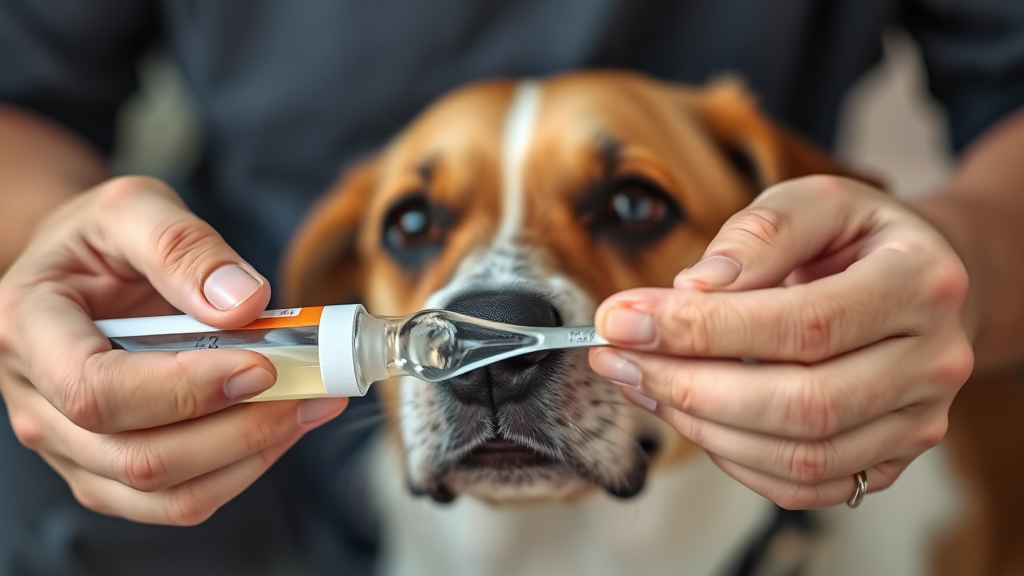
Administer the hydrogen peroxide orally using a syringe, turkey baster, or by soaking it into a piece of bread. Gently hold your dog’s mouth closed and tilt their head slightly upward to encourage swallowing. The hydrogen peroxide should induce vomiting within 10-15 minutes.
If vomiting doesn’t occur within 15 minutes, you may repeat the dose once more. However, never give more than two doses, as excessive hydrogen peroxide can cause gastric irritation and other complications. If the second dose doesn’t work, seek immediate veterinary care.
During this process, keep your dog calm and monitor them closely. Walk them around gently to help stimulate the vomiting reflex, but avoid vigorous exercise that might cause distress.

What to Do After Your Dog Vomits
Once your dog has successfully vomited, your job isn’t finished. Proper post-vomiting care is crucial for your pet’s recovery and to ensure no complications arise from the procedure.
First, examine the vomit to confirm that the ingested substance has been expelled. Take photos if possible, as this information will be valuable for your veterinarian. Save a sample of the vomit in a sealed container if your vet requests it for analysis.
Immediately after vomiting, withhold food for at least 12 hours to allow your dog’s stomach to settle. Provide small amounts of water frequently rather than allowing them to drink large quantities at once, which could trigger more vomiting.
Monitor your dog closely for the next 24-48 hours for any signs of complications such as continued vomiting, diarrhea, lethargy, difficulty breathing, or changes in behavior. Even if the vomiting was successful, some toxins may have already been absorbed, requiring additional treatment.
Contact your veterinarian to report the successful induction of vomiting and follow their recommendations for continued care. They may recommend bringing your dog in for examination or providing specific instructions for monitoring and supportive care at home.
Emergency Situations and Veterinary Care
Some situations require immediate veterinary intervention rather than attempting home treatment. Understanding when to rush to the emergency clinic can mean the difference between life and death for your pet.
Seek emergency veterinary care immediately if your dog shows signs of severe distress, including difficulty breathing, excessive drooling, pale gums, rapid heart rate, or loss of consciousness. These symptoms may indicate that the toxic substance is already affecting vital organs.
If your dog has ingested a large quantity of a toxic substance or multiple toxic items, professional medical intervention is necessary. Emergency veterinarians have access to advanced treatments including IV fluids, activated charcoal, specific antidotes, and supportive care that cannot be provided at home.
The Pet Poison Helpline provides 24/7 consultation services and can help determine whether your situation requires emergency veterinary care or if home treatment is appropriate.
When transporting your dog to the emergency clinic, bring the packaging or container of the ingested substance, any remaining product, and a sample of vomit if available. This information helps veterinarians provide the most appropriate treatment quickly.
Just as you might need to know how much benadryl can i give my dog for allergic reactions or what painkillers can i give my dog for pain relief, understanding emergency protocols for poisoning is part of comprehensive pet care.
Prevention and Safety Tips
The best approach to dealing with toxic ingestions is prevention. Creating a dog-safe environment significantly reduces the risk of accidental poisoning and the need for emergency interventions like induced vomiting.
Dog-proof your home by storing all medications, cleaning supplies, and toxic substances in secure cabinets with childproof locks. Keep garbage cans covered and inaccessible, as dogs often find dangerous items in the trash. Be particularly vigilant about foods that are toxic to dogs, including chocolate, grapes, onions, and xylitol-containing products.
Maintain an emergency kit that includes 3% hydrogen peroxide, a syringe or turkey baster for administration, and contact information for your veterinarian, emergency clinic, and poison control hotline. The FDA’s guidance on pet poisoning provides excellent resources for prevention and emergency preparedness.
Train all family members about what foods and substances are dangerous for dogs. Children should understand never to share human food with pets without adult supervision. Regular training and reinforcement help prevent accidental exposures.
Consider learning basic first aid for dogs, including how to assess vital signs and recognize emergency situations. Just as you might need to know can you put neosporin on a dog for minor wounds or how to heal a dog wound fast at home, understanding emergency care principles makes you a more prepared pet owner.
Regularly inspect your yard for toxic plants, mushrooms, or other hazards that could poison your dog. The Humane Society’s list of poisonous plants is an excellent resource for identifying and removing dangerous vegetation from your property.
Frequently Asked Questions
How quickly does hydrogen peroxide make a dog vomit?
Hydrogen peroxide typically induces vomiting in dogs within 10-15 minutes of administration. If vomiting doesn’t occur within 15 minutes, you may repeat the dose once. If the second dose doesn’t work within another 15 minutes, seek immediate veterinary care rather than administering more hydrogen peroxide.
Can I use salt or other household items to make my dog vomit?
No, never use salt, mustard, or other household items to induce vomiting in dogs. These substances can cause severe complications including electrolyte imbalances, seizures, and even death. Only 3% hydrogen peroxide should be used, and only under veterinary guidance.
What if my dog won’t vomit after taking hydrogen peroxide?
If your dog doesn’t vomit after two properly dosed administrations of hydrogen peroxide, contact your veterinarian immediately. Some dogs may be resistant to hydrogen peroxide, and continuing to give more can cause gastric irritation and other complications. Professional intervention may be necessary.
How long should I wait to feed my dog after induced vomiting?
Withhold food for at least 12 hours after induced vomiting to allow your dog’s stomach to settle. Start with small amounts of bland food like boiled chicken and rice, gradually returning to normal diet over 24-48 hours if no complications arise.
Should I induce vomiting if my dog ate chocolate several hours ago?
Generally, induced vomiting is most effective within 2-4 hours of ingestion. If more than 4-6 hours have passed, the chocolate may have already moved beyond the stomach, making vomiting less effective. Contact your veterinarian for guidance on the best course of action based on the amount consumed and time elapsed.
Is it safe to induce vomiting in pregnant dogs?
Inducing vomiting in pregnant dogs requires special consideration and should only be done under direct veterinary supervision. The stress of vomiting and potential complications could affect both the mother and developing puppies. Always consult with your veterinarian before proceeding.
What are the signs that my dog needs emergency veterinary care after vomiting?
Seek immediate emergency care if your dog shows difficulty breathing, excessive drooling, pale gums, rapid heart rate, loss of consciousness, seizures, or continued vomiting for more than a few hours. These signs may indicate serious complications or that the toxic substance is affecting vital organs.





