
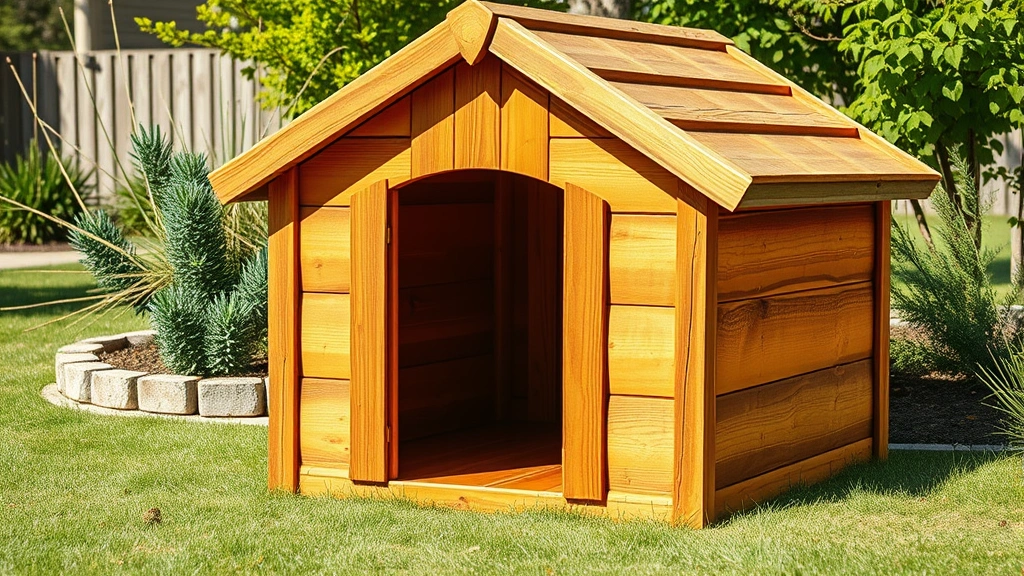
How to Make a Dog House: A Step-by-Step Guide to Building Your Pup’s Perfect Home
Building a dog house might seem like an intimidating DIY project, but trust me—it’s one of the most rewarding things you can do for your furry friend. Whether you’re crafting a cozy retreat for outdoor lounging or creating a safe haven during storms, a well-built dog house provides shelter, security, and a special space that’s uniquely theirs. Plus, there’s something magical about watching your pup discover their new digs for the first time.
The beauty of building your own dog house is that you can customize it to your dog’s exact needs and your home’s aesthetic. Unlike generic store-bought options, a DIY dog house lets you choose materials, adjust sizing, and add personal touches that make it truly special. Whether you have a tiny Chihuahua or a massive Great Dane, this guide will walk you through the entire process.
In this comprehensive guide, we’ll cover everything from selecting the right materials to adding finishing touches that’ll make your pup feel like royalty. Let’s get building!
Planning Your Dog House
Before you pick up a single nail, take time to plan your project. Think about where your dog will spend time in their house and what climate you’re in. Are you building this for an indoor retreat space, an outdoor shelter, or a backyard haven? Your answer will significantly impact your design choices and material selection.
Consider your dog’s personality too. Some pups love cozy, enclosed spaces where they can feel secure and protected, while others prefer more open designs. If your dog enjoys bonding with you outdoors, they might appreciate a dog house positioned where they can still see you working in the yard. Think about ventilation, shade, and protection from elements—these factors are crucial for your dog’s comfort and safety.
Research your local climate conditions. Dogs living in hot, humid areas need excellent ventilation and shade, while those in cold regions require insulation and protection from wind. According to the American Kennel Club, dogs can be susceptible to temperature extremes, so proper shelter design is essential for their wellbeing.
Gathering Materials and Tools
You don’t need fancy or expensive materials to build a quality dog house. Here’s what you’ll typically need:
- Wood: Cedar, pine, or pressure-treated lumber are excellent choices. Cedar naturally resists rot and insects, making it ideal for outdoor dog houses.
- Fasteners: Galvanized or stainless steel nails and screws prevent rust and corrosion.
- Roof material: Asphalt shingles, corrugated plastic, or waterproof canvas work well.
- Weatherproofing: Non-toxic wood stain, sealant, or exterior paint designed for pet spaces.
- Bedding: Straw, cedar chips, or orthopedic foam for comfort.
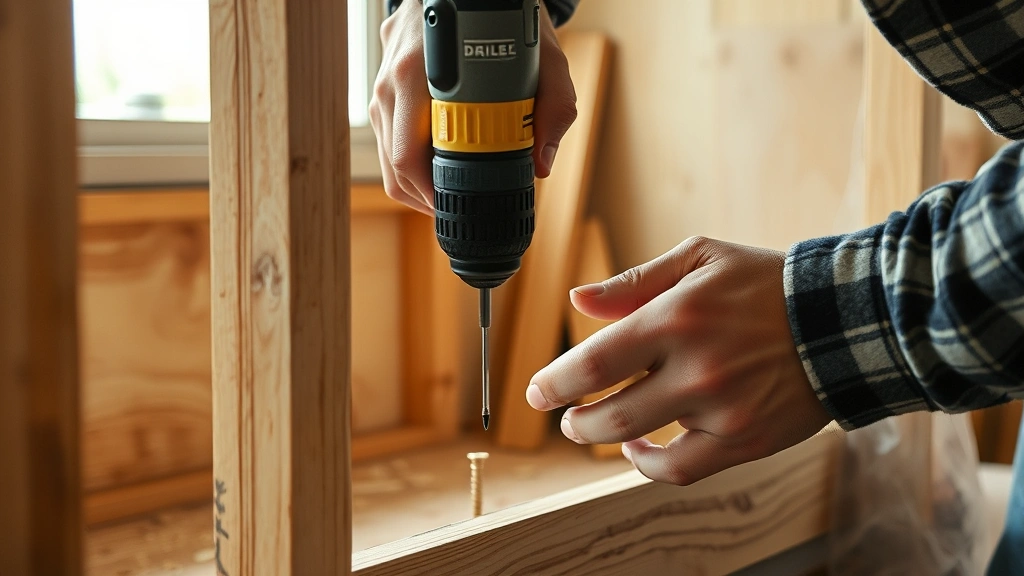
Essential tools include a circular saw, drill, measuring tape, carpenter’s square, sandpaper, and a level. If you don’t own these tools, many local libraries and tool-sharing programs offer rentals at reasonable prices.
Determining the Right Size
Getting the sizing right is crucial for your dog’s comfort. Your pup needs enough space to stand up, turn around, and lie down comfortably, but not so much space that they can’t retain body heat in winter. The general rule is that the interior should be about 1.5 times your dog’s length.
Measure your dog from the tip of their nose to the base of their tail, then add a few inches for comfort. For height, measure from the floor to the top of their head when standing, then add 3-4 inches. The entrance hole should be roughly 4 inches smaller than your dog’s shoulder width—this keeps out large predators and helps retain warmth.
Here’s a quick sizing guide by dog size:
- Small dogs (under 25 lbs): 24″ x 24″ interior, 10″ entrance hole
- Medium dogs (25-50 lbs): 30″ x 36″ interior, 12″ entrance hole
- Large dogs (50+ lbs): 36″ x 48″ interior, 14-16″ entrance hole
Building the Structure
Now comes the fun part—actually building your dog house! Start by cutting your wood pieces according to your measurements. You’ll need front and back panels, two side panels, a floor, and roof pieces.
Step 1: Cut Your Pieces
Use a circular saw to cut all your wood pieces to size. Sand all edges smooth to prevent splinters that could injure your pup. This is a critical safety step that shouldn’t be skipped.
Step 2: Assemble the Box
Start by attaching the side panels to the floor piece using galvanized screws or nails. Apply waterproof wood sealant to the inside joints before assembly for added protection. Then attach the front and back panels, making sure everything is square using a carpenter’s square.
Step 3: Create the Entrance
Carefully cut the entrance hole in the front panel using a drill with a spade bit or a circular saw. The hole should be positioned about one-third down from the top of the front panel. Sand the edges thoroughly and consider adding a frame around the entrance for extra durability and a finished look.

Step 4: Add Ventilation
Drill several small ventilation holes near the top of the side and back panels. These holes prevent moisture buildup and allow for air circulation. This is especially important if your dog will be left alone for extended periods, as proper ventilation keeps the space fresh and healthy.
Adding the Roof and Weatherproofing
A solid roof is your dog house’s best defense against the elements. You can create a simple pitched roof by attaching two roof panels at an angle, ensuring water runs off efficiently rather than pooling.
Roof Installation:
Attach the roof panels using galvanized hinges on one side—this creates a removable roof that makes cleaning and maintenance much easier. Add weatherstripping around the roof edges to seal gaps and prevent water from entering.
Weatherproofing:
Apply a dog-safe exterior sealant or stain to all surfaces. Avoid toxic paints and finishes; opt for pet-friendly options specifically designed for animal spaces. The ASPCA recommends ensuring all materials are non-toxic, as dogs may chew or lick surfaces.
For the roof, consider asphalt shingles for durability or waterproof canvas for a more flexible option. Install guttering around the roof edge to direct water away from the dog house foundation. This prevents water from pooling around the base and causing rot or moisture issues.
Finishing Touches and Customization
Once the basic structure is complete, it’s time to make it special! These finishing touches will transform your dog house from functional to fabulous.
Interior Comfort:
Add bedding that’s appropriate for your climate. Straw provides excellent insulation for cold climates, while cedar chips offer natural flea and odor control. For a premium option, consider an orthopedic pet bed designed for outdoor use. Make sure bedding is easy to clean and replace regularly.
Exterior Aesthetics:
Paint your dog house to match your home’s style. You could paint your pup’s name on the front, add decorative trim, or create a cute themed design. If you’re concerned about keeping unwanted dogs away from your yard, consider how your dog house design fits into your overall yard layout—check out our guide on how to keep dogs out of your yard for additional strategies.
Advanced Features:
Consider adding:
- A covered porch area for additional shelter
- Raised floor for better drainage and insulation
- Adjustable entrance flap for temperature control
- Window openings for light and ventilation
- Built-in storage underneath for toys and supplies
Maintenance and Care
Building a dog house is just the beginning—proper maintenance ensures it lasts for years and stays a safe, healthy space for your pup.
Regular Cleaning:
Clean your dog house at least weekly, removing old bedding and debris. Use a pet-safe cleaner to disinfect the interior, preventing bacterial growth and odors. If your dog spends significant time indoors, check out our tips on managing pet hair—the same principles apply to dog house maintenance.
Seasonal Maintenance:
In spring, inspect for winter damage and apply fresh sealant if needed. Summer requires ensuring adequate ventilation and shade. Fall is the perfect time to inspect the roof and weatherproofing before winter arrives. Winter maintenance focuses on checking that the shelter is adequately insulated and protected from harsh weather.
Inspection Checklist:
- Check for splinters or sharp edges monthly
- Inspect roof and seals quarterly
- Look for signs of pests or mold
- Test ventilation holes for blockages
- Verify that bedding is clean and dry
- Check structural integrity for any damage
According to veterinary experts at American Veterinary Medical Association, proper shelter maintenance is critical for preventing health issues in outdoor dogs.
Frequently Asked Questions
How long does it take to build a dog house?
Most dog houses take 4-8 hours to build, depending on your skill level and the complexity of your design. A simple basic house might take just an afternoon, while more elaborate designs with multiple features could take a weekend or more.
Can I build a dog house indoors?
Absolutely! An indoor dog house provides a secure retreat space. Consider a dog crate or enclosed bed as an indoor alternative that serves similar purposes. Indoor dog houses can be made from similar materials but don’t require weatherproofing.
What’s the best wood for a dog house?
Cedar and redwood are excellent choices because they naturally resist rot and insects. Pressure-treated lumber is affordable but ensure it’s pet-safe. Avoid using treated wood with harmful chemicals. Softwoods like pine are budget-friendly but less durable outdoors.
Should I insulate the dog house?
Insulation is beneficial in cold climates. Use pet-safe insulation materials like recycled denim or natural fiber products. Avoid fiberglass insulation, which can irritate your dog’s respiratory system if they chew it. In warm climates, focus on ventilation and shade instead.
How do I keep the dog house warm in winter?
Use straw bedding for excellent insulation, ensure the roof is well-sealed, add a door flap to retain heat, and position the house away from wind. Ensure the entrance hole is appropriately sized—too large and heat escapes, too small and your dog can’t comfortably enter.
Can multiple dogs share one dog house?
Generally, dogs prefer their own space. If you have multiple dogs, consider building separate houses or a larger structure with divided sections. Each dog should have their own retreat area to prevent territorial disputes and ensure everyone feels secure.
What’s the best location for a dog house?
Place it in a spot with partial shade, protection from wind, and good drainage. Avoid low-lying areas where water pools. Position it where your dog can still see activity in the yard, helping them feel connected to their family while having a secure retreat.
Is it safe to use paint and stain on dog houses?
Yes, but only pet-safe products. Look for exterior paints and stains specifically labeled as non-toxic and pet-friendly. Avoid lead-based paints and products with harmful VOCs (volatile organic compounds). Always allow paint to fully cure before allowing your dog to use the house.
How often should I replace the bedding?
Replace bedding weekly for sanitation and comfort. In winter, you might add extra bedding layers, but still change it weekly. Remove soiled bedding immediately to prevent bacterial growth and odors. Keep bedding dry—wet bedding loses its insulating properties.
What if my dog doesn’t use the dog house?
Give your dog time to adjust and explore the new space. Place treats or toys inside to encourage interest. Make it inviting by spending time near it positively. Some dogs take time to warm up to new spaces, but patience usually pays off. If your dog prefers indoor spaces, an indoor retreat might be better suited to their personality.





