
How to Make Dog Poop: Tips for a Healthy Routine
If you’re a dog parent, you’ve probably spent more time thinking about your pup’s bathroom habits than you ever expected. Whether your furry friend is struggling with constipation, has irregular bowel movements, or you’re simply trying to establish a healthy routine, understanding how to support your dog’s digestive system is crucial for their overall wellness. A healthy pooping schedule isn’t just about convenience—it’s a window into your dog’s internal health and can signal when something needs attention.
The truth is, helping your dog maintain a regular and healthy bowel routine involves more than just hope and prayer. It requires understanding nutrition, hydration, exercise, and when to seek veterinary guidance. In this comprehensive guide, we’ll explore practical strategies to promote healthy digestion and establish a consistent bathroom routine that works for both you and your canine companion.
Your dog’s digestive system is a complex marvel of biology, and when it works smoothly, life is infinitely easier for everyone involved. Let’s dive into the science and practical tips that can help your pup’s digestive system function at its best.
Nutrition: The Foundation of Healthy Digestion
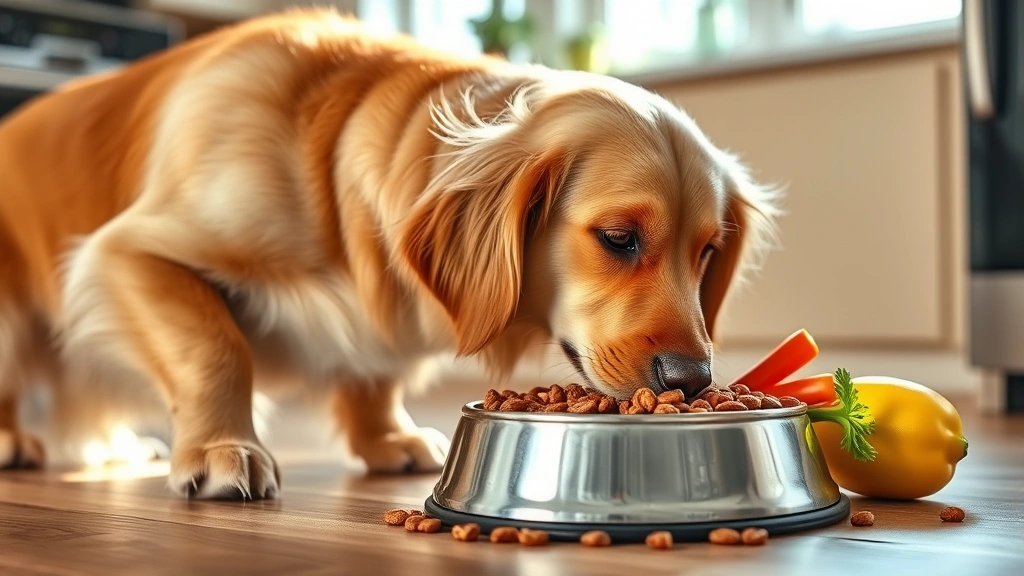
The cornerstone of healthy bowel movements starts with what goes into your dog’s mouth. High-quality dog food that’s appropriate for your dog’s age, size, and activity level is essential. Look for foods with named meat proteins as the first ingredients and adequate fiber content—typically between 3-5% for adult dogs. Poor nutrition is often the culprit behind irregular bathroom habits, and upgrading your dog’s diet can sometimes solve the problem entirely.
Fiber plays a particularly important role in promoting healthy digestion. It helps move food through the digestive tract and absorbs water to form proper stool consistency. If your dog is struggling with constipation, adding fiber-rich foods can be transformative. Speaking of which, can dogs eat pumpkin is a question many pet parents ask, and the answer is yes—pumpkin is an excellent natural fiber source that can help regulate bowel movements.
When considering diet changes, transition slowly over 7-10 days to avoid digestive upset. Mixing the new food gradually with the old food allows your dog’s digestive system to adapt. Sudden dietary changes are a common cause of diarrhea and constipation, so patience during transitions is key.
The quality of your dog’s food directly impacts their waste output. Dogs eating premium, digestible foods typically produce smaller, firmer stools than those eating low-quality kibble filled with fillers and by-products. This is because their bodies can actually utilize the nutrients rather than processing large amounts of unusable material.
Hydration and Water Intake
You cannot achieve healthy digestion without proper hydration. Water is absolutely fundamental to the digestive process—it helps break down food, moves nutrients through the intestines, and ensures stool has the right consistency. A dehydrated dog will often experience constipation, making adequate water intake non-negotiable.
Most dogs need approximately one ounce of water per pound of body weight daily, though this varies based on activity level, diet, and climate. If your dog eats mostly dry kibble, they’ll need more water than a dog eating wet food. Make fresh water available at all times, and consider adding a water fountain—many dogs are more enticed to drink from moving water.
If your dog isn’t drinking enough water, you can increase their intake by adding low-sodium broth to their kibble, feeding more wet food, or offering water-rich treats like watermelon (seedless) or plain cooked pumpkin. Some dogs respond well to ice cubes as treats, which increases both water intake and entertainment value.
Monitor your dog’s hydration by checking their skin elasticity and gum color. Well-hydrated dogs have moist gums and skin that springs back quickly when gently pinched. If you notice signs of dehydration, contact your veterinarian, as this can indicate underlying health issues.
Exercise and Activity Levels
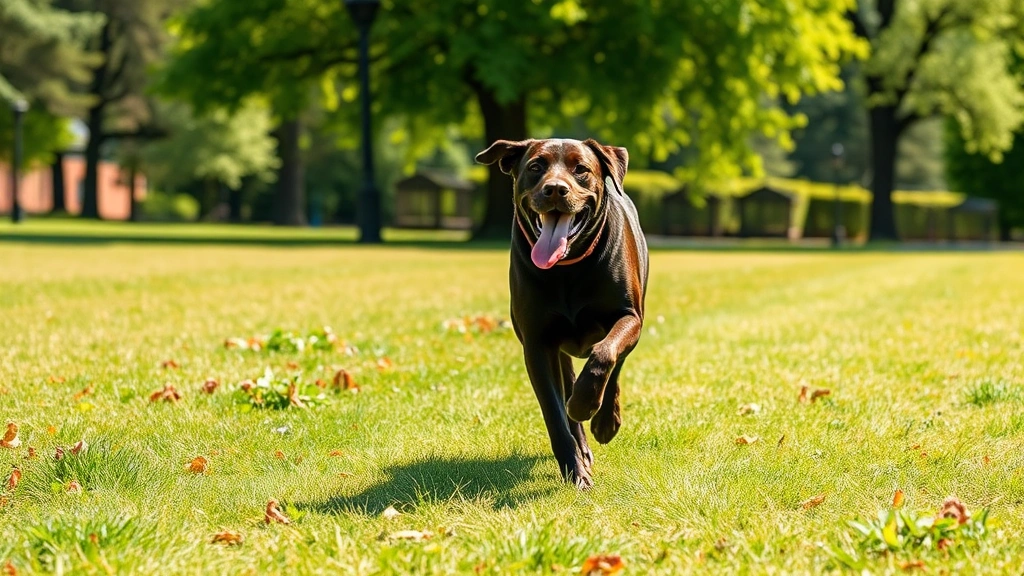
Physical activity is a natural stimulant for bowel movements. Exercise increases muscle contractions in the digestive tract, promoting movement of food and waste through the system. Dogs that get adequate daily exercise typically have more regular and predictable bathroom schedules than sedentary pups.
The amount of exercise your dog needs depends on their age, breed, and health status. Young, active breeds may need 30-60 minutes of vigorous exercise daily, while senior dogs or those with health conditions might need gentler, shorter walks. Aim for at least two walks daily—morning and evening—which helps establish a predictable routine for bathroom breaks.
Interestingly, the timing of walks matters too. Many dogs naturally need to poop within 15-30 minutes after eating, so scheduling walks shortly after meals can help establish a routine. This is why how to help a dog poop often involves timing your walks strategically around feeding times.
Beyond formal walks, playtime, fetch, and other activities all contribute to healthy digestion. Dogs who spend their day lounging are more prone to digestive issues than those with active, engaging routines. If your dog is mostly indoor-bound, consider puzzle toys, training sessions, or trips to the dog park to increase their activity level.
Establishing a Consistent Feeding Schedule
Consistency is key when it comes to dog digestion. Feeding your dog at the same times each day helps regulate their digestive system and makes bathroom schedules predictable. Most adult dogs do well with two meals daily, spaced 8-12 hours apart, though some prefer three smaller meals.
When you feed your dog at consistent times, their body develops a predictable rhythm for bowel movements. Many dogs will need to poop within 30 minutes of eating, so if you feed at 7 AM and 5 PM, you can anticipate bathroom breaks at predictable times. This is invaluable for training and managing your household routine.
Free-feeding (leaving food out all day) makes it nearly impossible to establish a bathroom routine and can lead to overeating and digestive issues. Portion-controlled meals are healthier and more manageable. If you’re unsure about appropriate portion sizes, consult your veterinarian or check how much food should I feed my dog for detailed guidelines based on your pup’s specific needs.
Keep meal times separate from treats and snacks. If your dog is constantly snacking throughout the day, it disrupts their digestive rhythm. Stick to scheduled meals and designated treat times to maintain consistency.
Beneficial Dietary Additions
Beyond quality base food and water, certain additions can significantly support healthy digestion. Probiotics, the beneficial bacteria that support gut health, can be particularly helpful for dogs with digestive sensitivity. Look for canine-specific probiotic supplements recommended by your veterinarian.
As mentioned earlier, pumpkin is a superstar for digestive health. Plain, canned pumpkin (not pie filling) is rich in fiber and can help with both diarrhea and constipation. A tablespoon or two mixed into your dog’s regular food can work wonders. Similarly, sweet potato is another fiber-rich option that many dogs find palatable.
Fish oil and omega-3 fatty acids support overall digestive health and can help reduce inflammation in the gut. These supplements can be particularly beneficial for dogs with sensitive stomachs or inflammatory bowel conditions.
Bone broth (unsalted and without onions or garlic) is another excellent addition that supports digestive health while being incredibly palatable to dogs. The gelatin and collagen in bone broth are soothing to the digestive tract.
Always introduce new additions gradually and consult your veterinarian before starting supplements, especially if your dog is on medication or has existing health conditions. Some supplements can interact with medications or may not be appropriate for certain health situations.
Common Digestive Issues and Solutions
Even with the best care, dogs sometimes experience digestive troubles. Understanding common issues and their solutions can help you respond quickly and effectively.
Constipation: If your dog is straining to poop or going several days without bowel movements, constipation is the likely culprit. Increase water intake, add fiber to their diet, and ensure adequate exercise. If home remedies don’t work within a couple of days, contact your vet. For detailed strategies, check out our guide on how to treat dog constipation at home.
Diarrhea: Loose, frequent stools can result from dietary changes, food sensitivities, stress, or illness. Bland foods like boiled chicken and rice can help, but if diarrhea persists beyond 24 hours or is accompanied by other symptoms, see your veterinarian. Our comprehensive resource on how to stop dog diarrhea offers detailed solutions for various causes.
Irregular Schedule: If your dog’s bathroom schedule is unpredictable, evaluate their feeding schedule, exercise routine, and diet. Often, simply establishing consistency will regulate things naturally.
Behavioral Issues: Some dogs develop problematic behaviors related to their waste. If you’re curious about why do dogs eat poop, it’s often related to nutritional deficiencies, boredom, or medical issues—all worth investigating with your veterinarian.
Many digestive issues stem from food sensitivities or allergies. If your dog frequently experiences digestive upset, consider an elimination diet or ask your veterinarian about allergy testing. Switching to limited-ingredient or novel protein diets can sometimes resolve chronic digestive problems.
When to Contact Your Veterinarian
While many digestive issues can be managed at home, certain situations require professional veterinary attention. Contact your vet immediately if your dog:
- Hasn’t had a bowel movement in more than 2-3 days
- Is straining excessively or appears to be in pain
- Has blood or mucus in their stool
- Is vomiting along with constipation or diarrhea
- Shows signs of abdominal pain (hunched posture, whining)
- Has persistent diarrhea lasting more than 24 hours
- Shows sudden behavioral changes related to bathroom habits
- Is a puppy or senior dog with new digestive issues
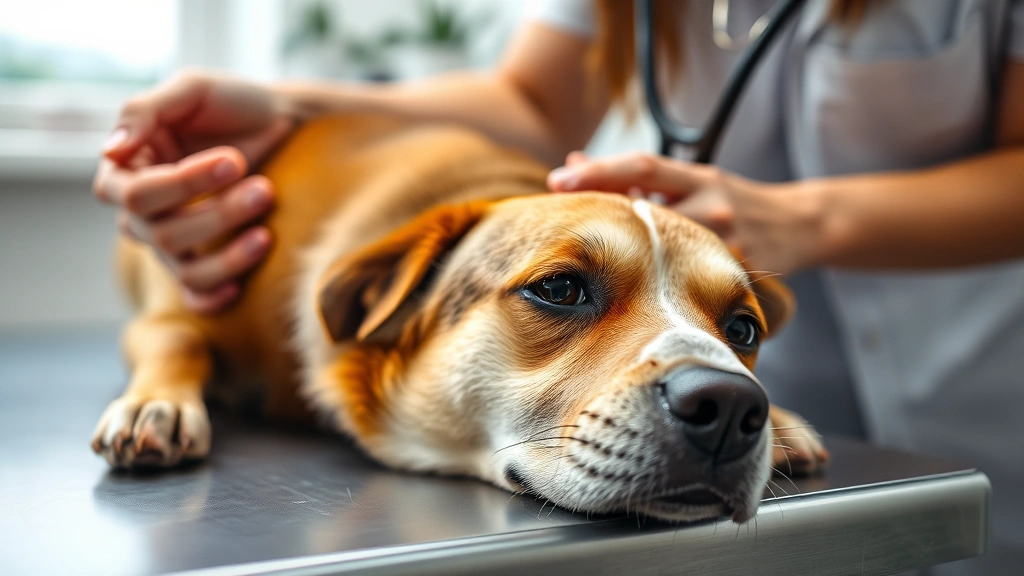
Your veterinarian can rule out serious conditions like intestinal blockages, parasites, infections, or inflammatory bowel disease. They can also recommend prescription diets or medications if necessary. According to the American Kennel Club’s expert advice, regular veterinary check-ups are essential for monitoring your dog’s digestive health.
Don’t hesitate to call your vet with concerns—they’d rather address issues early than deal with complications later. Many veterinary clinics offer phone consultations for quick questions about your dog’s health.
Frequently Asked Questions
How often should a healthy dog poop?
Most adult dogs have one to two bowel movements daily, though some healthy dogs go once daily while others go twice. Puppies and senior dogs may poop more frequently. The key is consistency—whatever your dog’s normal pattern is, it should remain regular. If your dog’s frequency changes suddenly, that’s worth investigating.
What does healthy dog poop look like?
Healthy dog stool should be firm but not hard, brown in color, and hold its shape. It should break apart slightly when you pick it up with a bag. Overly hard stool indicates constipation or dehydration, while loose stool suggests diarrhea or dietary issues. Unusual colors (especially pale, gray, or very dark) can indicate digestive or health problems.
Can diet really affect my dog’s bathroom schedule?
Absolutely. Diet is one of the most significant factors affecting digestion. High-quality, easily digestible foods lead to more regular bowel movements than low-quality foods. Fiber content, moisture level (wet vs. dry food), and specific ingredients all influence how quickly food moves through your dog’s system.
How long does it take to see improvements after diet changes?
Most dogs show improvements within 3-5 days of dietary changes, though some take up to two weeks for their system to fully adjust. This is why transitioning slowly is important—it allows your dog’s digestive enzymes to adapt to new foods. If you don’t see improvement after two weeks, consult your veterinarian.
Is it normal for my dog to strain when pooping?
Occasional mild straining is normal, especially if your dog has been holding it for a while. However, excessive straining, particularly if it produces little stool, indicates constipation and warrants attention. If straining is accompanied by whining or appears painful, contact your vet.
Should I give my dog supplements for digestive health?
Many dogs benefit from digestive supplements like probiotics, especially those with sensitive stomachs or history of digestive issues. However, not all supplements are necessary for every dog. Discuss with your veterinarian whether supplements are appropriate for your individual pup.
Can stress affect my dog’s digestion?
Yes, stress significantly impacts digestion. Anxious dogs often experience diarrhea or constipation. If your dog’s digestive issues coincide with stressful events (moving, new pets, changes in routine), address the stress through training, exercise, and environmental management. According to the ASPCA’s dog care resources, anxiety management is part of comprehensive pet health.
What’s the difference between pumpkin for constipation vs. diarrhea?
The same pumpkin can help with both! Pumpkin’s fiber content absorbs excess moisture (helping with diarrhea) while also promoting healthy bowel movements (helping with constipation). The fiber works to normalize whatever imbalance exists. Start with small amounts and adjust based on your dog’s response.





