
How to Make Your Dog Poop Quickly and Safely: A Comprehensive Guide
Let’s face it—waiting for your dog to do their business can feel like an eternity, especially when you’re running late for work or dealing with a stubborn pup who seems determined to hold it forever. Whether you’re potty training a puppy, managing an older dog’s digestive issues, or simply trying to establish a consistent bathroom routine, knowing how to encourage your dog to poop on schedule is a game-changer for pet parents everywhere.
The truth is, there’s a science behind getting your furry friend to go when you need them to go. It’s not about forcing anything—it’s about understanding your dog’s natural rhythms, creating the right environment, and using proven techniques that work with their biology rather than against it. In this guide, we’ll explore safe, effective strategies that veterinarians recommend and that thousands of dog owners have successfully implemented.
If you’re struggling with timing issues or wondering whether your dog’s bathroom habits are normal, you’ve come to the right place. We’ll cover everything from environmental factors to dietary adjustments, exercise routines, and when it’s time to call your vet.
Understanding Your Dog’s Natural Bathroom Schedule
Dogs are creatures of habit, and their digestive systems work on predictable schedules. Most adult dogs need to poop between one to three times per day, though this varies based on age, diet, health status, and individual metabolism. Puppies, on the other hand, might need to go out eight times daily or more, which is completely normal and expected.
The key to making your dog poop quickly is synchronizing with their natural rhythm. Dogs typically need to go within 15-30 minutes after eating, which is why establishing consistent feeding times is so important. Their digestive systems are wired to process food and eliminate waste on a fairly regular schedule—it’s not random, it’s biology.
Understanding this natural cycle means you can predict when your dog is most likely to need to go outside. Most dogs also need to eliminate shortly after waking up, after playtime, and before bedtime. By recognizing these windows of opportunity, you’re already halfway to solving your poop-timing challenges.
If you’re dealing with a dog who struggles with consistency, you might want to explore how to help a dog poop through environmental and behavioral modifications. Sometimes the issue isn’t the dog—it’s the system we’ve created for them.
The Power of Exercise: Movement Stimulates Bowel Movements
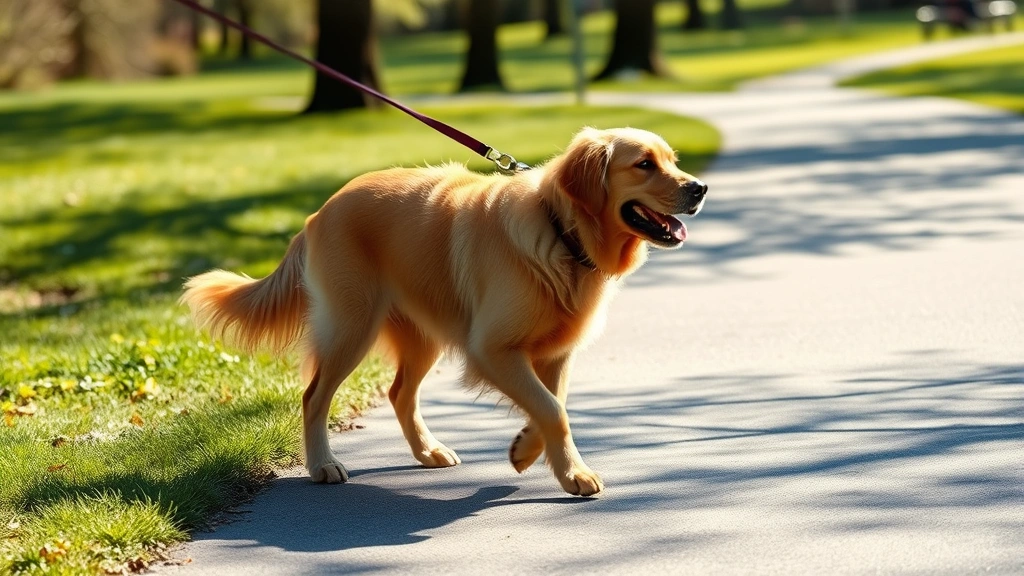
Here’s something that catches many dog owners off guard: exercise is one of the most effective ways to stimulate bowel movements in dogs. Physical activity literally gets things moving in your dog’s digestive tract. A 10-15 minute walk or play session often triggers the need to poop within minutes.
This isn’t just anecdotal—it’s how canine physiology works. Exercise increases blood flow to the digestive organs, stimulates intestinal contractions, and naturally encourages waste elimination. If you’re wondering how to make your dog poop now, a brisk walk is often your answer.
The type of exercise matters too. While a leisurely stroll around the block might help, a more vigorous walk or active play session is more likely to get results. Try incorporating:
- Brisk walking at a faster pace than usual
- Running or jogging alongside your dog (if they’re healthy and able)
- Fetch games in the yard or park
- Agility-style activities like weaving between objects
- Swimming (excellent for digestive stimulation)
The combination of exercise and a change of scenery often works magic. Your dog gets mentally stimulated, physically active, and their body naturally responds by signaling the need to eliminate. This is especially effective for dogs who seem to hold it in when confined to the house.
Dietary Factors That Influence Bathroom Timing
What goes in directly affects what comes out—and when. The quality, quantity, and timing of your dog’s food significantly impacts their bathroom schedule. If you want to encourage regular, predictable pooping, diet is absolutely crucial.
First, consider how much food you should feed your dog. Overfeeding can lead to digestive issues and unpredictable bathroom habits. Most dogs thrive on two meals per day, spaced about 12 hours apart. Feeding at consistent times—say 7 AM and 6 PM—creates a predictable digestive schedule that you can rely on.
The type of food matters enormously. High-quality dog foods with good digestibility mean your dog’s system processes food efficiently and produces firmer, more predictable stools. Conversely, low-quality foods with fillers and artificial ingredients can cause digestive upset and irregular bathroom habits.
Fiber is your friend when it comes to promoting healthy bowel movements. Pumpkin for dogs is a classic remedy—just one or two tablespoons of plain canned pumpkin (not pie filling) added to your dog’s meal can work wonders for regularity. Other fiber-rich options include sweet potato, oats, and green beans.
Hydration also plays a critical role. A well-hydrated dog has softer stools that are easier to pass. Make sure fresh water is always available, and consider adding a bit of water or low-sodium broth to your dog’s kibble to increase moisture intake.
Creating the Perfect Potty Environment
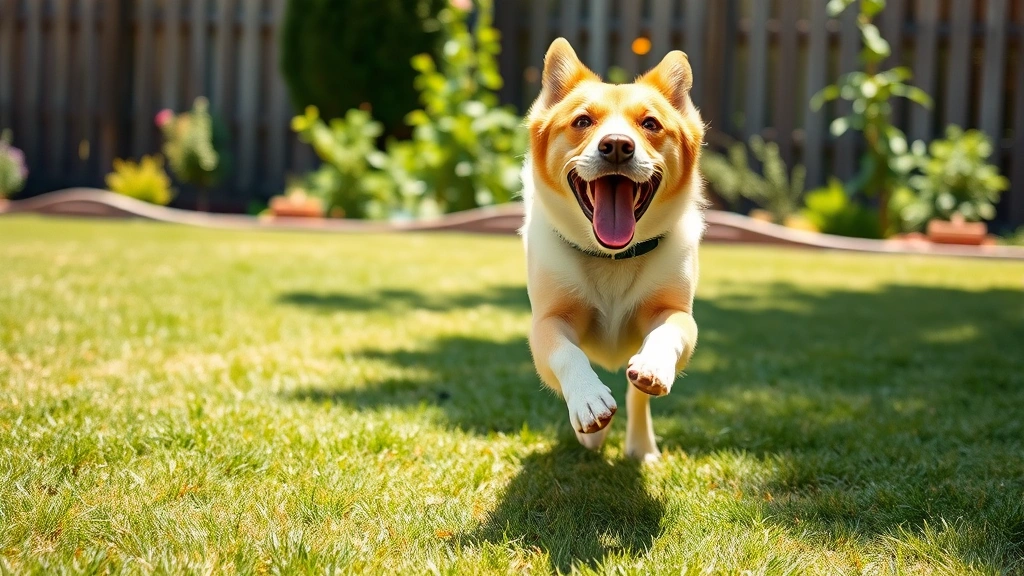
Your dog’s potty environment has more influence than you might think. Dogs are sensitive to their surroundings, and stress, unfamiliar locations, or distractions can absolutely prevent them from going when you need them to.
Here’s what makes an ideal potty spot:
- Consistency—Use the same location every time if possible. Dogs recognize and respond to familiar potty spots.
- Minimal distractions—Avoid busy areas with lots of foot traffic, other dogs, or exciting stimuli when you’re specifically trying to encourage elimination.
- Appropriate surface—Some dogs prefer grass, others gravel or dirt. Know your dog’s preference and use it to your advantage.
- Privacy—Many dogs feel more comfortable and relaxed when they have a bit of privacy, away from the main action.
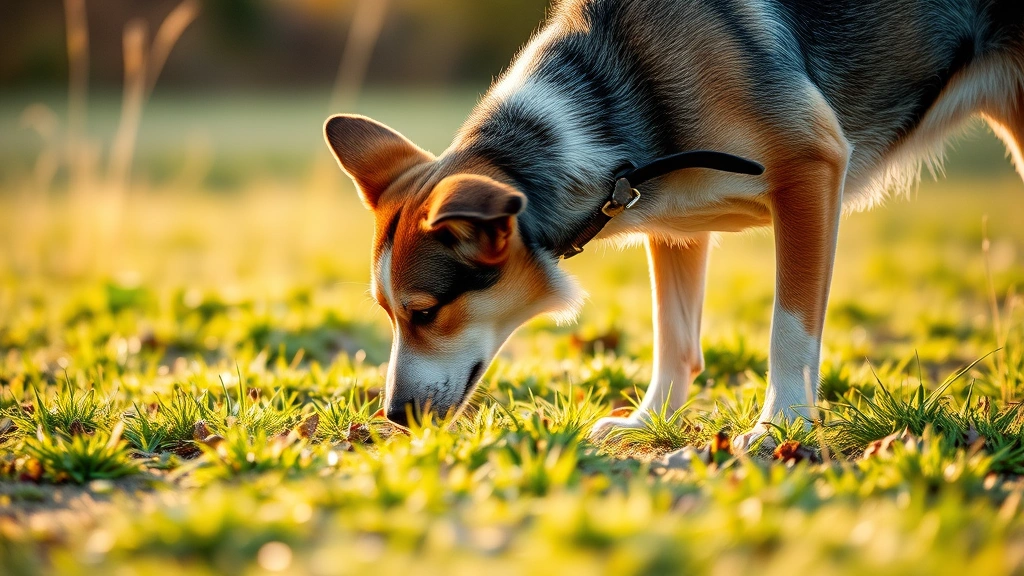
- Adequate time—Don’t rush your dog. Give them 10-15 minutes to sniff around and find their spot.
- Calm demeanor—Your dog picks up on your energy. If you’re anxious or impatient, they’ll sense it and may become stressed, which inhibits elimination.
Temperature and weather also matter. Some dogs are reluctant to go out in rain, snow, or extreme heat. If this is your situation, you might need to shovel a designated potty area or create a covered space to encourage your dog to do their business despite weather concerns.
Proven Training Techniques and Commands
Training your dog to poop on command is absolutely possible and incredibly useful. It requires patience and consistency, but most dogs can learn this within a few weeks of dedicated training.
The foundation of this training is capturing the behavior. Here’s how it works:
- Observe your dog’s patterns—Notice when your dog typically needs to go and anticipate those moments.
- Use a cue word—Choose a specific phrase like “go potty” or “do your business” and say it consistently when your dog is actively eliminating.
- Reward immediately—The moment your dog finishes, provide enthusiastic praise and high-value treats. This positive association is crucial.
- Repeat consistently—Use your cue word every single time during this training phase, and reward every successful elimination.
Over time, your dog will begin to associate the cue word with the action, and eventually, they’ll respond to the command even when they don’t immediately feel the urge. It’s not magic—it’s classical conditioning, and it works remarkably well.
If you’re dealing with a dog that struggles with constipation or has difficulty eliminating, you might benefit from exploring how to help a constipated dog. Sometimes the issue requires more targeted interventions beyond basic training.
For additional support with challenging cases, how to relieve constipation in dogs offers comprehensive strategies that go beyond standard training approaches.
Health Considerations and When to Seek Help
While most dogs can learn to poop on a regular schedule with the right training and environment, sometimes bathroom issues signal underlying health problems that require veterinary attention.
You should contact your veterinarian if you notice:
- Straining or difficulty—If your dog seems to struggle, strain, or appears in pain while trying to eliminate
- Consistency changes—Sudden shifts to very hard, dry stools or diarrhea
- Frequency changes—Significant increases or decreases in how often your dog needs to go
- Lack of appetite—Loss of interest in food often accompanies digestive issues
- Lethargy—Unusual tiredness or lack of energy
- Blood or mucus—Any visible blood or abnormal substances in stool
- Behavioral changes—Increased anxiety, whining, or unusual behavior around potty time
According to the American Kennel Club’s expert advice resources, constipation in dogs can sometimes indicate serious conditions ranging from dietary issues to intestinal blockages. Your vet can rule out medical problems and provide specific guidance for your individual dog.
Certain breeds are predisposed to digestive issues. Older dogs, dogs with medical conditions, and those taking certain medications may also need special considerations when it comes to bathroom habits. Your veterinarian is the best resource for determining whether your dog’s situation is behavioral or medical.
The ASPCA’s dog behavior resources and veterinary medical resources from Washington State University provide excellent information about when professional intervention is necessary.
Frequently Asked Questions
How long can a dog safely hold their poop?
Most adult dogs can hold their poop for 6-8 hours, though this varies individually. However, regularly forcing dogs to hold it longer than 8 hours can lead to constipation and other health issues. Puppies have much smaller capacity and typically can’t hold it longer than 2-3 hours. If you’re unable to let your dog out frequently enough, consider hiring a dog walker or pet sitter.
Why won’t my dog poop on walks?
Dogs often feel vulnerable while eliminating and may prefer privacy. Busy, stimulating environments can also inhibit the process. Try walking in quieter areas, avoid hovering directly over your dog, and give them more time to sniff and explore. Some dogs simply do better with certain people or in certain locations—this is completely normal.
Can I use supplements to help my dog poop faster?
Yes, but consult your vet first. Fiber supplements, probiotics, and digestive enzymes can help, but they work best as part of a comprehensive approach that includes diet, exercise, and hydration. Never start supplements without professional guidance, as they can interact with medications or existing conditions.
Is it normal for dogs to poop multiple times on one walk?
Absolutely. Many dogs poop 2-3 times during a single walk, especially if it’s a longer outing. This is particularly common in dogs marking territory or dogs with sensitive digestive systems. If your dog is pooping excessively (more than 3-4 times per day), discuss this with your vet.
What’s the difference between constipation and just holding it?
Constipation involves difficulty or painful elimination, often with hard, dry stools. A dog that’s “holding it” simply hasn’t gone yet but will do so when given the opportunity. If you suspect constipation, look for straining, reduced appetite, lethargy, or behavioral changes. These warrant a vet visit.
How does diet affect how quickly my dog poops?
High-quality, digestible diets move through the system more efficiently, leading to more regular and predictable elimination. Low-quality foods with fillers can cause digestive upset and irregular bathroom habits. Additionally, fiber content, moisture level, and meal timing all influence how quickly food moves through your dog’s digestive tract.
Can training really teach a dog to poop on command?
Yes! Through consistent repetition and positive reinforcement, most dogs can learn to associate a specific command with elimination. This typically takes 2-4 weeks of dedicated training. The key is catching the behavior, using a consistent cue word, and rewarding immediately after successful elimination.





