
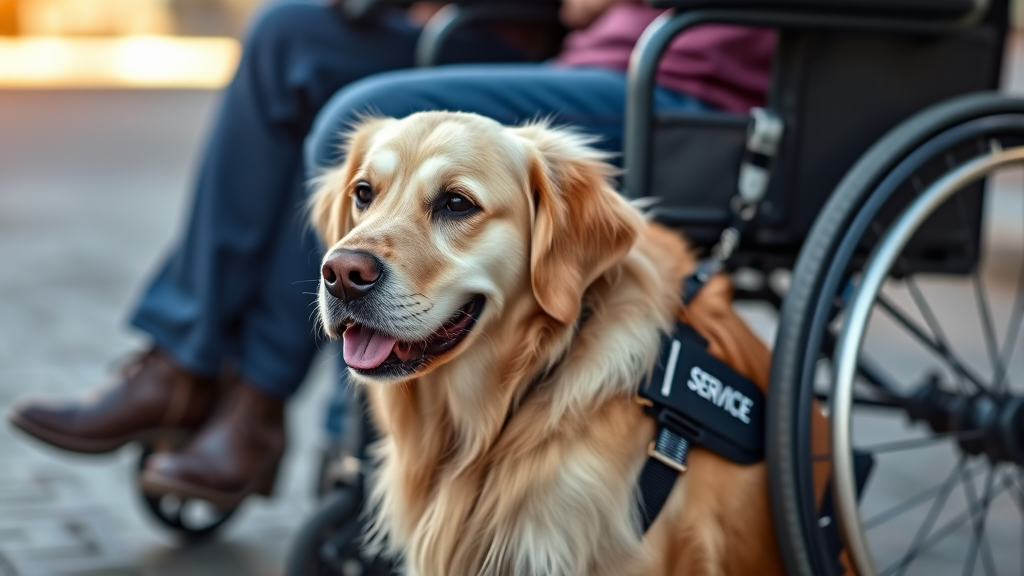
Service dogs are extraordinary canine companions that provide life-changing assistance to individuals with disabilities. Unlike emotional support animals or therapy dogs, service dogs undergo extensive training to perform specific tasks that help their handlers navigate daily challenges and maintain independence. The journey of transforming your beloved pup into a certified service dog is both rewarding and demanding, requiring dedication, patience, and a thorough understanding of legal requirements.
While not every dog possesses the temperament and abilities necessary for service work, many dogs can be successfully trained to become invaluable partners for people with various disabilities. From guiding individuals with visual impairments to alerting those with hearing loss, detecting seizures, or providing mobility support, service dogs perform countless specialized tasks that dramatically improve their handlers’ quality of life.
Understanding Service Dogs vs. Other Working Dogs
The first crucial step in learning how to make your dog a service dog involves understanding the distinct legal definition of service animals. According to the Americans with Disabilities Act (ADA), service dogs are specifically trained to perform tasks for individuals with disabilities. This definition excludes emotional support animals, therapy dogs, and companion animals, regardless of their training or usefulness.
Service dogs must be individually trained to perform specific work or tasks related to their handler’s disability. These tasks can include guiding people who are blind, alerting individuals who are deaf, pulling wheelchairs, alerting and protecting someone having a seizure, or reminding individuals with mental illness to take prescribed medications. The key distinction is that service dogs perform measurable, specific tasks rather than providing comfort through companionship alone.
Unlike therapy dogs that provide comfort to multiple people in various settings, or emotional support animals that offer therapeutic benefits through companionship, service dogs are working animals with legal protections under federal law. This means they’re permitted in places where pets are typically prohibited, including restaurants, stores, airplanes, and housing with no-pet policies.
Legal Requirements and Protections
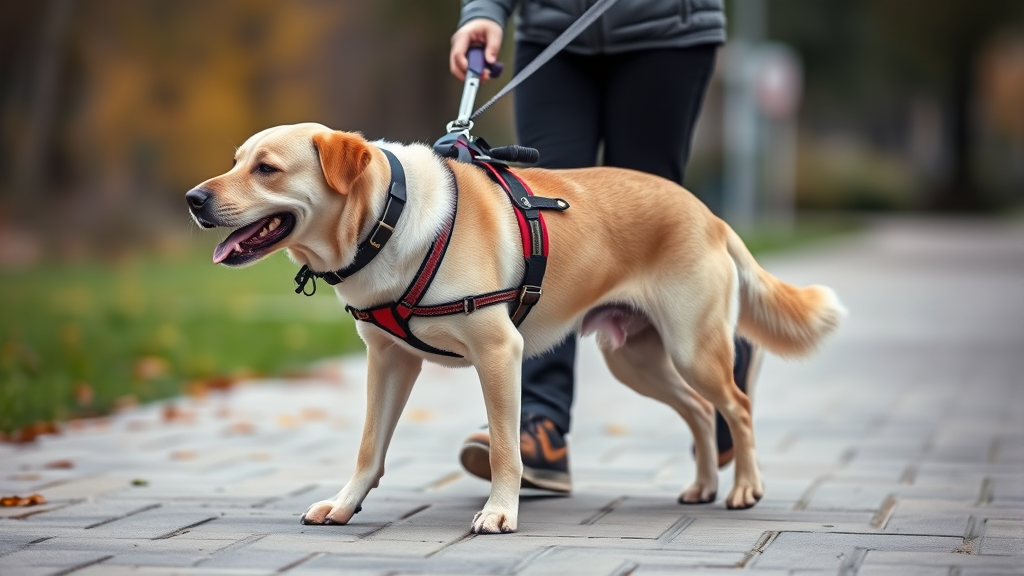
Understanding the legal framework surrounding service dogs is essential before beginning the training process. The ADA provides comprehensive protections for service dog handlers, but these protections come with specific responsibilities and limitations. Service dogs must be under the control of their handler at all times and cannot be aggressive or disruptive in public spaces.
There are no federal requirements for service dog certification, registration, or identification cards, despite many websites claiming otherwise. The U.S. Department of Justice explicitly states that businesses cannot require documentation proving that a dog is a service animal. However, they may ask two specific questions: whether the dog is required because of a disability, and what work or task the dog has been trained to perform.
It’s important to note that misrepresenting a pet as a service animal is illegal in many states and can result in fines and legal consequences. Some individuals may experience anxiety or stress that causes symptoms like dog shaking, and while these conditions might benefit from service dog assistance, proper evaluation and training are essential.
Evaluating Your Dog’s Potential
Not every dog is suitable for service work, and honest evaluation of your dog’s temperament, health, and abilities is crucial before investing time and resources in training. Successful service dogs typically exhibit specific characteristics including calm temperament, eagerness to please, good health, appropriate size for required tasks, and strong focus and attention span.
Age is a critical factor in service dog training. While puppies can begin basic training early, dogs should ideally start intensive service training between 6 months and 2 years of age. Older dogs may still be trainable, but they require more time and patience. Health considerations are equally important – service dogs must undergo thorough veterinary examinations to ensure they’re physically capable of performing required tasks.
Temperament testing should evaluate your dog’s reaction to various stimuli, including loud noises, crowds, other animals, and unfamiliar environments. Dogs showing signs of aggression, excessive fearfulness, or inability to focus are generally not suitable for service work. Some behavioral issues might be confused with conditions that affect dogs similarly to humans, such as questions about dogs having autism or whether dogs can be autistic, but professional evaluation can help distinguish between trainable behaviors and inherent limitations.
The Training Process: From Basic to Advanced
The journey of how to make your dog a service dog begins with establishing a solid foundation of basic obedience. Your dog must master essential commands including sit, stay, come, down, and heel before progressing to specialized task training. This foundation phase typically requires several months of consistent daily training sessions.
Basic obedience training should focus on reliability and consistency. Your service dog must respond to commands immediately and accurately, even in distracting environments. This level of training goes far beyond typical pet obedience and requires extensive practice in various settings including busy streets, crowded stores, and public transportation.
Once basic obedience is solid, task-specific training begins based on your particular disability and needs. For mobility assistance, dogs learn to provide balance support, retrieve dropped items, or operate light switches. For medical alert dogs, training focuses on recognizing specific scents or behavioral changes that indicate impending medical episodes. This specialized training often requires professional guidance and can take 12-24 months to complete.
Public access training is equally important, teaching your dog to behave appropriately in all public settings. This includes ignoring food, other animals, and people, maintaining focus on their handler, and performing tasks reliably regardless of environmental distractions. Dogs must learn to relieve themselves on command and remain calm during medical emergencies or stressful situations.
Professional Training Programs vs. Self-Training
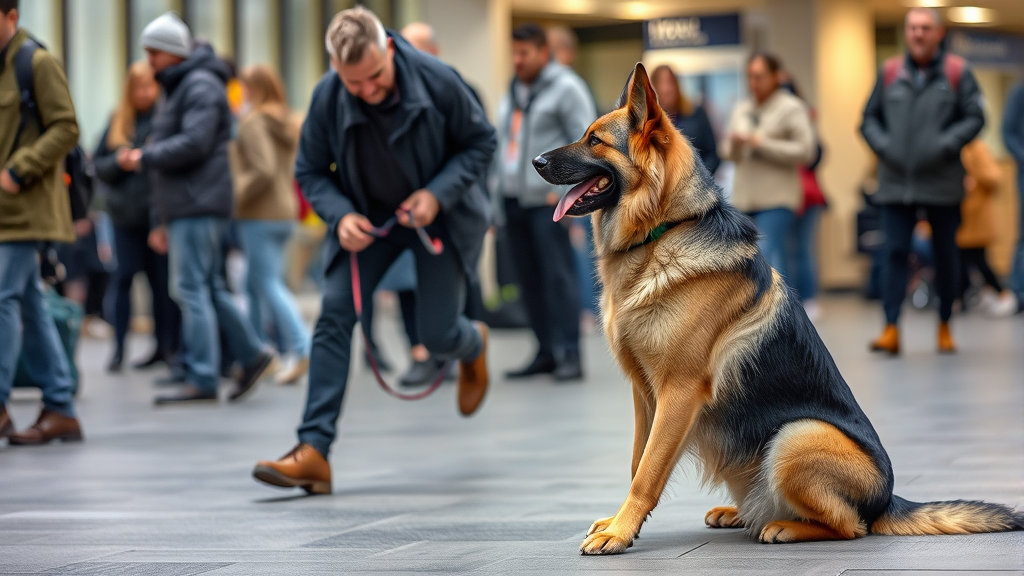
When considering how to make your dog a service dog, you have two primary options: professional training programs or self-training with professional guidance. Professional programs offer comprehensive training but often have long waiting lists and substantial costs, sometimes exceeding $20,000. These programs typically provide fully trained service dogs matched to specific individuals and their needs.
Self-training, while more affordable and allowing you to work with your own dog, requires significant time investment and expertise. Many people choose a hybrid approach, working with professional trainers for guidance while conducting daily training sessions themselves. This approach offers flexibility while ensuring proper technique and progress evaluation.
Regardless of your chosen path, professional evaluation and periodic assessments are crucial. Certified dog trainers or behaviorists can identify potential issues early and provide guidance on advanced training techniques. They can also help address specific challenges that arise during training, such as when dogs might need calming interventions similar to understanding whether dogs can have Benadryl or how much Benadryl to give dogs for anxiety-related issues.
Certification and Registration Process
While federal law doesn’t require service dog certification, many handlers choose to obtain documentation for their own records and peace of mind. Legitimate certification comes from recognized training organizations or licensed professionals who can verify that your dog has completed appropriate training and can perform required tasks reliably.
The certification process typically involves comprehensive evaluation of both dog and handler, including demonstration of trained tasks, public access skills, and the handler’s ability to manage their service dog effectively. This evaluation should be conducted by qualified professionals with experience in service dog training and disability accommodation.
Be wary of online registration sites that sell certificates or identification cards without proper evaluation. These documents hold no legal weight and contribute to public confusion about service dog requirements. Legitimate certification requires in-person evaluation and ongoing support from qualified trainers or organizations.
Ongoing Care and Maintenance
Service dog training is an ongoing process that requires consistent maintenance and continued education. Even fully trained service dogs need regular practice sessions to maintain their skills and adapt to new situations. Handlers must commit to daily training reinforcement and periodic professional evaluations to ensure their dog continues performing at the required level.
Health care for service dogs requires special attention, as their working status depends on maintaining optimal physical condition. Regular veterinary check-ups, proper nutrition, and appropriate exercise are essential. Handlers should also monitor their dogs for signs of stress or burnout, which can occur in working animals. Sometimes medical questions arise, such as determining appropriate Benadryl dosage for dogs experiencing anxiety or allergic reactions.
Retirement planning is also important, as service dogs typically work for 8-10 years before retiring due to age or health concerns. Handlers should prepare for this transition by maintaining relationships with training organizations and considering future service dog needs. The American Kennel Club provides valuable resources for ongoing service dog care and training maintenance.
Frequently Asked Questions
How long does it take to train a service dog?
Training a service dog typically takes 12-24 months, depending on the complexity of required tasks and the individual dog’s learning ability. Basic obedience training alone requires 3-6 months, followed by specialized task training and public access preparation. The timeline can vary significantly based on the dog’s temperament, the handler’s consistency, and the specific disability requirements.
Can any dog breed become a service dog?
While any breed can potentially become a service dog, certain breeds are more commonly successful due to their temperament and physical characteristics. Popular service dog breeds include Labrador Retrievers, Golden Retrievers, German Shepherds, and Poodles. The most important factors are individual temperament, trainability, and physical capability rather than specific breed characteristics.
Do I need to register my service dog with any government agency?
No, there are no federal registration requirements for service dogs in the United States. The ADA specifically states that service dogs do not need to be certified or registered with any government agency. Be cautious of websites selling registration certificates, as these have no legal validity and are not recognized by the ADA.
What tasks can service dogs be trained to perform?
Service dogs can be trained to perform a wide variety of specific tasks related to their handler’s disability. Examples include guiding individuals with visual impairments, alerting deaf individuals to sounds, detecting seizures or diabetic episodes, providing mobility assistance, retrieving medications, interrupting nightmares for PTSD sufferers, and performing deep pressure therapy during anxiety attacks. The key requirement is that tasks must be specific and measurable.
Can I train my own service dog without professional help?
While it’s legally possible to train your own service dog, it’s extremely challenging and not recommended without professional guidance. Self-training requires extensive knowledge of dog behavior, training techniques, and legal requirements. Most successful owner-trainers work with certified professionals for guidance and periodic evaluations. The American Psychiatric Association emphasizes the importance of proper training for psychiatric service dogs.
What happens if my service dog behaves inappropriately in public?
Service dogs that are aggressive, disruptive, or not under their handler’s control can be legally removed from public accommodations. If this occurs, the handler may be allowed to return without the dog. This highlights the importance of thorough training and ongoing behavior maintenance. Inappropriate behavior can result from inadequate training, health issues, or environmental stressors that need professional assessment.
How much does it cost to train a service dog?
The cost of service dog training varies widely depending on the chosen method. Professional programs can cost $15,000-$30,000 or more, while self-training with professional guidance might cost $5,000-$10,000 including trainer fees, equipment, and ongoing support. Additional costs include veterinary care, food, equipment, and potential boarding during intensive training periods. Some organizations offer financial assistance or payment plans for qualifying individuals.





