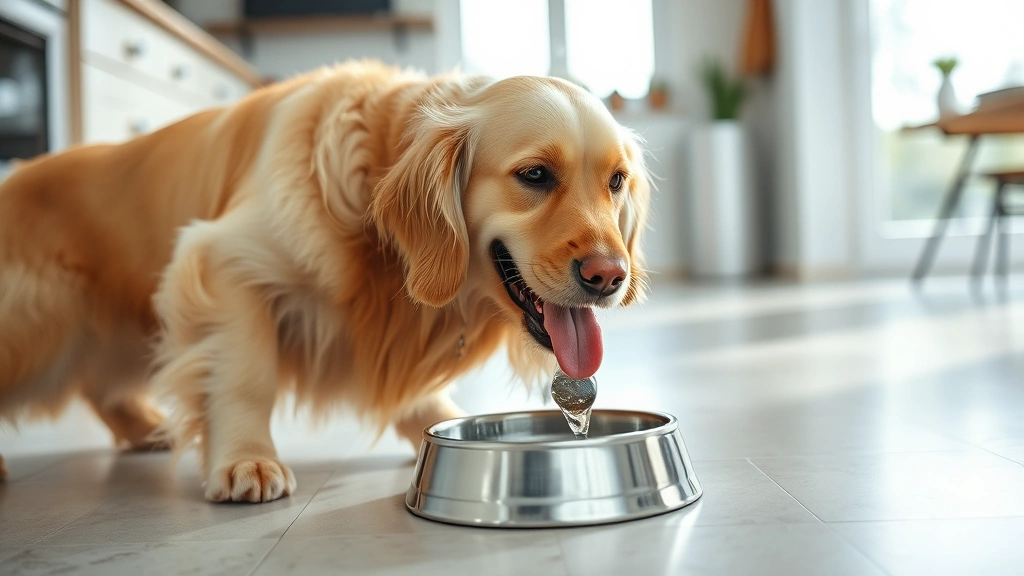
How to Encourage Your Dog to Drink More Water: A Complete Hydration Guide
Water is the elixir of life for our four-legged friends, yet so many dog owners struggle with keeping their pups adequately hydrated. Whether your dog is a picky sipper or simply doesn’t seem interested in their water bowl, dehydration can lead to serious health complications including kidney problems, urinary tract infections, and digestive issues. The good news? With a little creativity and understanding of your dog’s preferences, you can transform them into a water-loving companion.
Getting your dog to drink more water isn’t about force-feeding them or complicated tricks. It’s about understanding why dogs drink what they do and making hydration irresistible. From the temperature of the water to the type of bowl you’re using, numerous factors influence your dog’s drinking habits. In this comprehensive guide, we’ll explore proven strategies to encourage healthy water consumption and ensure your furry friend stays perfectly hydrated.
Let’s dive into the world of canine hydration and discover practical solutions that work for dogs of all ages, breeds, and personalities.
Why Hydration Matters for Dogs
Water comprises approximately 60% of an adult dog’s body weight, making proper hydration absolutely critical for survival and wellness. Every physiological function—from regulating body temperature to transporting nutrients and oxygen to cells—depends on adequate water intake. Without sufficient hydration, your dog’s organs can’t function optimally, leading to cascading health problems.
Dehydration in dogs can develop quickly, especially during hot weather, after exercise, or when they’re ill. Even mild dehydration can cause lethargy, dry gums, and loss of appetite. Severe dehydration becomes a medical emergency requiring immediate veterinary attention. According to the American Animal Hospital Association, maintaining proper hydration is one of the most fundamental aspects of preventive pet care.
Beyond basic survival, adequate water intake supports kidney function, helps prevent urinary tract infections, aids digestion, and promotes healthy skin and coat. Dogs that drink sufficient water tend to have better energy levels, improved cognitive function, and stronger immune systems. Making water irresistible isn’t just a nice gesture—it’s an investment in your dog’s long-term health and happiness.
Understanding Your Dog’s Water Needs
The amount of water your dog needs varies based on several factors including age, size, activity level, diet, and climate. Generally, dogs should drink approximately one ounce of water per pound of body weight daily. So a 50-pound dog should consume around 50 ounces (about 1.5 liters) of water each day. However, this is just a baseline—individual needs fluctuate significantly.
Active dogs need more water than couch potatoes. A dog that spends hours playing fetch in the yard requires substantially more hydration than one who lounges indoors. Similarly, dogs eating dry kibble need more water than those on wet food diets, since moisture-rich foods contribute to overall fluid intake. Puppies and senior dogs often have different hydration requirements too, with puppies needing more frequent water access and seniors sometimes needing encouragement to drink enough.
Environmental factors play a huge role as well. During summer months or in hot climates, your dog’s water needs can increase by 50% or more. High-altitude living, low humidity, and indoor heating in winter all increase evaporative water loss. If you’ve recently changed your dog’s food or activity level, their hydration needs likely changed too. Understanding these variables helps you set realistic hydration goals for your specific pup.

Common Reasons Dogs Avoid Water
Before implementing solutions, it’s helpful to understand why your dog might not be drinking enough. There’s usually a logical explanation, and identifying it is the first step toward encouraging better hydration habits.
Water Bowl Location and Cleanliness: Dogs are surprisingly particular about their water sources. A bowl tucked away in a corner might be forgotten, especially in multi-room homes. Similarly, a dirty or stale bowl is a major turnoff. Dogs have sensitive noses and can detect flavors and odors in water that humans cannot. If the bowl hasn’t been cleaned in days or sits in direct sunlight allowing algae growth, your dog might refuse it entirely.
Temperature Preferences: Just like humans, dogs have temperature preferences. Some prefer cool, fresh water, while others enjoy room-temperature water. A few dogs even prefer slightly warm water, especially in cold weather. Water that’s been sitting out all day or exposed to extreme temperatures might be unappealing.
Medical Issues: If your dog has suddenly decreased their water intake, this could indicate an underlying health problem. Dental disease, mouth pain, nausea, or infections can all make drinking uncomfortable or unpleasant. This is when you’ll want to check on why your dog isn’t drinking water and potentially consult your veterinarian. Conversely, if you notice your dog is drinking excessive amounts of water, this could signal diabetes, kidney disease, or urinary tract infections.
Stress and Anxiety: Changes in routine, new pets, moving homes, or other stressors can suppress your dog’s thirst drive. Anxious dogs sometimes ignore their basic needs, including drinking water. Creating a calm environment helps restore normal hydration habits.
Boredom: Some dogs simply don’t find their water bowl interesting. In our homes filled with toys, treats, and entertainment, a static water bowl might seem boring by comparison. These dogs need hydration to be more engaging and interactive.
Practical Strategies to Increase Water Intake
Now that we understand the barriers to hydration, let’s explore actionable strategies that actually work.
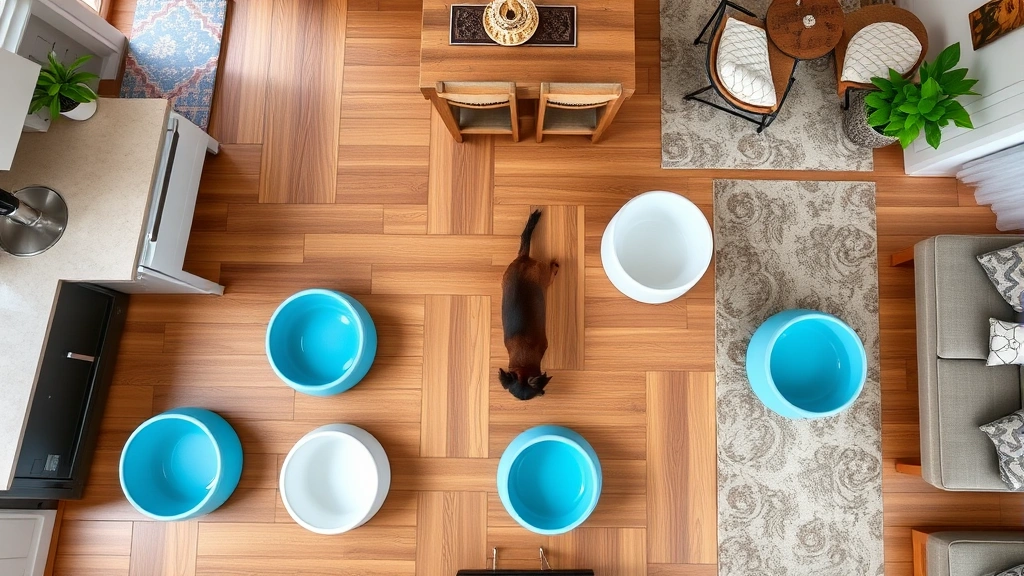
Multiple Water Stations: Place water bowls in several locations throughout your home. If your dog can access water from the kitchen, bedroom, and living room, they’re more likely to drink regularly. This mimics their natural instinct to seek water sources and makes hydration convenient. In multi-story homes, ensure each level has accessible water. Some owners even place water bowls near their dog’s favorite resting spots.
Refresh Water Frequently: Change your dog’s water at least twice daily, preferably three times. Fresh water tastes better and encourages drinking. Many dogs prefer water that’s been recently filled, as it feels more appealing. Consider refreshing water after meals, during midday, and before bedtime. In hot weather, refresh even more frequently.
Invest in a Water Fountain: Circulating water fountains appeal to many dogs’ natural preferences. The movement, sound, and aeration make water more interesting and seem fresher. Dogs’ ancestors often preferred moving water sources over stagnant ones, and this instinct remains. Fountains also keep water oxygenated and cooler. Studies show that some dogs drink 25% more water when using fountains compared to static bowls.
Adjust Water Temperature: Experiment with different temperatures to find your dog’s preference. Some dogs love ice-cold water on hot days, while others prefer room temperature or slightly warm water. You might keep one bowl with cool water and another with room-temperature water to see which your dog gravitates toward. During winter, slightly warm water can be especially appealing.
Ensure Accessibility: Make sure your dog can easily access water bowls without physical strain. For senior dogs or those with joint issues, elevate bowls to reduce bending. For small dogs or puppies, use appropriately sized bowls. Accessibility is often overlooked but crucial for consistent hydration.
Maintain Optimal Bowl Hygiene: Wash water bowls daily with hot soapy water. Weekly, soak them in a dilute bleach solution (1 part bleach to 10 parts water) to eliminate bacteria and algae. Rinse thoroughly and dry completely. A clean bowl is exponentially more appealing than a slimy or discolored one. This simple practice often dramatically increases water consumption.
Choosing the Right Water Bowl
The vessel holding your dog’s water matters more than most people realize. Different bowl types have distinct advantages and disadvantages.
Stainless Steel Bowls: These are the gold standard for water bowls. They don’t retain odors or flavors, are easy to clean, and are durable. Stainless steel doesn’t leach chemicals and stays cooler than plastic, which many dogs prefer. They’re also less likely to harbor bacteria in microscopic scratches compared to worn plastic bowls.
Ceramic Bowls: Food-grade ceramic bowls are safe, attractive, and don’t absorb odors like plastic. However, they can chip or break, and some cheaper ceramics may contain lead glazes. Stick with high-quality, food-safe ceramic from reputable manufacturers.
Plastic Bowls: While convenient and affordable, plastic bowls have significant drawbacks. They scratch easily, creating crevices where bacteria flourish. They can leach chemicals, retain odors and flavors, and some dogs are sensitive to plastic. If you use plastic, choose BPA-free options and replace them frequently when they show wear.
Glass Bowls: Food-grade glass is safe and doesn’t retain flavors or odors, but it’s breakable and less practical for most homes.
Size and Shape: Choose appropriately sized bowls for your dog. Large dogs need bigger bowls that don’t require constant refilling. Some dogs prefer wide, shallow bowls that don’t touch their whiskers, while others are comfortable with deeper bowls. Pay attention to your dog’s preferences—if they seem to avoid a particular bowl, try a different shape or size.
Adding Flavor and Appeal to Water
Making water more appealing can dramatically increase consumption. However, when adding anything to water, ensure it’s safe and appropriate for dogs.
Bone Broth: Low-sodium, dog-safe bone broth adds flavor and nutritional benefits. Simply add a small amount to your dog’s water bowl. The savory flavor encourages drinking, and the collagen and amino acids provide additional health benefits. You can purchase dog-specific bone broth or make your own by simmering bones without seasonings.
Frozen Treats: Freeze water in ice cube trays or larger molds to create refreshing treats. Some dogs love crunching on ice cubes, which counts toward their water intake. You can also freeze water with dog-safe additions like unsweetened applesauce or pumpkin puree for extra appeal. These frozen treats are especially popular during hot weather.
Coconut Water: Unsweetened, dog-safe coconut water can be added to regular water in small amounts. If you’re wondering whether dogs can drink coconut water, the answer is yes in moderation. It provides electrolytes and natural hydration enhancement, though plain water should remain the primary source.
Vegetable Infusions: Boil carrots, green beans, or pumpkin (without seasonings) and cool the water. This creates a mild vegetable-flavored water that appeals to many dogs. Ensure no salt, spices, or seasonings are added. The water becomes slightly nutritious while remaining safe.
Watermelon or Cantaloupe: Small pieces of seedless watermelon or cantaloupe can be added to water bowls for flavor. These fruits are hydrating themselves and add natural sweetness. Remove all seeds and limit quantities to avoid digestive upset. This is particularly appealing during summer months.
Foods with High Water Content: Incorporating wet foods into your dog’s diet naturally increases water intake. When considering how much food to feed your dog, remember that partially substituting dry kibble with wet food or adding broth to kibble increases overall moisture consumption. This is especially helpful for dogs resistant to drinking plain water.
Interactive Water Games: Some dogs are motivated by play. Water bowls that require interaction, like those designed to be licked or nudged, encourage engagement and drinking. You can also create simple games where your dog “finds” water bowls hidden around the house, turning hydration into an adventure.
Monitoring Your Dog’s Hydration Status
Knowing whether your dog is adequately hydrated is crucial for preventive care. Learn to recognize signs of proper hydration versus dehydration.
Hydration Tests: Check your dog’s skin turgor by gently pulling up the skin on the back of their neck. In well-hydrated dogs, the skin immediately returns to normal position. In dehydrated dogs, the skin “tents” and takes several seconds to return. Similarly, gently press your dog’s gums—they should be moist and pink. Pale or dry gums indicate dehydration. Check capillary refill time by pressing a gum and releasing—the color should return within two seconds in hydrated dogs.
Urine Color: A well-hydrated dog produces pale yellow or almost clear urine. Dark yellow or amber urine suggests insufficient hydration. Monitor your dog’s urine color regularly to gauge hydration status. Changes in urine color warrant increased water encouragement or veterinary consultation if accompanied by other symptoms.
Behavioral Signs: Hydrated dogs are typically alert and energetic. Lethargy, excessive panting, or dry nose and mouth can indicate dehydration. However, these signs can also indicate other health issues, so context matters.
Veterinary Checkups: Regular veterinary visits include hydration assessment. Your vet can identify early signs of dehydration or excessive drinking that might indicate underlying conditions. If you notice sudden changes in your dog’s water consumption, consult your veterinarian.
For dogs experiencing digestive issues, proper hydration is especially important. Learning about how to help a constipated dog often includes increasing water intake as a primary intervention. Adequate hydration supports healthy digestion and prevents many common gastrointestinal issues.
Seasonal Adjustments: Increase water encouragement during hot weather, after exercise, and during dry indoor heating seasons. These periods naturally increase your dog’s hydration needs. Be proactive rather than reactive—establish good hydration habits year-round.
Frequently Asked Questions
How can I tell if my dog is drinking enough water?
Monitor urine color (should be pale yellow), check skin turgor (skin should immediately return to normal when pulled), and observe gum moisture (should be wet and pink). Your dog should have consistent energy levels and a moist nose. If you’re unsure, consult your veterinarian about appropriate hydration targets for your specific dog.
Is it normal for dogs to drink more water in summer?
Absolutely. Dogs naturally drink more during hot weather due to increased evaporative water loss and higher activity levels. Ensure water is always available and frequently refreshed during warm months. However, if water consumption suddenly spikes dramatically, consult your vet as this could indicate medical issues.
Can I give my dog flavored water every day?
Plain water should always be the primary hydration source. Flavored additions like bone broth or vegetable infusions can be offered occasionally to encourage drinking, but shouldn’t replace regular water. Think of flavored water as an enhancement tool, not a daily staple.
What if my dog refuses to drink even with these strategies?
Persistent refusal to drink warrants veterinary attention. This could indicate dental disease, mouth pain, nausea, or other medical conditions. Your vet can examine your dog and determine if underlying health issues need addressing. Sometimes medical treatment is necessary before hydration improves.
Are water fountains worth the investment?
For many dogs, yes. Fountains encourage increased water consumption and keep water fresher and cooler. They’re particularly beneficial for dogs that seem uninterested in static bowls. However, they require regular cleaning to prevent bacterial growth. Consider your dog’s preferences and your maintenance capacity before investing.
Should I worry if my dog drinks a lot of water?
Excessive water consumption can indicate medical issues including diabetes, kidney disease, urinary tract infections, or hormonal imbalances. If your dog suddenly starts drinking significantly more than usual, schedule a veterinary appointment. Your vet can run tests to rule out underlying conditions. This is different from normal increased consumption during hot weather or exercise.
Can wet dog food replace water bowls?
While wet food contributes to overall hydration, it shouldn’t replace fresh water access. Dogs still need free access to water throughout the day. Wet food can supplement hydration but isn’t a complete substitute. Some dogs eating only wet food may drink less from bowls, so monitor overall fluid intake.
How often should I clean water bowls?
Daily washing is essential. Weekly deep cleaning with dilute bleach solution helps eliminate bacteria and algae. More frequent cleaning is needed in hot weather or if you notice slime buildup. A clean bowl is fundamental to encouraging consistent water intake.
Encouraging your dog to drink more water doesn’t require complicated tactics or expensive solutions. By understanding your dog’s preferences, maintaining excellent water bowl hygiene, using practical strategies to get your dog to drink water, and monitoring hydration status, you can ensure your furry friend stays perfectly hydrated. Every dog is unique, so experiment with different approaches until you find what works best for your pup. Remember, adequate hydration is one of the simplest yet most impactful investments you can make in your dog’s long-term health and happiness. Start implementing these strategies today and watch your dog thrive with optimal hydration.