
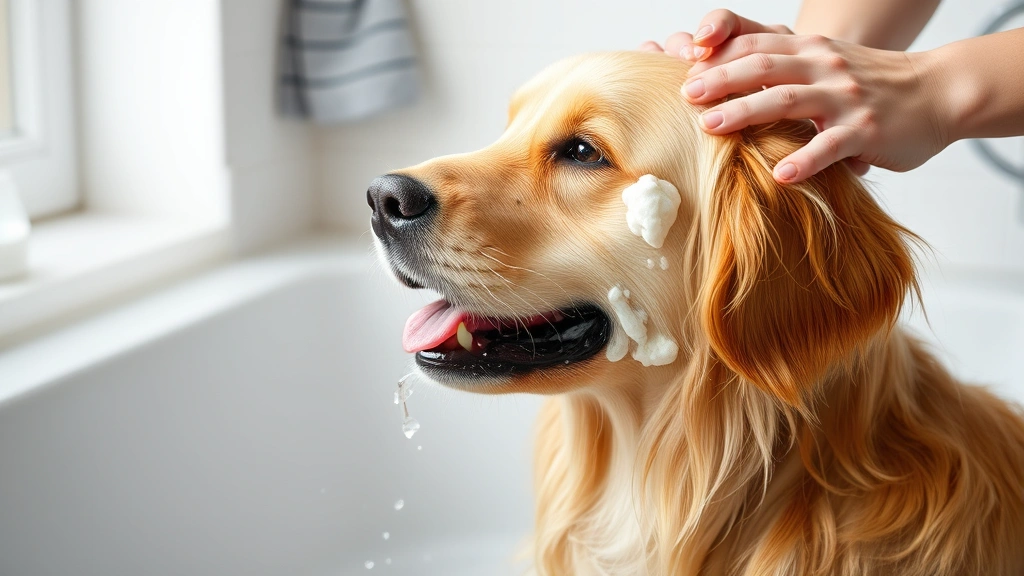
If your pup’s skin looks like a desert landscape and you’re tired of finding fur tumbleweeds around your house, it’s time to learn how to moisturize dog skin properly. Dry, flaky skin isn’t just uncomfortable for your furry friend—it can lead to itching, infections, and that general grumpiness that makes them avoid cuddle time. The good news? Keeping your dog’s skin healthy and hydrated is totally doable with the right approach.
Table of Contents
- Why Dog Skin Gets Dry (And Why It Matters)
- Method 1: Choose the Right Shampoo and Conditioner
- Method 2: Add Omega Fatty Acids to Their Diet
- Method 3: Use Topical Moisturizers and Balms
- Method 4: Boost Humidity and Environmental Factors
- Method 5: Address Underlying Health Issues
- The Role of Nutrition in Skin Health
- Natural Remedies That Actually Work
- When to Call the Vet
- Monitoring Progress and Maintenance
- Quick Wins You Can Start Today
- Frequently Asked Questions
- Final Thoughts: Your Dog Deserves Hydrated Skin
Why Dog Skin Gets Dry (And Why It Matters)
Before we dive into solutions, let’s talk about why your dog’s skin is throwing a tantrum in the first place. Dogs have thinner skin than humans—about 3-5 cell layers compared to our 15-20. This means their skin barrier is naturally more vulnerable to moisture loss, especially during winter, in dry climates, or when they’re dealing with environmental stressors.
Common culprits include low humidity, over-bathing with harsh shampoos, allergies, nutritional deficiencies, and certain health conditions. If your dog is constantly scratching or has visible flaking, it’s not just a cosmetic issue—it’s a sign their skin is crying for help. Dry skin can escalate into secondary infections, so addressing it early is smart pet parenting.
Method 1: Choose the Right Shampoo and Conditioner
This is ground zero for skin hydration. Most commercial dog shampoos are way too harsh, stripping away natural oils faster than your dog can replace them. You need a moisturizing dog shampoo specifically formulated with hydrating ingredients like oatmeal, aloe vera, or coconut oil.
Pro tip: Bathe your dog less frequently—once every 2-3 weeks instead of weekly—unless they’re actually dirty. When you do bathe them, use lukewarm (not hot) water, which is less drying. Follow up with a quality conditioner and let it sit for 5-10 minutes before rinsing. This gives the conditioner time to actually penetrate and do its job instead of washing down the drain immediately.
If your dog has particularly sensitive skin or skin conditions, consider medicated shampoos recommended by your vet. They often contain ingredients designed to soothe inflammation while hydrating.
Method 2: Add Omega Fatty Acids to Their Diet
You can’t moisturize from the outside alone—your dog’s skin health starts from within. Omega-3 and omega-6 fatty acids are essential for maintaining a healthy skin barrier and reducing inflammation. A deficiency in these nutrients is often the root cause of chronic dry skin.
Add fish oil supplements to your dog’s meals, or include omega-rich foods like salmon, sardines, and flaxseed. If your dog has food allergies in pets, work with your vet to find safe protein sources that don’t trigger reactions while still providing these crucial nutrients.
Most vets recommend about 20mg of EPA (eicosapentaenoic acid) per pound of body weight daily. Start with a lower dose and work up to avoid digestive upset. Your dog’s skin will start looking noticeably better within 4-6 weeks of consistent supplementation.
Method 3: Use Topical Moisturizers and Balms
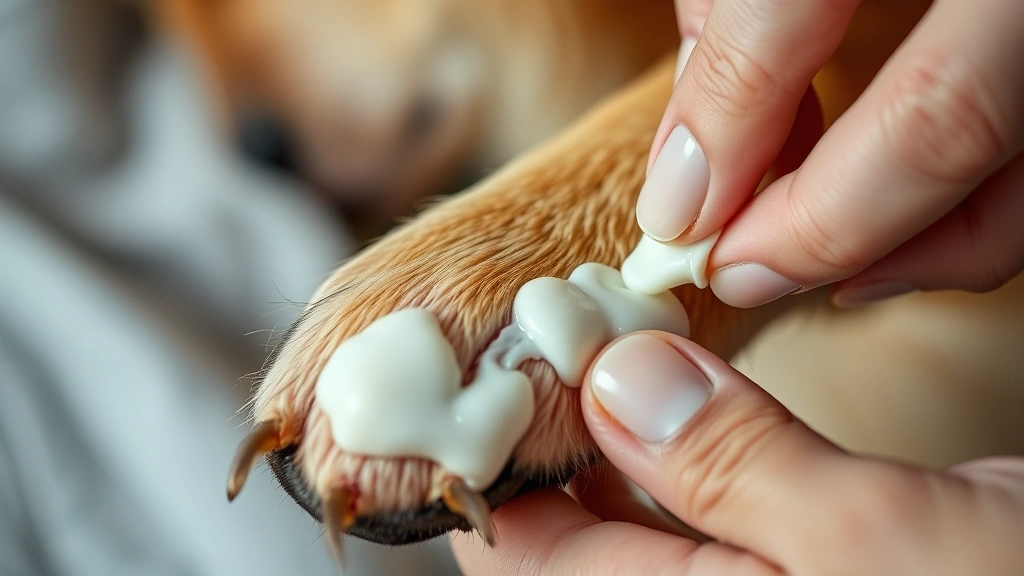
Sometimes you need to apply moisture directly to problem areas. Dog-specific moisturizing sprays, creams, and balms are game-changers for localized dry patches. Look for products containing:
- Hyaluronic acid (holds moisture like a champ)
- Ceramides (repair the skin barrier)
- Glycerin (draws moisture to the skin)
- Aloe vera (soothes and hydrates)
- Coconut oil (natural antimicrobial and moisturizer)
Apply these products to damp skin right after bathing, when your dog’s skin is most receptive to absorption. Paw pads, ears, and belly often need extra attention since they’re prone to dryness. Just make sure whatever you use is non-toxic—your dog will inevitably lick it, so avoid anything with harmful ingredients.
Method 4: Boost Humidity and Environmental Factors
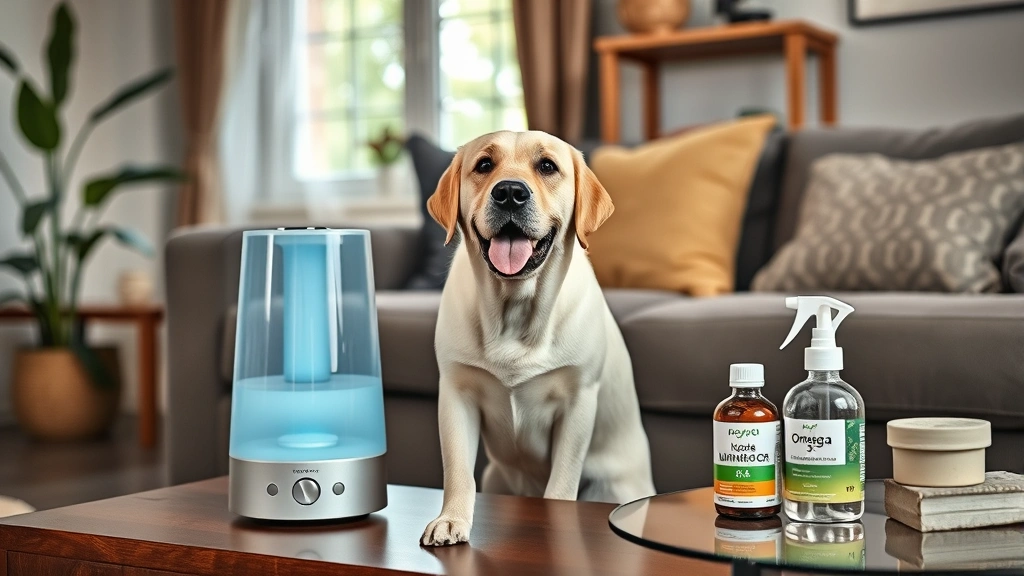
If you live somewhere drier than the Sahara, your dog’s skin is fighting an uphill battle. Invest in a humidifier for your home, especially in bedrooms and living areas where your dog spends time. Aim for 40-60% humidity, which is comfortable for both you and your pup.
During winter months when heating systems suck all moisture from the air, run the humidifier consistently. You’ll notice improvements not just in your dog’s skin but in your own skin and respiratory health too. It’s a win-win.
Also consider your dog’s bathing water quality. If you have hard water, it can leave mineral deposits on their skin and coat, contributing to dryness. A water softener or even filtering their bath water can make a difference.
Method 5: Address Underlying Health Issues
Sometimes dry skin is a symptom of something bigger. Allergies—whether environmental or food-related—are a common culprit. If your dog is itching excessively despite your moisturizing efforts, they might have an allergy rather than simple dryness.
Check out our guide on anti-inflammatory foods for pets to help reduce systemic inflammation. For dogs with sensitive stomachs, we have resources on human foods for pets with sensitive stomachs that can support skin health without triggering digestive issues.
Other health issues like thyroid problems, parasites, or fungal infections can also cause dry, flaky skin. If you’ve tried these methods for 4-6 weeks without improvement, schedule a vet visit. Your veterinarian can run tests and rule out underlying conditions that need treatment.
The Role of Nutrition in Skin Health
You are what you eat, and the same applies to your dog’s skin. A high-quality diet rich in protein, vitamins, and minerals is foundational for skin health. Make sure your dog’s food includes adequate:
- Protein: Builds and repairs skin cells
- Vitamin E: Protects skin cells from damage
- Vitamin A: Supports skin cell turnover
- Zinc: Essential for skin barrier function
- B vitamins: Support skin health and reduce inflammation
If you’re considering adding safe fruits for dogs to their diet for additional nutrients, great! Blueberries and sweet potatoes are particularly beneficial for skin health. For more comprehensive nutritional guidance, check out our vet approved human foods for pets resource.
Natural Remedies That Actually Work
If you prefer a more natural approach, several home remedies can help moisturize dog skin:
- Coconut oil: Apply directly to dry patches (use sparingly to avoid greasy coat)
- Oatmeal baths: Blend colloidal oatmeal into warm water for a soothing soak
- Apple cider vinegar: A diluted rinse (1:1 ratio with water) can help balance skin pH
- Bone broth: Added to meals provides collagen and gelatin for skin support
These remedies work best as complementary treatments alongside proper nutrition and bathing practices. They’re not magic bullets, but they can definitely help.
When to Call the Vet
Dry skin becomes a veterinary concern when it’s accompanied by:
- Excessive scratching or licking (leading to raw spots)
- Odor or discharge from the skin
- Hair loss beyond normal shedding
- Scabs, pustules, or unusual lesions
- Behavior changes (lethargy, loss of appetite)
These signs suggest infection, parasites, or systemic disease that requires professional treatment. Don’t wait it out—get your pup checked. According to the American Association of Feed Control Officials (AAFCO), proper nutrition is foundational, but some skin conditions need veterinary intervention.
Monitoring Progress and Maintenance
Once you’ve implemented these moisturizing methods, give them time to work. Skin cell turnover takes about 3-4 weeks, so don’t expect overnight miracles. Keep a log of what you’re doing and how your dog’s skin responds. Take photos of problem areas to track improvement objectively.
Maintenance is key. Once your dog’s skin improves, stick with the routine that worked. This might mean continuing supplements, using moisturizing products, and maintaining good bathing practices year-round.
Quick Wins You Can Start Today
Don’t feel overwhelmed by all these options. Start with these immediate actions:
- Switch to a moisturizing shampoo and conditioner
- Add an omega-3 supplement to their food
- Turn on a humidifier
- Apply a dog-safe moisturizing balm to dry patches
You can layer in more advanced strategies as you go, but these four changes alone will likely show noticeable improvement within 2-3 weeks.
Frequently Asked Questions
Can I use human moisturizer on my dog?
Not recommended. Human products often contain ingredients that are toxic to dogs or can disrupt their skin’s pH balance. Stick with products specifically formulated for canine skin. If you’re unsure about a specific product, ask your vet before applying it.
How often should I bathe my dog if they have dry skin?
For dogs with dry skin, once every 2-3 weeks is ideal. More frequent bathing strips away natural oils faster than they can be replenished. If your dog gets genuinely dirty between baths, use dry shampoo or a waterless bath spray instead of full water baths.
Are there specific dog breeds more prone to dry skin?
Yes! Breeds with longer coats (Golden Retrievers, German Shepherds) and those with sensitive skin (Bulldogs, Dalmatians) tend to experience dryness more frequently. However, any dog can develop dry skin depending on environment, diet, and health status.
How long does it take to see improvement?
With consistent treatment, you should see noticeable improvement within 3-4 weeks. Some changes (like omega supplementation) take longer—typically 4-6 weeks—to show full benefits. If you’re not seeing improvement after 6 weeks, consult your vet.
Is dry skin contagious between dogs?
Dry skin itself isn’t contagious, but if it’s caused by parasites or fungal infections, those can spread. Always determine the underlying cause before assuming it’s just simple dryness.
Can diet alone fix my dog’s dry skin?
Diet is foundational and will help significantly, but it usually works best combined with proper bathing practices and environmental adjustments. If your dog’s dryness is severe or caused by allergies, diet alone won’t solve it.
Final Thoughts: Your Dog Deserves Hydrated Skin
Learning how to moisturize dog skin isn’t complicated, but it does require consistency and a multi-faceted approach. The best results come from combining proper nutrition, appropriate bathing practices, topical treatments, and environmental adjustments. Your dog will thank you with a healthier coat, less itching, and probably more willingness to snuggle without that uncomfortable scratching interrupting the moment.
Start with the basics, monitor your dog’s progress, and don’t hesitate to involve your vet if things aren’t improving. Every dog’s skin is different, and what works perfectly for one pup might need tweaking for another. Be patient, stay consistent, and you’ll have your dog’s skin looking and feeling great in no time.
For more information on supporting your dog’s health through nutrition, check out our pet nutrition advice section for comprehensive guidance.





