
If you’ve ever watched your pup scratch their ears like they’re auditioning for a heavy metal band, you know how miserable ear infections can make them. Learning how to prevent ear infections in dogs is one of the smartest moves any dog parent can make, because let’s face it—treating them is way more expensive and stressful than preventing them in the first place.
Table of Contents
- Why Dogs Get Ear Infections So Easily
- Tip #1: Keep Those Ears Dry and Clean
- Tip #2: Address Allergies Before They Cause Trouble
- Tip #3: Maintain a Healthy Diet and Immune System
- Tip #4: Check and Monitor Regularly
- Tip #5: Manage Parasites and Pests
- Special Considerations for High-Risk Breeds
- What to Do If Infection Still Happens
- The Bottom Line: Prevention Wins Every Time
- Frequently Asked Questions
Ear infections are one of the most common reasons dogs end up at the vet, especially certain breeds with floppy ears or hairy ear canals. But here’s the good news: most ear infections are completely preventable with the right approach. In this guide, we’ll walk you through five proven strategies that actually work, plus some bonus tips that’ll keep your furry friend’s ears healthy and infection-free.
Why Dogs Get Ear Infections So Easily
Before we dive into prevention, let’s understand why our four-legged friends are so prone to ear trouble. Dogs have an L-shaped ear canal that’s basically a moisture trap waiting to happen. Add in some yeast, bacteria, or allergies, and boom—infection city. Unlike humans, who have nice straight ear canals that drain easily, your dog’s anatomy is basically saying “moisture, please come hang out here forever.”
The most common culprits behind ear infections include moisture buildup, allergies (including food allergies in pets), parasites like ear mites, and bacterial or yeast overgrowth. Some breeds are just genetically predisposed—sorry, Cocker Spaniels and Basset Hounds—but any dog can develop an infection if conditions are right (or wrong, in this case).
Tip #1: Keep Those Ears Dry and Clean
This is the MVP of ear infection prevention. Water trapped in the ear canal creates the perfect humid environment for bacteria and yeast to throw a party. After baths, swimming, or even a trip to the water bowl (yes, some dogs get water in their ears), you need to dry those ears out.
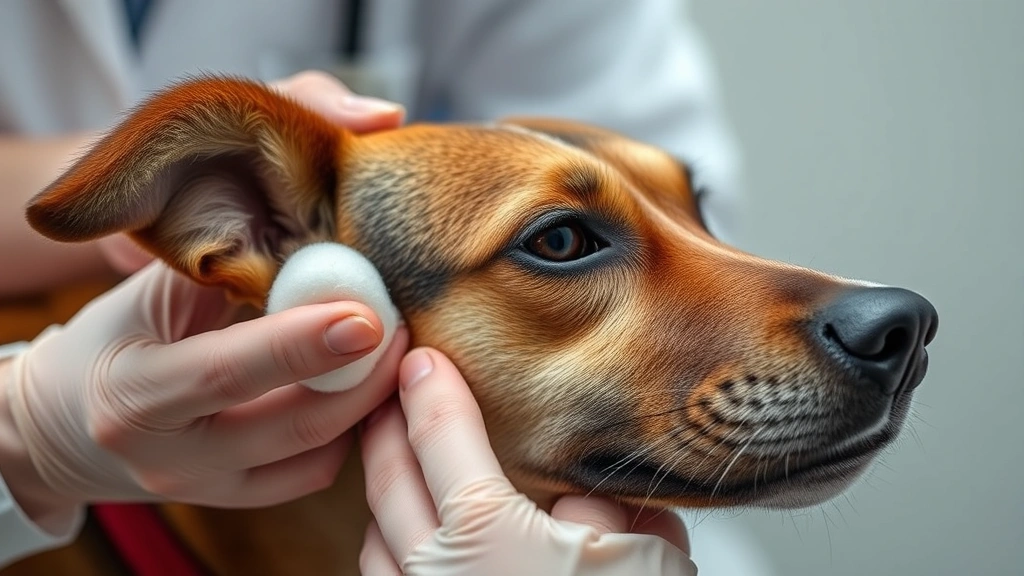
Grab a soft cloth or cotton ball and gently wipe the inside of the ear flap and the ear canal entrance. For dogs with hairy ear canals, you might want to ask your groomer to pluck or trim the hair—this dramatically improves air circulation. If your dog loves swimming, consider using dog ear plugs before bath time or water play. Sounds silly? It works.
For regular cleaning, use a vet-approved ear cleaner once or twice weekly, especially if your dog has floppy ears. Squeeze the solution into the ear, massage the base of the ear for about 30 seconds (your dog will probably love this part), then let them shake it out. Follow up with that dry cloth. It’s like a spa day that actually prevents medical emergencies.
Tip #2: Address Allergies Before They Cause Trouble
Here’s something most people don’t realize: allergies are often the root cause of ear infections in dogs. When your pup’s immune system is overreacting to something in their environment or diet, the inflammation in their ears creates conditions perfect for infections.
If your dog seems itchy all over, has recurring ear issues, or you notice their ears smell yeasty, allergies might be the culprit. Talk to your vet about allergy testing or an elimination diet. Switching to high-quality organic pet treats and premium dog food can sometimes help. Many dogs improve dramatically once their allergies are under control—and their ears stay healthier as a bonus.
Environmental allergies (pollen, dust, mold) can also trigger ear issues, so if your dog’s infections spike during certain seasons, you’ve probably found your culprit. Your vet might recommend antihistamines or other allergy management strategies to keep those ears inflammation-free.
Tip #3: Maintain a Healthy Diet and Immune System
You are what you eat, and apparently, so is your dog’s immune system. A diet lacking in essential fatty acids, vitamins, and minerals makes your dog’s body less equipped to fight off infections. When their immune system is strong, it can handle the normal bacteria and yeast that live on all dogs’ skin without them becoming problematic.
Look for dog foods with omega-3 and omega-6 fatty acids—these are anti-inflammatory superstars. Fish oil supplements are another great option if your dog’s current food doesn’t have enough. Before making major dietary changes, check out our guide on pet food safety to ensure you’re choosing quality options.
A healthy gut microbiome also plays a huge role in immune function. Some vets recommend probiotics for dogs prone to ear infections. It sounds weird, but your dog’s digestive health actually impacts their ear health. Wild, right?
Tip #4: Check and Monitor Regularly
The best offense is a good defense, and that means playing detective with your dog’s ears. Make it a weekly habit to peek inside those ear flaps. You’re looking for redness, swelling, discharge, or that telltale yeasty smell (think corn chips—it’s called “Frito feet” when it happens on their paws).
Healthy ears should be light pink inside with minimal wax buildup and absolutely zero smell. If you notice anything off, schedule a vet visit early. Catching an infection in its infancy means easier treatment and less discomfort for your pup. Plus, your wallet will thank you—early treatment is cheaper than advanced infection treatment.
Keep notes on when your dog seems itchy or scratches their ears more than usual. This helps your vet identify patterns and potential triggers. If your dog seems uncomfortable, consider scheduling a pet telehealth appointment for a quick professional opinion before symptoms worsen.
Tip #5: Manage Parasites and Pests
Ear mites are tiny parasites that set up shop in your dog’s ears and cause absolute chaos. They’re contagious, itchy as heck, and can lead to secondary infections if left unchecked. The good news? They’re totally preventable with regular parasite prevention.
Most modern flea and tick preventatives also cover ear mites, so if you’re already using a monthly preventative (which you should be), you’re probably covered. But double-check with your vet to make sure your current product includes mite coverage. If your dog has never been on prevention, now’s the time to start.
If your dog spends time outdoors or around other animals, regular parasite prevention is non-negotiable. Ear mites spread faster than gossip at a dog park, and they’ll absolutely trigger ear infections if given the chance.
Special Considerations for High-Risk Breeds
Some dogs are just genetically predisposed to ear troubles. Breeds with floppy ears (Cocker Spaniels, Basset Hounds, Beagles), dogs with hairy ear canals (Poodles, some terriers), and dogs prone to allergies need extra vigilance. If you have one of these breeds, you might want to implement these prevention strategies more frequently.
That weekly ear check? Make it twice weekly for high-risk pups. The regular cleaning? Maybe bump that up to twice weekly too. It’s a bit more work, but it beats dealing with chronic ear infections and the associated vet bills and discomfort. Your dog will appreciate your dedication.
What to Do If Infection Still Happens
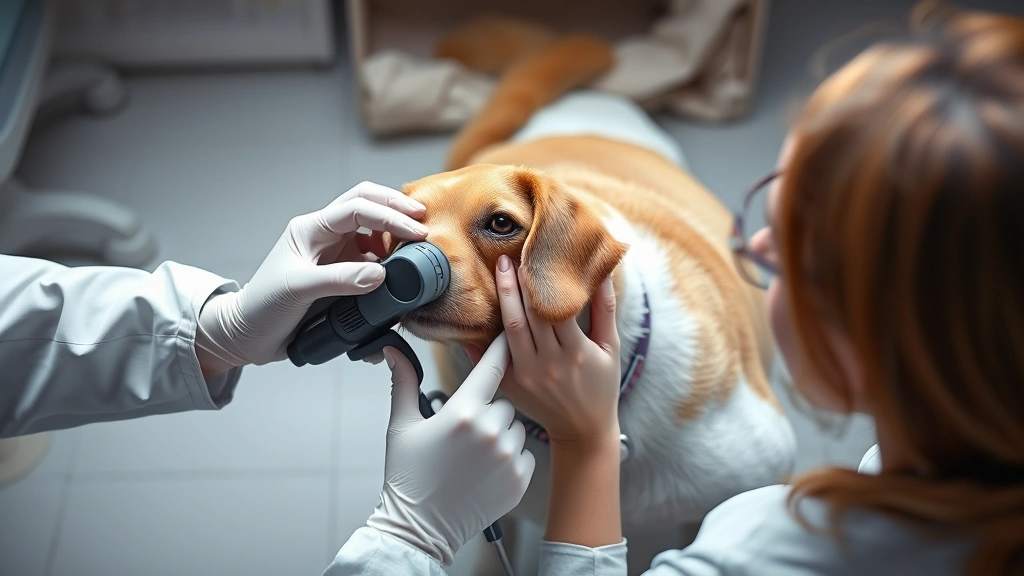
Even with perfect prevention, sometimes infections happen. Maybe your dog had a swimming mishap, or their allergies flared up unexpectedly. If you suspect an ear infection (excessive scratching, odor, discharge, or head tilting), contact your vet promptly.
In the meantime, resist the urge to use Neosporin on your dog’s ears without vet approval—some infections require specific treatments, and the wrong product can make things worse. Your vet will likely prescribe ear drops, oral antibiotics, or antifungals depending on what’s causing the infection.
The Bottom Line: Prevention Wins Every Time
Learning how to prevent ear infections in dogs is genuinely one of the best investments you can make in your pet’s health and happiness. These five strategies—keeping ears dry, managing allergies, supporting immune health, monitoring regularly, and preventing parasites—work together to create an environment where infections simply can’t thrive.
Most ear infections are completely preventable, and the effort you put in now will save you money, stress, and most importantly, spare your furry friend from discomfort. Your dog won’t thank you out loud, but they’ll show their appreciation by not scratching themselves raw and keeping their adorable little ears in perfect condition.
Frequently Asked Questions
How often should I clean my dog’s ears?
For dogs with floppy ears or a history of infections, weekly cleaning is ideal. For other dogs, every two weeks is usually sufficient. If your dog swims regularly or has allergies, increase frequency to twice weekly. Always ask your vet for personalized recommendations based on your dog’s specific needs.
Can I use human ear cleaner on my dog?
Absolutely not. Human ear cleaners have different pH levels and can disrupt your dog’s ear canal balance, potentially causing irritation or infection. Always use a veterinary-approved ear cleaner specifically formulated for dogs.
What does a healthy dog ear smell like?
Healthy dog ears should have minimal to no odor. If you notice a yeasty, corn chip-like smell, a fishy odor, or any strong smell at all, it’s time to see your vet. Smell is often the first sign of infection before other symptoms appear.
Are certain dog breeds more prone to ear infections?
Yes, absolutely. Breeds with floppy ears (Cocker Spaniels, Basset Hounds, Beagles) and dogs with hairy ear canals (Poodles, some terriers) are at higher risk. These breeds require more frequent ear maintenance and monitoring to prevent infections.
Can diet really affect ear health?
Yes! A diet rich in omega fatty acids and quality proteins supports immune function and reduces inflammation. Many dogs with chronic ear infections see significant improvement after dietary changes that address underlying allergies or nutritional deficiencies.





