
Learning how to prevent twisted stomach in dogs could literally save your furry best friend’s life. Gastric dilatation-volvulus (GDV), commonly called bloat or twisted stomach, is one of the most terrifying emergencies a dog owner can face. It strikes fast, it’s deadly, and honestly, it’s scarier than finding out your dog ate your favorite shoes. But here’s the good news: you’ve got real power to prevent it.
Table of Contents
- Understanding Gastric Dilatation-Volvulus (GDV)
- Tip #1: Slow Down Your Speed Eater (Seriously, This Matters)
- Tip #2: Control Portion Sizes and Feeding Frequency
- Tip #3: Watch What (and When) They Drink
- Tip #4: Exercise Timing Is Everything
- Tip #5: Choose Quality Food and Avoid Problematic Ingredients
- Recognizing the Warning Signs (Because Prevention Isn’t Always Enough)
- Breed-Specific Prevention Considerations
- The Role of Stress and Anxiety
- When to Talk to Your Vet About Gastropexy
- Frequently Asked Questions
- Summary: Your Action Plan
Understanding Gastric Dilatation-Volvulus (GDV)
Before we dive into prevention, let’s talk about what actually happens during a twisted stomach episode. GDV occurs when a dog’s stomach fills with gas, food, or fluid and then twists on itself. Think of it like a balloon that’s inflated and then wrung out like a wet towel. When this happens, blood supply gets cut off, the stomach tissue starts dying, and without emergency surgery, your dog could be gone within hours.
Large and giant breed dogs are at significantly higher risk—we’re talking Labradors, German Shepherds, Great Danes, and Boxers. But honestly, any dog can experience this nightmare. The scary part? It can happen to a perfectly healthy dog with zero warning signs.
Tip #1: Slow Down Your Speed Eater (Seriously, This Matters)
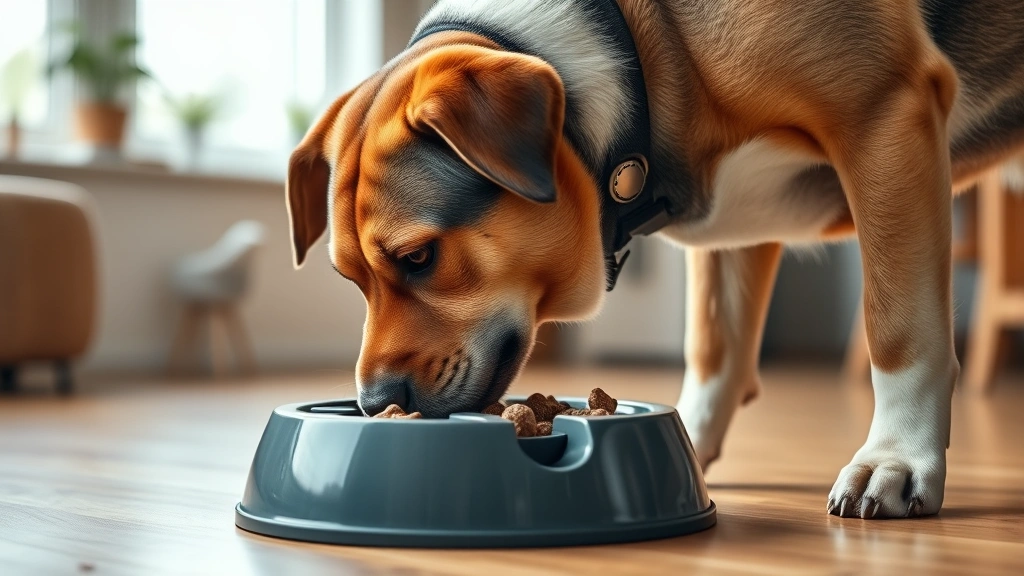
If your dog inhales food like they haven’t eaten in three years, you’ve got a problem. Fast eating leads to swallowing excess air, which is a major risk factor for bloat. Here’s what you can do:
- Use a slow feeder bowl with ridges or obstacles that force your dog to eat around barriers
- Put a tennis ball in the bowl (yes, really) so they have to work around it
- Try puzzle feeders that make mealtime an actual challenge
- Hand-feed portions if your dog is particularly aggressive with food
- Elevate the food bowl slightly—some vets recommend this, though research is mixed
The goal here isn’t to make your dog suffer; it’s to turn mealtime into something that takes actual effort. A dog that eats their meal in 45 seconds instead of 5 minutes is a dog with less air in their stomach.
Tip #2: Control Portion Sizes and Feeding Frequency
Overfeeding is a major culprit. A bloated stomach is literally a bigger target for GDV. Instead of one massive meal, split your dog’s daily food into two or three smaller portions. This keeps the stomach from becoming overly distended and reduces gas buildup.
Check out our guide on human food portion sizes for pets to understand how much is actually appropriate. Many dog owners accidentally overfeed their pups, thinking they’re being generous. You’re not being mean by sticking to proper portions—you’re being smart.
For large breeds especially, feeding 2-3 times daily is genuinely better than one big meal. Your vet can tell you exactly how much your individual dog needs based on age, weight, and activity level.
Tip #3: Watch What (and When) They Drink
Here’s something people don’t always think about: water intake matters too. A dog that chugs a huge bowl of water right after eating is filling their stomach with liquid and gas. The combination is asking for trouble.
Instead:
- Limit water access immediately before and after meals (30 minutes before and 1-2 hours after)
- Offer smaller amounts of water throughout the day
- Keep water bowls in multiple locations so your dog doesn’t feel the need to drink excessively when they finally get access
This isn’t about dehydrating your dog—it’s about smart timing. Your pup will still get plenty of water; you’re just being strategic about when.
Tip #4: Exercise Timing Is Everything
Vigorous exercise right after eating is basically asking for trouble. A full stomach bouncing around during a run? That’s a recipe for gastric torsion. Wait at least 1-2 hours after eating before engaging in intense activity.
The same rule applies before meals. If your dog just finished a crazy play session, let them settle down for 30 minutes before feeding. This gives their system time to calm down and reduces the likelihood of gulping food and air together.
Moderate walking is fine, but save the sprinting, jumping, and crazy zoomies for times when their stomach isn’t full.
Tip #5: Choose Quality Food and Avoid Problematic Ingredients
Not all dog foods are created equal. Some ingredients can increase gas production in the stomach. Check out our pet food safety guide for what to look for and what to avoid.
Generally speaking:
- Avoid foods with excessive fillers and by-products
- Look for high-quality proteins as the first ingredient
- Be cautious with foods that cause excessive gas (some dogs react poorly to certain grains or legumes)
- Avoid foods with high fat content, which can slow digestion and increase fermentation
If you’re switching foods, do it gradually over 7-10 days. A sudden dietary change can cause gas and digestive upset, which increases bloat risk. Your dog’s system needs time to adjust.
Recognizing the Warning Signs (Because Prevention Isn’t Always Enough)
Even with perfect prevention, GDV can still happen. Knowing the signs could save your dog’s life. Get to an emergency vet immediately if you notice:
- Restlessness and pacing (your dog can’t get comfortable)
- Excessive drooling or attempts to vomit without bringing anything up
- Abdominal distension (the belly looks swollen or hard)
- Heavy panting or difficulty breathing
- Weakness or collapse
- Pale gums
This is not a “wait and see” situation. GDV is a true emergency. If you even suspect your dog might have bloat, get to an emergency vet right now. Every minute counts.
Breed-Specific Prevention Considerations
Some breeds are at higher risk than others. If you own a large or giant breed dog, your prevention game needs to be extra strong. Breeds like Great Danes, Weimaraners, Saint Bernards, and German Shepherds should have owners who are especially vigilant.
Talk to your vet about whether your dog’s breed warrants any additional precautions. Some vets recommend gastropexy (a surgical procedure that prevents the stomach from twisting) for high-risk breeds, even as a preventative measure. It’s worth discussing.
The Role of Stress and Anxiety
Stress can literally cause your dog’s stomach to go haywire. A dog that’s anxious tends to eat faster, drink more water, and experience increased gas production. If your dog has separation anxiety or gets stressed during thunderstorms, work on managing that stress.
Consider:
- Calming supplements (talk to your vet first)
- Creating a safe space during stressful situations
- Gradual desensitization to triggers
- Professional training help if needed
A calm dog is a safer dog when it comes to GDV risk.
When to Talk to Your Vet About Gastropexy
Gastropexy is a surgical procedure where the stomach is actually sutured to the body wall, preventing it from twisting. It’s not a cure for bloat, but it does prevent the twist part of the equation.
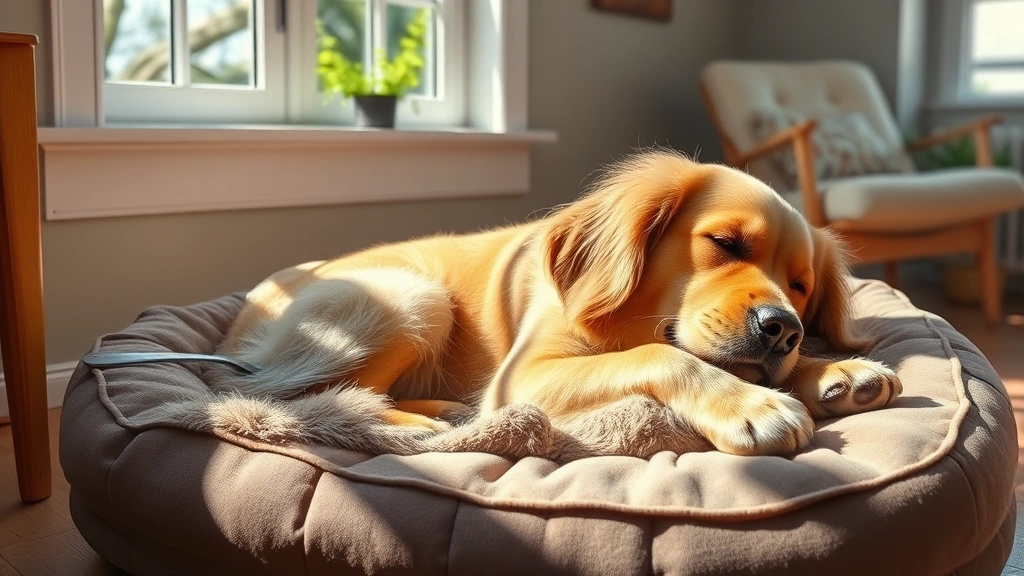
If your dog has already had one episode of GDV, gastropexy is pretty much non-negotiable. If you own a high-risk breed, ask your vet whether preventative gastropexy makes sense for your situation. Some owners do it during spay/neuter surgery to reduce risk.
Frequently Asked Questions
Can a dog recover from a twisted stomach without surgery?
No. GDV absolutely requires emergency surgery. Without it, your dog will die. There’s no home remedy, no medication, no waiting it out. If you suspect bloat, get to an emergency vet immediately. Period.
What’s the survival rate for dogs with GDV?
With emergency surgery, survival rates are around 80-90% if the stomach hasn’t ruptured. If the stomach tissue has died or ruptured, survival rates drop significantly. This is why time is absolutely critical.
Are there supplements that prevent bloat?
Some people swear by probiotics and digestive enzymes, but there’s limited scientific evidence that they prevent GDV specifically. They might help with overall digestive health, but they’re not a substitute for the prevention methods mentioned here. Always check with your vet before adding supplements.
Is gastropexy worth doing as prevention?
For high-risk breeds or dogs with a history of GDV, absolutely yes. For lower-risk dogs, it’s a conversation worth having with your vet. The surgery is relatively simple and can be done during spay/neuter, but it’s not necessary for every dog.
Can diet alone prevent GDV?
Diet is important, but it’s not a guarantee. GDV is multifactorial—it involves genetics, anatomy, eating habits, exercise timing, and sometimes just bad luck. The best approach is combining multiple prevention strategies, not relying on any single method.
How quickly does GDV happen?
GDV can develop within minutes to a few hours. One minute your dog is fine; the next they’re in crisis. This is why recognizing the signs and acting fast is so critical.
Summary: Your Action Plan
Here’s the reality: how to prevent twisted stomach in dogs involves multiple strategies working together. You’re not going to prevent GDV 100% of the time, but you can significantly reduce the risk by:
- Using slow feeders and controlling eating speed
- Feeding smaller, multiple meals instead of one large meal
- Managing water intake strategically
- Timing exercise properly around meals
- Choosing quality food
- Managing stress
- Considering gastropexy for high-risk dogs
Talk to your vet about your individual dog’s risk factors. If you own a large breed, make these prevention strategies part of your routine. And please, learn the warning signs. Knowing what to look for could literally be the difference between life and death.
Your dog depends on you to keep them safe. You’ve got this.





