
Let’s be real—discovering your dog has pooped in the house is frustrating. But here’s the thing: punishment isn’t the answer, and modern veterinary science backs this up. Instead of figuring out how to punish dogs for pooping in house, we need to understand why it’s happening and fix the root cause. That’s where real solutions come in.
Table of Contents
- Why Punishment Doesn’t Work (And What Science Says Instead)
- Medical Issues: Always Rule These Out First
- Solution #1: Fix the Diet and Digestive Health
- Solution #2: Establish a Consistent Potty Schedule
- Solution #3: Address Anxiety and Stress-Related Issues
- Solution #4: Proper Crate Training and Confinement
- Solution #5: Clean Accidents Properly to Break the Cycle
- When to Call the Vet: Red Flags You Shouldn’t Ignore
- The Role of Anti-Inflammatory Support
- Putting It All Together: Your Action Plan
- Frequently Asked Questions
- Final Thoughts: It’s About Understanding, Not Punishment
Why Punishment Doesn’t Work (And What Science Says Instead)
Before we dive into solutions, let’s talk about why punishment-based approaches backfire. When you punish a dog after the fact, they don’t connect the dots between their action and your anger. Dogs live in the moment. A dog that pooped hours ago has no idea why you’re suddenly yelling—they just know you’re scary, which increases anxiety and stress.
According to the American Association of Feed Control Officials, stress and anxiety are leading contributors to inappropriate elimination in dogs. Punishment actually makes the problem worse by creating a fearful, anxious pet that’s more likely to have accidents.
Medical Issues: Always Rule These Out First
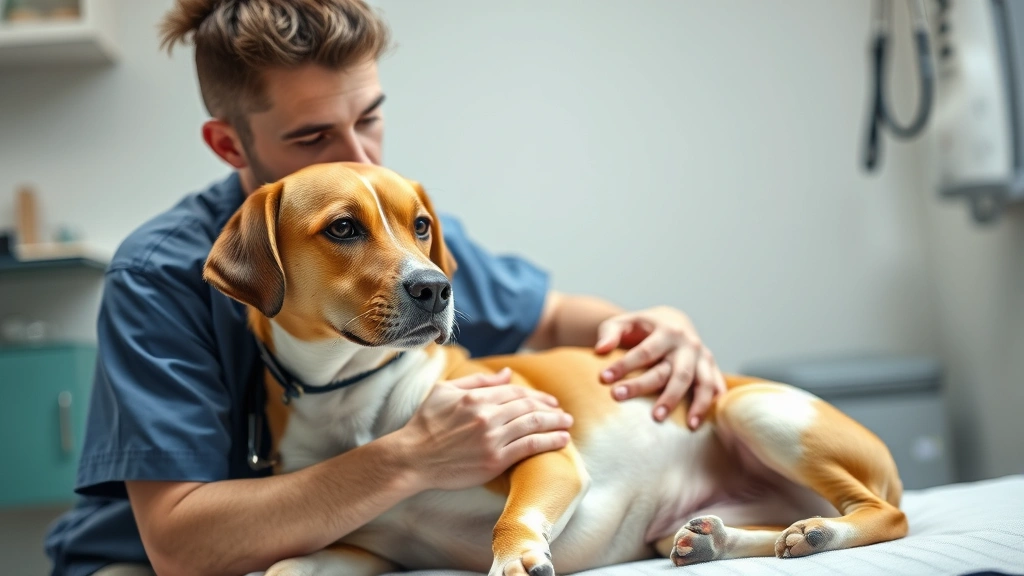
The first step isn’t training—it’s a vet visit. House soiling can indicate serious health problems like parasites, food allergies, inflammatory bowel disease, or digestive issues. PetMD recommends scheduling a veterinary exam before assuming it’s a behavioral issue.
Your vet can check for:
- Intestinal parasites
- Food sensitivities or allergies
- Inflammatory conditions
- Dietary deficiencies
- Age-related issues (senior dogs have different needs)
Once medical issues are ruled out, you can focus on behavioral and environmental solutions. Many cases resolve completely once you identify and fix the underlying cause.
Solution #1: Fix the Diet and Digestive Health
What goes in directly affects what comes out. Dogs with poor digestion, food allergies, or inconsistent diets are more prone to accidents. Start by evaluating your dog’s current food.
Consider:
- High-quality protein sources: Look for named meat sources, not by-products
- Consistent feeding schedule: Feed at the same times daily so you can predict bathroom breaks
- Appropriate fiber levels: Too much or too little can cause issues
- Digestive support: Canned pumpkin for dogs can help regulate digestion naturally
Many owners see dramatic improvements just by switching to a higher-quality diet or addressing food sensitivities. Pet nutrition advice from your vet can help identify the best food for your specific dog.
Solution #2: Establish a Consistent Potty Schedule
Dogs are creatures of habit. A predictable bathroom schedule prevents accidents and teaches your dog when and where elimination is appropriate. Here’s what works:
- Take your dog out first thing in the morning
- After meals (usually 15-30 minutes)
- After playtime or exercise
- Before bedtime
- Mid-day if you’re gone for long periods
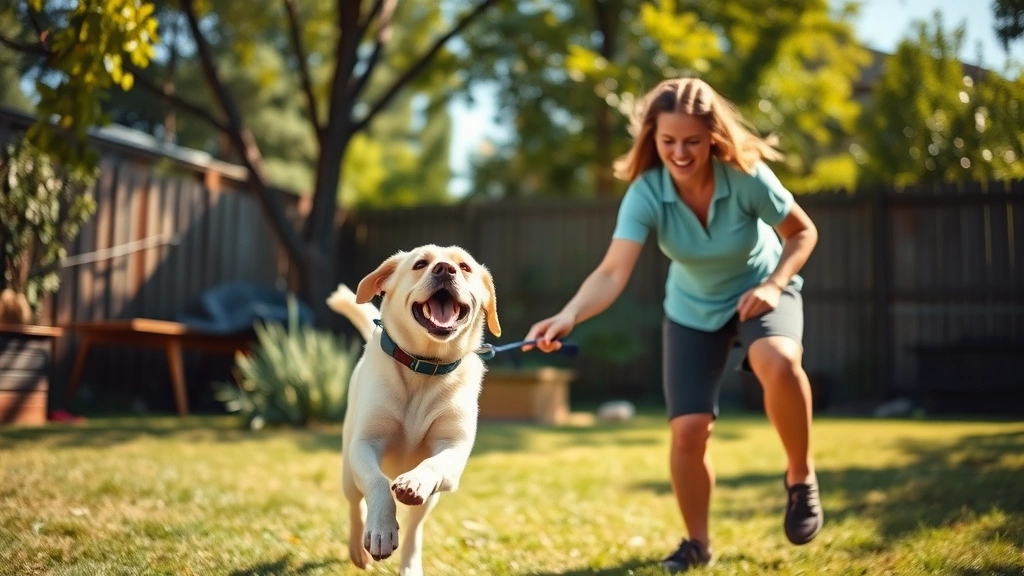
Puppies need more frequent breaks (every 2-3 hours). Senior dogs may need additional trips. When your dog eliminates outside, celebrate with praise and treats. This positive reinforcement teaches them that outside is the right place.
Solution #3: Address Anxiety and Stress-Related Issues
Anxiety is a massive trigger for house soiling. Dogs with separation anxiety, noise phobias, or general stress are more likely to have accidents. Calming foods for anxious pets can help, but you may also need to:
- Create a safe space (crate training, designated room)
- Use calming supplements or pheromone diffusers
- Practice desensitization to triggers
- Consider professional training help
- Ensure adequate exercise (a tired dog is a well-behaved dog)
If your dog only poops in the house during thunderstorms or when you leave, anxiety is likely the culprit. Working with a certified animal behaviorist can make a huge difference.
Solution #4: Proper Crate Training and Confinement
Crate training isn’t punishment—it’s a tool that leverages a dog’s natural instinct not to soil their sleeping area. When used correctly, crate training:
- Prevents unsupervised accidents
- Establishes a routine
- Provides a safe space
- Helps teach bladder control
The crate should be appropriately sized (dog can stand, turn around, lie down). Never use it as punishment. When you let your dog out, take them immediately to the potty area. This builds the habit loop: crate → outside → bathroom → praise.
Solution #5: Clean Accidents Properly to Break the Cycle
This is critical: if your dog can still smell their previous accidents, they’ll return to that spot. Use enzymatic cleaners specifically designed for pet urine and feces. Regular cleaners don’t break down the biological markers that dogs follow.
Steps:
- Clean the area thoroughly with enzymatic cleaner
- Let it sit for the recommended time
- Rinse completely
- Consider blocking access to problem areas temporarily
- Place a potty pad or outdoor bathroom area nearby if possible
When to Call the Vet: Red Flags You Shouldn’t Ignore
Contact your veterinarian immediately if your dog shows:
- Sudden changes in bathroom habits
- Diarrhea or constipation lasting more than a day
- Signs of pain or straining
- Lethargy or loss of appetite
- Frequent accidents despite house training
When to call the vet about food also applies here—digestive issues often stem from dietary problems that need professional evaluation.
The Role of Anti-Inflammatory Support
Chronic inflammation in the digestive tract can cause urgency and accidents. Anti-inflammatory foods for pets may help reduce intestinal inflammation and improve bowel control. Work with your vet to identify whether your dog might benefit from anti-inflammatory dietary adjustments or supplements.
Putting It All Together: Your Action Plan
Stop thinking about how to punish dogs for pooping in house. Instead, follow this proven approach:
- Week 1: Schedule a vet exam to rule out medical issues
- Week 1-2: Evaluate and potentially adjust your dog’s diet
- Ongoing: Establish a consistent potty schedule
- Ongoing: Use positive reinforcement when your dog eliminates outside
- As needed: Address anxiety with appropriate tools and training
- Immediately: Clean accidents with enzymatic cleaner
Most dogs see improvement within 2-4 weeks once you identify and address the underlying cause. Patience, consistency, and positive reinforcement work far better than punishment ever could.
Frequently Asked Questions
What’s the fastest way to stop a dog from pooping in the house?
The fastest solution is identifying the root cause. If it’s medical, treatment provides quick relief. If it’s behavioral, establishing a consistent potty schedule combined with positive reinforcement typically shows results within 2-3 weeks. Patience beats punishment every time.
Can anxiety cause dogs to poop in the house?
Absolutely. Separation anxiety, noise phobias, and general stress are common triggers for inappropriate elimination. Dogs with anxiety often can’t control their bowels when stressed. Addressing the anxiety through training, environmental changes, and sometimes supplements or medication is essential.
How long does it take to housetrain a dog?
Most puppies can be reliably housetrained by 4-6 months with consistent training. Adult dogs typically take 2-4 weeks once you establish a routine. Some dogs take longer due to anxiety, medical issues, or previous negative experiences. Consistency is more important than speed.
Should I punish my dog for accidents?
No. Punishment is ineffective and harmful. Dogs can’t connect punishment with past actions, so they just learn to fear you. This increases anxiety and often makes accidents worse. Focus on prevention, positive reinforcement, and identifying the underlying cause instead.
Is crate training cruel?
When done correctly, crate training is humane and beneficial. Dogs naturally avoid soiling their sleeping area, making a properly-sized crate a powerful housetraining tool. The key is making the crate positive—never use it as punishment, and ensure your dog gets plenty of time outside the crate for exercise and socialization.
Final Thoughts: It’s About Understanding, Not Punishment
Your dog isn’t trying to upset you. House soiling is always a signal that something needs attention—whether that’s a medical issue, dietary adjustment, anxiety management, or training consistency. By addressing the actual problem instead of resorting to punishment, you’ll solve the issue faster and strengthen your bond with your dog.
Remember: a happy, healthy dog with a secure relationship with their owner is far less likely to have accidents. That’s the real solution.





