
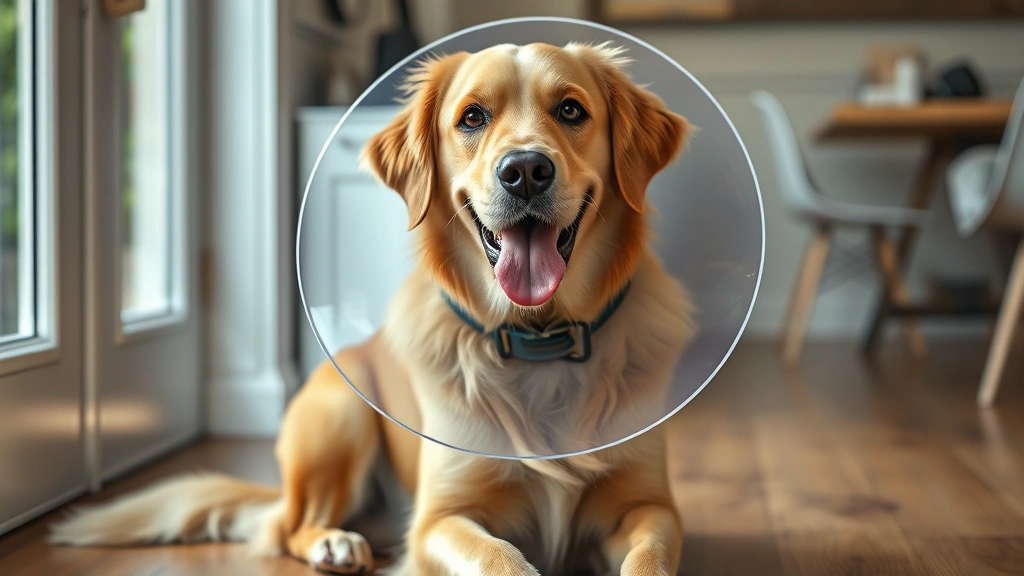
Learning how to put a cone on a dog might seem like wrestling a greased pig, but it doesn’t have to be a full-contact sport. Whether your pup just had surgery, got into a fight with the neighbor’s cat, or decided to turn their tail into a chew toy, the cone (also called an Elizabethan collar or E-collar) is your best friend for keeping them from making things worse. Let’s break this down into manageable steps that’ll have your dog coned up faster than you can say “cone of shame.”
Table of Contents
- Why Your Dog Needs a Cone in the First Place
- Step 1: Choose the Right Size Cone for Your Dog
- Step 2: Gather Your Supplies and Create a Calm Environment
- Step 3: Introduce the Cone Slowly and Positively
- Step 4: The Actual Application—The Moment of Truth
- Step 5: Monitor, Adjust, and Reward Like Crazy
- Alternative Cone Options and Modern Solutions
- Common Mistakes People Make When Putting on a Cone
- Helping Your Dog Adjust to Cone Life
- When to Call the Vet About Cone Issues
- Tips for Cone Success: Real-World Strategies
- Frequently Asked Questions
- Final Thoughts: You’ve Got This
Why Your Dog Needs a Cone in the First Place
Before we dive into the mechanics, let’s talk about why vets recommend these plastic torture devices. Dogs are basically furry toddlers with zero impulse control. After surgery or injury, they’ll lick, chew, and scratch at their wounds like their life depends on it—which is exactly why it might. A cone prevents E-collar training situations and keeps your dog from undoing all that expensive vet work. It’s not punishment; it’s protection. Your dog might hate you for 10 days, but they’ll thank you when they’re fully healed.
Step 1: Choose the Right Size Cone for Your Dog
This is crucial and often overlooked. A cone that’s too small won’t protect the wound; a cone that’s too large becomes a battering ram. Measure your dog’s neck and the length of their snout. Most cones come in sizes for tiny breeds all the way up to giant dogs. Your vet probably gave you a specific size recommendation—follow it. If you’re buying one yourself, check the packaging carefully. A poorly fitting cone is like trying to wear someone else’s glasses; it just doesn’t work.
Step 2: Gather Your Supplies and Create a Calm Environment
Don’t just ambush your dog with a cone. Set yourself up for success by gathering treats, having a helper if possible, and choosing a quiet space. Your dog is already stressed from their injury or surgery—don’t add chaos to the mix. Some dogs respond better to cone fitting techniques when they’re calm and in familiar surroundings. Have high-value treats ready (check our Pet Nutrition Advice for safe options), and make sure your dog has recently gone to the bathroom.
Step 3: Introduce the Cone Slowly and Positively
This is where patience pays off. Don’t immediately snap it on their head like you’re putting on a helmet. Let your dog sniff and investigate the cone first. Let them see it’s not a monster. Some people even let their dog wear it for a few seconds without fastening it, just to get used to the feel. Positive reinforcement is key here—every interaction with the cone should involve treats and praise. Make your dog think the cone is basically a gateway to snack town.
Step 4: The Actual Application—The Moment of Truth
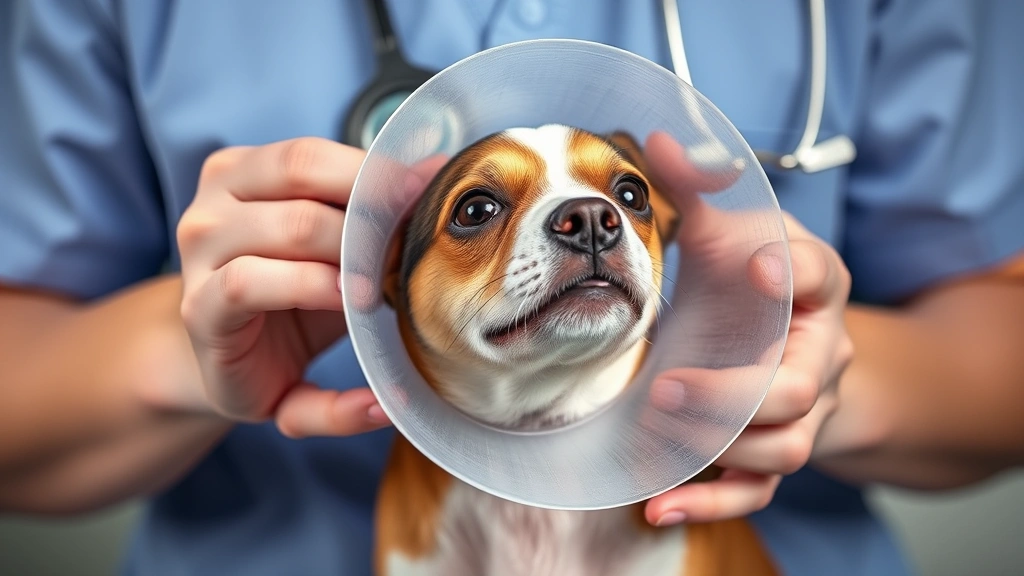
Okay, here’s where how to put a cone on a dog becomes a real skill. Hold the cone in one hand and gently guide your dog’s head through the opening. Most cones are flexible enough to slip over a dog’s snout. Work slowly—rushing this step is where most people run into trouble. Once the cone is on, quickly fasten the straps or velcro at the back of their neck. Make sure it’s snug enough that they can’t slip it off, but not so tight that they can’t breathe or swallow comfortably. You should be able to fit one finger between the cone and their neck.
Step 5: Monitor, Adjust, and Reward Like Crazy
The cone is on—congrats! Now comes the hard part: keeping it there. Your dog will immediately try every trick in their arsenal to remove it. They’ll shake their head, try to paw it off, and give you those devastating puppy dog eyes. Stay strong. Reward them heavily for wearing it without complaint. Take them outside, let them play (carefully), and maintain their normal routine as much as possible. Check the fit regularly over the first few days; sometimes swelling goes down and the cone becomes loose.
Alternative Cone Options and Modern Solutions
If your dog is absolutely losing their mind with a traditional plastic cone, there are alternatives. Soft cones made from fabric are less intimidating and more comfortable, though some determined dogs can still breach them. There are also inflatable cones that look like a donut around their neck—less cone-like, more ridiculous, but sometimes more tolerable. Some vets now recommend recovery collar alternatives that are easier on your pup’s mental health. Ask your vet which option is appropriate for your dog’s specific injury or surgery.
Common Mistakes People Make When Putting on a Cone
Let’s talk about what NOT to do. First, don’t make it a traumatic event by chasing your dog around the house. Second, don’t put the cone on too tight—this causes neck irritation and makes your dog miserable. Third, don’t assume your dog can navigate stairs or doorways without practice; they’ll misjudge distances constantly. Fourth, don’t leave them unsupervised near other pets initially; cones can get caught on things. Finally, don’t give up if they struggle at first. Most dogs adjust within a few days.
Helping Your Dog Adjust to Cone Life
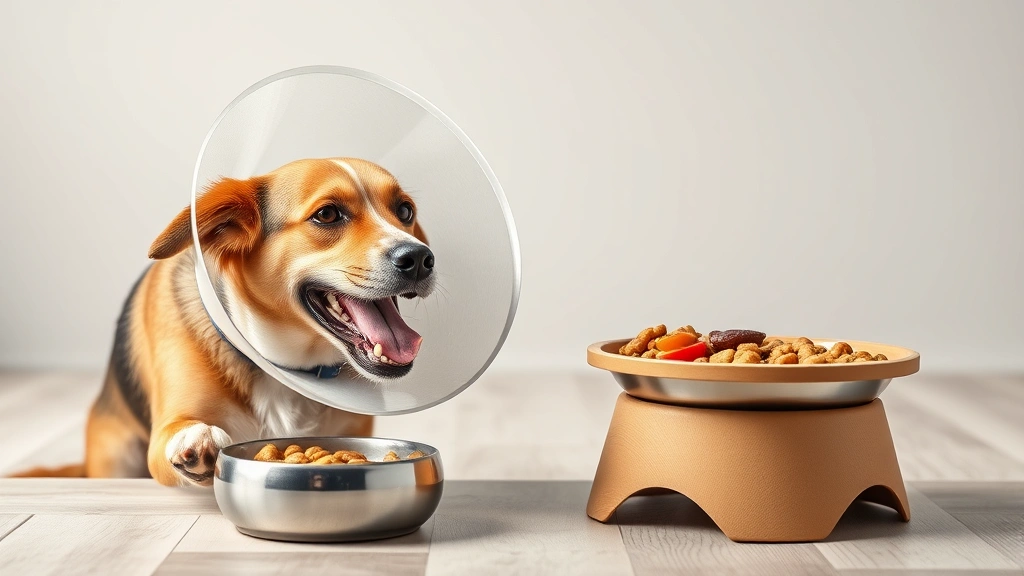
The adjustment period is real. Your dog might refuse to eat, walk backward constantly, or just sit and stare at you with maximum guilt. This is temporary. Keep meals and water bowls elevated so they don’t have to bend as far. Use a Virtual Pet Checkup if you’re concerned about their eating habits during recovery. Take them outside on a leash for bathroom breaks until they get used to the cone’s dimensions. Most dogs figure out how to navigate their world in 2-3 days. In the meantime, give them extra attention and reassurance—they’re healing, and that’s the priority.
When to Call the Vet About Cone Issues
If your dog is showing signs of distress beyond normal cone grumpiness, contact your vet. Red flags include excessive drooling, difficulty breathing, inability to eat or drink, or signs of self-injury from trying to remove the cone. If the cone is rubbing and causing hair loss or skin irritation, it might need adjustment. Your vet can also provide Emergency Vet services if something goes wrong during recovery. Don’t wait and hope it gets better—these issues can escalate quickly.
Tips for Cone Success: Real-World Strategies
Here’s what actually works: keep your dog’s routine as normal as possible, use the cone as a cue for treat time, and don’t let them see you getting frustrated. Some dogs respond well to wearing the cone for short periods initially, then gradually extending the time. Others do better with it on 24/7 from day one. Watch your individual dog and adjust accordingly. Keep their mind occupied with puzzle toys and sniff games. Boredom makes the cone feel worse. And remember, this is temporary—in a week or two, you’ll be removing this thing and your dog will act like they’ve been freed from prison.
Frequently Asked Questions
How long does a dog need to wear a cone?
Most dogs wear cones for 10-14 days after surgery, but it depends on the procedure. Some minor injuries might only need a few days, while major surgeries could require 3-4 weeks. Always follow your vet’s specific instructions for your dog’s situation.
Can my dog sleep with a cone on?
Yes, most dogs can sleep with a cone on, though they might be uncomfortable at first. Some vets recommend removing the cone while your dog sleeps under supervision if they’re in a safe, confined space. Ask your vet what’s best for your dog’s specific injury.
Will my dog’s hair fall out from wearing a cone?
Minor hair loss where the cone rubs is normal, but excessive hair loss or skin irritation isn’t. If you notice this, contact your vet about adjusting the fit or trying a different type of cone. Check our Bland Diet Recipes for Sick Pets to ensure they’re getting proper nutrition during recovery.
What if my dog won’t eat with the cone on?
Elevate their food and water bowls, and give them time to adjust. Most dogs figure it out within a day or two. If they’re still refusing food after 24 hours, contact your vet—they might need to adjust the cone or provide additional support.
Can I take the cone off for short periods?
Only if your vet specifically approves it and you’re supervising closely. Most vets recommend keeping it on 24/7 during recovery because that’s when dogs are most tempted to lick or chew their wounds—usually when you’re not looking.
Final Thoughts: You’ve Got This
Learning how to put a cone on a dog is a skill every pet owner eventually needs. Yes, your dog will hate you for a few days. Yes, they’ll look ridiculous bumping into furniture. Yes, you’ll question whether this plastic contraption is worth the drama. But here’s the thing: that cone is doing its job, protecting your pup’s healing wound from their own self-destructive impulses. In two weeks, when your dog is fully healed and living their best life, you’ll be glad you stuck it out. Stay patient, stay consistent, and remember—this too shall pass.





