
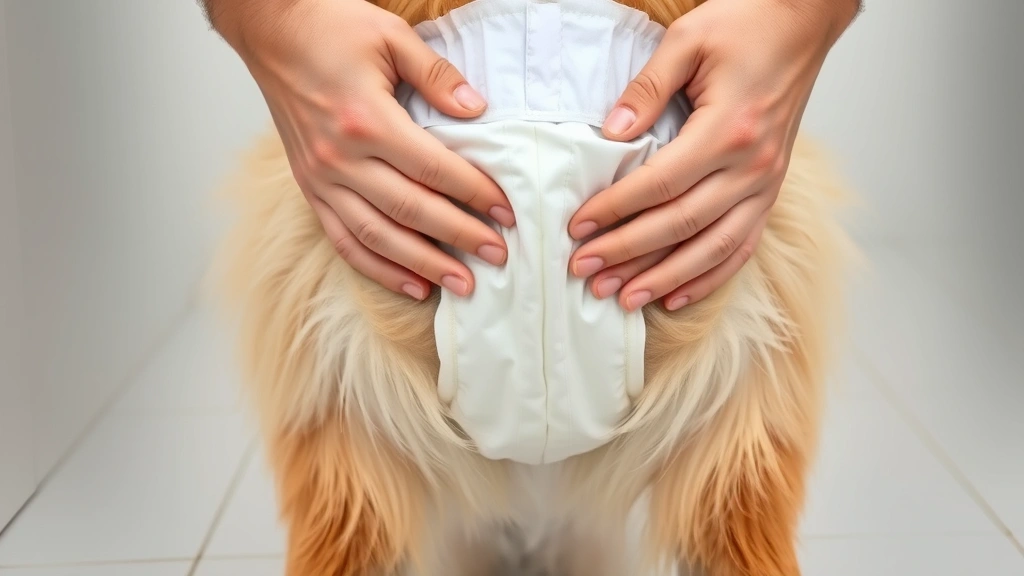
Learning how to put on dog diapers might seem awkward at first, but it’s actually one of the most practical skills you can master as a pet parent. Whether your senior dog is dealing with incontinence, your pup is recovering from surgery, or you’re managing a female dog in heat, dog diapers are a game-changer. The good news? Once you nail the technique, you’ll be fastening those things like a pro in under a minute.
Table of Contents
- Why Your Dog Might Need Diapers
- Choosing the Right Size and Type of Dog Diaper
- Step 1: Gather Your Supplies and Prepare Your Dog
- Step 2: Position the Diaper Correctly Under Your Dog
- Step 3: Fasten the Sides Securely
- Step 4: Check the Fit and Make Adjustments
- Step 5: Reward Your Dog and Monitor Throughout the Day
- Tips for Success with Dog Diapers
- Common Mistakes to Avoid When Putting on Dog Diapers
- When to Change Your Dog’s Diaper
- Maintenance and Hygiene Tips
- Frequently Asked Questions
- Conclusion: You’ve Got This
Why Your Dog Might Need Diapers
Before we dive into the how-to, let’s talk about the why. Dogs need diapers for various reasons—senior dogs experiencing age-related incontinence, puppies still in the potty-training phase, females in heat, or pups recovering from medical procedures. Understanding your dog’s specific situation helps you choose the right diaper type and size. Some dogs wear them temporarily, while others might need them long-term. Either way, it’s nothing to feel embarrassed about; it’s just responsible pet care.
Choosing the Right Size and Type of Dog Diaper
Getting the fit right is absolutely crucial. A diaper that’s too loose will leak everywhere, while one that’s too tight will be uncomfortable and restrict your pup’s movement. Most dog diapers come in sizes ranging from extra-small to extra-large, typically measured by your dog’s weight. Check the packaging carefully—it usually lists weight ranges. You’ll also find different styles: disposable diapers (convenient but pricier), washable cloth diapers (eco-friendly and reusable), and belly bands for male dogs. Proper fitting is as important as choosing quality accessories, so don’t skip this step. For senior dogs with mobility issues, you might prefer adjustable cloth diapers that are easier to manage.
Step 1: Gather Your Supplies and Prepare Your Dog
Success starts with preparation. Before you attempt to put on a dog diaper, gather everything you need: the diaper itself, treats for positive reinforcement, and maybe a towel if you’re worried about accidents. Have your pup sit or stand on a comfortable, non-slip surface—a bathroom tile or grooming mat works great. Give your dog a quick bathroom break beforehand; there’s nothing worse than a freshly diapered pup immediately needing to go out. Keep some high-value treats handy because you’re about to make this a positive experience. Talk to your dog in a calm, encouraging voice throughout the process. Dogs pick up on your energy, so if you’re anxious, they will be too.
Step 2: Position the Diaper Correctly Under Your Dog
This is where technique matters. Have your dog stand still (or sit if they’re small enough) and gently lift their rear end slightly. Slide the diaper underneath your pup from front to back, positioning it so the absorbent part sits directly under their rear and belly. The diaper should sit snugly against their body without bunching. For female dogs, make sure the front opening aligns with their belly—you want the diaper to catch everything. If you’re using a disposable diaper, you’ll notice it has a sticky tab system. For cloth diapers, you’ll be working with velcro or snap closures. Take your time here; rushing leads to misalignment and leaks.
Step 3: Fasten the Sides Securely
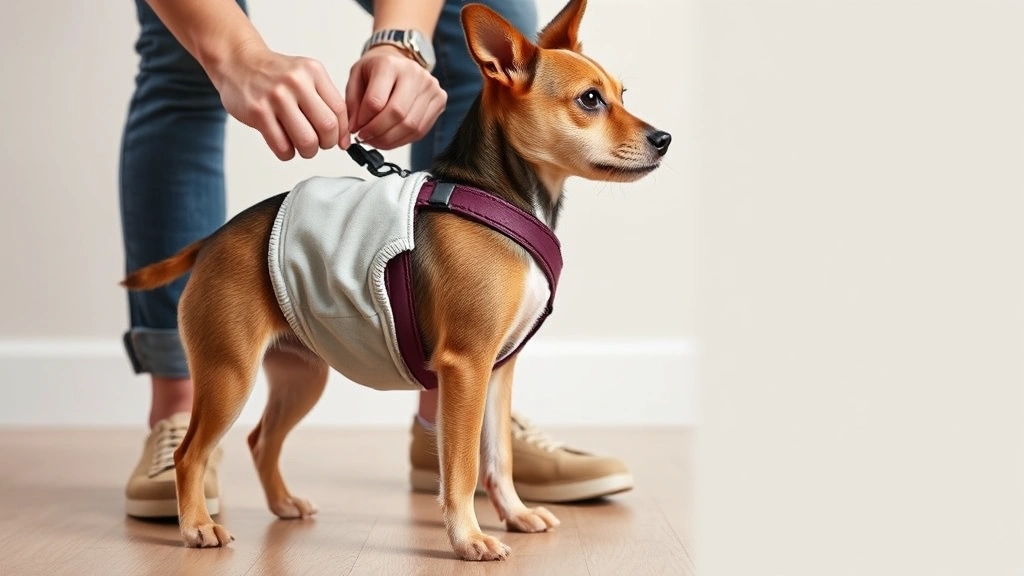
Now comes the actual fastening. If you’re using a disposable diaper with adhesive tabs, peel back the sticky strips and press them firmly onto the outer side of the diaper, pulling snugly but not aggressively. The goal is a secure fit that doesn’t cut off circulation. You should be able to fit one finger comfortably between the diaper and your dog’s skin—that’s your sweet spot. For cloth diapers with velcro, press the velcro strips firmly onto the sides. Make sure both sides are equally tight; an uneven fit will cause the diaper to shift and leak. Some diapers have multiple fastening points, so check all of them. This is where a lot of people mess up, so take an extra moment to ensure everything is snug.
Step 4: Check the Fit and Make Adjustments
Before you celebrate, do a fit check. Run your fingers around the leg holes and waistband to make sure there are no gaps where liquid could escape. Have your dog stand up and move around a bit—walk them a few steps to see if the diaper stays in place. Watch for any bunching or twisting. If something doesn’t feel right, adjust immediately. It’s much easier to fix the fit now than to deal with a leak in five minutes. Pay special attention to the rear opening; you want enough room for your dog to poop without the diaper blocking it, but not so much that urine escapes. This balance takes practice, so don’t get discouraged if your first attempt isn’t perfect.
Step 5: Reward Your Dog and Monitor Throughout the Day
The moment that diaper is secure, shower your pup with praise and treats. You’re building a positive association with the diaper-wearing experience, which makes future diaper changes infinitely easier. Seriously, go overboard with the celebration—your dog just did something uncomfortable for you, so they deserve it. Now comes the monitoring phase. Check the diaper every 2-4 hours, depending on your dog’s incontinence level and how much they’re drinking. Prolonged moisture against the skin can cause irritation and infections, so don’t leave a soiled diaper on for hours. Proper hydration is important for your dog’s health, so don’t restrict water intake just to reduce diaper changes. Instead, plan for more frequent changes. If your dog shows signs of discomfort, redness, or excessive scratching, remove the diaper and let their skin breathe for a bit.
Tips for Success with Dog Diapers
Here’s where I share the secrets that separate diaper-changing pros from frustrated pet parents. First, always have backup diapers on hand—you’ll go through them faster than you expect. Second, consider using diaper creams designed for dogs to prevent rash and irritation, similar to what you’d use for a baby. Third, establish a routine. If you change diapers at the same times each day, your dog will anticipate it and cooperate better. Fourth, never scold your dog for accidents or for having incontinence issues—this isn’t their fault, and punishment will only create anxiety. Fifth, if you’re using cloth diapers, invest in a good washing routine to prevent bacterial growth and odors. Just like with nutrition choices, consistency with diaper care pays off in the long run.
Common Mistakes to Avoid When Putting on Dog Diapers
Let’s talk about what NOT to do. Don’t assume your dog’s current collar size means you know their diaper size—measure them properly. Don’t fasten the diaper too tightly; this cuts off circulation and causes discomfort. Don’t leave a soiled diaper on for extended periods; this leads to infections and skin problems. Don’t try to force a diaper onto a panicked dog; take breaks and use positive reinforcement. Don’t reuse disposable diapers; they lose their effectiveness after one use. Don’t ignore signs of allergic reactions or rashes. And don’t feel guilty about using them—your dog doesn’t have the same shame response humans do, and they’re much happier staying clean and dry than having accidents all over your house.
When to Change Your Dog’s Diaper
Frequency depends on several factors: your dog’s incontinence severity, how much water they’re drinking, and whether they’ve had a bowel movement. As a general rule, change diapers every 2-4 hours during the day and before bedtime. Some senior dogs might need changes every 2-3 hours, while others with mild incontinence might go longer. Pay attention to your individual dog’s patterns. You’ll develop an instinct for when a change is needed. If you’re at work all day, consider hiring a dog walker or pet sitter to do a midday change, or use absorbent pads in your dog’s bed as backup. Many pet owners find that having a set schedule—like changes after meals, after walks, and before bed—works best for everyone involved.
Maintenance and Hygiene Tips
Keeping your dog clean and healthy while wearing diapers requires diligence. Always wash your hands before and after diaper changes to prevent spreading bacteria. Gently clean your dog’s genital area with warm water or pet wipes during each change. Allow air exposure between diaper changes when possible—let your pup go diaper-free for 15-30 minutes in a safe space to let their skin breathe. Check for signs of urinary tract infections, which are more common in dogs wearing diapers. Symptoms include frequent urination, straining, or blood in the urine. If you notice anything unusual, contact your vet immediately. Keeping your dog healthy involves preventive care in all areas, and diaper hygiene is no exception. Some vets recommend supplementing with probiotics or cranberry supplements to support urinary health in dogs wearing diapers long-term.
Frequently Asked Questions
How long can a dog wear a diaper?
Dogs shouldn’t wear diapers for more than 4-6 hours at a time without a break. Prolonged diaper use can lead to skin irritation, rashes, and urinary tract infections. Plan for regular changes and allow diaper-free time when possible, especially during nighttime if your dog is wearing them 24/7.
Can I use human diapers on my dog?
While some pet parents have done this in emergencies, human diapers aren’t ideal for dogs. They’re not designed for a dog’s anatomy, fit poorly, and often contain chemicals or fragrances that might irritate your pup’s skin. Dog-specific diapers are worth the investment.
Will wearing diapers make my dog more incontinent?
No, wearing diapers doesn’t cause or worsen incontinence. This is a common misconception. Diapers are a management tool, not a cause. However, some dogs might become dependent on them if worn constantly without bathroom breaks, so try to maintain regular potty training habits even while using diapers.
What’s the difference between male and female dog diapers?
Female dog diapers have a larger absorbent area in the rear and center to catch urine. Male dog diapers, often called belly bands, wrap around the torso and are designed to catch urine that comes from the front. Some unisex styles work for both, but gender-specific options tend to fit better.
How do I prevent diaper rash in dogs?
Change diapers frequently (every 2-4 hours), keep the area clean and dry, use pet-safe diaper rash cream, and allow air exposure between changes. If rash develops, consult your vet about medicated creams or dietary adjustments that might help.
Are washable dog diapers better than disposable ones?
Both have pros and cons. Disposables are convenient but create waste and cost more long-term. Washable diapers are eco-friendly and economical but require consistent washing and drying. Choose based on your lifestyle and budget. Many pet parents use disposables during the day and washables at night.
Conclusion: You’ve Got This
Learning how to put on dog diapers is genuinely easier than it seems once you break it down into these five essential steps. Start with proper sizing, position the diaper correctly, fasten securely, check your work, and reward your pup. The first few times might feel awkward, but by your tenth diaper change, you’ll be a pro. Remember, you’re doing this out of love for your dog—whether they’re a senior pup dealing with incontinence, a post-surgery recovery patient, or a female in heat. Your dog doesn’t judge you for using diapers; they’re just grateful to stay clean and comfortable. Be patient with yourself and your pup, establish a routine, and don’t hesitate to reach out to your vet if you have concerns about fit, skin health, or your dog’s overall comfort. Happy diaper-changing!





