

Knowing how to rehydrate a dog could literally be the difference between life and death. Dehydration in dogs sneaks up faster than you’d think, and it’s way more serious than just a pup being a little thirsty. Whether your furry friend got overheated at the park, suffered from vomiting, or simply refuses to drink water during hot weather, understanding the right rehydration techniques is essential for every pet parent.
Table of Contents
- Why Dog Dehydration Is Actually Terrifying
- Method 1: Fresh Water Is Your First Line of Defense
- Method 2: Hydrating Foods and Broths
- Method 3: Electrolyte Solutions Designed for Dogs
- Method 4: Ice Chips and Popsicles (The Sneaky Approach)
- Method 5: Subcutaneous Fluids (When Professional Help Is Needed)
- Recognizing When Dehydration Becomes an Emergency
- Prevention: The Best Medicine
- Special Considerations for Different Dog Types
- Frequently Asked Questions
- Summary: You’ve Got This
Dogs lose fluids constantly through panting, urination, and even just existing in warm weather. When that fluid loss outpaces their intake, dehydration sets in—and it can escalate to dangerous levels in hours, not days. The good news? You’ve got multiple proven methods to get your dog back to optimal hydration levels, and we’re breaking down all five of them right here.
Why Dog Dehydration Is Actually Terrifying
Before we jump into solutions, let’s talk about why this matters so much. A dehydrated dog isn’t just uncomfortable—they’re in real danger. Dehydration affects everything: blood circulation, organ function, temperature regulation, and nutrient transport. Severe dehydration can lead to organ failure, shock, and death.
Signs your dog needs immediate rehydration include excessive panting, dry gums, lethargy, sunken eyes, loss of skin elasticity (do the skin tent test—pinch the skin on their neck and see if it snaps back quickly), and reduced urination. If you notice any of these red flags, don’t wait around. Act now.

Method 1: Fresh Water Is Your First Line of Defense
This sounds obvious, but you’d be surprised how many people don’t get this right. Fresh, clean water is literally your most powerful tool for rehydrating a dehydrated dog. The key word here is “fresh”—water that’s been sitting in a bowl all day doesn’t cut it.
Offer water frequently in small amounts rather than one giant bowl. Think of it like this: if your dog chugs a huge amount at once after being dehydrated, they might vomit it right back up. Small, frequent sips work better. Every 15-20 minutes, offer a small amount—maybe a quarter cup for small dogs, half cup for medium dogs, and up to a cup for large breeds. You’re essentially coaching their body back to hydration gradually.
Make the water more appealing by slightly cooling it (not ice cold—that can shock their system). Some dogs respond better to running water from a fountain, so if your pup ignores a bowl, try a pet water fountain. It’s not just cute; it actually works.

Method 2: Hydrating Foods and Broths
Here’s where things get creative. You can supplement water intake with hydrating foods. Check out our guide on hydrating human foods for pets to see which options are safe for your specific dog.
Bone broth (unsalted, no onions or garlic) is a game-changer. Dogs love it, and it provides both hydration and electrolytes. You can make it yourself or buy pet-safe versions. Offer it at room temperature or slightly warm—not hot enough to burn their mouth.
Other hydrating options include:
- Plain pumpkin puree (also helps with digestion)
- Watermelon (seedless, no rind)
- Cucumber slices
- Low-sodium chicken or beef broth
- Plain yogurt (in small amounts)
These foods can make up about 10-15% of their daily fluid intake during rehydration efforts, but water should still be the primary source. If your dog has a sensitive stomach or recent food reactions, consult our article on human foods for pets with sensitive stomachs first.
Method 3: Electrolyte Solutions Designed for Dogs
When dehydration is moderate to severe, plain water sometimes isn’t enough. Your dog’s body needs electrolytes—sodium, potassium, and chloride—to properly absorb and retain fluids. This is where pet-specific electrolyte solutions come in.
Products like Pedialyte (unflavored, no xylitol) or veterinary-formulated electrolyte drinks are designed to rehydrate faster than water alone. They’re particularly useful if your dog has been vomiting, had diarrhea, or experienced heat exhaustion. Follow the dosing instructions on the product, and offer it in the same small, frequent amounts as water.
Never give your dog human sports drinks like Gatorade—they contain too much sugar and artificial ingredients that can upset a dog’s stomach. Stick to products specifically formulated for pets or consult your vet about which electrolyte solution is best for your situation.
Method 4: Ice Chips and Popsicles (The Sneaky Approach)
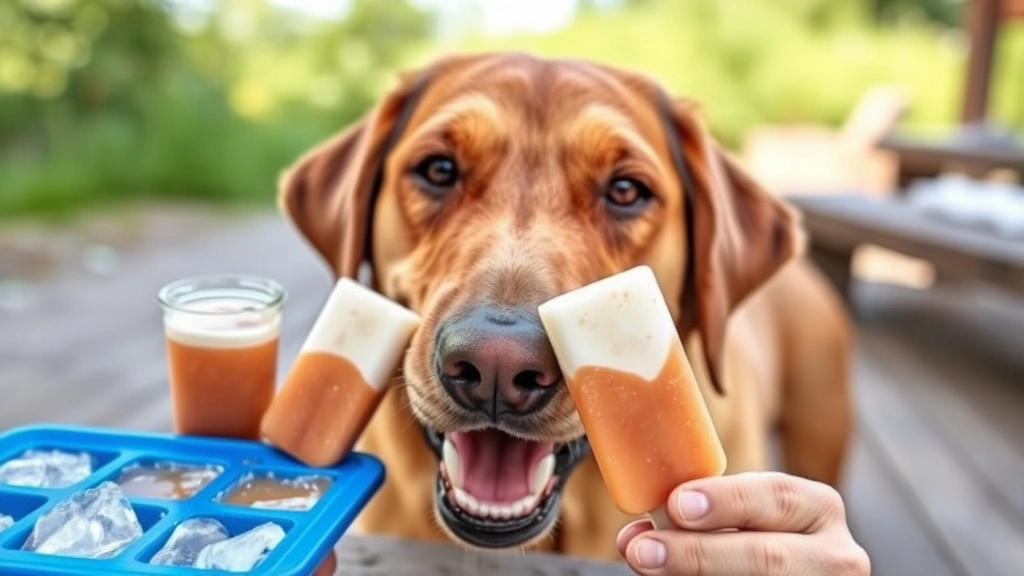
Some dogs are stubborn and refuse to drink water, even when they desperately need it. Enter the ice chip strategy. Many dogs find ice chips irresistible because they’re fun to crunch and they’re cold. Offer ice chips or small pieces of ice throughout the day.
You can also make dog-safe popsicles by freezing bone broth, diluted coconut water (unsweetened), or water with a tiny bit of dog-safe fruit juice in ice cube trays. These frozen treats deliver hydration in a form your pup might actually enjoy. It’s a win-win: they think they’re getting a treat, and you’re getting fluids into them.

Just monitor the amount—too much ice can cause brain freeze or upset their stomach, and it shouldn’t replace regular water intake long-term.
Method 5: Subcutaneous Fluids (When Professional Help Is Needed)
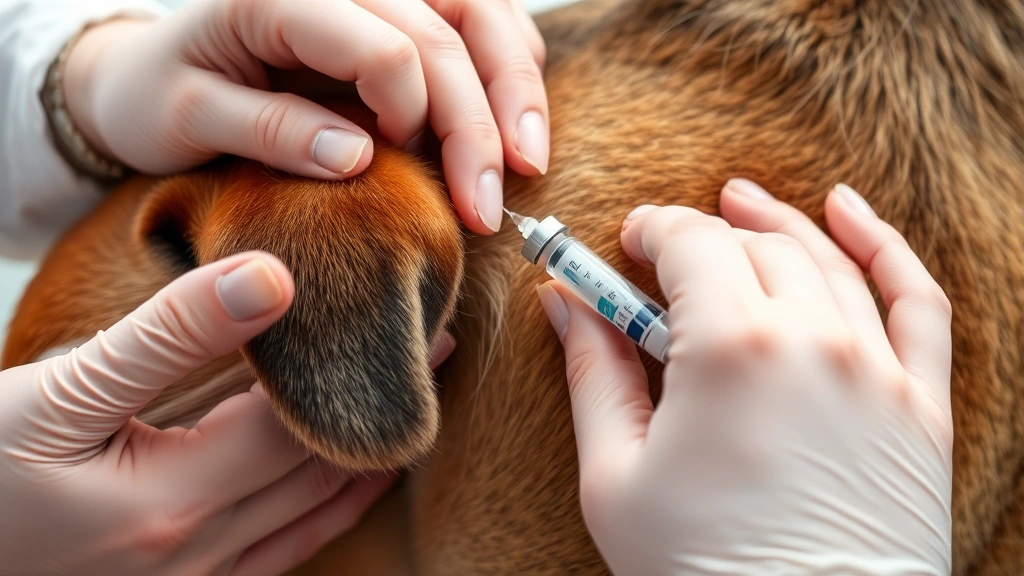
If your dog is severely dehydrated and won’t drink, or if oral rehydration isn’t working fast enough, it’s time to call the vet. Subcutaneous fluid therapy—where fluids are injected under the skin—is a legitimate medical intervention that works incredibly fast.
Your vet will administer fluids (usually saline solution) under the skin, where they’re absorbed gradually into the bloodstream. This method bypasses the digestive system entirely, making it perfect for dogs with vomiting or severe dehydration. Some vets even teach pet parents how to administer subcutaneous fluids at home for ongoing cases.

This isn’t something to attempt yourself without training, but it’s absolutely worth knowing about. If your dog shows severe dehydration signs, when to call the vet about food applies to hydration emergencies too—don’t hesitate to reach out to your veterinarian or emergency clinic.
Recognizing When Dehydration Becomes an Emergency
Here’s the hard truth: some dehydration situations need professional help immediately. If your dog shows any of these signs, get to a vet NOW (not in an hour, not tomorrow):
- Severe lethargy or collapse
- Rapid or weak pulse
- Pale or blue-tinged gums
- Unresponsiveness
- Continuous vomiting or diarrhea
- Signs of heat stroke (excessive panting, drooling, confusion)
- Inability to stand
Dehydration often accompanies other serious conditions like heat stroke, poisoning, or gastroenteritis. If you’re unsure whether your dog needs emergency care, call your vet or an emergency clinic. They can assess your dog’s hydration status (vets check capillary refill time and skin turgor) and determine the best course of action. For poisoning cases, our guide on telehealth advice for pet poisoning might help you get quick professional guidance.
Prevention: The Best Medicine
Now that you know how to rehydrate a dog, let’s talk about preventing dehydration in the first place. This is honestly easier than dealing with the crisis.
Provide constant access to fresh water. Seriously, this should be non-negotiable. Change water bowls at least twice daily, and more often in hot weather. Use multiple water stations around your home so your dog always has nearby access.
Monitor activity in heat. During hot weather or intense exercise, your dog loses fluids rapidly. Limit outdoor activities during peak heat hours (usually 10 AM to 4 PM), provide shade and water breaks frequently, and never leave your dog in a car—even with windows cracked.

Watch for health issues. Vomiting, diarrhea, and certain illnesses cause rapid fluid loss. If your dog has these symptoms lasting more than a few hours, contact your vet.
Consider hydrating foods. During hot months, adding moisture-rich foods to your dog’s diet helps maintain hydration. Just ensure they’re safe options from our safe human snacks for pets guide.
Special Considerations for Different Dog Types
Not all dogs have the same dehydration risk. Puppies and senior dogs are more vulnerable because they’re less efficient at regulating body fluids. Brachycephalic breeds (flat-faced dogs like Bulldogs and Pugs) overheat and dehydrate faster because they can’t cool themselves through panting as effectively. Dogs with certain health conditions like diabetes or kidney disease are also at higher risk.

If your dog falls into any of these categories, be extra vigilant about hydration. They may need more frequent water breaks and closer monitoring during warm weather. Discuss dehydration prevention strategies specific to your dog’s breed and health status with your vet.
Frequently Asked Questions
How quickly can a dog become dehydrated?
It depends on the cause and severity, but significant dehydration can develop in as little as 6-8 hours, especially in puppies, seniors, or small breeds. In cases of heat stroke or severe vomiting/diarrhea, dangerous dehydration can occur within 2-4 hours. This is why recognizing early signs and acting fast is critical.
Can I give my dog Pedialyte?
Yes, but only unflavored Pedialyte without xylitol (an artificial sweetener that’s toxic to dogs). Always check the label first. Pedialyte can be helpful for mild to moderate dehydration, but it shouldn’t replace water entirely. If your dog won’t drink anything, that’s a vet situation.
What’s the difference between dehydration and heat stroke?
Heat stroke is a medical emergency where your dog’s body temperature rises dangerously (above 104°F). Dehydration is fluid loss. They often occur together, but heat stroke is more immediately life-threatening. Heat stroke requires emergency cooling measures and immediate veterinary care, while mild dehydration can often be managed at home with increased water intake.
Should I use a syringe to force water into my dog’s mouth?
Only as a last resort for mild dehydration, and gently. Forcing fluids can cause aspiration (water going into the lungs instead of the stomach), which is dangerous. If your dog won’t drink voluntarily and shows signs of moderate to severe dehydration, this is a vet emergency—don’t try to force fluids yourself.
How do I know if my dog is rehydrating properly?
Good signs include: improved energy levels, moist gums, normal skin elasticity (skin returns to normal quickly when pinched), and return to normal urination. Your vet can confirm proper rehydration by checking capillary refill time and other clinical signs. If you’re not seeing improvement within a few hours of starting rehydration efforts, contact your vet.
Summary: You’ve Got This
Knowing how to rehydrate a dog puts you in control when dehydration strikes. Start with fresh water and small, frequent offerings. Escalate to hydrating foods, electrolyte solutions, or frozen treats if needed. For severe cases, subcutaneous fluids administered by a vet are the gold standard. Most importantly, recognize when professional help is necessary—don’t let pride or hesitation delay emergency care.
Dehydration is preventable through constant water access, careful monitoring during hot weather, and prompt attention to health issues like vomiting or diarrhea. Every dog deserves a hydrated, healthy life, and now you have the knowledge to make that happen. Your pup is lucky to have someone who cares enough to learn this stuff.





