
How to Relieve Constipation in Dogs: Vet Tips
If you’ve noticed your furry friend straining during bathroom breaks or going several days without a bowel movement, your dog might be dealing with constipation. This common digestive issue affects countless dogs and can be uncomfortable for our beloved pets. The good news is that constipation in dogs is often manageable with the right approach and understanding of what causes it.
Constipation occurs when your dog’s digestive system slows down, making it difficult for them to pass stool. While occasional constipation isn’t cause for panic, chronic cases can lead to more serious complications if left untreated. As responsible pet owners, knowing how to relieve constipation in dogs can help you quickly address this uncomfortable condition and get your pup back to normal.
In this comprehensive guide, we’ll explore evidence-based veterinary tips, home remedies, dietary adjustments, and when it’s time to call your vet. Whether your dog is experiencing mild discomfort or persistent issues, you’ll find practical solutions to help your canine companion feel better.
Signs and Symptoms of Dog Constipation
Recognizing the early signs of constipation in your dog is the first step toward addressing the problem. The most obvious indicator is a change in your dog’s bathroom habits. If your dog typically has a bowel movement once or twice daily but suddenly goes two or more days without one, constipation might be the culprit.
Watch for these telltale symptoms:
- Straining during bathroom breaks with little to no stool production
- Hard, dry stools when your dog does go
- Loss of appetite or decreased interest in food
- Lethargy and reduced activity levels
- Abdominal discomfort or bloating
- Scooting on the ground (though this can also indicate anal gland issues)
- Vomiting in severe cases
Some dogs may also display behavioral changes like restlessness, whining, or reluctance to exercise. Pay close attention to your dog’s posture when they squat—a dog with constipation often assumes an uncomfortable stance and may circle repeatedly before attempting to go.
Common Causes of Constipation
Understanding what causes constipation helps you prevent future occurrences and address underlying issues. Constipation in dogs can stem from various factors, ranging from simple dietary issues to more serious health conditions.
Dietary factors are among the most common culprits. Dogs that don’t consume enough fiber or water may experience constipation. Additionally, knowing how much you should feed your dog is crucial, as overfeeding can contribute to digestive sluggishness. Low-quality commercial dog foods lacking adequate fiber content can also play a role.
Dehydration represents another significant cause. If your dog isn’t drinking enough water throughout the day, their stool can become hard and difficult to pass. This is especially common during hot weather or if your dog doesn’t have consistent access to fresh water.
Lack of physical activity can slow your dog’s digestive system. Dogs that spend most of their time indoors or have limited exercise opportunities are more prone to constipation. Regular movement and activity help stimulate the digestive tract.
Medical conditions can also trigger constipation, including:
- Anal gland problems
- Enlarged prostate in male dogs
- Orthopedic issues causing pain during defecation
- Hypothyroidism
- Neurological disorders
- Certain medications
- Intestinal blockages or tumors
Older dogs tend to experience constipation more frequently than younger dogs due to decreased activity levels and potential underlying health issues. Certain breeds, particularly those prone to orthopedic problems, may also be more susceptible.
Home Remedies and Natural Solutions
Before resorting to medications, many pet owners find success with natural home remedies for dog constipation. These gentle approaches often provide relief while supporting your dog’s overall digestive health.
Increase water intake is one of the most effective first steps. Ensure your dog has access to fresh, clean water at all times. Some dogs respond well to water added to their food or wet food mixed with their kibble. You might also try offering bone broth (unsalted) or adding a bit of water to their meals to increase moisture content.
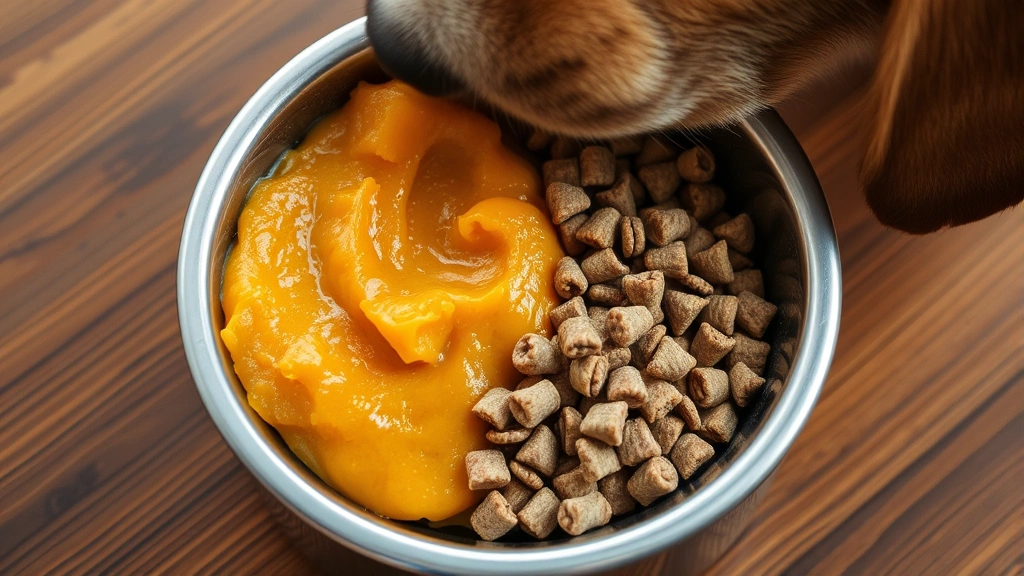
Pumpkin puree is a time-tested remedy that works wonders for many dogs. The soluble fiber in pumpkin helps regulate bowel movements by absorbing water and adding bulk to stool. Dogs can safely eat pumpkin, making it an excellent natural solution. Start with one to four tablespoons daily, depending on your dog’s size, and observe results within 24-48 hours.
Adding fiber to your dog’s diet through safe, dog-friendly sources can significantly improve constipation. What to give for a constipated dog often includes fiber-rich foods like sweet potato, green beans, and carrots. These additions provide natural fiber without being too harsh on the digestive system.
Olive oil or coconut oil can act as a natural lubricant for the digestive tract. A small amount—typically a quarter to one teaspoon depending on size—mixed into your dog’s food can help ease stool passage. However, use this sparingly as too much can cause diarrhea.
Increased exercise stimulates the digestive system naturally. Even a simple 15-20 minute walk can encourage bowel movements. If your dog has mobility issues, gentle movement is still beneficial.
Probiotics support healthy gut bacteria and can improve overall digestive function. Look for dog-specific probiotic supplements formulated for canine digestive health.
Dietary Changes to Promote Regularity
Long-term management of constipation often involves dietary modifications. A well-balanced diet plays a crucial role in maintaining healthy digestion and preventing future constipation episodes.
Fiber content is essential for regular bowel movements. Most high-quality dog foods contain 4-6% fiber, but constipated dogs may benefit from slightly higher amounts. Look for foods listing whole grains, vegetables, and legumes as primary ingredients. What to give dogs for constipation often includes carefully selected foods with optimal fiber balance.
Consider gradually transitioning to a higher-fiber diet if your current food doesn’t seem to be helping. This transition should happen over 7-10 days to avoid digestive upset. Mix increasing amounts of the new food with the old food until you’ve completely switched.
Wet or canned food can be beneficial for dogs prone to constipation. The moisture content helps keep stools softer and easier to pass. You can also soften dry kibble with warm water or low-sodium broth.
Avoid problematic ingredients that may contribute to constipation. Limit treats and table scraps, as these can disrupt your dog’s digestive balance. Some dogs are sensitive to certain proteins or grains that may affect bowel regularity.
Meal frequency matters too. Dividing food into two or three smaller meals throughout the day rather than one large meal can improve digestion and promote more regular bowel movements.
Incorporate dog-safe vegetables and fruits strategically. Pumpkin, as mentioned, is excellent, but you can also add small amounts of cooked carrots, green beans, and sweet potatoes. The guidelines for how much pumpkin to give a dog also apply to constipation management, though constipation typically requires consistent daily amounts.
Veterinary Treatments and Medications
If home remedies and dietary changes don’t resolve your dog’s constipation within a few days, it’s time to consult your veterinarian. Professional veterinary care can identify underlying causes and provide targeted treatment.
Your vet may recommend several treatment options depending on the severity and cause of constipation:
Laxatives and stool softeners are common pharmaceutical interventions. Docusate sodium (Colace) is a stool softener that helps water retention in stool. Lactulose is an osmotic laxative that draws water into the intestines, promoting bowel movements. Your vet will determine the appropriate dosage based on your dog’s weight and condition.
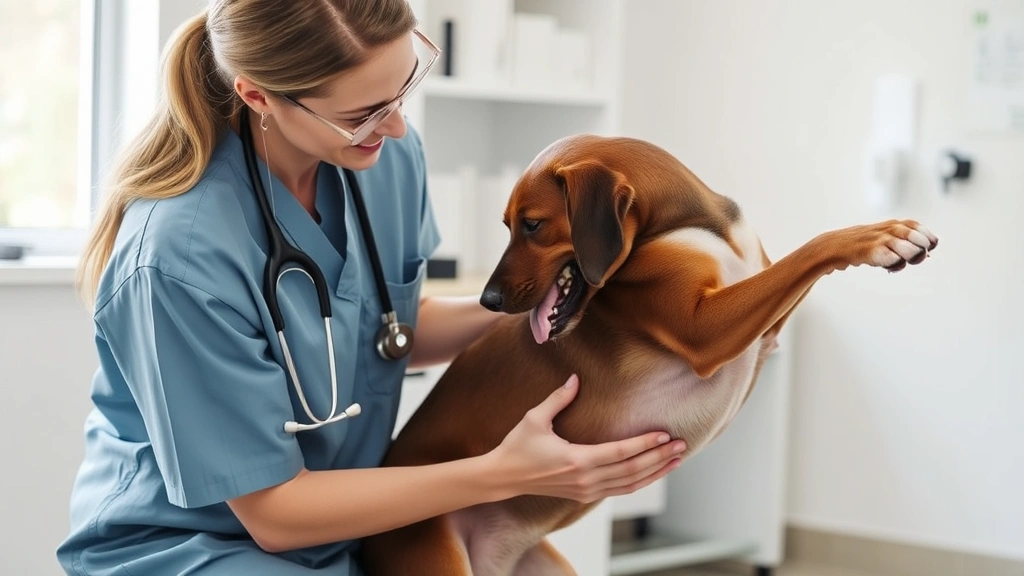
Enemas may be necessary for severe constipation. Your veterinarian should perform these, as improper administration can cause complications. Enemas provide immediate relief by softening and flushing out impacted stool.
In cases of severe impaction, your vet might recommend manual extraction under sedation. This procedure removes hardened stool that can’t be passed naturally. While it sounds unpleasant, it provides necessary relief for severely constipated dogs.
Medications addressing underlying causes may be prescribed if constipation results from conditions like hypothyroidism or enlarged prostate. Treating the root cause often resolves constipation naturally.
How to help a constipated dog often requires a combination approach, integrating home care with veterinary guidance. Your vet might recommend continuing dietary changes alongside medication for optimal results.
According to the American Kennel Club, chronic constipation lasting more than a few days warrants professional evaluation to rule out serious underlying conditions.
Prevention Strategies
The best approach to constipation is prevention. By implementing these strategies, you can significantly reduce the likelihood of your dog experiencing this uncomfortable condition.
Maintain consistent hydration by ensuring fresh water is always available. Consider adding a water fountain, as some dogs drink more from moving water. Monitor your dog’s water intake, especially during hot weather or after exercise.
Provide regular exercise appropriate for your dog’s age, size, and health status. Daily walks stimulate the digestive system and promote overall wellness. Even indoor dogs benefit from multiple activity sessions throughout the day.
Feed a balanced, high-quality diet with adequate fiber content. Avoid excessive treats and table scraps that can disrupt digestive balance. Stick to consistent meal times to establish regular bowel movement patterns.
Monitor your dog’s bathroom habits regularly. Knowing what’s normal for your dog makes it easy to spot changes that might indicate a problem. Keep a mental note or journal if your dog has a history of constipation.
Regular veterinary check-ups help identify potential issues before they become serious. During annual wellness exams, discuss your dog’s digestive health and any concerns you’ve noticed.
Manage medications carefully. If your dog must take medications that list constipation as a side effect, discuss preventive measures with your vet. Some medications require dietary adjustments or concurrent stool softeners.
Maintain a healthy weight. Overweight dogs are more prone to constipation. Work with your vet to determine an ideal weight for your dog and implement appropriate feeding and exercise strategies.
When to Seek Emergency Care
While most cases of constipation can be managed at home or with routine veterinary care, certain situations require immediate emergency attention. Recognizing these warning signs could save your dog’s life.
Contact an emergency veterinarian immediately if your dog:
- Hasn’t had a bowel movement for more than 3-5 days despite home treatment attempts
- Shows signs of severe abdominal pain (whining, reluctance to move, hunched posture)
- Is vomiting repeatedly or refusing all food and water
- Appears lethargic and unresponsive
- Has blood in their stool or straining produces only blood
- Shows signs of bloating or a distended abdomen
- Is unable to urinate along with constipation (possible obstruction)
These symptoms can indicate serious conditions like intestinal obstruction, megacolon, or other life-threatening complications. Emergency veterinary intervention is necessary to prevent complications and save your dog’s life.
According to the ASPCA, prolonged constipation can lead to toxic megacolon, a serious condition where the colon becomes dangerously dilated and loses muscle function.
Don’t hesitate to call your vet or emergency clinic if you’re unsure whether your dog’s symptoms warrant immediate attention. It’s always better to err on the side of caution with your pet’s health.
Frequently Asked Questions
How long can a dog go without a bowel movement?
Most healthy dogs have a bowel movement once or twice daily. If your dog goes more than 3-5 days without one, it’s considered constipation and warrants attention. However, don’t wait that long to address the issue—contact your vet after 2-3 days of no bowel movements, especially if your dog shows discomfort.
Is pumpkin really effective for dog constipation?
Yes, pumpkin is highly effective for many dogs. The soluble fiber helps regulate bowel movements and adds bulk to stool. Start with 1-4 tablespoons daily depending on your dog’s size. Most dogs show improvement within 24-48 hours. Plain pumpkin puree works best—avoid pumpkin pie filling which contains added sugars and spices.
Can I give my dog over-the-counter laxatives?
Some over-the-counter options are safe for dogs, but always consult your veterinarian before administering any medication. Your vet can recommend appropriate products and dosages for your specific dog. Never give human laxatives without veterinary approval, as some contain ingredients harmful to dogs.
What foods should I avoid if my dog is constipated?
Avoid high-fat foods, excessive treats, and table scraps. Limit foods with low fiber content and avoid bones or hard chews that might contribute to impaction. Also minimize dairy products and foods containing excessive grains, as these can worsen constipation in some dogs.
Does age affect a dog’s susceptibility to constipation?
Yes, older dogs experience constipation more frequently due to decreased activity levels, reduced muscle tone, and potential underlying health issues. Senior dogs may require dietary adjustments and more frequent veterinary monitoring to prevent constipation.
Can stress cause constipation in dogs?
Stress and anxiety can affect your dog’s digestive system and potentially contribute to constipation. If your dog experiences significant stress changes (moving, new pets, schedule changes), ensure they maintain adequate exercise and hydration to support healthy digestion.
How much water should my dog drink daily?
The general guideline is approximately one ounce of water per pound of body weight daily, though this varies based on activity level, diet, and climate. A 50-pound dog should drink roughly 50 ounces (about 6-7 cups) daily. Monitor your dog’s water intake and adjust based on their individual needs.
When should I switch my dog’s food if they’re constipated?
If your dog has been constipated for more than a few days despite home remedies, dietary adjustment might help. Transition gradually over 7-10 days to a higher-fiber food or one formulated for digestive health. However, consult your vet first to rule out underlying medical causes.





