

How to Safely Remove a Dog’s Skin Tag: Vet Tips
If you’ve noticed a small, fleshy growth hanging from your furry friend’s skin, you’re probably wondering what it is and whether you need to do something about it. Dog skin tags are surprisingly common, and while they’re usually harmless, many pet parents want to know the safest way to handle them. The good news? We’ve got the complete guide to understanding and safely removing these pesky growths, straight from veterinary best practices.
Skin tags might look concerning at first glance, but they’re typically benign growths that don’t pose a serious health threat. However, knowing when and how to remove them—and when to leave them alone—is crucial for your dog’s wellbeing. This comprehensive guide will walk you through everything you need to know, from identification to removal methods, so you can make informed decisions about your pup’s health.
Whether you’re dealing with a single tag or multiple growths, understanding the proper techniques and when to seek professional help will ensure your dog stays comfortable and healthy throughout the process.
Understanding Dog Skin Tags
Before diving into removal methods, it’s essential to understand exactly what you’re dealing with. Dog skin tags are benign growths that typically appear as small, soft protrusions hanging from the skin. They’re usually flesh-colored or slightly darker, ranging from the size of a pinhead to a small pea. These growths are composed of loose skin and connective tissue, making them completely different from dangerous skin conditions.
Skin tags are more common in older dogs and certain breeds predisposed to skin issues. According to the American Kennel Club, senior dogs frequently develop these growths as their skin loses elasticity over time. They’re particularly prevalent in dogs with skin folds, such as Bulldogs, Shar-Peis, and Pugs, though any dog can develop them.
The primary concern with skin tags isn’t the growth itself but rather the potential for irritation. If your dog repeatedly licks, scratches, or bites at the tag, it can become inflamed, infected, or bleed. This is why monitoring the growth and knowing when intervention is necessary becomes important.
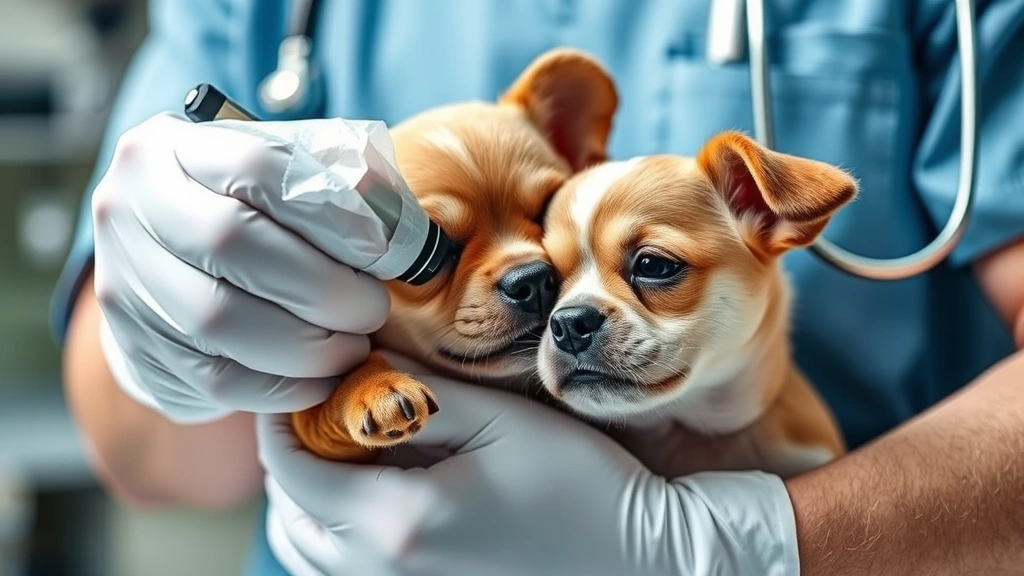
When Should You Remove a Dog’s Skin Tag?
Not every skin tag needs to be removed. The decision depends on several factors, including the tag’s location, your dog’s behavior, and whether it’s causing any complications. Here’s when removal becomes advisable:
- Frequent Irritation: If your dog constantly licks, bites, or scratches at the tag, removal prevents infection and further trauma
- Bleeding or Infection: Tags that bleed, ooze, or show signs of infection require immediate attention
- Location Issues: Tags in areas prone to friction—like the collar line, underarms, or between toes—may need removal to prevent ongoing irritation
- Cosmetic Concerns: While not a medical necessity, many owners prefer removal for aesthetic reasons
- Rapid Growth: If a tag suddenly grows larger or multiplies quickly, veterinary evaluation is essential to rule out other conditions
Your veterinarian can help determine whether removal is medically necessary or optional. They’ll also rule out any possibility that what you’re seeing isn’t actually a skin tag but rather something requiring different treatment. When dealing with skin concerns, it’s always better to be cautious and get professional guidance.
Professional Removal Methods
When it comes to safe and effective removal, professional veterinary methods are always the gold standard. Your vet has several options depending on the tag’s size, location, and your dog’s overall health.
Surgical Excision is the most common professional method. Your veterinarian will use sterile surgical instruments to carefully remove the tag at its base. This method works best for larger tags or those in sensitive areas. The procedure is quick, precise, and leaves minimal scarring. Most vets perform this during a routine office visit without requiring general anesthesia for small growths, though sedation may be used for anxious dogs or multiple removals.
Cryotherapy involves freezing the skin tag with liquid nitrogen. This causes the tissue to die and eventually fall off. It’s a non-invasive option that works well for smaller tags and causes minimal discomfort. The procedure typically takes just a few minutes, and most dogs tolerate it well.
Laser Removal uses focused laser energy to burn away the tag. This method is precise, minimizes bleeding, and reduces infection risk. It’s particularly useful for tags in delicate areas or when dealing with multiple growths. The laser cauterizes blood vessels as it cuts, which is why bleeding is minimal.
Cauterization uses heat to burn off the tag. While effective, this method may cause slight discomfort and requires careful technique to avoid damaging surrounding tissue. Modern veterinary practices often prefer laser or surgical methods for better control.
Professional removal offers several advantages: sterile conditions prevent infection, proper anesthesia ensures your dog’s comfort, and your vet can confirm the growth is actually a skin tag and not something more concerning. The cost typically ranges from $100 to $500 depending on the method and number of tags, but the peace of mind is invaluable.

At-Home Removal Options
While professional removal is always safest, some pet owners consider at-home methods for very small, non-irritated tags. If you choose this route, proceed with extreme caution and understand the risks involved.
Important Disclaimer: At-home removal carries significant risks including infection, excessive bleeding, scarring, and pain for your dog. Always consult your veterinarian before attempting any at-home removal method.
Ligation Method involves tying off the tag’s base with sterile thread or special dental floss to cut off blood supply. Over several days to weeks, the tag dies and eventually falls off. This is the gentlest at-home option but requires patience and careful monitoring. Ensure you’re using sterile materials and that your dog cannot access the tied tag to chew or lick at it excessively.
Over-the-Counter Products marketed for skin tag removal in humans are sometimes used on dogs, but veterinarians generally advise against this. These products contain chemicals that may irritate your dog’s skin or cause allergic reactions. Additionally, without proper application and monitoring, they can lead to complications.
What NOT to Do: Never attempt to cut off a skin tag with scissors, razors, or other sharp objects. This risks severe bleeding, infection, and unnecessary pain. Don’t use caustic substances, bleach, or other harsh chemicals on your dog’s skin. Avoid home remedies involving essential oils or unproven treatments that could cause harm.
If you must attempt at-home removal, ensure you’re working with a very small tag that shows no signs of infection or inflammation. Have your veterinarian’s number handy in case complications arise. Even better? Schedule a quick vet appointment and let the professional handle it safely.
Proper Aftercare and Wound Care
Whether your dog’s skin tag was professionally removed or fell off naturally, proper aftercare is crucial for preventing infection and promoting healing. Understanding how to properly clean a dog wound will help you manage the healing process effectively.
Immediate Post-Removal Care: If bleeding occurs, apply gentle pressure with a clean, sterile gauze pad for 5-10 minutes. Most minor bleeding stops quickly. If bleeding persists beyond 15 minutes, contact your veterinarian immediately.
Cleaning the Area: Once bleeding has stopped, gently clean the area with lukewarm water and mild soap. Pat dry with a clean cloth. Your vet may recommend a specific antiseptic solution for the first few days. When considering topical treatments, you should know that Neosporin safety varies depending on your dog’s specific situation, so follow your vet’s recommendations.
Prevention of Licking and Biting: This is critical. Dogs naturally lick wounds, which can introduce bacteria and delay healing. Use an Elizabethan collar (cone) for at least 7-10 days to prevent access to the removal site. Some dogs will wear a protective bandage if it’s comfortable and secure.
Monitoring for Infection: Watch for signs of infection including increased redness, swelling, discharge, or foul odor. If the area becomes warm to the touch or your dog shows signs of pain, contact your veterinarian. Additionally, knowing how to tell if your dog has a fever helps you catch systemic infections early.
Activity Restriction: For the first few days after removal, limit your dog’s activity to prevent excessive sweating and friction at the removal site. Avoid swimming, bathing, or exposing the area to dirt or debris.
Follow-Up Appointments: Schedule a follow-up visit with your veterinarian about 7-10 days after removal to ensure proper healing. Your vet can assess whether the wound is healing correctly and address any concerns.
Preventing Future Skin Tags
While you can’t completely prevent skin tags—especially in predisposed breeds or senior dogs—certain measures can reduce their frequency and severity.
Maintain Healthy Skin: Regular grooming keeps your dog’s skin clean and allows you to spot new growths early. Brush your dog’s coat several times weekly to improve circulation and skin health. For dogs with skin folds, keep these areas clean and dry to prevent secondary skin issues that might contribute to tag formation.
Manage Weight: Overweight dogs tend to develop more skin tags, particularly in areas with skin folds. Maintaining a healthy weight through proper nutrition and regular exercise benefits overall skin health and reduces tag development.
Nutritional Support: A high-quality diet rich in omega-3 and omega-6 fatty acids supports skin health. Consult your veterinarian about whether fish oil supplements might benefit your dog’s skin condition.
Regular Veterinary Check-ups: During annual wellness exams, your vet can monitor existing tags and catch new ones early. Early intervention prevents complications and keeps your dog comfortable.
Environmental Factors: Minimize exposure to irritants, allergens, and harsh weather that might stress your dog’s skin. Keep your dog’s living environment clean and free from excessive moisture, which can promote skin issues.
Understanding what causes hot spots on dogs can also help you prevent skin conditions that might contribute to tag development or complicate existing growths.
Frequently Asked Questions
Are dog skin tags cancerous?
No, skin tags are benign growths and are not cancerous. However, if a growth changes rapidly, bleeds excessively, or looks unusual, have your veterinarian examine it to rule out other skin conditions. Your vet can confirm through visual examination and, if necessary, a biopsy that the growth is indeed a harmless skin tag.
Can skin tags fall off on their own?
Yes, skin tags can occasionally fall off naturally, especially if they’re constantly irritated or if the blood supply to the tag is compromised. However, don’t rely on this happening. If a tag is bothering your dog or poses infection risk, professional removal is safer and more reliable.
How much does professional skin tag removal cost?
The cost varies depending on your location, veterinary clinic, and removal method. Expect to pay $100-$500 for professional removal. Some clinics charge per tag, while others have a flat fee for multiple removals. Contact your veterinarian for specific pricing.
Is anesthesia necessary for skin tag removal?
For very small tags, local anesthesia or topical numbing agents may suffice. For larger tags, multiple removals, or anxious dogs, general anesthesia ensures your dog’s comfort and safety. Your veterinarian will determine the best approach based on your dog’s individual needs and health status.
What’s the difference between a skin tag and a wart?
Skin tags are benign growths of loose skin and connective tissue, while warts are caused by viral infections. Warts often have a bumpy texture and can be contagious between dogs. Your veterinarian can distinguish between the two and recommend appropriate treatment.
Can I use human skin tag removal products on my dog?
No, human skin tag removal products are not formulated for dogs and may contain ingredients that irritate or harm your dog’s skin. Always use products specifically designed for dogs or follow your veterinarian’s recommendations.
How long does it take for a removed skin tag to heal?
Most skin tag removal sites heal within 7-14 days. Complete healing may take several weeks depending on the removal method and your dog’s individual healing ability. Keep the area clean, protected, and monitor for any signs of infection during this period.
Should I be concerned if my dog has multiple skin tags?
Multiple skin tags are common, especially in older dogs or certain breeds. While not inherently dangerous, discuss them with your veterinarian during routine visits. If tags are causing irritation or your dog is frequently licking at them, professional removal of multiple tags can often be done in a single appointment.





