
How to Remove Dog Urine Smell from Floors: Expert Tips
Let’s face it—dog accidents happen. Whether you’re dealing with a new puppy, an elderly pup with incontinence issues, or a rescue dog still learning the ropes, the unmistakable stench of dog urine on your floors is enough to make any pet parent want to pull their hair out. The worst part? That pungent odor doesn’t just disappear with a quick mop and some air freshener. Dog urine has a sneaky way of seeping into porous surfaces, settling into subfloors, and stubbornly clinging to your home long after the initial accident.
The good news is that you’re not alone in this struggle, and more importantly, there are proven methods to eliminate that awful smell completely. In this comprehensive guide, we’ll walk you through everything you need to know about tackling dog urine odor on your floors—from understanding why the smell is so persistent to discovering the most effective cleaning solutions and prevention strategies.
Armed with the right knowledge and products, you can restore your home to its fresh, clean state and create an environment where both you and your furry friend can thrive. Let’s dive into the science behind the smell and the solutions that actually work.
Why Dog Urine Smell Is So Persistent
Understanding why dog urine smells so awful and lingers so long is the first step to conquering the problem. Dog urine contains uric acid crystals, which are extremely resistant to breakdown and create that distinctive ammonia-like odor. Unlike other household accidents, these crystals don’t simply evaporate—they bond with whatever surface they touch, whether that’s hardwood, tile, laminate, or concrete.
When urine dries, it leaves behind uric acid that becomes increasingly concentrated and pungent. The bacteria in the urine can also multiply over time, creating an even more powerful smell. This is why a spot that seemed manageable when fresh becomes absolutely unbearable after a few days if left untreated. The problem gets exponentially worse if your dog returns to the same spot repeatedly, as they’re attracted to the scent markers left by their own urine.
Temperature and humidity also play significant roles in odor intensity. Warm, humid conditions activate the uric acid crystals, intensifying the smell. This is why your floors might seem especially stinky on hot days or after you’ve run a humidifier. Additionally, if urine seeps through the surface layer of your floor into the subfloor or underlayment, you’re dealing with a much more complex situation that requires deeper intervention.
Immediate Steps After an Accident
The moment you discover a fresh accident, time is your ally. Acting quickly makes a massive difference in how easily you can eliminate the odor. Here’s what you should do right away:
- Blot, don’t rub: Use paper towels or old cloth to absorb as much urine as possible. Press down firmly to soak up the liquid without spreading it around.
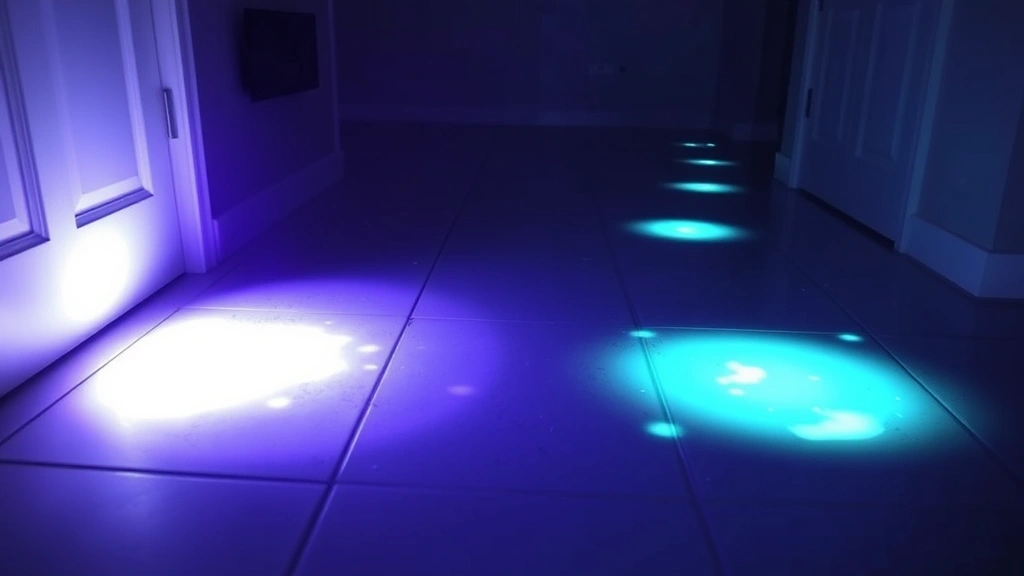
- Identify the full affected area: Use a blacklight flashlight to see the complete extent of the accident. Urine often spreads further than you’d expect, and you need to treat the entire area.
- Apply an enzymatic treatment immediately: Enzymatic cleaners work best when applied to fresh accidents. They break down the uric acid crystals at a molecular level rather than just masking the smell.
- Let it sit: Most enzymatic cleaners need 24-48 hours to fully work their magic. Resist the urge to wipe it up too quickly.
- Neutralize with baking soda: After the enzymatic cleaner has dried, sprinkle baking soda over the area to neutralize any remaining odors.
The key to success is addressing the problem immediately rather than letting it sit. A fresh accident is infinitely easier to treat than one that’s been festering for weeks.
Effective Cleaning Solutions
Not all cleaning products are created equal when it comes to eliminating dog urine smell. Let’s explore the most effective options:
Enzymatic Cleaners
Enzymatic cleaners are the gold standard for removing dog urine smell from floors. Products like Nature’s Miracle and Rocco & Roxie contain live enzymes that actually break down the uric acid crystals rather than simply masking the odor. These work best on fresh accidents but can also help with older stains if applied generously and given sufficient time to work. When using enzymatic cleaners, getting rid of the smell of dog urine becomes much more manageable with proper application.
Vinegar and Baking Soda Solution
This classic combination is surprisingly effective and uses items you likely have at home. Mix equal parts white vinegar and water, spray the affected area generously, let it sit for 10 minutes, then sprinkle baking soda over it. The chemical reaction helps neutralize the odor. However, this method works best as a supplementary treatment rather than a standalone solution for stubborn smells.
Hydrogen Peroxide Solution
A mixture of hydrogen peroxide (3% solution), baking soda, and a drop of dish soap can be quite effective. Mix one cup of hydrogen peroxide with three tablespoons of baking soda and a few drops of dish soap. Apply to the affected area, let it sit for several hours, then clean thoroughly. Test on an inconspicuous area first, as hydrogen peroxide can bleach some flooring materials.
Commercial Odor Eliminators
Products specifically designed for pet odor elimination often contain activated charcoal or other odor-absorbing compounds. These work well in combination with enzymatic cleaners for stubborn situations. According to research from the ASPCA, it’s important to verify that any commercial product you use is pet-safe.
Treatment by Floor Type
Different flooring materials require different approaches to effectively remove dog urine smell.
Hardwood Floors
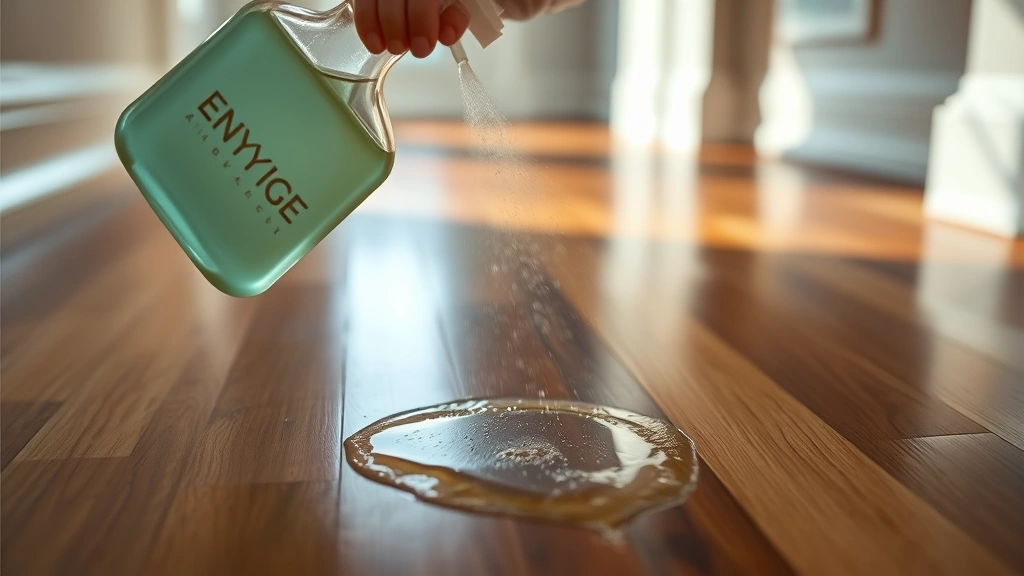
Hardwood is particularly challenging because urine can penetrate the finish and seep into the wood itself. For fresh accidents, blot immediately and apply an enzymatic cleaner. For hardwood, avoid excessive moisture—use a spray bottle rather than pouring liquid directly on the floor. If the smell persists, you may need to sand and refinish the affected area, or consult a professional floor restoration service. When dealing with dog smell in carpets, the approach differs significantly from hardwood care.
Tile and Vinyl Floors
These non-porous surfaces are much more forgiving. Enzymatic cleaners work well, but you may also need to address the grout lines where urine can hide. For tile, use a grout cleaner or a mixture of vinegar and water on the grout specifically. Vinyl can be treated similarly to tile but be careful not to use abrasive scrubbing that might damage the surface.
Laminate Floors
Laminate requires a delicate touch since excess moisture can cause warping. Use enzymatic sprays sparingly and wipe up thoroughly after treatment. Never let liquid sit on laminate for extended periods. If the smell persists, the urine may have penetrated to the core layer, requiring professional intervention or replacement of affected planks.
Concrete Floors
Concrete is porous and readily absorbs urine, making it particularly stubborn. Enzymatic cleaners work well, but you may need to apply them multiple times. For severe cases, a concrete sealer can help prevent future absorption. Some people have success with a combination of enzymatic cleaner followed by an enzyme-based concrete cleaner designed specifically for this purpose.
Subfloors and Underlayment
If urine has seeped through to the subfloor, the situation becomes more complex. This often requires removing the top flooring layer, treating the subfloor with enzymatic cleaners or enzyme-based products specifically formulated for this purpose, and potentially replacing damaged underlayment. This is typically a job for professionals, but enzymatic treatments can sometimes resolve the issue without replacement.
Prevention and Training Tips
While cleaning up accidents is important, preventing them in the first place is even better. Understanding how to stop your dog from peeing in the house will save you endless frustration and cleaning.
- Establish a consistent bathroom schedule: Take your dog out first thing in the morning, after meals, before bedtime, and regularly throughout the day. Puppies may need to go out every 2-3 hours.
- Provide frequent outdoor opportunities: The more chances your dog has to relieve themselves outside, the fewer accidents will happen indoors.
- Use enzymatic cleaners on all accidents: Even if you clean up an accident thoroughly, if you don’t use an enzymatic cleaner to break down the uric acid, your dog will smell their own scent and be drawn back to that spot.
- Consider the underlying causes: Medical issues like urinary tract infections, diabetes, or incontinence can cause accidents. Consult your vet if accidents are frequent or sudden.
- Use enzymatic cleaners preventatively: Periodically treating your floors with enzymatic cleaners, even when you don’t see visible accidents, can help eliminate lingering scent markers.
- Restrict access if needed: Baby gates and closed doors can help you monitor your dog’s movements and catch accidents before they become widespread problems.
According to the American Kennel Club, consistency in training is absolutely crucial for house-breaking success. Dogs thrive on routine, and establishing a predictable schedule dramatically reduces accidents.
When to Call Professional Help
Sometimes, despite your best efforts, the smell just won’t go away. This is when professional intervention becomes worthwhile. Professional pet odor removal services use specialized equipment and industrial-strength enzymatic treatments that aren’t available to consumers. They can also identify hidden problem areas using blacklight technology and moisture detection equipment.
Professional cleaning is especially recommended if:
- The smell persists after multiple home treatment attempts
- Urine has seeped into the subfloor or underlayment
- You’re dealing with multiple old accidents in unknown locations
- You have hardwood floors that may have been damaged by urine
- You’re preparing to sell your home and need to eliminate all traces of pet odor
Pet odor professionals typically charge $200-$500+ depending on the severity and area size, but this investment can be worth it for complete odor elimination. Additionally, if accidents are related to a medical condition like why your dog pees on your bed, addressing the underlying health issue with your veterinarian is crucial.
The ASPCA provides comprehensive resources on behavioral issues that might be causing inappropriate urination, which is worth exploring before assuming it’s purely a cleaning problem.
Frequently Asked Questions
How long does dog urine smell last if left untreated?
Dog urine smell can persist indefinitely if left untreated. The uric acid crystals don’t naturally break down, and they’ll continue to emit odor, especially in warm or humid conditions. Additionally, if your dog detects the scent, they may continue to use that spot as a bathroom, intensifying the problem exponentially.
What’s the difference between cleaning and deodorizing?
Cleaning removes the visible urine, while deodorizing addresses the odor. Many people make the mistake of just cleaning the surface without properly deodorizing. Enzymatic cleaners do both by breaking down the uric acid crystals that cause the smell, while other methods might only mask the odor temporarily.
Can I use regular cleaning products on dog urine?
Regular cleaners like bleach or ammonia-based products are not recommended. In fact, ammonia-based cleaners can actually intensify the smell because ammonia is a component of urine. These products also don’t break down the uric acid crystals, so they won’t eliminate the underlying problem. Stick with enzymatic cleaners or vinegar-based solutions for best results.
How do I find old urine spots I can’t see?
A blacklight flashlight is your best friend. Dried urine glows under ultraviolet light, making it easy to identify problem areas. These flashlights are inexpensive and available at most hardware stores or online. Once you’ve identified all the spots, you can treat them systematically.
Will enzymatic cleaners work on old, dried urine?
Yes, but they work best on fresh accidents. For older stains, you may need to apply enzymatic cleaners multiple times or use them in combination with other methods. Some people have success rehydrating old stains with water before applying enzymatic cleaners, as the enzymes work better on liquid urine.
Is professional ozone treatment safe for pets?
Ozone treatment should only be done when pets are completely out of the home for the duration of the treatment and for several hours afterward. While ozone can be effective at breaking down odor molecules, it can be harmful to pets if they’re exposed during or immediately after treatment. Always verify that your pet is safely away before any ozone treatment begins, and ask professionals about ventilation requirements.
Can I use scented products to cover up the smell?
While tempting, masking the smell with air fresheners or scented candles won’t solve the problem. Your dog will still detect the urine scent underneath, and they’ll be drawn back to that spot. Additionally, if you’re selling your home or welcoming guests, they’ll likely notice the underlying odor eventually. True elimination is always better than masking.
What should I do if my dog keeps having accidents in the same spot?
First, consult your veterinarian to rule out medical issues. If the dog is healthy, ensure you’re using enzymatic cleaners properly to eliminate all scent markers. You might also consider using a pet enzyme spray to treat the area periodically, even after the smell seems gone. Some people have success placing their dog’s litter box or pads on problem spots to redirect the behavior, or using deterrent sprays designed to discourage pets from specific areas.





