
How to Remove Dog Vomit from Carpet: Easy Steps
Oh, the joys of dog ownership! One moment your furry best friend is peacefully snoozing on the couch, and the next, you’re staring at a mysterious puddle on your pristine carpet. Dog vomit—it’s one of those inevitable pet parent challenges that catches us all off guard. Whether your pup ate too fast, got into something questionable, or is dealing with an upset stomach, knowing how to remove dog vomit from carpet can save both your flooring and your sanity.
The good news? You don’t need to panic or call in the professionals just yet. With the right approach and a little elbow grease, you can tackle this cleanup like a seasoned pet parent. We’re talking about methods that actually work, not just mask the problem with fancy air fresheners. From the initial cleanup to eliminating stubborn stains and odors, we’ve got you covered with practical, easy-to-follow steps.
Before we dive into the nitty-gritty of carpet restoration, it’s worth understanding that quick action is your best friend here. The sooner you address the mess, the better your chances of preventing permanent damage to your carpet. So grab your supplies and let’s get started!
Immediate Response: First Steps
The moment you discover your dog has left a present on your carpet, resist the urge to scream (or at least keep it to a minimum for your pup’s sake). Your immediate response sets the tone for the entire cleanup process. Time is absolutely critical here because vomit can quickly set into carpet fibers, making removal exponentially harder.
First things first: remove your dog from the area. You don’t want your furry friend walking through the mess and spreading it around, or worse, trying to eat it again (yes, this happens). Gently guide them to another room or outside. Once your pup is safely away from the scene, take a deep breath and assess the damage.
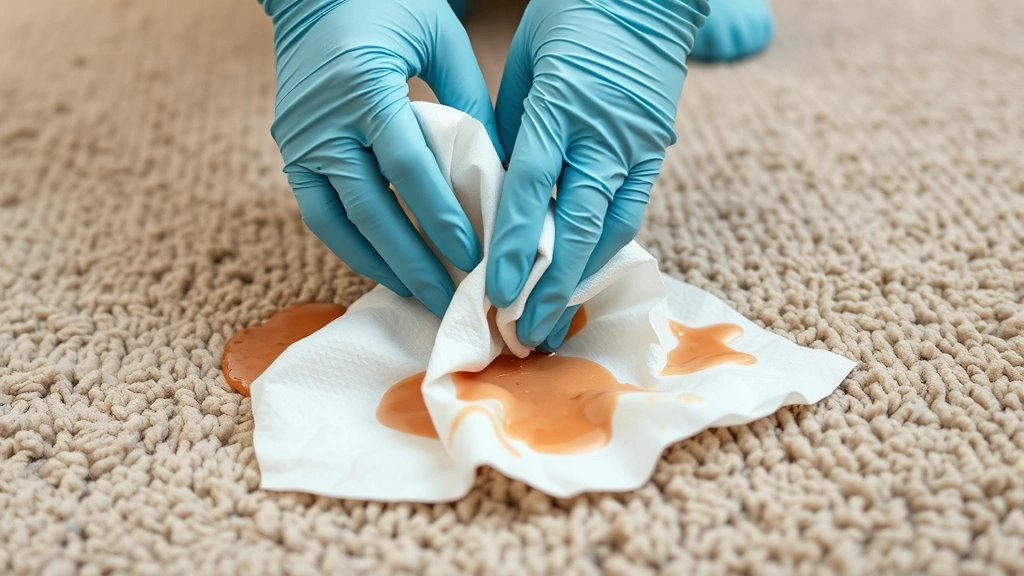
Next, use paper towels or old rags to remove as much of the solid material as possible. Blot rather than wipe—blotting lifts the material away from the carpet fibers without pushing it deeper into the pile. Work from the outside edges of the mess toward the center to avoid spreading it further. If the vomit is particularly wet, you might want to let it sit for just a minute to allow the carpet to absorb some of the liquid, making it easier to blot up.
Supplies You’ll Need
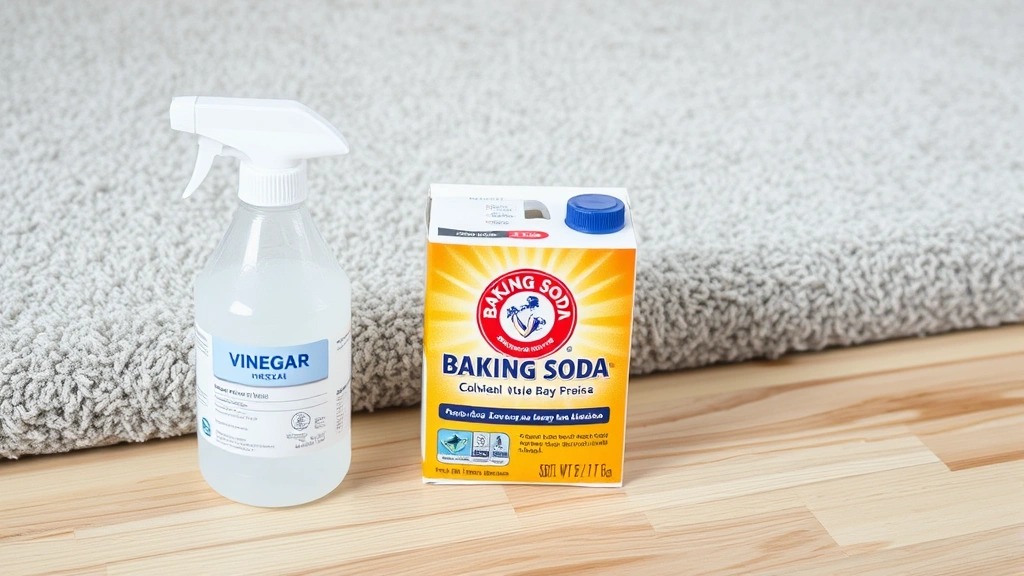
Having the right tools on hand makes this job significantly easier. Here’s what you should gather before you start the deep cleaning:
- Paper towels or clean rags – absorbent and disposable
- White vinegar – a natural deodorizer and mild disinfectant
- Baking soda – excellent for odor absorption
- Dish soap – cuts through grease and organic matter
- Hydrogen peroxide – helps break down organic stains
- Enzyme-based cleaner – specifically designed for pet messes
- Spray bottle – for applying solutions
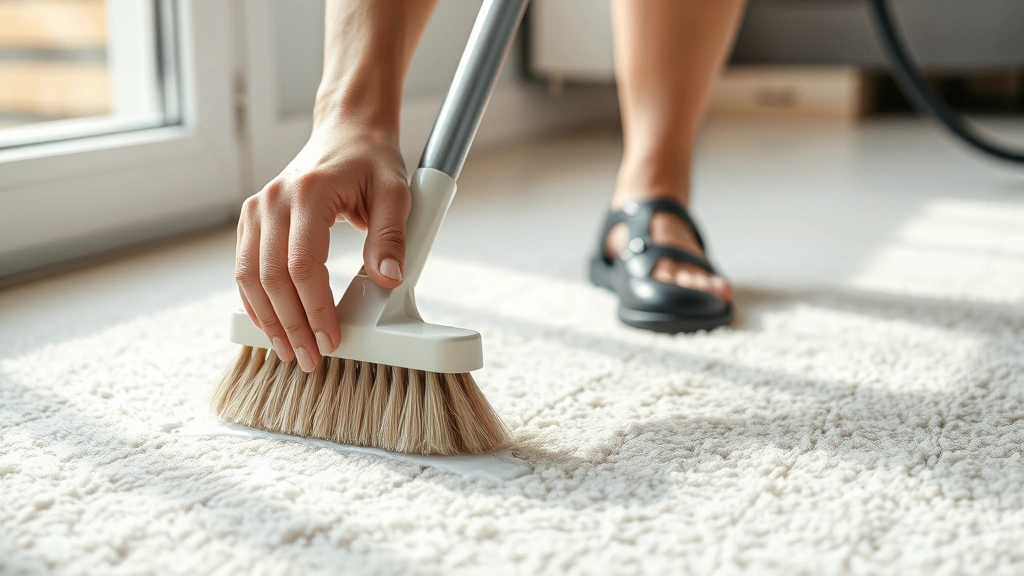
- Soft-bristled brush – for gentle agitation
- Carpet cleaning machine (optional) – for deep cleaning
- Rubber gloves – for protecting your hands
You don’t necessarily need all of these items—many pet parents successfully use just vinegar and baking soda. However, having options means you can tackle different types of stains and odors effectively. Consider keeping a small emergency kit under your bathroom sink specifically for pet accidents. Trust us, you’ll be grateful when the next incident happens at 2 AM.
Step-by-Step Removal Process
Now that you’ve done the initial blotting and gathered your supplies, it’s time for the real work. Follow these steps carefully for optimal results:
Step 1: Pre-Treatment Blotting
Using dry paper towels, continue blotting the area until you’ve removed as much moisture as possible. Press down firmly but don’t scrub—you’re trying to lift liquid, not work it in. If you’re dealing with a particularly large mess, you might need to use an entire roll of paper towels. It’s worth the investment.
Step 2: Apply Your Cleaning Solution
Mix a solution of one part white vinegar, one part warm water, and a few drops of dish soap in your spray bottle. Spray this mixture generously over the affected area, ensuring the carpet is well-saturated. The vinegar works to break down the organic material while neutralizing odors, and the dish soap helps lift remaining residue.
Alternatively, if you prefer a commercial solution, use an enzyme-based cleaner designed for pet messes. These products contain natural enzymes that literally digest organic matter, making them particularly effective for vomit cleanup. Follow the manufacturer’s instructions carefully for best results.
Step 3: Let It Sit
This is where patience pays off. Allow your chosen cleaning solution to sit on the stain for 10-15 minutes. This dwell time gives the solution time to penetrate the carpet fibers and break down the vomit residue. Use this time to check on your dog and make sure they’re okay—if the vomiting was unusual, you might want to understand why your dog is throwing up to prevent future incidents.
Step 4: Blot Again
After the solution has had time to work, use fresh paper towels or clean rags to blot up the liquid. Again, press down firmly rather than scrubbing. You should see the stain transferring onto your towels. Repeat this blotting process until the carpet is mostly dry and no more stain is transferring.
Step 5: Rinse Thoroughly
Using plain water in your spray bottle, mist the area to rinse away any remaining cleaning solution. Blot with clean towels until the water comes up clear. This step is crucial because any residual cleaning solution left in the carpet can actually attract dirt and cause the area to become soiled again more quickly.
Step 6: Dry Completely
Open windows and increase air circulation in the room. You can also place a fan nearby to speed up the drying process. Ensure the carpet is completely dry before allowing your dog back into the area—a damp carpet is an invitation for bacterial growth and can lead to odor issues. If you have a carpet cleaning machine, now is an excellent time to do a final deep clean of the area.
Treating Stubborn Stains
Sometimes vomit leaves behind a yellowish or brownish stain even after your initial cleaning efforts. Don’t worry—these stubborn stains are usually just discoloration rather than actual remaining vomit. Here are some effective approaches:
The Hydrogen Peroxide Method
For white or light-colored carpets, hydrogen peroxide can work wonders. Mix a solution of 3% hydrogen peroxide with a small amount of dish soap. Apply it to the stain and let it sit for 5-10 minutes. The hydrogen peroxide will gently bleach out the discoloration without damaging most carpet types. Always test this on an inconspicuous area first to ensure it doesn’t affect your carpet’s color.
Baking Soda Paste
Create a paste by mixing baking soda with a small amount of water. Apply this paste directly to the stain and let it dry completely (this might take several hours). Once dry, vacuum up the powder thoroughly. Baking soda is mild enough to use on most carpet types and won’t cause damage.
Professional Stain Removers
If you’re dealing with a particularly stubborn stain or a valuable carpet, consider using a commercial stain remover specifically designed for organic stains. These products are formulated to target the specific compounds found in pet vomit and can be highly effective.
Eliminating Lingering Odors
Even after you’ve successfully removed the visible stain, your nose might still detect the ghost of the mess. This is because odor molecules can linger in carpet fibers and padding. The good news is that eliminating these odors is absolutely achievable with the right approach.
Baking Soda Treatment
Sprinkle baking soda generously over the cleaned area and let it sit for at least 24 hours (overnight is perfect). The baking soda will absorb odor molecules from the carpet. Vacuum thoroughly afterward. For extra odor-fighting power, you can mix a few drops of essential oil (like lavender or lemon) into the baking soda before sprinkling.
White Vinegar Spray
Mix equal parts white vinegar and water in a spray bottle and lightly mist the area. The vinegar smell is strong initially but dissipates quickly as it dries, taking other odors with it. This method is particularly effective for fresh odors and can be repeated if necessary.
Enzyme Cleaners for Deep Odors
If regular methods aren’t cutting it, enzyme-based cleaners are your secret weapon. These products break down the organic compounds that create odors, rather than just masking them. Apply according to package directions and allow to dry completely. For particularly stubborn odors, you might need to treat the area multiple times.
How to Get Dog Smell Out of Carpet
If the vomit incident has left your entire room smelling less than fresh, you might benefit from our comprehensive guide on how to get dog smell out of carpet. This resource covers broader odor issues that sometimes develop in homes with pets.
Prevention Tips for the Future
While you can’t always prevent your dog from getting an upset stomach, you can certainly take steps to minimize carpet incidents and understand what’s causing the vomiting in the first place.
Slow Down Mealtime
One of the most common causes of vomiting is eating too quickly. If your dog is a speed eater, consider using a slow-feed bowl or puzzle feeder. These specially designed bowls force your dog to eat more slowly, reducing the likelihood of regurgitation.
Monitor Diet Changes
Sudden changes in diet can upset your dog’s stomach. When switching to a new food, do it gradually over 7-10 days, mixing increasing amounts of the new food with the old. This allows your dog’s digestive system to adjust without distress.
Limit Table Scraps
Human food can be hard on a dog’s digestive system. Stick to high-quality dog food and approved treats. If you want to give your dog people food, research safe options first. Fatty, spicy, or overly rich foods are common culprits behind vomiting episodes.
Regular Veterinary Checkups
Sometimes chronic vomiting indicates an underlying health issue. Regular vet visits can catch potential problems early. If your dog is vomiting frequently, definitely consult your veterinarian. According to the American Kennel Club’s guide to vomiting in dogs, persistent vomiting warrants professional evaluation.
Keep Dangerous Items Out of Reach
Many cases of vomiting result from dogs eating things they shouldn’t. Keep trash cans secured, clean up small objects, and ensure toxic plants and foods are inaccessible. If your dog is choking or has ingested something dangerous, you’ll need to know what to do if your dog is choking.
Exercise and Digestion
Avoid vigorous exercise immediately after meals, as this can trigger vomiting. Wait at least 30 minutes after eating before playing or going for a run. This simple practice can significantly reduce regurgitation incidents.
When to Call the Professionals
Sometimes, despite your best efforts, you might need professional help. Here’s when it’s time to call in the experts:
- Persistent stains – If the stain won’t come out after multiple treatment attempts, professional carpet cleaners have industrial-strength equipment and solutions
- Odor won’t disappear – Lingering odors might indicate the mess soaked through to the carpet padding, requiring professional extraction and treatment
- Large affected areas – For extensive damage, professional cleaning is more efficient and effective than DIY methods
- Valuable or delicate carpets – Antique rugs or specialty carpets require expert care to avoid damage
- Recurring vomiting issues – If your dog is vomiting frequently, consult your veterinarian rather than just treating symptoms
For related cleanup challenges, our guide on how to get dog poop out of carpet covers similar professional recommendations and additional cleanup strategies.
Understanding Your Dog’s Health
It’s also worth noting that if your dog is experiencing frequent vomiting, it might indicate digestive issues. Our article on how to stop dog diarrhea explores digestive health more broadly, though vomiting specifically warrants veterinary attention. According to the ASPCA’s pet health resources, any sudden change in your pet’s health should be evaluated by a professional.
Frequently Asked Questions
What’s the best product for removing dog vomit from carpet?
Enzyme-based cleaners designed for pet messes are often the most effective because they break down organic matter at a molecular level. However, a simple solution of white vinegar, water, and dish soap works surprisingly well and is budget-friendly. The key is to act quickly and follow up with proper drying and odor treatment.
Can I use bleach to clean dog vomit from carpet?
While bleach is a powerful disinfectant, it’s not recommended for most carpets because it can cause discoloration and damage fibers. Stick with gentler solutions like vinegar, hydrogen peroxide (for light carpets only), or enzyme cleaners. Always test any solution on a hidden area first.
How long does it take to completely remove the smell?
The timeline depends on several factors: the size of the mess, how quickly you treated it, and your carpet type. With proper treatment, most odors should be gone within 24-48 hours. However, if the vomit soaked into the padding, you might need professional cleaning or longer drying times.
Is it normal for my dog to vomit?
Occasional vomiting can be normal, but frequent episodes are not and warrant veterinary attention. UC Davis School of Veterinary Medicine notes that while vomiting has many possible causes (some benign, some serious), a veterinarian should evaluate persistent vomiting. If you’re concerned, don’t hesitate to call your vet.
Will the stain come back if I don’t treat the carpet padding?
If the vomit soaked through to the padding and you only cleaned the surface, yes, stains and odors can return as the padding releases trapped moisture and bacteria. This is why thorough drying and sometimes professional extraction is important for large messes.
Can I use my regular carpet cleaner for this?
Regular carpet cleaners work fine for the water-and-vinegar solution method. However, if you’re using commercial pet stain removers, check the product instructions to ensure they’re compatible with your machine. Many modern carpet cleaners have a pet-mess setting specifically designed for these situations.
How do I prevent this from happening again?
Beyond the prevention tips mentioned earlier, the most important thing is understanding why your dog vomited. Was it eating too fast? A dietary indiscretion? An underlying health issue? Once you identify the cause, you can take targeted prevention steps. Regular vet checkups are crucial for ruling out medical issues.
Should I be concerned if my dog vomits once?
A single vomiting episode isn’t necessarily cause for alarm—many dogs vomit occasionally without serious consequences. However, if your dog seems lethargic, stops eating, or vomits multiple times, contact your veterinarian immediately. According to PetMD’s emergency guide, certain situations require immediate veterinary attention.





