
How to Remove Dog Vomit from Carpet: Expert Tips
Let’s be honest—if you’re a dog owner, you’ve probably faced the dreaded moment of discovering your furry friend has left a surprise on your carpet. Dog vomit is one of those inevitable pet parent challenges that can make even the most zen among us want to pull our hair out. Whether it’s from eating too fast, dietary indiscretion, or a genuine health concern, knowing how to tackle this mess quickly and effectively is essential for maintaining both your carpet and your sanity.
The good news? You don’t need to panic or call in professional cleaners every time your pup has an upset stomach. With the right approach, tools, and a bit of know-how, you can restore your carpet to its former glory and eliminate any lingering odors. This comprehensive guide will walk you through everything you need to know about removing dog vomit from carpet, from immediate cleanup strategies to deep-cleaning solutions that actually work.
We’ll also explore what might be causing your dog’s vomiting in the first place, because sometimes prevention is the best medicine. If you’re dealing with other carpet accidents, don’t worry—we’ve got solutions for those too, whether it’s dog diarrhea or dog poop.
Immediate Cleanup: The First 5 Minutes
Time is of the essence when dealing with dog vomit. The first five minutes after discovering the mess are absolutely critical for preventing permanent staining and odor absorption into your carpet fibers. Acting quickly makes the difference between a minor cleanup and a major carpet restoration project.
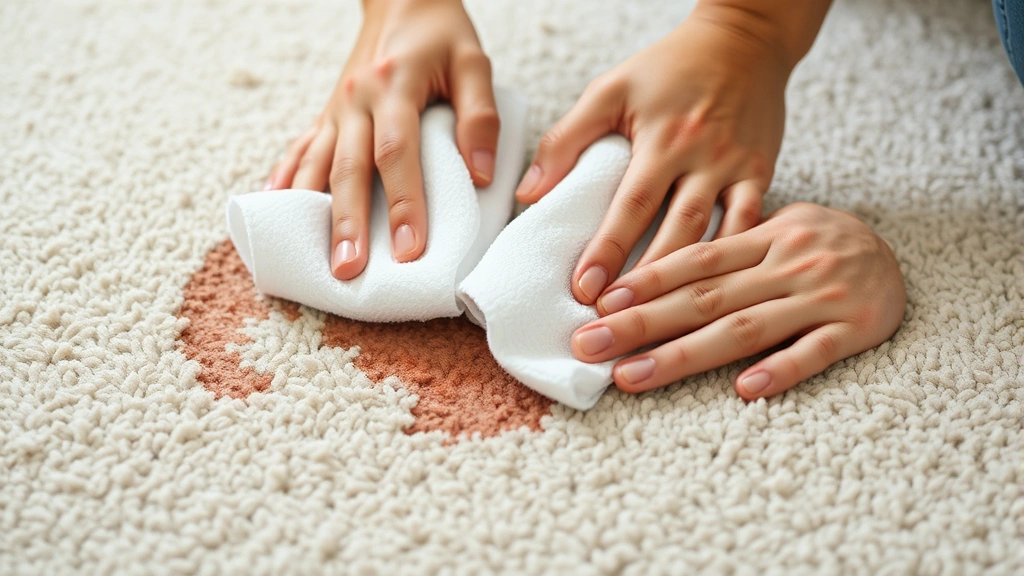
Your first instinct might be to grab paper towels and start scrubbing, but hold on! Before you do anything, take a deep breath and follow these immediate steps. First, remove any large solid material using a disposable cloth, old towel, or paper towels. Gently scoop up what you can without pressing it deeper into the carpet fibers. Dispose of this waste in a sealed bag to contain any odors.
Next, blot the affected area with clean, dry towels. The key word here is “blot,” not “rub.” Rubbing will only spread the vomit around and push it deeper into the carpet. Press down firmly with your towels to absorb as much moisture as possible. You may need to use several towels and repeat this process multiple times until you’re not getting much more moisture transfer.
Once you’ve removed the bulk of the material, resist the urge to immediately pour water or cleaning solution on the spot. Instead, sprinkle a generous amount of baking soda over the affected area. This will help absorb remaining moisture and neutralize odors. Let it sit for at least 15-30 minutes before proceeding to the next steps.
Essential Supplies You’ll Need
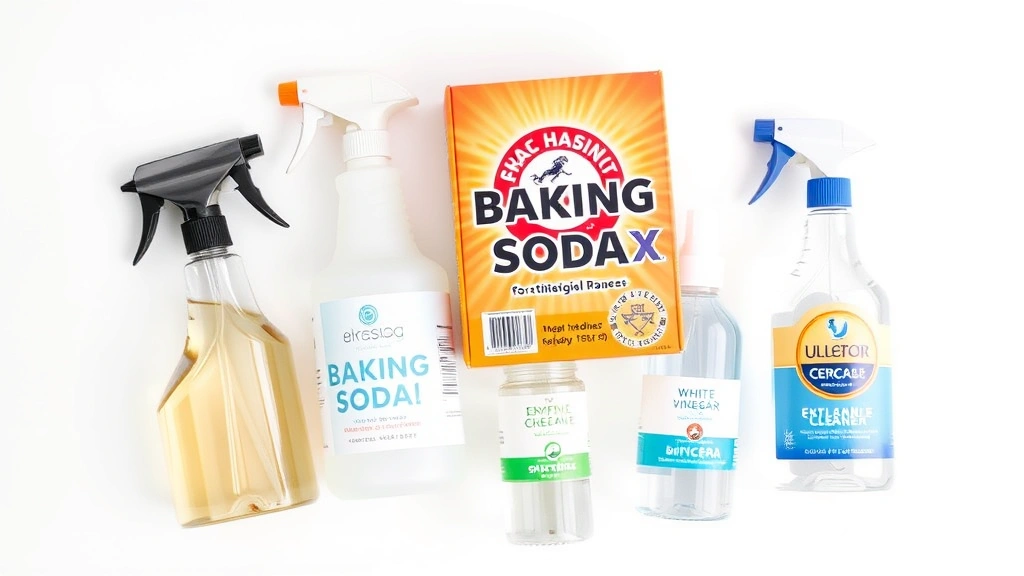
Before you start the cleaning process in earnest, gather your supplies. Having everything within arm’s reach will make the job faster and more efficient. Here’s your complete cleaning arsenal:
- Paper towels and old towels: You’ll need plenty of these for blotting and absorbing moisture
- Baking soda: A natural deodorizer and moisture absorber that’s safe for pets
- White vinegar: An effective natural cleaner that cuts through organic matter
- Dish soap: A mild detergent that helps break down vomit components
- Hydrogen peroxide: A powerful cleaning agent for stubborn stains
- Enzyme-based cleaner: Specifically designed to break down organic material at the molecular level
- Spray bottle: For applying cleaning solutions
- Vacuum cleaner: For final cleanup and baking soda removal
- Carpet cleaning machine (optional): For deep cleaning larger areas
- Rubber gloves: To protect your hands during cleanup
- Face mask (optional): If you have a sensitive stomach or respiratory issues
You likely already have most of these items at home, which means you can start cleaning immediately without a trip to the store. If you don’t have an enzyme-based cleaner on hand, professional-grade cleaners designed specifically for pet messes are worth investing in for future incidents.
Step-by-Step Removal Process
Now that you understand the importance of immediate action and have your supplies ready, let’s walk through the complete removal process. This method combines multiple cleaning approaches to ensure you get the best results.
Step 1: Initial Cleanup (Already Done) You’ve already removed solid material and blotted the area. You’ve also applied baking soda and let it sit. Excellent—you’re ahead of the game.
Step 2: Vacuum the Baking Soda After the baking soda has sat for 15-30 minutes, use your vacuum cleaner to thoroughly remove all the powder. Make multiple passes over the area to ensure complete removal. This step is crucial because leftover baking soda can interfere with your next cleaning applications.
Step 3: Apply Your First Cleaning Solution Mix equal parts white vinegar and water in a spray bottle. This creates a natural cleaning solution that’s particularly effective for fresh vomit. Spray the affected area generously, making sure to saturate the carpet fibers where the vomit penetrated. Let this solution sit for 5-10 minutes.
Step 4: Blot Again Using clean towels, blot up the vinegar solution. Press firmly and make multiple passes until you’ve removed as much liquid as possible. You should notice the vinegar smell, which is actually a good sign—it’s working to break down the organic material.
Step 5: Apply Enzyme-Based Cleaner This is where enzyme cleaners really shine. These products contain natural enzymes that literally consume the organic material left behind by vomit. Follow the product instructions carefully, as different brands have varying dilution ratios and application methods. Typically, you’ll spray the solution on the affected area and let it sit for several hours or even overnight.
Enzyme cleaners are particularly effective because they address the problem at a molecular level, not just on the surface. This is why they’re so highly recommended by veterinarians and professional carpet cleaners.
Step 6: Final Blotting Once the enzyme cleaner has done its work, blot the area thoroughly with clean towels. You may need to slightly dampen the towels with water to help lift the remaining cleaner from the carpet fibers.
Step 7: Dry Completely Allow the carpet to air dry completely. Open windows, use fans, or turn on your air conditioning to speed up the drying process. A damp carpet is an invitation for mold and mildew growth, so this step is important. You can also use towels to blot up any remaining moisture periodically as the carpet dries.
Deep Cleaning Methods That Work
Sometimes a simple spot treatment isn’t enough, especially if the vomit has soaked deep into the carpet or if you’re dealing with an older stain. In these cases, a more aggressive deep-cleaning approach is necessary.
Hydrogen Peroxide Method For particularly stubborn stains, hydrogen peroxide is a game-changer. Mix one part 3% hydrogen peroxide with two parts water. Apply this solution to the affected area and let it sit for 10-15 minutes. You may notice some fizzing and bubbling—this is the peroxide breaking down the organic material. Blot thoroughly with clean towels.
Important note: Always test hydrogen peroxide on a hidden area of your carpet first, as it can bleach certain carpet colors. This precaution takes just a minute and could save you from creating a new problem while solving the old one.
Dish Soap Solution Mix one tablespoon of liquid dish soap with two cups of warm water. This creates a gentle but effective cleaning solution. Apply it to the stain, let it sit for 5-10 minutes, then blot thoroughly. Rinse the area with clean water and blot again to remove any soap residue. Soap left in the carpet can actually attract dirt, so this final rinse step is essential.
Professional Carpet Cleaning If you have a carpet cleaning machine at home, this is an excellent opportunity to use it. Fill the machine’s water reservoir according to the manufacturer’s instructions, and use either a carpet-specific cleaning solution or your enzyme-based cleaner diluted in the machine’s water. Make multiple passes over the affected area, allowing the machine to extract as much moisture as possible.
According to the ASPCA’s pet care guidelines, professional deep cleaning is recommended at least once yearly for homes with pets. For homes dealing with frequent accidents, semi-annual cleaning might be more appropriate.
Eliminating Lingering Odors
Even after the visible stain is gone, the smell can linger and remind you (and your dog) of the accident. Persistent odors can even encourage your dog to use the same spot again, creating a frustrating cycle. Here’s how to completely eliminate the smell.
Baking Soda Treatment After your carpet has completely dried, generously sprinkle baking soda over the entire affected area and surrounding carpet. Let it sit overnight or for at least 8 hours. Baking soda is a natural deodorizer that absorbs odors rather than masking them. Vacuum thoroughly the next day, making multiple passes to ensure complete removal.
Activated Charcoal If baking soda doesn’t completely eliminate the odor, try activated charcoal. Place bowls of activated charcoal around the affected area and leave them for 24-48 hours. The charcoal will absorb remaining odors from the air and carpet. This works particularly well for stubborn smells that seem to persist.
White Vinegar Spray Create a final odor-eliminating spray by mixing equal parts white vinegar and water. Lightly spray this over the cleaned area (don’t saturate it). The vinegar smell will dissipate as it dries, taking the vomit odor with it. This is a quick solution that works well as a final step after your other cleaning efforts.
The reason eliminating dog smell from carpet is so important goes beyond just comfort—it’s about preventing future accidents. Dogs navigate the world through scent, and if they can still smell their previous accident, they’re more likely to use that spot again.
Prevention Tips for Future Incidents
The best way to deal with dog vomit is to prevent it in the first place. While you can’t always avoid accidents, there are several strategies that can significantly reduce their frequency.
Monitor Your Dog’s Diet Many vomiting incidents occur because dogs eat too quickly or consume inappropriate foods. Feed your dog in a calm environment and consider using slow-feeder bowls that force them to eat more slowly. Avoid giving your dog table scraps or rich human foods that their digestive system isn’t equipped to handle.
Identify Trigger Foods If your dog frequently vomits, certain foods might be the culprit. Common triggers include fatty foods, dairy products, and foods containing artificial additives. Keep a food diary and note when vomiting occurs to identify patterns. Your veterinarian can help you determine if a food allergy or sensitivity is responsible.
Regular Exercise A tired dog is often a healthier dog. Regular exercise helps maintain healthy digestion and can reduce stress-related vomiting. Aim for at least 30 minutes of daily exercise appropriate to your dog’s age and breed.
Stress Management Dogs can vomit due to anxiety or stress. If your dog vomits frequently, consider whether they might be experiencing separation anxiety, environmental stress, or other psychological factors. Creating a calm, predictable environment and using calming techniques can help.
Regular Veterinary Checkups If your dog is throwing up frequently, this could indicate an underlying health issue. Regular veterinary checkups can catch problems early before they become serious. Conditions like pancreatitis, gastritis, and food sensitivities all cause vomiting and are best addressed with professional veterinary care.
The American Kennel Club provides expert advice on dog health and behavior, including digestive issues. Their resources are invaluable for understanding when vomiting might indicate a more serious problem requiring veterinary attention.
When to Call the Professionals
Sometimes, despite your best efforts, professional help is necessary. Knowing when to call in the experts can save you time, money, and stress.
Persistent Stains If after following all these steps the stain remains visible or the odor persists, it’s time to call professional carpet cleaners. They have industrial-grade equipment and specialized solutions that can tackle stains that home treatments can’t.
Large Affected Areas If the vomit has affected a large area of your carpet, professional cleaning is often more practical than attempting to handle it yourself. They can clean efficiently and effectively, often with better results than DIY methods.
Valuable Carpets If you have expensive, antique, or delicate carpeting, professional cleaners should handle any serious stains. They understand different carpet types and know how to clean them safely without causing damage.
Health Concerns If your dog is vomiting frequently or showing other signs of illness, contact your veterinarian immediately. While you’re managing the carpet situation, a professional veterinarian can address the underlying health issue. According to veterinary medicine resources, frequent vomiting can indicate serious conditions that require professional diagnosis and treatment.
Behavioral Issues If your dog is vomiting due to behavioral issues or anxiety, a professional dog trainer or veterinary behaviorist might be necessary in addition to cleaning the carpet.
Frequently Asked Questions
Can I use bleach to clean dog vomit from carpet?
No, you should avoid using bleach on carpet. Bleach can permanently discolor or damage carpet fibers, and it can also be harmful to your dog if they come into contact with residual bleach. Stick with pet-safe cleaning solutions like enzyme cleaners, vinegar, and baking soda instead.
How long does it take for enzyme cleaner to work?
Most enzyme cleaners require between 6-24 hours to fully work. Some faster-acting formulas might work in 2-3 hours. Always follow the specific product instructions, as different brands have different timeframes. The longer you can let it sit, the better the results will typically be.
Will the smell come back if I don’t use an enzyme cleaner?
Possibly. If you only use surface-level cleaning methods like vinegar and soap, you might remove the visible stain but not the underlying organic material. This can cause odors to return, especially as the carpet gets damp from humidity or future cleaning. Enzyme cleaners are worth the investment specifically because they prevent this problem.
Is it safe to use these cleaning methods around my dog?
Most of the methods described are pet-safe, including baking soda, white vinegar, and enzyme cleaners designed for pet messes. However, you should always ensure your dog doesn’t ingest cleaning products and keep them away from the area while you’re cleaning. Allow everything to dry completely before letting your dog back in the area.
What should I do if my dog vomits frequently?
Frequent vomiting is a sign that something isn’t right. This could be a dietary issue, a food allergy, stress, or a medical condition. Start by reviewing how to stop dog diarrhea and other digestive issues, and then consult with your veterinarian. They can perform tests and help determine the underlying cause. Don’t ignore frequent vomiting—it’s your dog’s way of telling you something needs attention.
Can I prevent my dog from vomiting on the carpet specifically?
While you can’t prevent all vomiting, you can minimize the chances. Keep your dog’s food and water bowls away from carpeted areas when possible. If you notice your dog is about to vomit, try to quickly direct them to a tile, hardwood, or linoleum area. Additionally, using baby gates to restrict your dog’s access to carpeted areas during times when vomiting is likely can help.
Should I use a steam cleaner on dog vomit stains?
Steam cleaners can be effective for dog vomit stains, but use them after you’ve already done initial cleanup and applied enzyme cleaners. The heat from a steam cleaner can actually set some stains, so it’s better to use it as a final step rather than a first response. Make sure your carpet can handle steam cleaning by checking the manufacturer’s recommendations first.





