
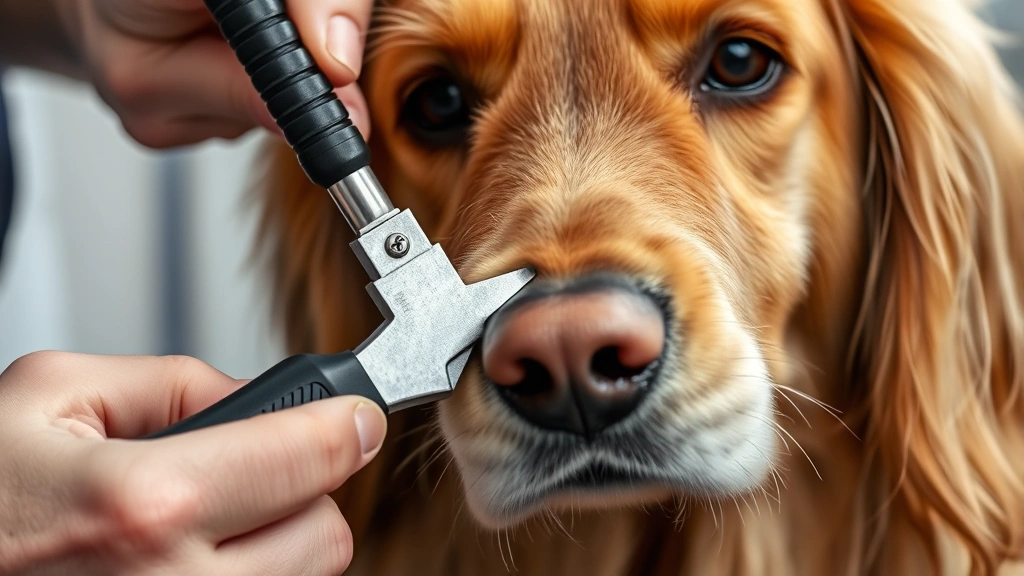
If you’ve ever run your fingers through your dog’s coat and felt a tangled, knotty mess, you already know that how to remove matted dog hair is one of the most frustrating challenges pet owners face. Mats aren’t just unsightly—they can trap moisture, harbor parasites, and cause serious skin infections if left untreated. The good news? You don’t need to panic or immediately book an expensive grooming appointment. With the right tools, techniques, and a little patience, you can tackle even the gnarliest mats at home.
Table of Contents
- Why Dog Hair Gets Matted in the First Place
- Method 1: The Detangling Spray and Slicker Brush Combo
- Method 2: The Mat Splitter Tool Technique
- Method 3: Oil-Based Saturation and Patience
- Method 4: The Dematting Comb Strategy
- Method 5: Professional Grooming and Prevention
- Essential Tools You’ll Need
- Signs Your Dog Might Have Underlying Skin Issues
- Making Grooming Less Stressful for Your Dog
- Seasonal Matting and Coat Blowing
- Frequently Asked Questions
- Final Thoughts: Prevention is Your Best Friend
Why Dog Hair Gets Matted in the First Place
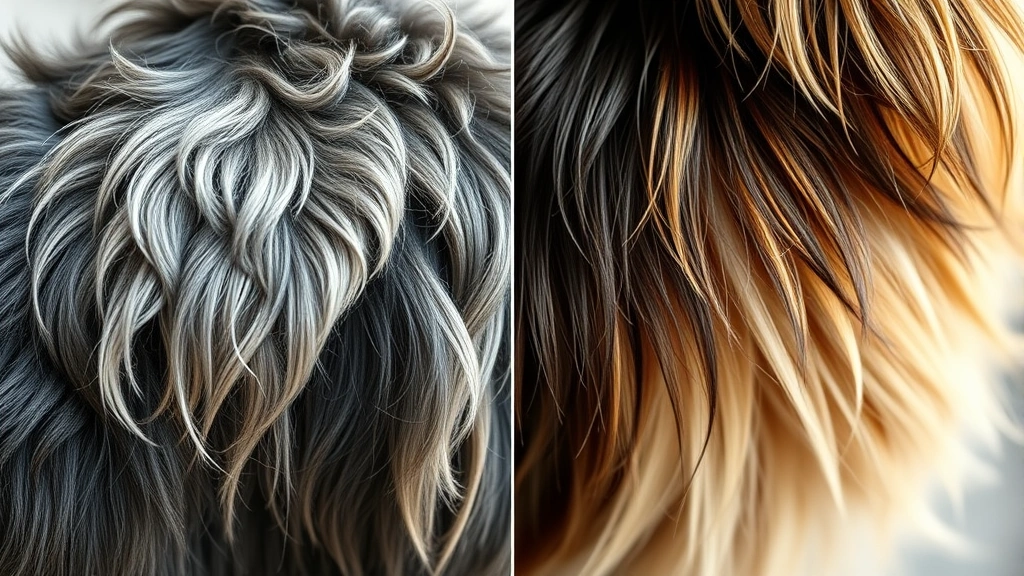
Before we dive into removal methods, let’s talk about why mats happen. Dogs with longer coats, curly hair, or double coats—like Golden Retrievers, Poodles, and German Shepherds—are especially prone to matting. When dead hair isn’t brushed out regularly, it tangles with live hair and tightens into dense clumps. Add moisture (from swimming, rain, or humidity), dirt, and lack of grooming into the mix, and you’ve got a perfect storm for mats. Some dogs are just more prone to matting due to their coat type and texture.
Method 1: The Detangling Spray and Slicker Brush Combo
This is your first line of defense and works best on mild to moderate matting. Start by spraying the matted area generously with a high-quality detangling spray or conditioner. A great option is exploring whether you can use human conditioner on dogs, though dog-specific products are usually safer and more effective.
Let the spray sit for 5-10 minutes to penetrate the mat. Then, using a slicker brush, gently work from the outside of the mat toward the center, working in small sections. Never yank or pull aggressively—this hurts your dog and can damage their coat. Be patient and work slowly. If the mat starts to loosen, use a metal comb to separate the individual hairs. This method works particularly well for minor tangles and preventative maintenance.
Method 2: The Mat Splitter Tool Technique
For stubborn, dense mats that won’t budge with a brush, a mat splitter is your secret weapon. This specialized tool looks like a small comb with a razor blade and is designed to cut through mats without harming the underlying skin. Hold the mat splitter at a 45-degree angle and gently saw through the mat, working from the outer edge inward. The key word here is “gently”—you’re not trying to hack it apart.
After making several cuts through the mat, use your fingers and a metal comb to gently pull the mat apart. Apply detangling spray between cuts to make the process easier. This method requires a steady hand and some practice, so don’t be discouraged if your first attempt isn’t perfect. Many groomers use this technique daily, and you can too with practice.
Method 3: Oil-Based Saturation and Patience
Sometimes the gentlest approach is the best. Saturate the matted area with a dog-safe oil like coconut oil or a specialized mat-removal oil. Work the oil deep into the mat with your fingers, really getting it to the roots. Let it sit for 15-30 minutes—or even overnight for severe mats. The oil breaks down the bonds holding the mat together.
After the oil has had time to work, use a wide-tooth comb to gently separate the mat. Work in very small sections, pulling gently and consistently. This method is slower but causes minimal stress to your dog and their skin. It’s especially good for dogs with sensitive skin or those who are anxious about grooming. You might need to repeat this process several times for stubborn mats.
Method 4: The Dematting Comb Strategy
A dematting comb (also called a mat comb or tangle teaser) is different from a regular comb—it has shorter, closely-spaced teeth designed specifically for breaking up mats. Start by applying detangling spray or conditioner to the mat. Then, using short, quick strokes, work the dematting comb through the mat in the direction of hair growth.
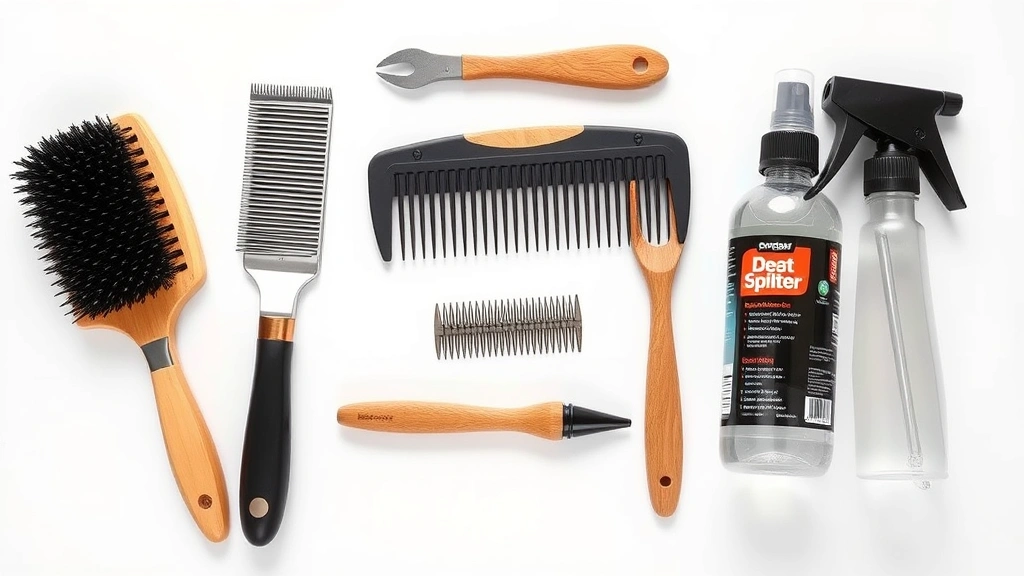
This tool is less aggressive than a mat splitter but more effective than a regular brush for moderate mats. Work section by section, and don’t rush. If your dog starts showing signs of discomfort, take a break. Always reward your pup with healthy pet treats during and after grooming sessions to create positive associations with the process.
Method 5: Professional Grooming and Prevention
Sometimes the best solution is knowing when to call in the professionals. If mats are severe, covering large areas of your dog’s body, or located near sensitive areas like the face and rear end, a professional groomer is your best bet. They have industrial-grade tools and years of experience handling difficult situations safely. If your dog is in pain or you notice skin irritation, consider scheduling a telehealth vet appointment to rule out underlying skin conditions.
Prevention is always easier than removal. Brush your dog’s coat 3-4 times per week (daily for long-haired breeds), pay special attention to areas prone to matting like behind the ears and under the armpits, and bathe your dog regularly. After bathing, always dry their coat thoroughly—damp coats mat much faster than dry ones.
Essential Tools You’ll Need
Invest in quality grooming tools: a slicker brush, metal comb, dematting comb, mat splitter, and a good detangling spray. You don’t need to spend a fortune, but cheap tools often don’t work well and can frustrate you (and your dog). A basic grooming kit costs $30-50 and will save you hundreds in professional grooming bills. Keep these tools accessible so you’re more likely to use them regularly.
Signs Your Dog Might Have Underlying Skin Issues
Excessive matting can sometimes indicate underlying health problems like allergies, parasites, or skin infections. If your dog is matting unusually fast, has red or inflamed skin under the mats, or is scratching excessively, consult your veterinarian. Conditions like Carprovet for dogs might be prescribed if your pup has pain or inflammation related to matting or skin conditions. Don’t assume all matting is just a grooming issue.
Making Grooming Less Stressful for Your Dog
Some dogs hate grooming, and that’s okay. Make the experience positive by keeping sessions short, offering praise and treats throughout, and never forcing your dog to sit still if they’re genuinely distressed. Desensitize them gradually to the tools by letting them sniff and explore before you start grooming. Start with just a few minutes of brushing and build up from there. Your dog’s emotional well-being matters as much as their physical appearance.
Seasonal Matting and Coat Blowing
Certain times of year are worse for matting, especially during seasonal coat blows when dogs shed heavily. During these periods, increase your brushing frequency to daily if possible. This is when mats form fastest because dead hair is constantly shedding and tangling with live hair. Being proactive during these seasons can save you significant headaches and grooming costs.
Frequently Asked Questions
Can I use human hair conditioner on my dog?
While some human conditioners are safe for dogs, it’s generally better to use dog-specific products. Human conditioners often contain ingredients that can irritate dog skin or cause digestive issues if ingested. For detailed information, check out our guide on whether you can use human conditioner on dogs.
How long does it take to remove a mat?
It depends on the mat’s size and severity. Small mats might take 5-15 minutes, while large, dense mats can take 30 minutes to an hour or more. Patience is key—rushing increases the risk of hurting your dog or damaging their coat.
Should I bathe my dog before or after removing mats?
Always remove mats before bathing. Wet hair mats even faster, and water can push mats deeper into the coat. Bathe your dog after mats are removed, then dry thoroughly to prevent future matting.
Will shaving my dog get rid of mats?
Yes, but it’s a last resort. Shaving removes the matted hair entirely, which can be necessary for severe cases. However, it changes your dog’s appearance and removes the coat’s natural insulation. Only consider shaving if mats are severe or your dog has underlying skin conditions.
How often should I brush my dog to prevent mats?
Long-haired and curly-haired dogs need brushing 3-4 times weekly at minimum, and daily during shedding seasons. Short-haired dogs can get by with weekly brushing, but more frequent brushing never hurts.
What if my dog has allergies causing matting?
If you suspect allergies or other health issues are causing excessive matting, consult your vet. They might recommend dietary changes (see our guide on pet dietary restrictions) or other treatments to address the underlying cause.
Final Thoughts: Prevention is Your Best Friend
Learning how to remove matted dog hair is valuable, but preventing mats in the first place is even better. Regular brushing, proper drying after baths, and staying on top of grooming will keep your dog’s coat healthy and beautiful. If you do encounter mats, stay calm, be patient with your pup, and remember that professional groomers are always available if you need backup. Your dog will thank you for keeping their coat in top condition—and they’ll be way more comfortable too. Happy grooming!





