
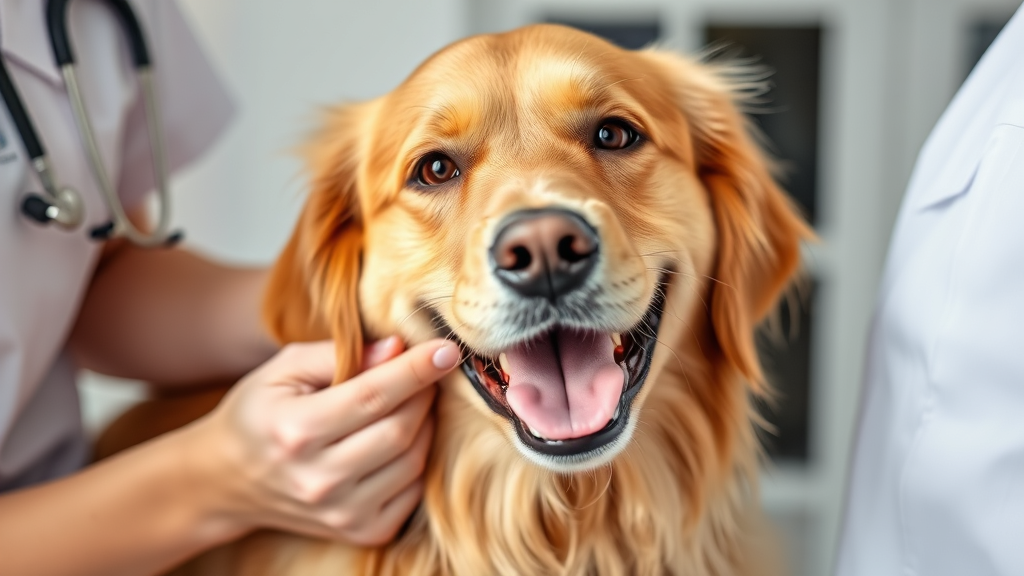
Discovering a lipoma on your beloved canine companion can be concerning, but these benign fatty tumors are more common than you might think. While lipomas are generally harmless, many pet owners seek natural methods to help shrink these soft, moveable lumps without immediately resorting to surgical intervention. Understanding how to shrink a dog lipoma naturally can provide peace of mind and potentially improve your dog’s comfort and appearance.
Lipomas are non-cancerous growths composed of mature fat cells that develop under the skin. They typically feel soft and squishy, move freely when touched, and grow slowly over time. While surgical removal is often recommended for large or problematic lipomas, many smaller ones can be managed naturally through dietary changes, supplements, and lifestyle modifications. This comprehensive guide will explore safe, effective natural approaches to help reduce the size of your dog’s lipoma while supporting overall health.
Understanding Dog Lipomas
Lipomas are benign fatty tumors that commonly affect middle-aged and senior dogs, particularly those who are overweight. These growths consist of mature adipose tissue surrounded by a thin capsule and can appear anywhere on the body, though they’re most frequently found on the chest, abdomen, legs, and shoulders. The American Kennel Club notes that certain breeds, including Labrador Retrievers, Golden Retrievers, and Cocker Spaniels, may be more predisposed to developing these growths.
The exact cause of lipomas remains unclear, but factors such as genetics, age, hormonal influences, and obesity appear to play significant roles. Unlike malignant tumors, lipomas grow slowly and rarely cause pain or discomfort unless they become very large or are located in areas that restrict movement. Most lipomas are diagnosed through physical examination, though veterinarians may recommend fine needle aspiration or biopsy to confirm the diagnosis and rule out more serious conditions.
Understanding the characteristics of lipomas is crucial for natural management. These tumors typically feel soft and doughy, move freely under the skin when touched, and maintain consistent size over long periods. However, any sudden changes in size, texture, or appearance warrant immediate veterinary attention to ensure proper diagnosis and rule out malignant transformation.

Dietary Approaches for Lipoma Management
Diet plays a fundamental role in managing lipomas naturally, as these fatty tumors may be influenced by your dog’s nutritional intake and metabolic health. A well-balanced, anti-inflammatory diet can help reduce the formation of new lipomas and potentially slow the growth of existing ones. Focus on high-quality proteins, healthy fats, and nutrient-dense whole foods while eliminating processed ingredients and artificial additives.
Implementing a weight management program is essential, as obesity significantly increases lipoma development risk. Reduce your dog’s caloric intake gradually and choose lean protein sources such as chicken breast, turkey, fish, and lean beef. Incorporate omega-3 fatty acids through fish oil supplements or fatty fish like salmon and sardines, as these have powerful anti-inflammatory properties that may help reduce lipoma size.
Consider adding antioxidant-rich foods to your dog’s diet, including blueberries, spinach, carrots, and sweet potatoes. These foods help combat free radicals and support cellular health. Some pet owners have reported success with apple cider vinegar for dogs, which may help improve digestion and metabolism when used appropriately under veterinary guidance.
Eliminate or significantly reduce processed foods, artificial preservatives, and low-quality ingredients that may contribute to inflammation and metabolic dysfunction. Instead, opt for whole food diets or high-quality commercial foods with minimal processing. The FDA’s guidelines on pet nutrition provide valuable information about reading pet food labels and selecting appropriate options.
Natural Supplements and Remedies
Several natural supplements have shown promise in supporting lipoma reduction and preventing new growth formation. Omega-3 fatty acids, particularly EPA and DHA from fish oil, are among the most researched supplements for reducing inflammation and potentially shrinking fatty tumors. The National Center for Biotechnology Information has documented the anti-inflammatory effects of omega-3 fatty acids in various animal studies.
Turmeric, containing the active compound curcumin, possesses powerful anti-inflammatory and antioxidant properties that may help reduce lipoma size. However, turmeric should be given with black pepper (piperine) to enhance absorption and always under veterinary supervision due to potential interactions with certain medications. Start with small doses and monitor your dog for any adverse reactions.
Milk thistle is another beneficial supplement that supports liver function and detoxification, potentially helping the body process and eliminate excess fats more efficiently. This herb has been used traditionally to support liver health and may play a role in lipoma management by improving overall metabolic function.
Green tea extract contains powerful antioxidants called catechins that may help prevent new lipoma formation and support existing tumor reduction. However, caffeine content makes this supplement potentially dangerous for dogs, so only use caffeine-free versions specifically formulated for pets and always consult your veterinarian before starting any supplement regimen.
Lifestyle Modifications and Exercise
Regular exercise and increased physical activity are crucial components of natural lipoma management. Exercise helps maintain healthy body weight, improves circulation, and supports overall metabolic function, all of which can contribute to lipoma reduction. Develop a consistent exercise routine appropriate for your dog’s age, breed, and physical condition.
Start with moderate activities such as daily walks, gradually increasing duration and intensity as your dog’s fitness improves. Swimming is an excellent low-impact exercise option that provides full-body workout without stressing joints, particularly beneficial for overweight dogs or those with existing mobility issues. The increased muscle mass from regular exercise can help improve metabolism and fat burning.
Stress reduction also plays an important role in lipoma management, as chronic stress can contribute to hormonal imbalances and inflammation that may promote tumor growth. Provide mental stimulation through puzzle toys, training sessions, and interactive play to keep your dog mentally engaged and reduce stress levels.
Ensure adequate sleep and rest periods, as proper sleep is essential for cellular repair and metabolic function. Create a comfortable, quiet sleeping environment and maintain consistent daily routines to support your dog’s overall well-being and natural healing processes.
Topical Natural Treatments
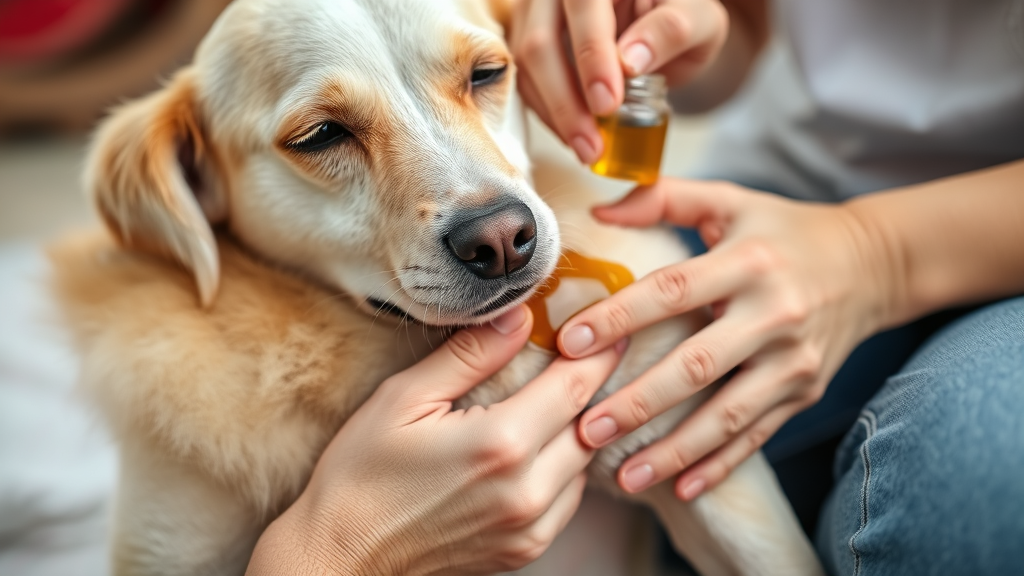
Several topical natural treatments may help reduce lipoma size when applied consistently over time. Castor oil has been traditionally used for various skin conditions and may help break down fatty deposits when massaged gently into the lipoma area. Apply a small amount of cold-pressed castor oil to the lipoma twice daily and massage gently in circular motions for several minutes.
Essential oils such as frankincense, oregano, and thyme have been reported by some pet owners to help reduce lipoma size, though scientific evidence is limited. If using essential oils, always dilute them properly with a carrier oil and test on a small skin area first to check for allergic reactions. Never apply undiluted essential oils directly to your dog’s skin.
Aloe vera gel, known for its anti-inflammatory and healing properties, may provide some benefit when applied topically to lipomas. Use pure, organic aloe vera gel without added chemicals or fragrances. However, prevent your dog from licking the treated area, as ingested aloe vera can be toxic to dogs.
Some holistic practitioners recommend applying warm compresses to lipomas to improve circulation and potentially help reduce size. Use a clean, warm cloth and apply for 10-15 minutes several times daily, being careful not to overheat the area or cause discomfort to your dog.
Monitoring Progress and When to Seek Help
Careful monitoring is essential when attempting to shrink lipomas naturally, as changes in size, texture, or appearance may indicate the need for veterinary intervention. Measure and photograph lipomas regularly to track progress objectively. Document any changes in your dog’s behavior, appetite, or energy levels that might be related to the lipomas or treatment approaches.
Natural treatments typically require several weeks to months to show visible results, so patience is crucial. Most lipomas grow slowly, so any rapid increase in size warrants immediate veterinary attention. Similarly, if a previously soft lipoma becomes firm or hard, changes color, becomes painful, or begins to ulcerate, discontinue natural treatments and consult your veterinarian immediately.
Regular veterinary checkups remain important even when pursuing natural management approaches. Your veterinarian can help differentiate between benign lipomas and other types of growths, monitor overall health, and provide guidance on safe natural treatment options. The American Veterinary Medical Association emphasizes the importance of professional evaluation for any new growths.
Keep detailed records of all natural treatments attempted, including dosages, duration, and observed effects. This information will be valuable for your veterinarian and can help identify which approaches are most effective for your individual dog.
Prevention Strategies
Preventing new lipoma formation is often easier than shrinking existing ones, making prevention strategies crucial for long-term management. Maintaining optimal body weight throughout your dog’s life significantly reduces lipoma risk, as obesity is a primary contributing factor. Regular weight monitoring and portion control help prevent excessive fat accumulation.
Provide consistent, high-quality nutrition throughout your dog’s life, focusing on whole food ingredients and avoiding processed foods high in artificial additives and preservatives. Early intervention with proper nutrition can help prevent the metabolic dysfunction that may contribute to lipoma development.
Regular grooming and skin examination allow early detection of new growths when they’re small and more manageable. Train yourself to recognize normal skin texture and appearance so you can quickly identify any changes that require attention. Just as you might monitor for pimples in dogs during grooming, regular lipoma checks should become routine.
Environmental factors may also play a role in lipoma development, so minimize exposure to environmental toxins, chemicals, and pollutants when possible. Choose natural, non-toxic cleaning products and avoid pesticide-treated areas during walks. The Environmental Protection Agency provides resources on keeping pets safe from environmental hazards.
Frequently Asked Questions
Can natural remedies completely eliminate dog lipomas?
While natural remedies can help reduce lipoma size and prevent new growth in many cases, complete elimination is not guaranteed. Success varies depending on the individual dog, lipoma characteristics, and consistency of treatment. Some lipomas may shrink significantly, while others may only stop growing or shrink slightly. Natural approaches work best when combined with proper veterinary care and realistic expectations.
How long does it take to see results from natural lipoma treatments?
Natural treatments for dog lipomas typically require 2-6 months of consistent application before visible results become apparent. Some dogs may show improvement within a few weeks, while others may take longer. Factors affecting timeline include the lipoma’s size, location, your dog’s overall health, and the specific treatments used. Patience and consistency are key to achieving the best results with natural approaches.
Are there any risks associated with natural lipoma treatments?
Most natural treatments are generally safe when used appropriately, but some risks exist. Essential oils can cause skin irritation or toxicity if used incorrectly. Dietary supplements may interact with medications or cause digestive upset. Always consult with your veterinarian before starting any natural treatment regimen, especially if your dog has existing health conditions or takes medications. Monitor for adverse reactions and discontinue treatments if problems arise.
When should I consider surgical removal instead of natural treatments?
Surgical removal should be considered if the lipoma grows rapidly, becomes painful, interferes with movement, develops hard areas, changes texture or color, or doesn’t respond to natural treatments after 6 months. Large lipomas that cause discomfort or mobility issues may also benefit from surgical intervention. Your veterinarian can help determine when surgery is the most appropriate option based on your dog’s specific situation.
Can diet alone shrink a dog’s lipoma?
Diet modifications can be very effective for lipoma management, particularly when combined with weight loss in overweight dogs. Anti-inflammatory diets rich in omega-3 fatty acids and antioxidants may help reduce existing lipomas and prevent new ones. However, diet alone may not be sufficient for all dogs, and combining dietary changes with supplements, exercise, and other natural approaches typically provides the best results. Similar to managing other skin conditions like hot spots on dogs, a comprehensive approach often works better than single interventions.
Is it safe to massage a dog’s lipoma?
Gentle massage around and over lipomas is generally safe and may help improve circulation to the area. Use light pressure and circular motions, being careful not to cause discomfort. However, avoid aggressive manipulation, and stop immediately if your dog shows signs of pain or discomfort. If the lipoma is in a sensitive area or your dog resists touching, consult your veterinarian before attempting massage therapy.
What’s the difference between a lipoma and other types of lumps on dogs?
Lipomas are typically soft, moveable, and painless, while malignant tumors may feel firm, be attached to underlying tissues, and grow rapidly. Cysts may feel similar to lipomas but often have a different texture or may contain fluid. Other skin conditions, including issues similar to those requiring knowledge about healing dog wounds, can also create lumps or bumps. Only a veterinarian can definitively diagnose the type of growth through physical examination and potentially additional testing such as fine needle aspiration or biopsy.





