
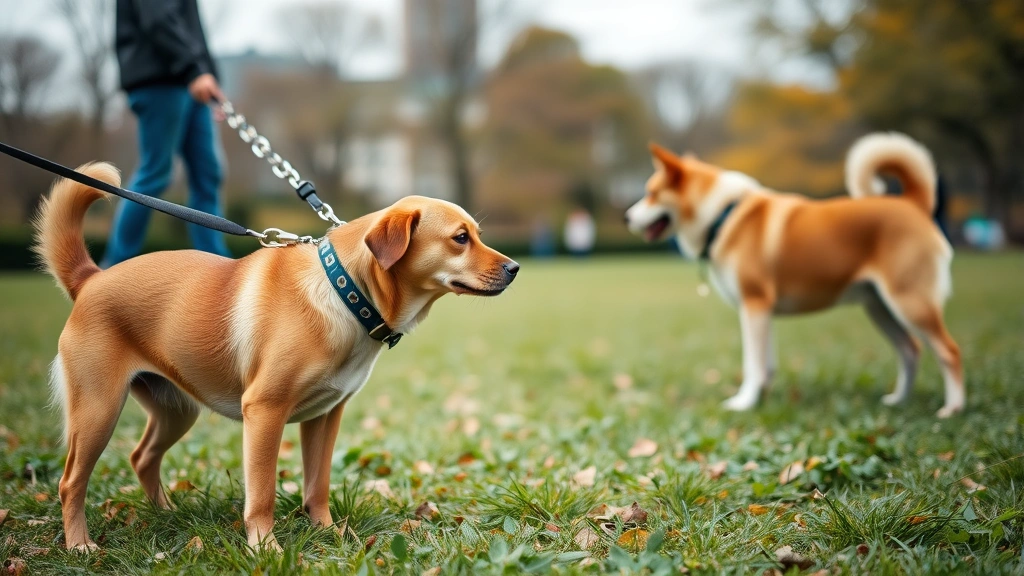
Learning how to socialize a reactive dog is one of the most challenging—and rewarding—journeys a pet parent can take. If your furry friend loses their mind at the sight of other dogs, people, or even a plastic bag blowing in the wind, you’re not alone. Reactive dogs are actually pretty common, and the good news? They can absolutely learn to chill out with the right approach.
Table of Contents
- What Makes a Dog Reactive Anyway?
- Step 1: Identify Your Dog’s Specific Triggers
- Step 2: Master the Art of Counter-Conditioning
- Step 3: Desensitization Through Gradual Exposure
- Step 4: Implement Management Strategies While Training
- Step 5: Build Confidence Through Positive Experiences
- The Role of Leash Reactivity in Your Training Plan
- When to Bring in a Professional Trainer
- Nutrition and Health: Often Overlooked Factors
- Technology and Monitoring Your Progress
- Realistic Timelines and Expectations
- Frequently Asked Questions
- The Bottom Line: Your Reactive Dog Can Improve
Reactive dogs aren’t aggressive dogs—though reactivity can sometimes look aggressive. A reactive dog is one who responds to stimuli (other dogs, people, cars, you name it) with an overblown reaction that’s often rooted in fear, frustration, or overexcitement. The key difference? Reactivity is about the response; aggression is about intent to harm. Understanding this distinction will change how you approach training.
What Makes a Dog Reactive Anyway?
Before diving into the solutions, let’s talk about why your dog is being a furry little drama queen in the first place. Reactivity stems from several sources: genetics, lack of early socialization, traumatic experiences, or even medical issues. Some dogs are just born with a more sensitive nervous system—they’re the anxious introverts of the canine world.
A reactive dog’s brain is essentially stuck in fight-or-flight mode. When they see a trigger, their amygdala (the fear center) hijacks their prefrontal cortex (the rational thinking part). It’s like their brain is screaming “DANGER!” when really, it’s just a golden retriever trying to say hi. The good news? You can rewire that neural pathway with patience and consistency.
Step 1: Identify Your Dog’s Specific Triggers
You can’t fix what you don’t understand. Spend a week or two observing your dog in different situations. Does he react to other dogs? People in hats? Motorcycles? Skateboards? Write it down. Be specific. “Other dogs” is too vague—is it big dogs? Small dogs? Dogs on leash? Dogs off-leash?
Once you’ve mapped out the triggers, note the distance at which your dog reacts. This is called the “threshold distance.” If your dog freaks out when another dog is 50 feet away but stays calm at 100 feet, you’ve just identified your starting point for training. This is crucial information.
Step 2: Master the Art of Counter-Conditioning
Counter-conditioning is basically teaching your dog that triggers = good things happen. Instead of seeing another dog and thinking “THREAT,” your pup learns to think “treat time!”
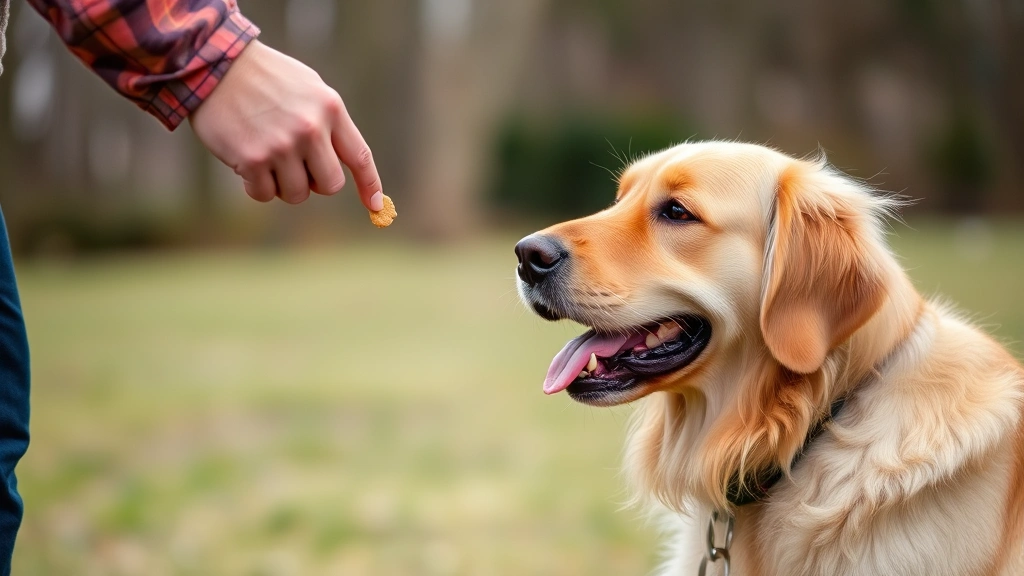
Here’s how it works: Set up controlled situations where your dog sees the trigger from a distance where they don’t react (below threshold). The moment they notice the trigger, reward them with high-value treats—we’re talking chicken, cheese, or whatever makes their tail wag like a helicopter blade. Repeat this hundreds of times. Seriously, hundreds.
The goal is to create a new association in their brain. Trigger = treats = good things. Over weeks and months, gradually decrease the distance to the trigger while maintaining the reward system. This is the foundation of reactive dog training that actually sticks.

Step 3: Desensitization Through Gradual Exposure
Desensitization works hand-in-hand with counter-conditioning. It’s about slowly and carefully exposing your dog to their triggers at levels they can handle without going into meltdown mode.
Start at a distance where your dog notices the trigger but doesn’t react. This might be across the street from a dog park or several houses away from a busy intersection. Stay there until your dog ignores the trigger. Then, over multiple sessions (we’re talking weeks here, not days), gradually move closer.
Think of it like turning up the volume on a stereo. You don’t blast it to 11 immediately—you start at 2 and slowly increase it. Your dog’s nervous system needs time to adjust. Patience isn’t just a virtue here; it’s a requirement.
Step 4: Implement Management Strategies While Training
Here’s the reality: you can’t train your way out of every situation immediately. While you’re working on counter-conditioning and desensitization, you need to manage your dog’s environment to prevent rehearsal of reactive behaviors.
Rehearsal is the enemy. Every time your dog reacts, they’re practicing that behavior, and practice makes permanent. So avoid situations that trigger your dog until they’re ready. Take different walking routes. Avoid peak hours at the park. Use a crate in the car if car reactivity is an issue. Walk during quieter times.
You might also consider Pet Telehealth consultations to discuss anxiety medication with your vet. Yes, medication can be a helpful tool alongside training—not instead of it, but alongside it. Some dogs need chemical support to calm their nervous system enough to learn new behaviors.
Step 5: Build Confidence Through Positive Experiences
A reactive dog is often an anxious or insecure dog. Building their confidence is essential. Create positive experiences that have nothing to do with their triggers. Agility classes, sniff walks, swimming, playing fetch—activities where your dog can succeed and feel good about themselves.
A confident dog is a calmer dog. When your pup feels good about themselves and trusts you to keep them safe, they’re much more likely to handle trigger situations with grace. Plus, these activities tire them out mentally, which is huge for reactive dogs who often have anxious, racing minds.

The Role of Leash Reactivity in Your Training Plan
Leash reactivity is one of the most common forms of reactivity, and it’s particularly frustrating because you can’t just avoid it—you have to walk your dog. The leash itself can actually amplify reactivity because your dog feels trapped. They can’t flee, so they fight.
For leash reactivity specifically, consider using a front-clip harness (like an Easy Walk harness) rather than a standard collar. This gives you better control and reduces the pulling that can escalate reactions. Keep walks short and in quiet areas during the early training phases. As your dog improves, gradually introduce busier environments.
The American Kennel Club has excellent resources on leash training that complement reactive dog work beautifully.
When to Bring in a Professional Trainer
If your dog’s reactivity is severe, involves aggression, or isn’t improving after 4-6 weeks of consistent training, call a certified professional. Look for trainers certified by the Certification Council for Professional Dog Trainers (CCPDT) or similar organizations. Avoid trainers who use punishment-based methods—these often make reactivity worse.
A good trainer will assess your specific situation and create a customized plan. They might use techniques like the “Look at Me” command or “Watch” training to redirect your dog’s attention away from triggers. PetMD offers comprehensive training guides that can supplement professional help.
Nutrition and Health: Often Overlooked Factors
Here’s something most people don’t talk about: a dog’s reactivity can be influenced by their diet and overall health. A dog with chronic pain, nutritional deficiencies, or digestive issues is going to be more reactive. Make sure your dog is eating a high-quality diet and getting regular vet checkups.
If your dog is on medication or has specific dietary needs, check out our guide on Appetizing Foods for Pets on Medication. Sometimes the right nutrition can genuinely help calm a reactive dog’s nervous system.
Technology and Monitoring Your Progress
Keep detailed records of your training progress. Note dates, triggers, distances, reactions, and successes. Over time, you’ll see patterns and improvements that might not be obvious day-to-day. Some people use Remote Pet Health Monitoring tools to track their dog’s stress levels and correlate them with training progress.
Video recording your training sessions is also incredibly helpful. You’ll spot subtle improvements and patterns that you might miss in the moment. Plus, if you’re working with a trainer, videos help them assess your technique and provide better feedback.
Realistic Timelines and Expectations
Let’s be honest: fixing reactivity takes time. We’re talking weeks to months, sometimes longer depending on severity. Your dog didn’t become reactive overnight, and they won’t become calm overnight either. But with consistent, patient effort, most dogs show significant improvement within 8-12 weeks.
Some dogs will never be perfectly social butterflies—and that’s okay. The goal isn’t to turn your reactive dog into a party animal. It’s to help them feel safe and confident enough to coexist peacefully with their triggers. A dog who used to lunge and bark at every other dog but now just watches calmly from a distance? That’s a massive win.
Frequently Asked Questions
How long does it take to socialize a reactive dog?
Most reactive dogs show noticeable improvement within 8-12 weeks of consistent training, but significant behavioral change can take 6 months to a year or longer. The timeline depends on the dog’s age, the severity of reactivity, and how consistently the training is implemented. Patience is essential.

Can you socialize an older reactive dog?
Absolutely. While it’s easier to socialize puppies, adult and senior dogs can absolutely learn new behaviors. Dogs of any age have neuroplasticity—the ability to form new neural pathways. It might take slightly longer with older dogs, but improvement is definitely possible.
Is a reactive dog the same as an aggressive dog?
No. Reactivity is an overblown response to stimuli, often rooted in fear or frustration. Aggression is intent to harm. A reactive dog might bark and lunge but has no intention of actually fighting. That said, if reactivity isn’t addressed, it can escalate into aggression, so early intervention is important.
Can anxiety medication help with reactivity?
Yes, in many cases. Anti-anxiety medication can help calm a dog’s nervous system enough to learn new behaviors through training. Medication is most effective when combined with behavioral training, not used as a standalone solution. Discuss options with your vet through Virtual Vet Consultation for Diet Questions or in-person appointments.
What’s the best treat to use for counter-conditioning?
Use whatever your dog finds most rewarding. For most dogs, this means high-value treats like chicken, cheese, hot dogs, or freeze-dried meat. The treat should be something they only get during training sessions, so it remains special and motivating. Experiment to find what makes your dog’s eyes light up.
The Bottom Line: Your Reactive Dog Can Improve
How to socialize a reactive dog isn’t a mystery—it’s a systematic, patient process of counter-conditioning, desensitization, management, and confidence-building. Your reactive dog isn’t broken or hopeless. They’re just scared or frustrated, and with the right approach, they can learn to handle their triggers with calm, confidence.
Start by identifying triggers, implement counter-conditioning at safe distances, gradually expose your dog to triggers while managing their environment, and build their overall confidence through positive experiences. Be patient, stay consistent, and don’t hesitate to call in a professional if you need extra support.
Your dog is counting on you, and the fact that you’re here reading this means you’re already on the right path. Stick with it. The payoff—a calmer, happier, more confident dog—is absolutely worth it.





