
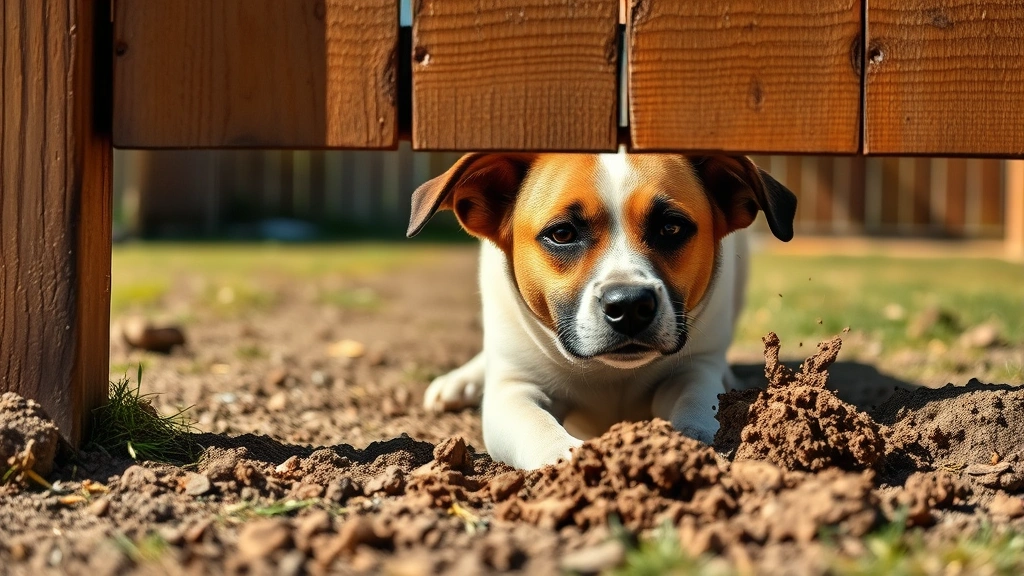
If your pup has turned your backyard into a lunar landscape with escape tunnels, you’re not alone—and yes, how to stop a dog digging under the fence is one of the most common headaches dog owners face. Whether your furry escape artist is a determined terrier or an anxious golden retriever, the good news is that this behavior is totally manageable with the right strategies.
Table of Contents
- Why Dogs Dig Under Fences in the First Place
- Method 1: Install a Fence Barrier (The Nuclear Option)
- Method 2: Create a Designated Digging Zone
- Method 3: Address Boredom and Anxiety Through Exercise and Enrichment
- Method 4: Use Deterrents and Unpleasant Sensations
- Method 5: Supervision and Training
- Combination Approach: The Best Strategy
- Special Considerations for Different Dog Types
- When to Call a Professional
- Preventing Future Digging Problems
- Summary: Your Action Plan
- Frequently Asked Questions
Dogs dig for all sorts of reasons: boredom, anxiety, hunting instincts, or that irresistible urge to chase a squirrel into the neighbor’s yard. The bad news? A determined digger can wreak havoc on your landscaping and potentially escape into danger. The good news? We’ve got five battle-tested methods that’ll help you reclaim your yard from the Great Escape artist living under your roof.
Why Dogs Dig Under Fences in the First Place
Before we tackle solutions, let’s understand what’s driving your dog’s digging behavior. Dogs aren’t trying to ruin your day (okay, maybe a little)—they’re responding to instincts and needs.
The most common culprits include boredom (especially in high-energy breeds), anxiety or stress, prey drive (hello, moles and gophers), seeking cooler ground on hot days, or trying to escape to find mates. Some dogs are just natural diggers—terriers were literally bred to dig after small animals, so if you’ve got one of these guys, you’re fighting millions of years of evolution.
Understanding the root cause matters because it determines which solution will work best. A bored dog needs enrichment; an anxious dog needs calming; a heat-seeking dog needs shade. Let’s get into the fixes.
Method 1: Install a Fence Barrier (The Nuclear Option)
The most foolproof way to stop a dog from digging under the fence is to make it physically impossible. This involves installing a barrier that prevents tunneling altogether.
The easiest approach is an L-shaped footer: dig a trench about 12 inches deep along the inside base of your fence, then lay down sturdy materials like chicken wire, hardware cloth, or concrete pavers. Bend the material outward at a 90-degree angle and bury it. When your dog digs down, they’ll hit the barrier and give up. It’s not glamorous, but it works like a charm.
For a more permanent solution, consider pouring a concrete footer along the fence line. Yes, it’s pricier, but you’ll never worry about escape attempts again. Some people use buried fence panels or metal edging—basically anything that creates an impenetrable barrier.
Pro tip: If your dog is a shallow digger, you might only need 6-8 inches of protection. Test and adjust based on your pup’s determination level.
Method 2: Create a Designated Digging Zone
Here’s a counterintuitive approach that works surprisingly well: give your dog permission to dig in one specific spot. It sounds crazy, but it actually channels that natural digging urge into an acceptable outlet.
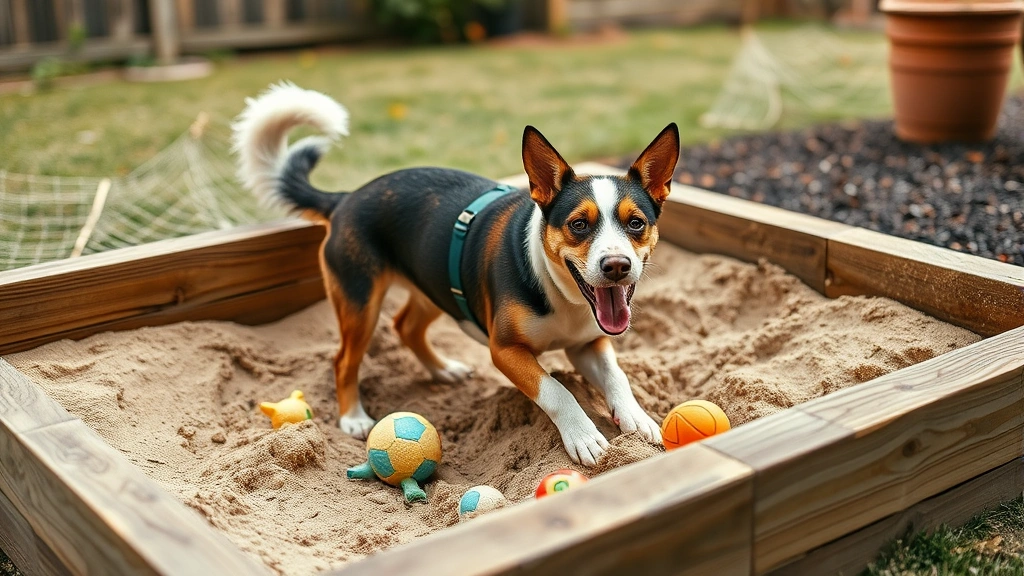
Set up a designated sandbox or digging pit in your yard—think of it as a doggy sandbox at the beach. Fill it with loose soil, sand, or mulch. Bury toys, treats, or bones in there to make it irresistible. Then, whenever you catch your dog digging elsewhere, redirect them to their special zone with enthusiasm and rewards.
This method works best combined with other strategies, especially for breeds with strong digging instincts. It’s not a complete solution, but it reduces the urge to tunnel under fences by giving dogs a legitimate outlet. Plus, your dog gets enrichment and mental stimulation—that’s a win-win.
Method 3: Address Boredom and Anxiety Through Exercise and Enrichment
A tired dog is a well-behaved dog, and this absolutely applies to fence-digging behavior. Many dogs dig because they’re bored, anxious, or have excess energy they don’t know what to do with.
Increase your dog’s daily exercise significantly. This means longer walks, runs, fetch sessions, or trips to the dog park. High-energy breeds like Catahoula Leopard Dogs need 60+ minutes of vigorous activity daily. Even calmer dogs benefit from at least 30 minutes of structured exercise.
Beyond exercise, provide mental enrichment: puzzle toys, sniff games, training sessions, or interactive feeders. A dog’s brain needs stimulation as much as their body does. Rotate toys to keep things fresh and interesting. Consider puzzle feeders that make your dog work for their meals—it’s enriching and tiring.
If your dog shows signs of separation anxiety or stress-related digging, consult your vet about anxiety management strategies. Sometimes this involves behavior modification training, calming supplements, or in severe cases, medication.
Method 4: Use Deterrents and Unpleasant Sensations
Dogs learn quickly when digging becomes unpleasant. There are several deterrent strategies that discourage tunneling without causing harm.
One effective method is burying motion-activated sprinklers near the fence line. When your dog approaches to dig, the sprinkler activates and startles them. It’s harmless but unpleasant enough to discourage repeat attempts. Similarly, some people use ultrasonic deterrent devices that emit sounds dogs dislike.
You can also bury chicken wire or plastic netting just below the surface where your dog typically digs. When they dig and hit it, the resistance and clanking sounds discourage them. It’s not painful, just annoying enough to make them think twice.
Another option: cover the digging spots with decorative rocks, river stones, or prickly plants. Dogs don’t enjoy digging in uncomfortable surfaces. Just make sure whatever you use is safe and won’t hurt your pup’s paws.
For more information on keeping your dog healthy and safe, check out Pet Nutrition Advice to ensure proper diet supports their overall wellbeing.
Method 5: Supervision and Training
Old-school but effective: catch your dog in the act and redirect. This requires supervision, but it’s crucial for breaking the habit.
When you see your dog starting to dig, interrupt calmly (no yelling—that can increase anxiety), redirect them to an appropriate activity, and reward them heavily for compliance. Positive reinforcement is way more effective than punishment. Never punish after the fact; dogs won’t understand why they’re being corrected if they’re not caught red-handed.
Teach a solid “leave it” command. Train this in low-stakes situations first, then practice it near the fence. When your dog approaches the digging spot, give the command and reward compliance. Consistency is everything here.
Make sure your dog gets plenty of attention and interaction with you. Sometimes digging is a bid for attention (even negative attention counts). Increase positive interactions—playtime, training, cuddles—so your dog doesn’t feel the need to engage in destructive behavior to get your notice.
Combination Approach: The Best Strategy
Honestly, the most effective solution combines multiple methods. You might use a physical barrier (Method 1) to prevent escape, provide a digging zone (Method 2), increase exercise and enrichment (Method 3), add deterrents (Method 4), and maintain consistent training (Method 5).
This multi-pronged approach addresses the physical barrier, the underlying motivation, and the behavioral habit. It’s not one magic bullet—it’s a comprehensive strategy tailored to your specific dog.
According to the American Kennel Club, understanding your dog’s breed tendencies is crucial. Some breeds are naturally more prone to digging, and accepting this while managing it effectively is key.
Special Considerations for Different Dog Types
Terriers and other digging breeds need more robust solutions. These dogs were literally bred to dig, so you’re fighting genetics. A combination of all five methods is usually necessary. High-energy breeds need significantly more exercise and enrichment. Anxious dogs benefit from calming strategies, possibly including consultation with a veterinary behaviorist through PetMD.

Older dogs might dig less but could have different motivations. Puppies are often just exploring and learning—patience and training go a long way. Consider your dog’s age, health status, and individual personality when choosing strategies.
When to Call a Professional
If your dog’s digging is obsessive, accompanied by anxiety symptoms, or resistant to all your efforts, consult a certified professional dog trainer or veterinary behaviorist. Sometimes underlying anxiety or compulsive disorders require professional intervention. Your vet can rule out medical issues and recommend appropriate behavioral support.
Preventing Future Digging Problems
If you’re getting a new dog, start good habits immediately. Provide exercise, enrichment, and appropriate outlets from day one. Supervise yard time. Address any signs of anxiety early. Prevention is always easier than correction.
For current diggers, consistency is everything. It takes time to break habits—typically several weeks to months depending on how established the behavior is. Stay patient and committed to your chosen strategy.
Summary: Your Action Plan
To stop a dog digging under the fence, start by identifying why your dog is digging. Is it boredom? Anxiety? Natural instinct? Then implement the appropriate solution: physical barriers for escape prevention, designated digging zones for instinctive diggers, increased exercise for bored dogs, deterrents for persistent diggers, and consistent training for behavioral modification.
Most successful outcomes involve combining multiple methods. Be patient—breaking digging habits takes time, but with consistency and the right approach, your backyard will be escape-proof and your dog will be happy and fulfilled.
Frequently Asked Questions
How long does it take to stop a dog from digging under the fence?
It typically takes 2-8 weeks to see significant improvement, depending on how established the behavior is and which methods you use. Physical barriers work immediately, while behavioral modifications take longer. Consistency is crucial—if you stop implementing strategies, the behavior often returns.
Will burying my dog’s poop in the digging spot stop them?
This old wives’ tale doesn’t actually work. Dogs don’t find their own waste deterrent—in fact, some dogs are attracted to digging where they or other dogs have eliminated. Skip this approach and use proven methods instead.
Is shock collar training effective for stopping fence digging?
Shock collars are controversial and generally not recommended by modern trainers. They can increase anxiety and stress, potentially making digging worse. Positive reinforcement methods are more effective and humane. Consult a certified trainer for ethical alternatives.
Can I use poison or harmful substances to deter digging?
Absolutely not. Never use anything toxic or harmful. Your dog’s safety is paramount. Stick to harmless deterrents like motion-activated sprinklers, uncomfortable textures, or unpleasant (but safe) sensations.
What if my dog is digging to escape because they’re scared?
This indicates anxiety that needs professional attention. Talk to your vet about the underlying cause. Your dog might be fearful of loud noises, other animals, or separation. Address the anxiety root cause while implementing physical barriers to prevent escape.
Is it normal for dogs to dig under fences?
Yes, it’s completely normal behavior, especially for certain breeds. Dogs dig for exercise, entertainment, comfort, or to escape. While normal, it’s not acceptable for most situations, so managing it is important for safety and property preservation.





