

Is your beautiful garden starting to look like a battlefield, complete with crater-sized holes and displaced flowers? You’re not alone in this frustrating struggle with your four-legged excavator. Dog digging is one of the most common behavioral challenges pet owners face, transforming pristine lawns into moonscapes and leaving homeowners wondering how to reclaim their outdoor spaces.
Understanding how to stop a dog from digging requires patience, consistency, and the right approach tailored to your dog’s specific motivations. Whether your pup is digging out of boredom, instinct, or environmental factors, there are proven strategies that can help redirect this natural behavior into more appropriate activities. With the right techniques and understanding, you can create a dig-free zone that keeps both you and your furry friend happy.
Understanding Why Dogs Dig
Before addressing the digging behavior, it’s crucial to understand the underlying reasons why dogs engage in this natural activity. Digging is an instinctual behavior that served important purposes for dogs’ wild ancestors, including creating shelter, storing food, and hunting prey. Modern domestic dogs retain these instincts, even though the original purposes may no longer be relevant to their current lifestyle.
Boredom and excess energy are among the most common triggers for destructive digging. Dogs that don’t receive adequate physical exercise or mental stimulation often channel their energy into digging activities. This is particularly common in high-energy breeds like Border Collies, Australian Cattle Dogs, and Jack Russell Terriers, who were bred for active work and require substantial daily exercise to remain content.
Anxiety and stress can also manifest as digging behavior. Dogs experiencing separation anxiety may dig as a coping mechanism or attempt to escape their confined area. Similarly, dogs that are experiencing stress from environmental changes, new family members, or other disruptions may resort to digging for comfort and stress relief.
Some dogs dig to regulate their body temperature, especially during hot weather. The earth beneath the surface remains cooler, and dogs instinctively create shallow depressions to lie in for relief from heat. This behavior is more common in breeds with thick coats or those not well-suited to warm climates.

Environmental Factors That Encourage Digging
Your yard’s environment plays a significant role in encouraging or discouraging digging behavior. Certain areas naturally attract dogs to dig, while others can be modified to reduce the temptation. Understanding these environmental triggers is essential for creating an effective anti-digging strategy.
Soil composition significantly affects a dog’s likelihood to dig in specific areas. Soft, loose soil is much easier to excavate than hard-packed earth, making flower beds and recently tilled areas prime targets. Clay soil, while more challenging to dig, may become attractive after rain when it softens. Sandy soil, on the other hand, provides easy digging opportunities that many dogs find irresistible.
Underground attractions can draw dogs to specific digging spots repeatedly. Root systems, buried toys, or even small animals like moles and gophers can create compelling reasons for dogs to excavate particular areas. If your dog consistently returns to the same spot, investigate what might be attracting them beneath the surface.
Water sources and drainage areas often become digging hotspots. Dogs may dig near sprinkler systems, leaky hoses, or areas where water naturally collects. The combination of soft, moist soil and the cooling effect of water makes these locations particularly appealing, especially during warmer months.
Shade patterns throughout the day also influence digging behavior. Areas that provide cool, shaded relief during the hottest parts of the day naturally attract dogs seeking comfort. Understanding your yard’s shade patterns can help you predict and prevent digging in these high-probability zones.
Prevention Strategies and Training Techniques
Effective prevention requires a multi-faceted approach that addresses both the physical environment and your dog’s behavioral patterns. The key to success lies in consistency and providing appropriate alternatives while making unwanted digging less appealing or accessible.
Physical barriers represent one of the most immediate and effective solutions. Installing decorative fencing around garden beds, laying chicken wire flush with the ground, or placing large rocks in strategic locations can prevent access to prime digging spots. These barriers should be integrated thoughtfully into your landscape design to maintain aesthetic appeal while serving their protective function.
Deterrent substances can make previously attractive digging areas less appealing. Commercial dog repellents, citrus peels, cayenne pepper, or coffee grounds scattered around vulnerable areas often discourage digging. However, it’s important to research any substances you use to ensure they’re safe for both your dog and your plants. The ASPCA’s Animal Poison Control Center provides valuable information about potentially harmful substances.
Positive reinforcement training forms the foundation of long-term behavioral change. When you catch your dog digging, redirect them to an appropriate activity and reward compliance with treats, praise, or play. Avoid punishment-based methods, which can increase anxiety and potentially worsen the digging behavior. Instead, focus on teaching the “leave it” and “come” commands, which provide you with tools to interrupt digging behavior before it escalates.
Supervision and timing play crucial roles in prevention success. Many dogs dig when left unsupervised, so increasing your presence in the yard during times when digging typically occurs can help interrupt the behavior. If you notice patterns in your dog’s digging schedule, plan engaging activities during those periods to redirect their energy.
Creating Appropriate Digging Alternatives
Rather than completely suppressing your dog’s natural digging instincts, providing appropriate outlets can satisfy their needs while protecting your landscape. Creating designated digging areas and alternative activities helps channel this behavior constructively.
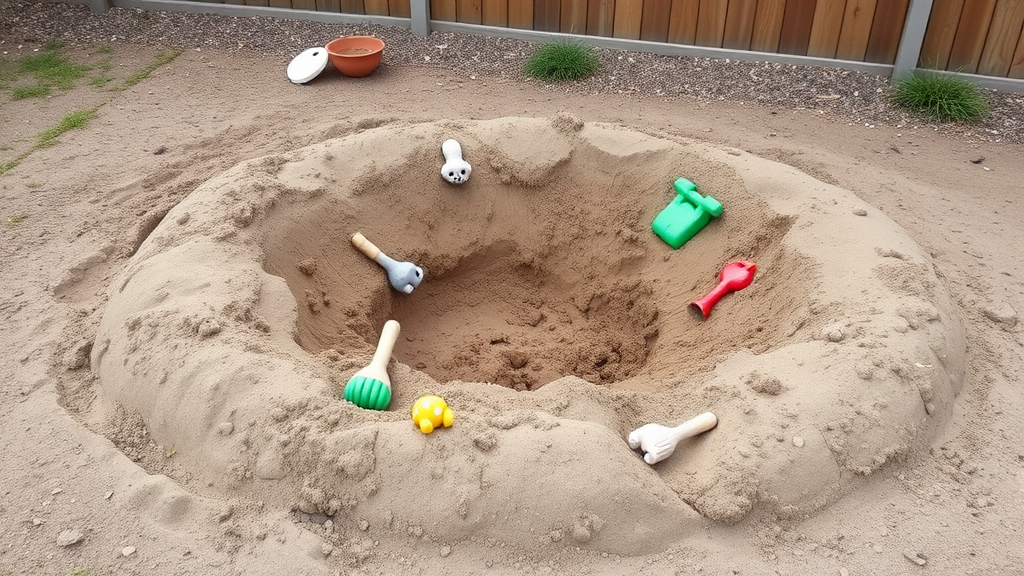
A designated digging zone offers your dog a sanctioned area to excavate freely. Choose a location away from your main garden or lawn areas, preferably in a spot that won’t interfere with your landscape plans. This area can be a simple sandbox, a raised bed filled with loose soil, or even a designated section of your yard where digging is permitted. Make this area more attractive by burying toys or treats for your dog to discover.
Mental stimulation activities can significantly reduce destructive digging by providing alternative outlets for your dog’s energy and curiosity. Puzzle toys, treat-dispensing balls, and interactive games challenge your dog’s mind and can tire them out as effectively as physical exercise. Understanding your dog’s sleep patterns can help you time these activities for maximum effectiveness.
Physical exercise remains one of the most effective preventive measures against destructive behaviors. A tired dog is much less likely to engage in problematic digging. Increase your dog’s daily exercise routine with longer walks, jogging sessions, or active play. Swimming, hiking, and agility training provide excellent outlets for high-energy breeds that are prone to digging.
Environmental enrichment in your yard can provide ongoing entertainment that reduces digging motivation. Installing water features, creating sniffing gardens with dog-safe plants, or setting up obstacle courses gives your dog interesting alternatives to explore. Regular rotation of toys and activities maintains novelty and engagement.
Addressing Specific Digging Scenarios
Different types of digging require tailored approaches for effective resolution. Understanding the specific scenario you’re dealing with allows you to implement the most appropriate solution strategy.
Escape digging typically occurs along fence lines and represents a more serious behavioral concern. Dogs engaging in this behavior may be responding to external stimuli like other animals, people, or interesting scents beyond their confined area. Address escape digging by examining what’s attracting your dog’s attention and either removing the stimulus or blocking their view. Reinforcing fence foundations with concrete or installing dig-proof barriers along the fence line provides physical prevention.
Comfort digging usually manifests as shallow depressions in shaded areas where dogs seek cool spots to rest. This behavior is often related to temperature regulation and can be addressed by providing alternative cooling options. Dog cooling mats, elevated beds for air circulation, or access to air-conditioned areas during hot weather can reduce the motivation for comfort digging.
Prey-driven digging occurs when dogs detect underground animals like moles, gophers, or insects. This type of digging is typically focused and persistent, with dogs returning repeatedly to the same locations. Address prey-driven digging by consulting with pest control professionals to humanely remove the attracting animals. Understanding why dogs sometimes eat dirt can also provide insights into their interaction with soil and underground elements.
Attention-seeking digging happens when dogs learn that excavating gets them immediate human interaction, even if it’s negative attention. Break this cycle by ignoring the digging behavior when possible and providing positive attention for appropriate activities. If immediate intervention is necessary, redirect your dog calmly without excessive drama or excitement.
Long-term Solutions and Maintenance
Creating lasting change in your dog’s digging behavior requires ongoing commitment and strategic planning. Long-term success depends on maintaining consistency while adapting your approach as needed based on your dog’s response and changing circumstances.
Routine establishment helps create predictable patterns that reduce anxiety-driven digging. Dogs thrive on consistency, so establishing regular feeding times, exercise schedules, and interaction periods can significantly reduce stress-related behaviors. Pay attention to your dog’s daily rhythms and positive interaction preferences to create a routine that meets their physical and emotional needs.
Seasonal adjustments to your anti-digging strategy account for changing environmental factors throughout the year. Summer strategies might focus on providing adequate cooling alternatives, while winter approaches could emphasize increased indoor mental stimulation when outdoor time is limited. Understanding normal temperature regulation behaviors helps distinguish between comfort-seeking and problematic digging.
Professional consultation may be necessary for persistent or severe digging problems. Certified dog behaviorists or veterinary behaviorists can provide specialized assessment and treatment plans for complex cases. The Certification Council for Professional Dog Trainers offers resources for finding qualified professionals in your area.
Health considerations should be evaluated if digging behavior appears suddenly or increases dramatically. Medical issues like allergies, skin conditions, or anxiety disorders can manifest as increased digging activity. Regular veterinary checkups and attention to changes in your dog’s overall behavior help identify potential health-related causes. Proper ear care and general health maintenance support overall behavioral well-being.
Documentation and tracking of your dog’s digging patterns can reveal important insights for refining your approach. Keep a simple log noting when, where, and under what circumstances digging occurs. This information helps identify triggers and measure the effectiveness of your interventions over time.
Frequently Asked Questions
How long does it typically take to stop a dog from digging?
The timeline for reducing digging behavior varies significantly depending on the dog’s age, the underlying cause, and consistency of training efforts. Most dogs show improvement within 2-4 weeks of consistent intervention, but complete resolution may take 2-3 months. Puppies and young dogs often respond faster than older dogs with established habits. The key is maintaining consistent prevention and redirection strategies while providing appropriate alternatives.
Is it ever okay to let my dog dig in certain areas?
Yes, providing designated digging areas can be an excellent management strategy that honors your dog’s natural instincts while protecting your landscaping. Create a specific zone with loose soil or sand where digging is encouraged, and train your dog to use only this area. This approach is particularly effective for dogs with strong digging drives and can actually enhance your training success by providing an acceptable outlet.
Why does my dog only dig when I’m not home?
Digging that occurs only during your absence often indicates separation anxiety, boredom, or lack of supervision-based impulse control. Dogs may also dig when unsupervised because they’ve learned that digging results in attention when you return. Address this by increasing mental stimulation before departures, providing engaging toys, and gradually building your dog’s comfort with alone time through systematic desensitization training.
Can certain dog breeds be trained not to dig?
All dog breeds can be trained to reduce digging behavior, though some breeds with strong digging instincts (like terriers, dachshunds, and huskies) may require more intensive management. Breed-specific tendencies mean that while you can significantly reduce unwanted digging, providing appropriate outlets becomes even more important for these breeds. Success depends more on consistency and appropriate management than on the dog’s breed.
What should I do if my dog has already created multiple holes in my yard?
Fill existing holes with soil and pack firmly, then apply grass seed or lay sod as needed. Make these areas less attractive by placing temporary barriers, applying safe deterrents, or changing the area’s function (like placing planters or decorations). Address the underlying cause of the digging to prevent new holes from appearing. Some homeowners find success in temporarily restricting access to heavily damaged areas while implementing training strategies.
Are there any household items that can safely deter digging?
Several safe household items can deter digging: citrus peels (oranges, lemons, limes) scattered around vulnerable areas, coffee grounds mixed into soil, or white vinegar sprayed on affected areas. Chicken wire laid flat and covered with a thin layer of soil creates an uncomfortable digging surface. Always ensure any deterrent is safe for both your dog and your plants, and test small areas first to check for any adverse reactions.
Should I punish my dog when I catch them digging?
Punishment is not recommended for addressing digging behavior and can often make the problem worse by increasing anxiety or teaching your dog to dig only when you’re not watching. Instead, interrupt the behavior with a firm “no” or “leave it,” then immediately redirect your dog to an appropriate activity and reward compliance. Positive reinforcement methods are more effective and help build a stronger relationship with your dog while addressing the underlying motivations for digging.





