
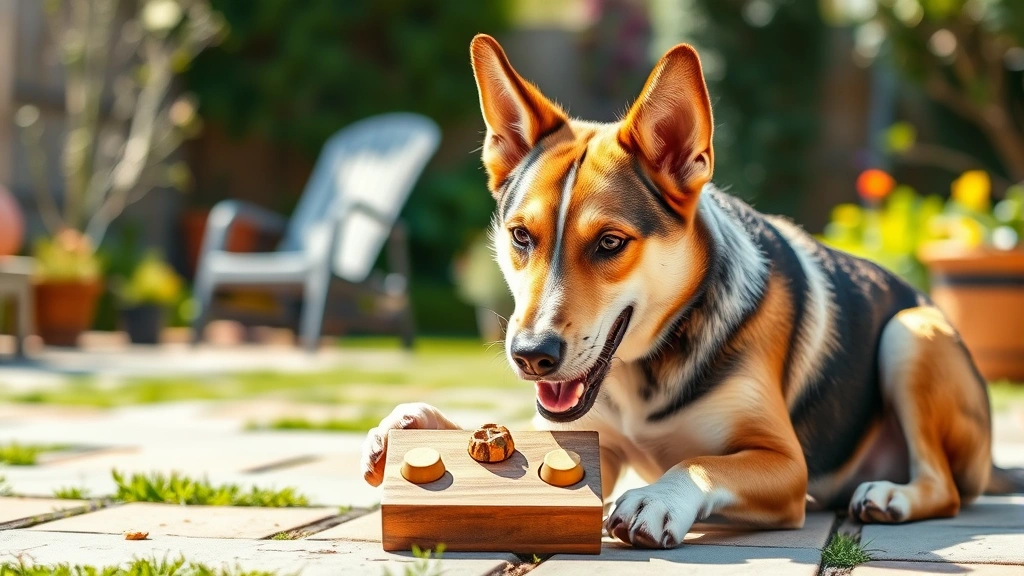
If you’re wondering how to stop a dog from eating stool, you’re not alone—this gross behavior, called coprophagia, affects countless dog owners and can make you want to pull your hair out. The good news? It’s usually fixable with the right approach, and we’re here to help you tackle this nasty habit once and for all.
Table of Contents
- Why Do Dogs Eat Poop in the First Place?
- Method 1: Rule Out Medical Issues First
- Method 2: Upgrade Your Dog’s Diet Quality
- Method 3: Implement Strict Bathroom Management
- Method 4: Address Behavioral and Psychological Factors
- Method 5: Use Supplements and Deterrents
- Understanding Coprophagia in Puppies vs. Adult Dogs
- When to Seek Professional Help
- Common Mistakes Dog Owners Make
- Creating a Long-Term Prevention Plan
- Frequently Asked Questions
Why Do Dogs Eat Poop in the First Place?
Before we jump into solutions, let’s understand the “why” behind this disgusting behavior. Dogs eat feces for various reasons, and identifying the root cause is half the battle. Sometimes it’s medical, sometimes it’s behavioral, and sometimes it’s just your pup being, well, a pup.
Medical issues like parasites, malabsorption, or enzyme deficiencies can drive dogs to seek nutrients from feces. Behavioral reasons include boredom, anxiety, or learned behavior from their mother during puppyhood. Environmental factors like stress or inadequate supervision also play a role in coprophagia.
Method 1: Rule Out Medical Issues First
Your first stop should always be your veterinarian. A vet can rule out underlying health conditions that might be causing this behavior. Conditions like exocrine pancreatic insufficiency (EPI), parasites, or poor nutrient absorption need medical attention.
During your vet visit, mention any other symptoms your dog displays—changes in appetite, weight loss, or diarrhea. Your vet might recommend bloodwork or stool samples to identify nutritional deficiencies. Once medical issues are off the table, you can focus on behavioral and dietary solutions. Check out our guide on Online Vet Advice for Food Reactions for more insights into digestive health.
Method 2: Upgrade Your Dog’s Diet Quality
A high-quality diet is fundamental to stopping coprophagia. Dogs eating low-quality kibble with poor digestibility might eat feces to compensate for missing nutrients. Look for dog foods with high-quality proteins, digestible carbohydrates, and essential enzymes.
Consider switching to premium dog food brands that use whole ingredients and have higher digestibility rates. Some dogs thrive on grain-free options, while others do better with limited ingredient diets. Adding digestive enzymes or probiotics can also improve nutrient absorption, reducing the urge to eat stool.
Our article on Pet Food Safety covers what to look for in quality dog food. You might also explore Vet-Approved Human Foods for Pets to supplement your dog’s nutrition with whole foods.
Method 3: Implement Strict Bathroom Management
Prevention is powerful. The simplest way to stop stool-eating behavior is to prevent access to feces in the first place. This requires vigilant bathroom management and consistent supervision.
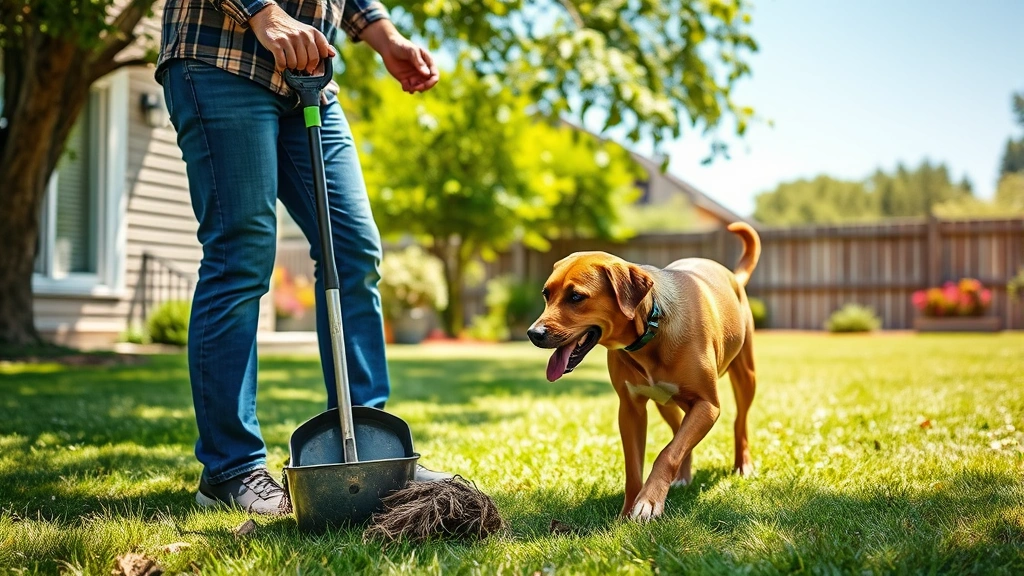
Always pick up after your dog immediately—don’t leave feces sitting in the yard. Use a pooper scooper and dispose of waste promptly. During walks, keep your dog on a short leash and redirect their attention away from other dogs’ waste. If you have multiple dogs, supervise outdoor time carefully and clean the yard multiple times daily.
In the house, ensure your dog isn’t accessing the litter box if you have cats. Consider installing a baby gate to restrict access to cat areas. Crate training can also help manage your dog’s environment when you can’t supervise directly.
Method 4: Address Behavioral and Psychological Factors
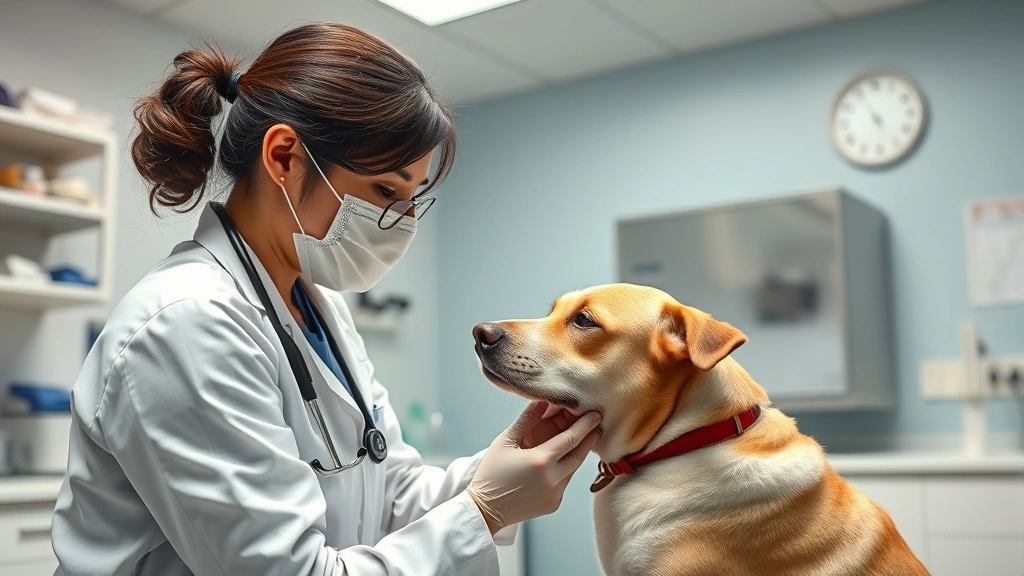
Coprophagia often stems from anxiety, boredom, or stress. Dogs experiencing separation anxiety or insufficient mental stimulation might resort to eating feces as a coping mechanism. Addressing these underlying emotional issues is crucial.
Increase physical exercise—aim for at least 30-60 minutes daily depending on your dog’s breed and age. Mental stimulation through puzzle toys, training sessions, and interactive games keeps their brain engaged. Consider Calming Foods for Anxious Pets if anxiety is a significant factor.
Some dogs benefit from behavioral modification training. Teach a strong “leave it” command and reward your dog heavily when they comply. Positive reinforcement works better than punishment—never scold your dog for eating stool, as this can increase anxiety and worsen the behavior.
Method 5: Use Supplements and Deterrents
Several supplements and commercial deterrents can help reduce the appeal of feces. Stool-eating deterrents contain ingredients that make feces taste bad to dogs, though results vary by individual.
Pumpkin puree is a natural deterrent that many dog owners swear by—it changes the taste of stool and improves digestion simultaneously. Probiotics and digestive enzymes improve nutrient absorption, reducing nutritional deficiencies that drive coprophagia. Some vets recommend adding meat tenderizer or pineapple to food, though effectiveness isn’t scientifically proven.
Supplement your dog’s diet with vitamins and minerals if deficiencies are suspected. Products like FortiFlora or Proviable contain beneficial bacteria that support digestive health. Always consult your vet before introducing new supplements.
Understanding Coprophagia in Puppies vs. Adult Dogs
Puppies sometimes eat feces as part of normal development and exploration—they’re literally learning about their world through taste. This behavior usually resolves naturally as puppies mature. However, if it persists beyond six months, intervention is needed.
Adult dogs eating stool have usually developed a learned behavior or are responding to underlying medical or psychological issues. The longer the behavior continues, the more ingrained it becomes, so addressing it early is important.
When to Seek Professional Help
If your dog’s stool-eating persists despite your best efforts, professional help is warranted. A board-certified veterinary behaviorist can assess whether anxiety, compulsive behavior, or other psychological factors are at play.
Some dogs benefit from anti-anxiety medication combined with behavioral training. Others respond well to environmental modifications and dietary changes. A professional can create a customized plan tailored to your dog’s specific situation.
Common Mistakes Dog Owners Make
Many owners accidentally reinforce coprophagia by reacting dramatically when they catch their dog eating stool. Yelling, chasing, or punishing creates excitement and attention, which some dogs actually enjoy. Instead, calmly redirect your dog and reward the new behavior.
Another mistake is assuming one solution will work for all dogs. What works for your neighbor’s Labrador might not work for your Terrier mix. Be patient and willing to try different approaches. Check our resource on What Not to Feed Your Dog to ensure you’re not accidentally encouraging this behavior through poor dietary choices.
Creating a Long-Term Prevention Plan
Success requires consistency and patience. Create a comprehensive plan combining medical evaluation, dietary improvement, environmental management, and behavioral training. Track what works and what doesn’t—keep notes on your dog’s behavior patterns.
Celebrate small wins. If your dog goes a week without eating stool, that’s progress. Maintain vigilance even after improvement, as coprophagia can resurface if management lapses. Regular vet checkups ensure no underlying health issues develop.
Frequently Asked Questions
Is eating stool dangerous for dogs?
Yes, eating feces can expose your dog to parasites, bacteria, and viruses. While occasionally eating their own stool is less risky than eating other dogs’ waste, it should still be prevented. Consuming stool from other animals carries higher disease risk.
How long does it take to stop coprophagia?
Timeline varies based on the underlying cause. Medical issues might resolve in weeks once treated. Behavioral modification typically takes 4-8 weeks of consistent training. Some dogs respond quickly, while others require months of patience.
Can I use punishment to stop my dog from eating stool?
No. Punishment increases anxiety and often worsens the behavior. Positive reinforcement—rewarding your dog for ignoring feces—is far more effective. Focus on prevention and redirection rather than punishment.
Does pineapple really stop dogs from eating stool?
Some dog owners report success with pineapple, which supposedly makes stool taste bad. However, scientific evidence is limited. It’s worth trying as a natural option, but results vary significantly between individual dogs.
Should I be concerned if my adult dog suddenly starts eating stool?
Yes. Sudden onset of coprophagia in an adult dog warrants immediate veterinary evaluation. This could indicate medical issues like parasites, nutritional deficiencies, or digestive problems that need professional attention.





